Understanding Hearing Tests for Newborns and Infants
A newborn hearing testing clinic for infants checks hearing soon after birth. It uses painless tests such as otoacoustic emissions, BERA and ASSR. These tests can find possible hearing loss before it affects speech and language development. A paediatric hearing assessment may be advised after a missed or unclear screening result. It may also help when risk factors are present or a baby doesn't respond to sound. Audium Hearing Aid Clinic provides Newborn Hearing Testing, Otoacoustic Emissions Testing, BERA Test, ASSR Test and Pediatric Hearing Assessment. Follow-up depends on the infant’s results and medical needs. We help families understand preparation, testing and the next steps.
Why Do Newborns and Infants Need Hearing Testing?
Newborn hearing screening can find possible hearing loss early. This helps protect speech, language, communication and listening development. Infants may need testing after a missed or unclear screen. It may also be advised when risk factors exist or caregivers notice fewer responses to sound.
Hearing can change during the first months of life. Babies may not show clear signs of difficulty. An objective audiological assessment gives the care team useful information. The baby doesn't need to follow instructions or respond on command.
Newborns and infants have tests suited to their age and condition. The result is considered with birth history and medical information. Caregiver observations also matter. The result isn't treated as an isolated label.
Which Hearing Tests Are Used for Babies?
Otoacoustic Emissions TestingBERA Test and ASSR Test check different parts of an infant’s hearing system. OAE testing measures inner-ear responses to sound. BERA and ASSR check responses along the auditory pathway. A Pediatric Hearing Assessment helps clinicians understand these findings in context.
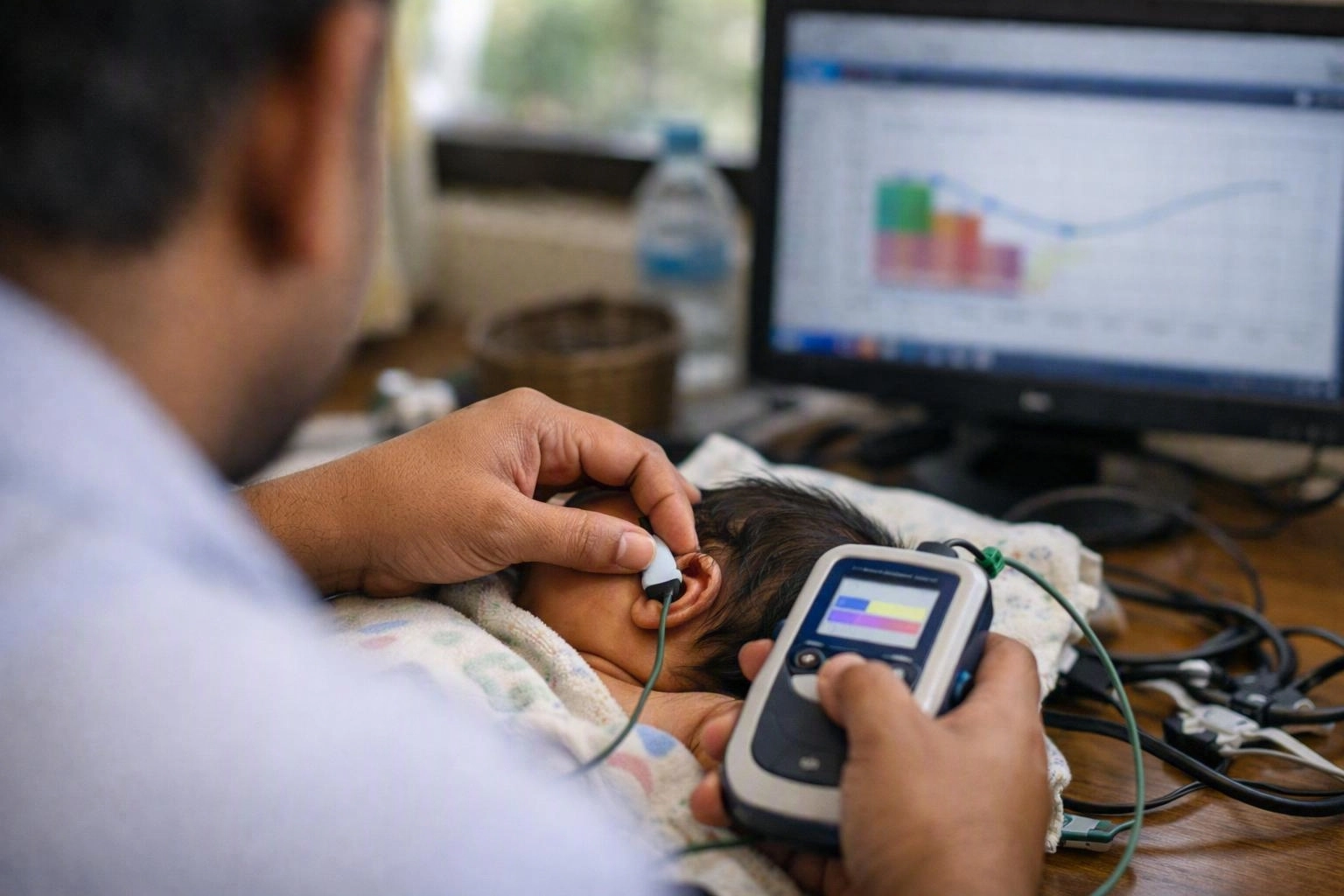
Otoacoustic emissions are soft sounds from a healthy cochlea after stimulation. A small probe in the ear canal records them. This test is often used for screening. Blockage, fluid or movement can affect the recording.
The BERA Test is also called an auditory brainstem response assessment. It records activity from the auditory nerve and brainstem. It can estimate hearing levels when a baby cannot respond reliably. The ASSR Test gives frequency-specific information through an auditory steady-state response. This may help estimate hearing levels across different pitches.
A Pediatric Hearing Assessment brings the findings together. It also considers the outer ear, ear canal, cochlea and auditory nerve. Developmental observations and medical history are reviewed too. No single test answers every question.
The audiologist chooses or combines tests based on the screening result and the baby’s age. Health and the ability to sleep calmly also matter. Active recording often takes around 20–60 minutes. The visit may take longer if settling or repeat measurements are needed.
What Happens During an Infant Hearing Test?
The test is planned around the baby’s sleep and comfort. Families can usually feed and settle the infant first. Caregivers can stay nearby and comfort the baby between steps.
- Preparation: The clinician discusses the referral and birth history. They may ask about feeding and preparation. Clean, comfortable clothing can make settling easier.
- Settling: A sleeping infant is ideal for testing. Crying and movement can affect small signals. Caregivers may feed, hold or gently soothe the baby.
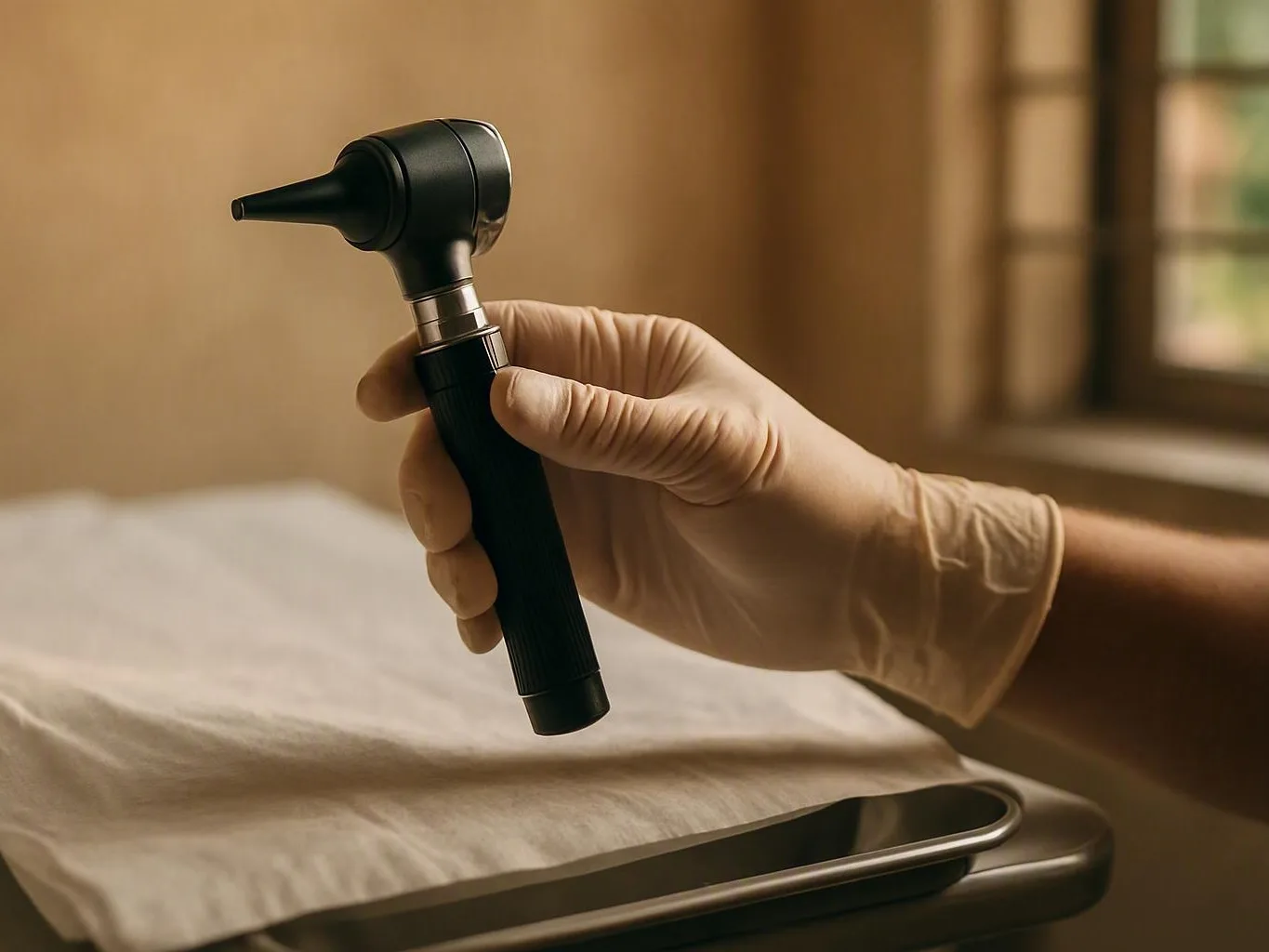
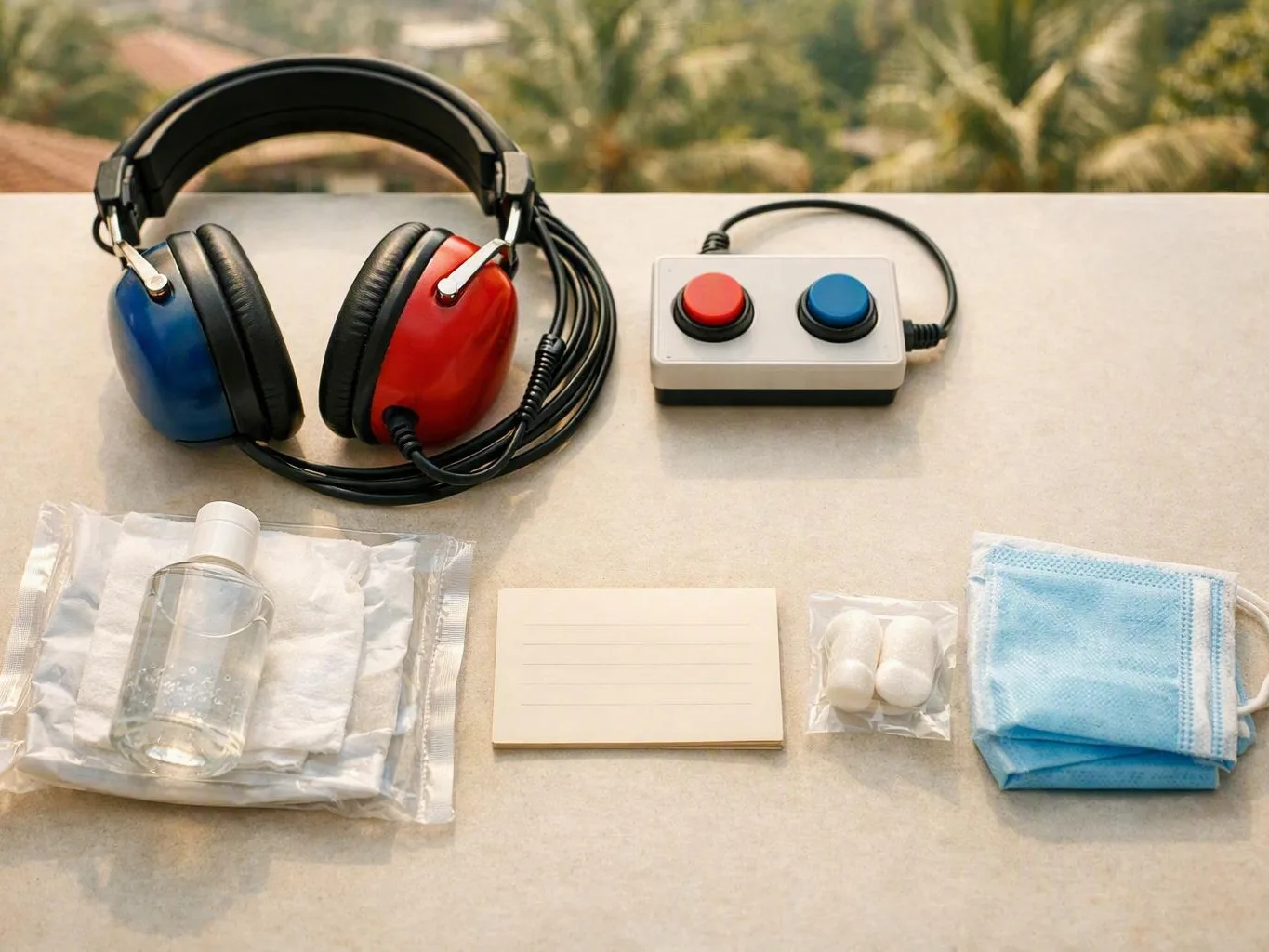
- Placement: Earphones or soft probes are placed carefully near or in the ear. The equipment suits an infant’s small ear. It shouldn't cause pain.
- Recording: BERA or ASSR may use electrode sensors on the head or neck. These sensors record responses while the baby rests. They don't send electricity into the body.
- Review: The audiologist checks the recording quality. They explain the result and advise about any further testing.
This is a non-invasive procedure. Noise, movement or a poor probe fit may affect the recording. The team may pause, reposition the probe or repeat the test. Families should allow extra time for the visit. They shouldn't keep the infant awake unless the clinic advises it.
When Should a Baby Have a Follow-Up Hearing Assessment?
A baby should have follow-up hearing assessment after a referred or missed newborn screen. This is especially important when prematurity, neonatal intensive care or family history is present. Congenital infection and other risk factors may also matter. Timing depends on the result, the infant’s health and the audiologist’s advice.
A referred newborn screening result doesn't always mean permanent hearing loss. Vernix, temporary middle-ear fluid, movement or noise may affect it. Still, families should arrange the recommended review. Screening and diagnostic assessment answer different questions.
Prematurity and neonatal intensive care can increase hearing loss risk. Other factors include a family history of hearing loss and congenital infection. Certain medical treatments may also be relevant. Caregiver concerns about development should be discussed with the healthcare professional.
Repeated ear infections and otitis media may reduce hearing for a time. These concerns should also be discussed. The pathway often moves from screening to a repeat screen or diagnostic assessment. Result counselling follows.
If hearing loss is confirmed or strongly suspected, referral may follow. Services can include medical, audiological, speech and language or early-intervention care. The exact order depends on the infant’s results and clinical needs.
What Should Parents Look for in a Newborn Hearing Testing Clinic?
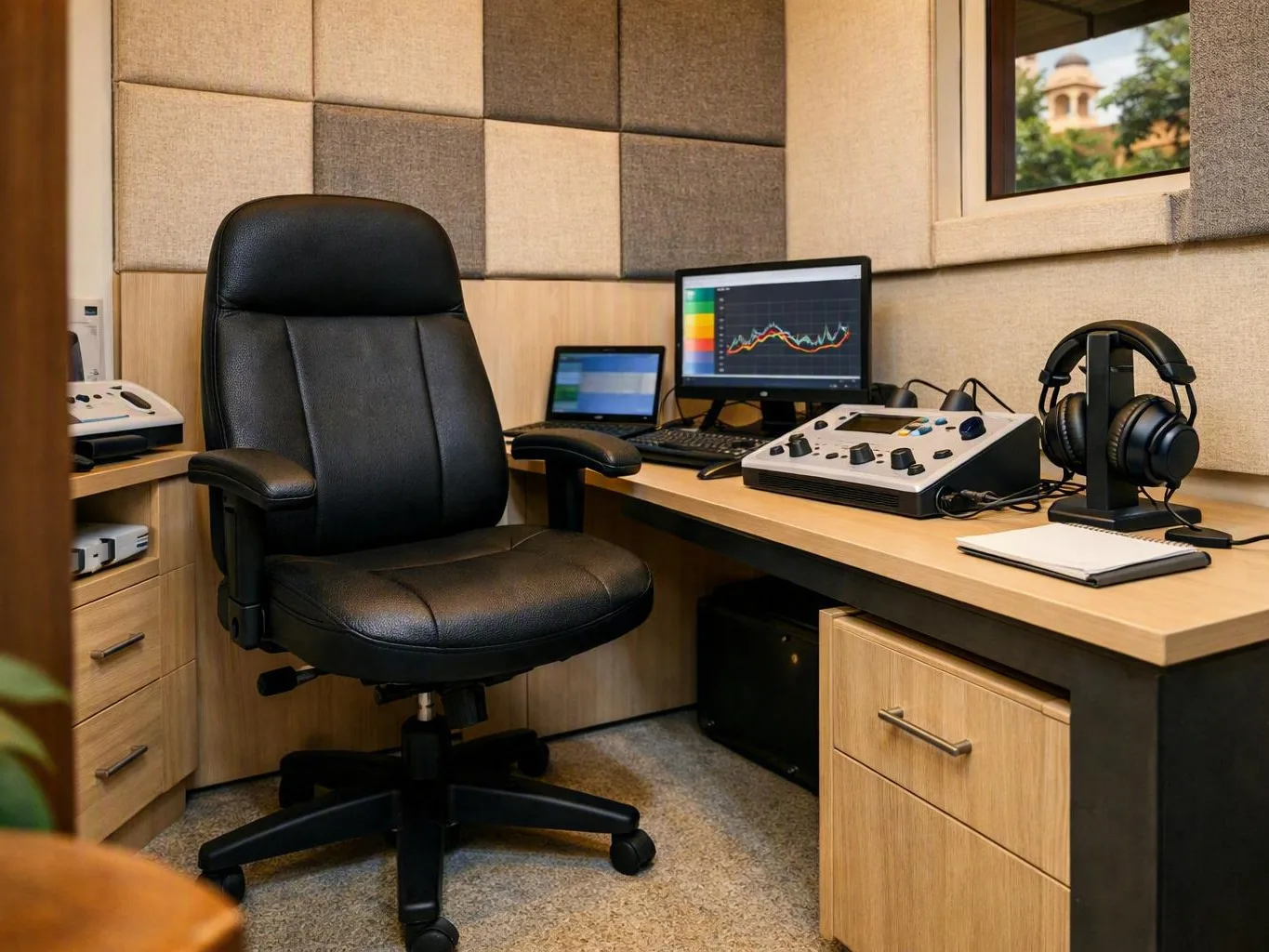
A newborn hearing testing clinic should use infant-friendly equipment and trained audiology professionals. It should offer a calm testing space and clear explanations. Parents should check whether the clinic provides the needed tests. They should also ask how results, limits and referrals are handled.
A suitable clinic works around the baby’s needs. It doesn't expect an infant to behave like an older child. Ask how the team manages feeding, settling, sleep and caregiver support. A quiet room and flexible appointment can help produce useful recordings.
Parents can ask what information to bring and whether feeding is encouraged beforehand. They can also ask how long the visit may take. These details help families plan. An initial screening result isn't a final diagnosis.
Key Features and Common Challenges of Infant Hearing Testing
Infant hearing testing is objective and non-invasive. Results can still be affected by movement, crying, noise, vernix or middle-ear fluid. A suitable clinic manages these issues with age-appropriate tests and careful preparation. Repeat testing and clear counselling may also be needed.
Objective measurement is useful because a newborn cannot describe what they hear. They also cannot reliably press a button. An incomplete recording isn't the same as hearing loss. The audiologist checks signal quality and considers the ear canal and middle ear.
Parent counselling is part of safe care. Families should understand what was measured and what remains uncertain. They should also know the advised follow-up step.
How Are Newborn Hearing Test Results Explained?
Newborn hearing test results usually show whether an infant passed screening or needs more assessment. They don't always confirm or rule out permanent hearing loss. A refer result may have temporary or technical causes. The clinician should explain the finding and recommend the next diagnostic step.
| Result or finding | What it may mean | Usual next discussion |
|---|---|---|
| Pass result | The screening response met the test criteria at that time. | Continue routine observation and discuss any concerns. |
| Refer result | The screen needs repeating or further assessment. It doesn't confirm hearing loss by itself. | Arrange the recommended follow-up assessment. |
| Unclear or incomplete recording | Movement, noise, blockage or fluid may have limited the recording. | Consider repeat testing or another method. |
| Diagnostic finding | A broader assessment may show whether hearing loss is present. It may also estimate its effect on hearing levels. | Discuss medical care, monitoring and early-intervention options where suitable. |
Results should be recorded accurately and shared with the infant’s healthcare team when needed. This follows consent and clinical processes. Families should leave knowing the follow-up plan and expected timing. They should also know whom to contact with questions.
How Audium Hearing Aid Clinic Supports Infant Hearing Assessment?
Newborn Hearing Testing, Otoacoustic Emissions Testing, BERA Test, ASSR Test and Pediatric Hearing Assessment are available for infants through our hearing-care service. Parents can discuss the referral and suitable test with our team. We can also explain preparation, results and recommended follow-up.
We allow time for feeding, settling and sleep during assessment. Caregivers can stay present during the non-invasive procedure. The clinician may change the test order to suit the infant’s state and recording quality. For families seeking Newborn Hearing Testing in Bhubaneswar, the key points remain simple. Which test is needed? What might affect the result? What happens next?
Our process starts with the screen or referral. We then choose suitable objective tests and review the findings in context. Finally, we explain the result and any uncertainty. If further care is needed, we discuss referral to the right medical or early-intervention service.
Families may contact us to arrange an enquiry about infant hearing assessment and preparation.
Content reviewed for general education by Dr. Sakti Prasad Mohanty. Individual testing and follow-up should be guided by a qualified healthcare professional.
Questions About Hearing Aid Clinic
What Is the Best Hearing Test for a Newborn?
There is no single best test for every newborn. OAE testing is commonly used for screening. BERA and ASSR provide more detail about responses along the auditory pathway. The audiologist chooses the method based on the baby’s age, health, result and ability to sleep.
Is Newborn Hearing Testing Safe for Babies?
Yes. Standard newborn screening and electrophysiological tests are non-invasive and designed for infants. Soft probes, earphones or surface electrode sensors record responses while the baby rests. They don't cause pain when trained professionals use them correctly.
What Happens if a Baby Fails the Newborn Hearing Screening?
A failed or referred screen means the baby needs repeat screening or diagnostic assessment. It doesn't automatically confirm permanent hearing loss. Fluid, vernix, movement or noise can affect results. Families should arrange the advised follow-up promptly.
When Should an Infant Have a BERA Test?
An infant may need a BERA Test after a referred or missed screen. It may also help when responses are unreliable. Medical risk factors or caregiver concerns can support further assessment. Timing depends on the referral, health and audiologist’s advice.
How Long Does a Hearing Test Take for a Newborn?
Active recording often takes about 20–60 minutes. The full visit may take longer if the baby needs feeding, settling, a pause or repeat measurements. The clinic can share preparation guidance when booking the appointment.
Related Resources
BERA vs ASSR Test: Differences, Accuracy, Preparation, Cost Factors and Who Needs Each
BERA vs ASSR test
Everything About ItNewborn Hearing Testing and Otoacoustic Emissions: A Parent’s Complete Guide
newborn hearing test OAE
Everything About ItSpeech Delay and Hearing Assessment in Children: Tests, Signs and Next Steps
hearing test for child with speech delay
Why It MattersBenefits of Early Hearing Loss Diagnosis and Hearing Testing
why is early diagnosis of hearing loss important