
Tinnitus History Mapping
A symptom history records onset, pitch, side, triggers, sleep effect and sound exposure. This gives the audiologist a focused starting point.
Tinnitus can affect sleep, focus and conversation, especially after hearing changes or loud sound exposure. We use comfortable testing and practical care plans.
Identifies hearing loss that may sit behind tinnitus.
Connects symptom history with audiometry and PTA findings.
Explains when tympanometry or medical referral may help.
Supports speech understanding through suitable hearing aid fitting.
Gives monsoon cleaning and moisture-care guidance for devices.
Helps Bhubaneswar families plan visits around work and school.
According to the National Statistical Office, Ministry of Statistics and Programme Implementation, Government of India (2018), India had an estimated 2.4 million persons with hearing disability, representing a key population for hearing-care and tinnitus-management services.
Source: National Statistical Office, Ministry of Statistics and Programme Implementation, Government of India·Year: 2018
Data from the National Statistical Office, Ministry of Statistics and Programme Implementation, Government of India (2018) shows that hearing disability affected 0.2% of India’s population.
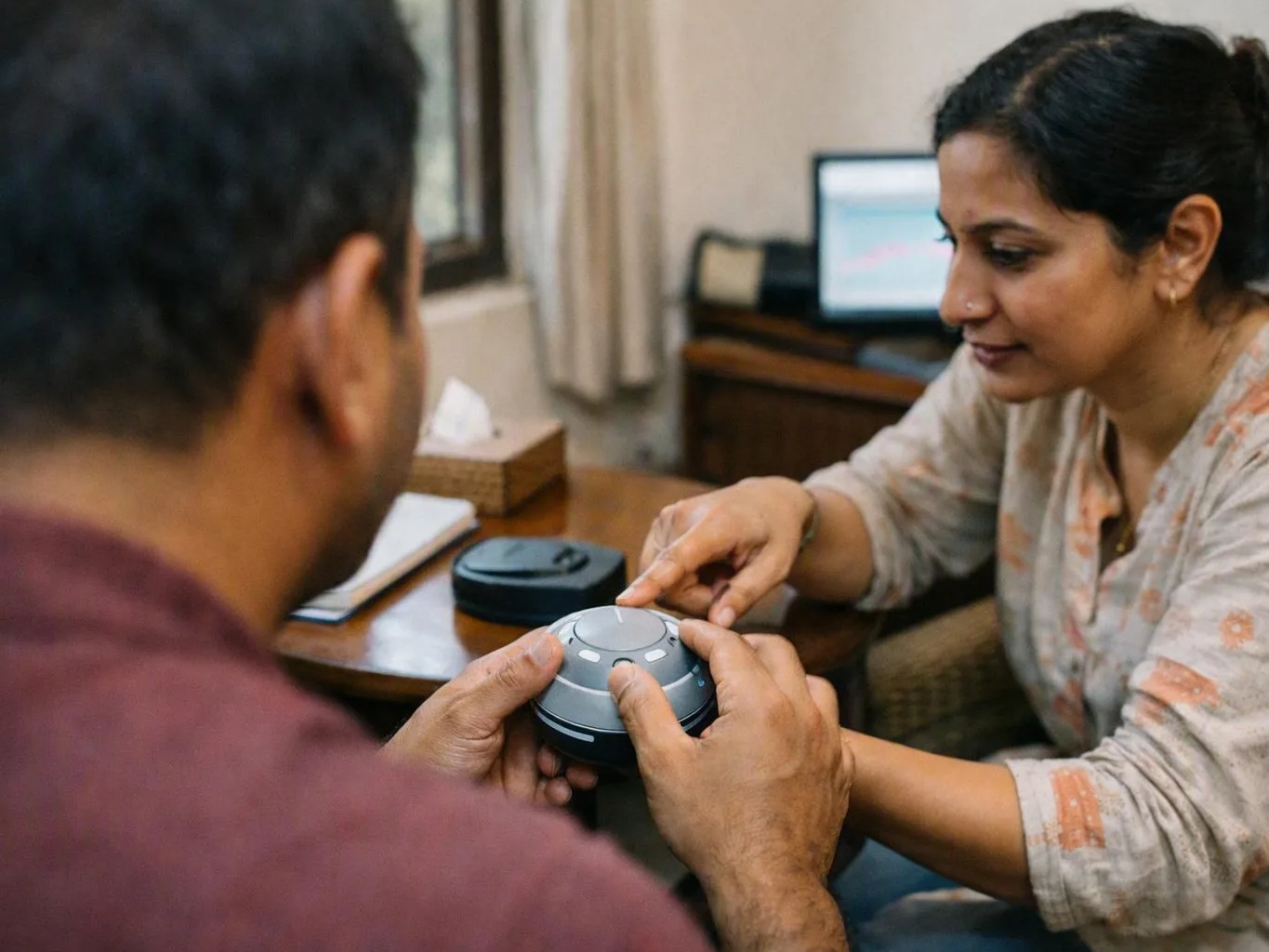
Tinnitus Management is a hearing-care service that identifies contributing factors and reduces tinnitus-related daily difficulty. Tinnitus Management differs from a routine hearing test because it adds symptom tracking, sound support and follow-up planning. In Bhubaneswar, adults and children need Tinnitus Management when heat, humidity or busy sound settings worsen device comfort.
A symptom history records onset, pitch, side, triggers, sleep effect and sound exposure. This gives the audiologist a focused starting point.
Pure tone audiometry measures hearing thresholds across key frequencies. The results show whether hearing loss may affect tinnitus awareness.
Tympanometry measures eardrum and middle-ear movement when symptoms suggest pressure or fluid concerns. The finding supports referral or hearing-care planning.
The team compares hearing aid features and sound-support options with communication needs. The outcome is a suitability plan rather than an automatic device choice.
Follow-up checks comfort, listening effort and tinnitus response after use begins. Adjustments address real settings such as home, school or work.
Audium Hearing Aid Clinic holds every Tinnitus Management engagement to the same standard—from first enquiry through completed work. Here is what guides our process.
Every Tinnitus Management case is reviewed against our own checks before sign-off, so you receive exactly what was agreed.
Clear documentation at every stage—what we reviewed, what we found, and what happens next.
Dedicated communication throughout the process—from your first enquiry to completed Tinnitus Management.
Bring useful records and note when the sound changes before your appointment.
A tinnitus assessment usually takes the time needed for history, hearing tests and discussion of findings.
Appointment length varies with age, test needs and communication difficulty.
People should keep devices dry, follow cleaning guidance and report changes in hearing or symptoms. Seasonal discomfort does not explain every tinnitus cause, so testing remains important.
Pure tone audiometry adds hearing-threshold information, while medical referral may be needed for sudden hearing change, severe dizziness or one-sided symptoms.
Suitability depends on hearing thresholds, listening needs and comfort. Personalised fitting and follow-up adjustments matter, and results vary between people.
Tinnitus care typically follows symptom history, audiometry, targeted ear tests, suitability planning and follow-up.
Tinnitus Management reduces the daily impact of ringing, buzzing or hissing sounds through assessment and personalised care.





Your first deliverable is a symptom-led hearing assessment that considers Bhubaneswar’s humid months and identifies suitable sound or hearing support.
Call Audium Hearing Aid Clinic on 7008550109 to schedule a hearing assessment or discuss hearing aid support.
Bhubaneswar, Odisha
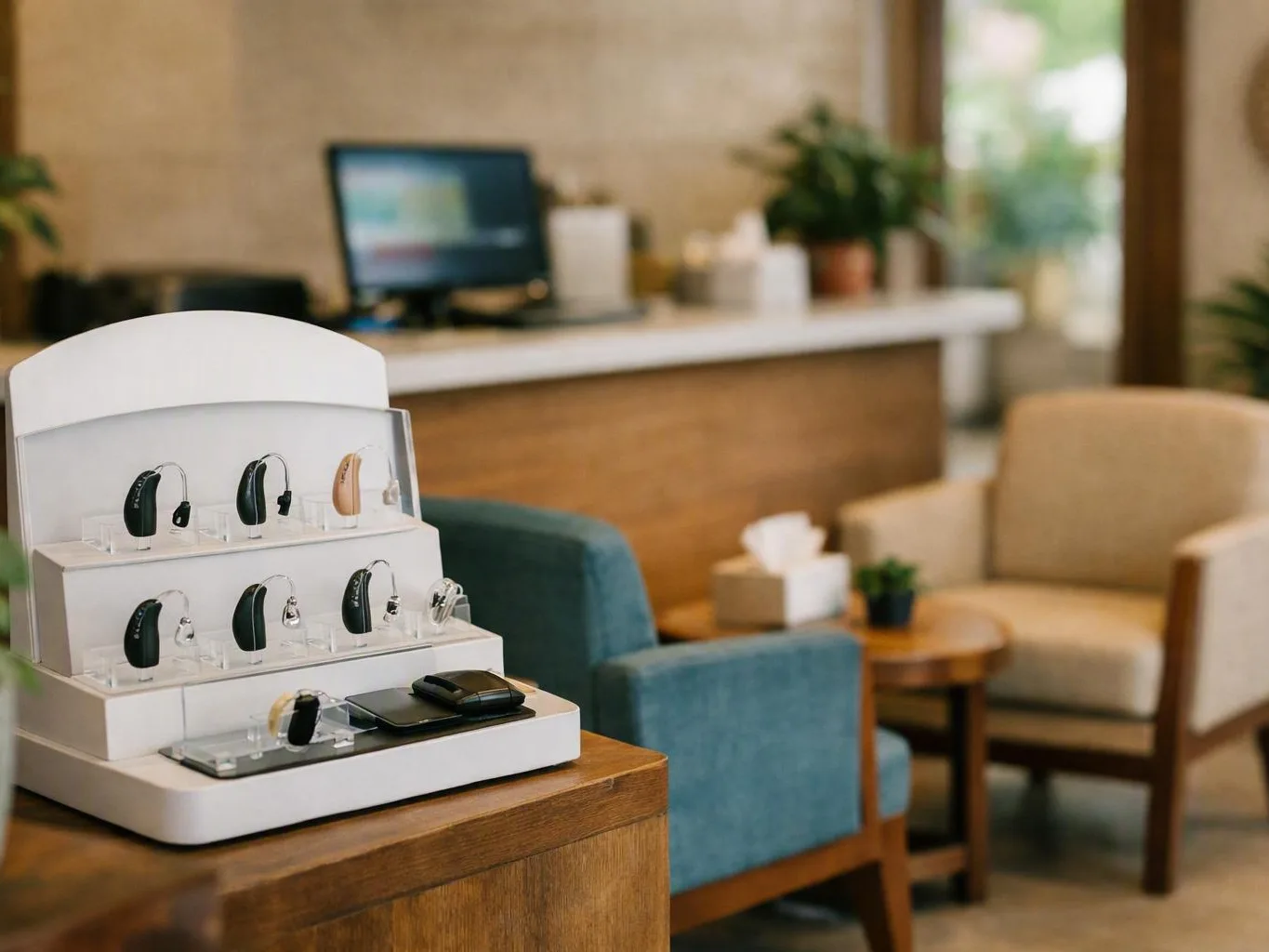
A parent in Bhubaneswar, Odisha may compare a Hearing Aid Clinic with online advice while arranging work and childcare. The decision should include symptom history, transparent test choices and practical next steps. Our consultation can connect tinnitus complaints with audiometry, PTA or tympanometry when indicated, then explain sound support and follow-up. Sudden one-sided ringing, dizziness or a new hearing drop needs medical advice before routine management.
Humidity in Bhubaneswar, Odisha can make a person worry about hearing aid care and realistic upkeep. The assessment checks suitability, listening needs and device handling before any recommendation, then covers cleaning, storage and follow-up.
A software worker in Bhubaneswar, Odisha may have tried masking sounds but still struggle during meetings. Past self-help does not show whether hearing loss, middle-ear change or sound sensitivity is involved. Our process starts with symptom mapping and comfortable hearing tests, then compares hearing aid support with other suitable steps. Follow-up focuses on speech access, device comfort and tinnitus impact rather than promising that the sound will disappear.