Case History and Referral Review
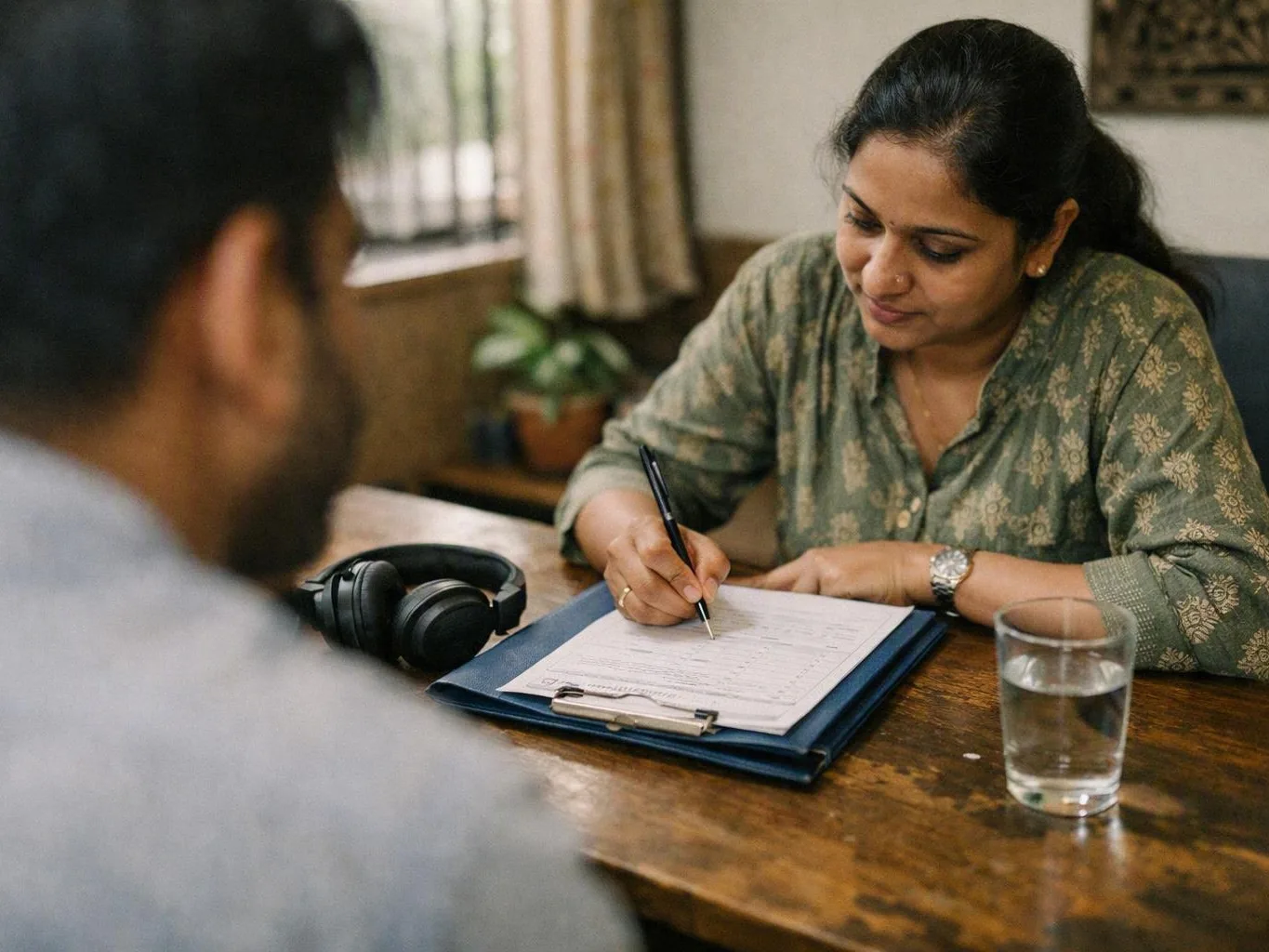
A case history records birth details, speech concerns, infections, medicines, and earlier screening. This gives the audiologist the right clinical question.
BERA Testing records the brain's response to sound when standard hearing tests are not enough. Hot, humid monsoon weather makes calm, quiet visits useful for young children.
Objective evidence when behavioural testing is unreliable.
Supports hearing checks for infants and young children.
Links brain responses with audiometry and tympanometry.
Helps families understand the next clinical decision.
Appointment-based visits suit school and work schedules.
Families across Bhubaneswar can access audiologist-led testing.
According to the Office of the Registrar General and Census Commissioner, India / Open Government Data Platform India (2011), India’s Census recorded 5,072,914 persons with hearing disability, representing a substantial potential population for audiological diagnostic services such as BERA testing.
Source: Office of the Registrar General and Census Commissioner, India / Open Government Data Platform India·Year: 2011
Data from the Office of the Registrar General and Census Commissioner, India / Open Government Data Platform India (2011) shows that India’s Census recorded 26,810,557 persons with disabilities of all types, or 2.21% of the population, with hearing disability among the categories enumerated.
Figures published by the Indian Academy of Pediatrics (2017) indicate that universal newborn hearing screening should occur.1 month of age, audiological diagnosis by 3 months, and intervention by 6 months, with diagnostic auditory brainstem response/BERA used for infants who do not pass screening.
Source: Indian Academy of Pediatrics·Year: 2017
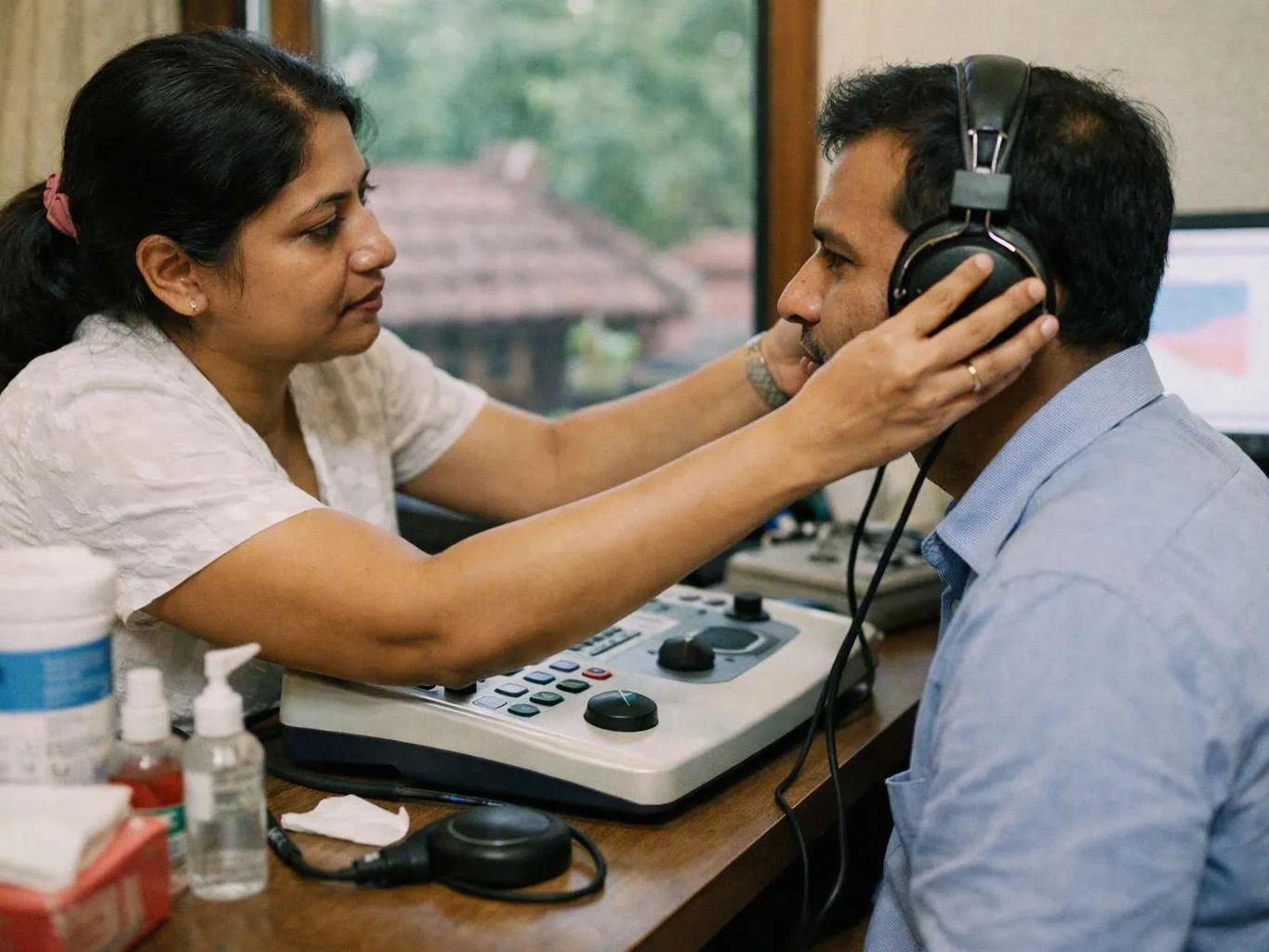
BERA Testing is an objective electrophysiological hearing test that records brain responses to controlled sounds. BERA Testing differs from behavioural audiometry because it measures neural responses rather than spoken or button-press answers. In Bhubaneswar, infants and children may need BERA Testing because quiet, settled recording conditions support accurate results.
A case history records birth details, speech concerns, infections, medicines, and earlier screening. This gives the audiologist the right clinical question.
Otoscopy and tympanometry check the ear canal and middle-ear system before recording. This helps separate conductive concerns from neural response findings.
Surface electrodes go at standard sites. The team checks sound equipment before stimulation. This supports repeatable auditory evoked potential recordings.
Controlled clicks or tone bursts play while the system records waveforms. Quiet settling and movement control reduce electrical and muscle artefacts.
The audiologist reviews response patterns with related hearing records. The result supports referral, repeat testing, hearing aid planning, or speech therapy discussion when suitable.
Audium Hearing Aid Clinic holds every BERA Testing engagement to the same standard—from first enquiry through completed work. Here is what guides our process.
Every BERA Testing case is reviewed against our own checks before sign-off, so you receive exactly what was agreed.
Clear documentation at every stage—what we reviewed, what we found, and what happens next.
Dedicated communication throughout the process—from your first enquiry to completed BERA Testing.
These steps can help the recording run smoothly and reduce avoidable delays.
BERA Testing shows electrical responses linked with sound. It helps when a patient cannot give reliable behavioural answers.
The result supports audiology or medical decisions. It does not predict every communication outcome.
Child preparation should support calm settling and limited movement before electrode recording.
The team explains the setup before testing begins.
BERA Testing records brain responses to sound for people who cannot complete reliable behavioural hearing tests.
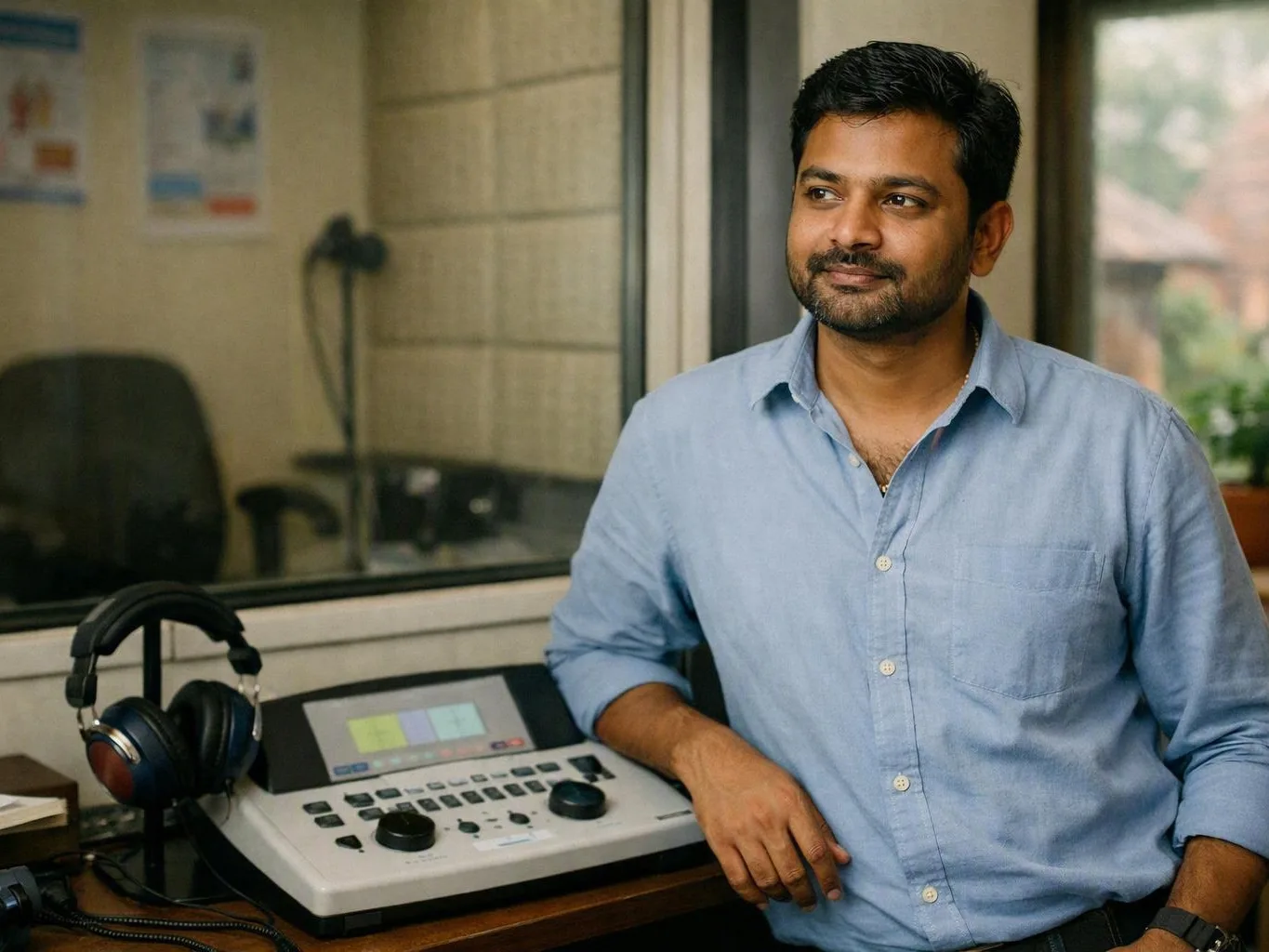
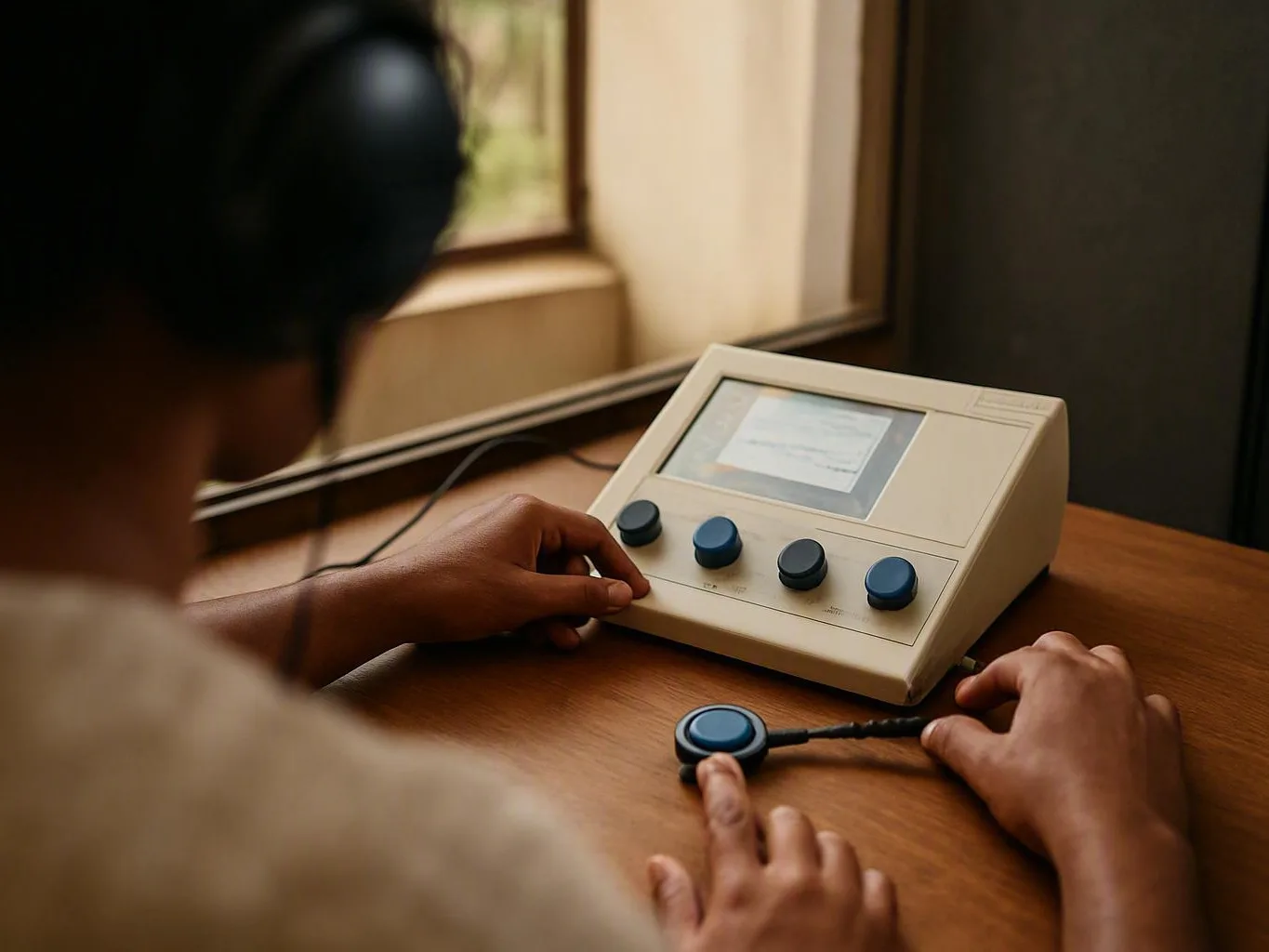
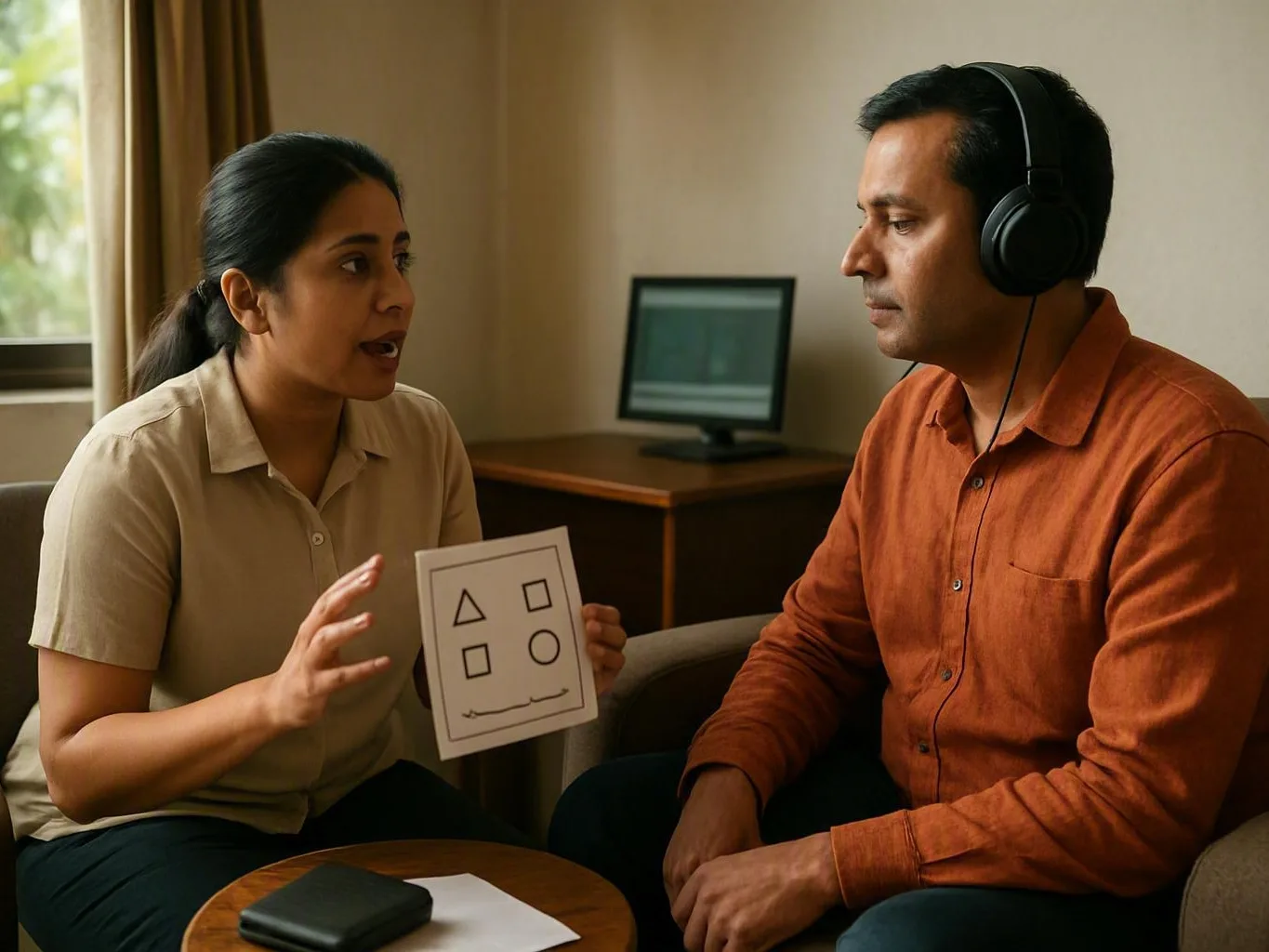
Could uncertain hearing responses delay the next step? Contact us for a BERA Testing consultation. We link waveform findings with suitable follow-up.
Call Audium Hearing Aid Clinic on 7008550109 to schedule a hearing assessment or discuss hearing aid support.
Bhubaneswar, Odisha
Families in Bhubaneswar, Odisha may want to understand the test path before choosing treatment. BERA Testing can show whether uncertain responses need objective evidence. Aftercare may include follow-up audiometry, ear protection, or hearing aid discussion. A consultation explains what the recording can answer and which records matter. It also explains how the child should prepare. This helps parents make safer choices before treatment begins.
A child from Bhubaneswar, Odisha may have skin sensitivity or dislike earphones and electrode placement. The suitability check covers comfort, timing, rest, and known allergy. A clear plan may include extra settling time. The team also checks whether the child can remain still.
After a poor test elsewhere, a family in Bhubaneswar, Odisha may want a clear explanation. The consultation links the goal with case history, tympanometry, and the BERA recording. The goal may involve speech delay or newborn screening. This process helps show whether repeat testing or medical review suits the case.