
What is an Electrode?
Electrode is a conductive sensor that carries electrical signals between body tissue and a recording or stimulation device. In hearing healthcare, electrodes detect nerve activity during tests such as auditory brainstem response and deliver controlled electrical signals in cochlear implants. Placement, contact quality, and signal strength affect the accuracy and safety of results.
Quick Facts About Electrode
Category
Medical sensor or stimulation component
Used for
Recording nerve responses and delivering cochlear implant stimulation
Common confusion
An electrode is not the same as a hearing aid receiver
Also called
Electrical contact, Recording electrode
Often discussed with
BERA Testing, Cochlear Implant Evaluation
Key Takeaways About Electrode
- Electrodes record electrical activity from nerves, muscles, or the brain during clinical tests.
- Cochlear implants use electrode arrays to stimulate auditory nerve fibres inside the cochlea.
- Clean skin contact and correct placement help produce reliable recordings.
- Electrodes do not measure hearing directly. But they measure related biological responses.
- Poor contact can increase electrical noise and reduce test accuracy.
Understanding Electrode

Electrode is a conductive contact that connects living tissue with an electrical recording or stimulation system. In hearing assessment, surface electrodes are placed on the scalp and near the ears. They detect small voltage changes produced by the auditory pathway. The equipment records these changes as waveforms that can help assess how sound signals travel through the nervous system.
Related glossary terms: Auditory Brainstem Response, Cochlea, Inner Ear.
An electrode may record activity, deliver stimulation, or perform both functions.surface electrode rests on the skin, while an implanted electrode sits within or near body tissue. An electrode array contains several contacts arranged along a flexible structure, as seen in cochlear implants. Electrode design, placement, skin preparation, and contact resistance all affect the quality of the electrical signal.
How Electrode Works, Is Measured, or Is Used?
During an auditory brainstem response test, headphones or insert earphones present timed sounds to the ear. The electrodes detect voltage changes created by activity in the auditory nerve and brainstem. A computer averages many responses because the signals are small. They can be hidden by muscle activity or environmental electrical interference.
A clinician usually places recording electrodes at selected scalp and earlobe or mastoid locations. The clinician then checks the contact quality before testing. The system measures waveform timing, size, and repeatability. It doesn't simply record whether a person heard a sound.cochlear implant, an implanted electrode array sends programmed electrical pulses to different regions of the cochlea. These regions represent different sound frequencies.
Electrode performance is assessed through signal quality, impedance, placement, and response stability. Impedance describes opposition to electrical current and is reported in ohms. Very high or unstable impedance can indicate weak skin contact, dried conductive paste, a loose lead, or a problem with an implanted contact. The acceptable range depends on the device, test method, and manufacturer instructions.
Why Electrode Matters?
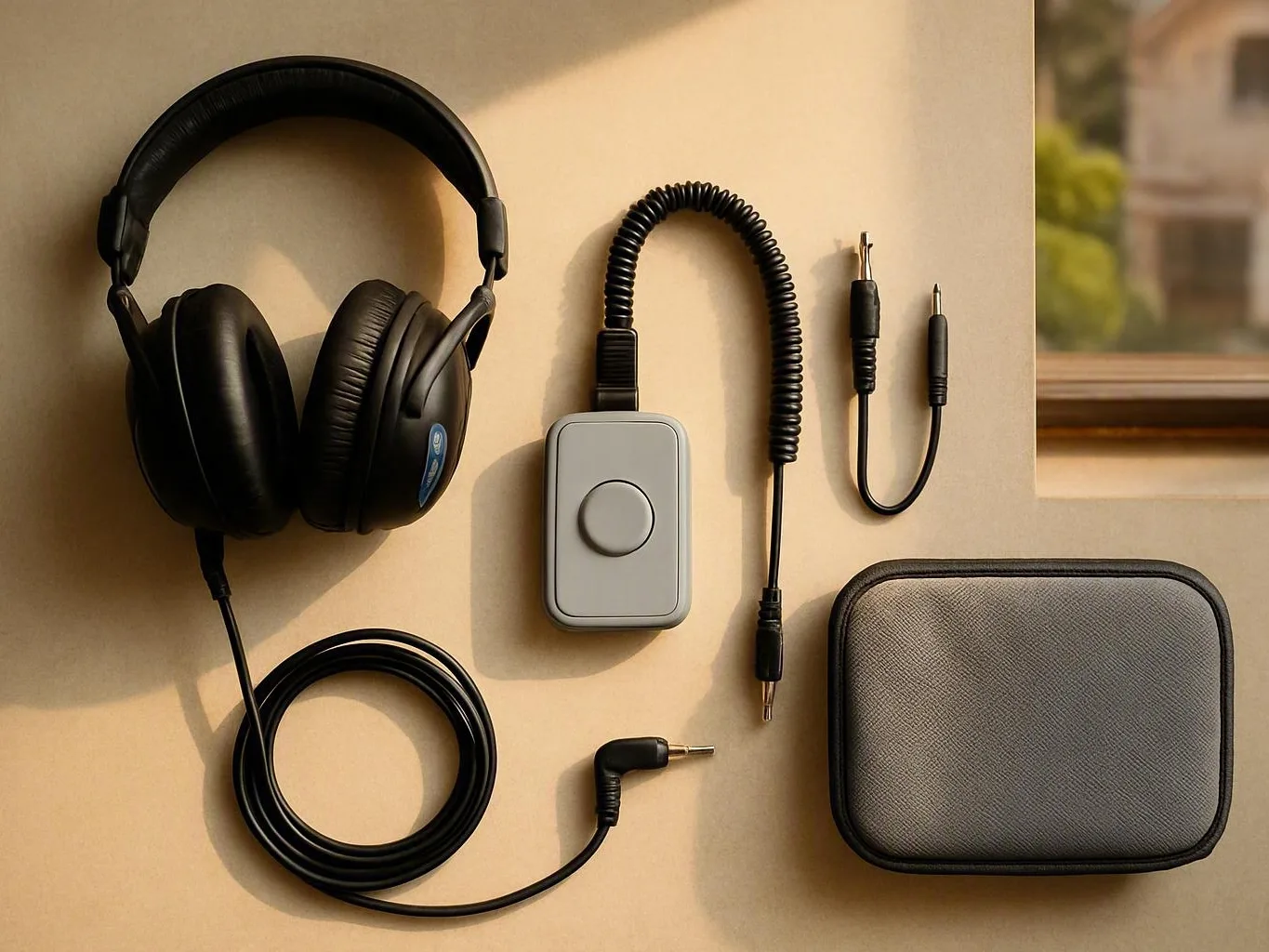
Reliable electrodes help separate genuine biological responses from noise. This distinction matters when a clinician interprets auditory brainstem response waveforms. This includes infants, people who can't complete behavioural hearing tests, or patients being assessed before a cochlear implant. A misplaced or poorly attached electrode can alter waveform size and timing. This may lead to an unclear result or a repeat test.
In cochlear implantation, each contact in the electrode array contributes to sound access through a different stimulation channel. Programming teams review electrical measurements, patient responses, and speech understanding to identify suitable levels. The electrode itself doesn't restore normal hearing. Its benefit depends on the health of the auditory nerve, device programming, rehabilitation, and consistent use.
When Electrode Matters Most?
Electrodes become especially important during BERA testing, newborn hearing investigations, neurological monitoring, and cochlear implant assessment. They also matter when a test result doesn't match the person’s behaviour or other hearing findings. Clinicians may repeat electrode placement, reduce muscle tension, or improve shielding before drawing conclusions from a noisy recording.
Safety and comfort require careful handling of both surface and implanted electrodes. Surface electrodes should be applied to intact skin with suitable materials. The clinician should inspect the skin after removal. Implanted electrode arrays require specialist follow-up. Abnormal impedance, pain, sudden changes in hearing, or device alerts may signal a technical or medical concern. This needs prompt assessment.
How to Evaluate Electrode?
- Check whether electrode placement follows the test protocol and supports a clear, repeatable waveform.
- Review electrode impedance values and investigate readings that are high, unstable, or inconsistent across contacts.
- Look for muscle artefact, electrical interference, or movement that could distort the recording.
- For an implant, compare contact measurements with earlier results and the device manufacturer’s clinical guidance.
- Confirm that the test findings agree with audiometry, case history, and other relevant clinical evidence.
Related Concepts Compared
Electrode vs. Electrode Array
An electrode array is a group of connected electrodes arranged on one flexible carrier. An electrode can refer to one contact within the array or to a single recording contact.
Electrode vs. Hearing Aid Receiver
A hearing aid receiver converts processed electrical signals into sound inside or near the ear. An electrode records biological electrical activity or delivers electrical stimulation to tissue.
Electrode vs. Auditory Brainstem Response
Auditory brainstem response is a hearing test that records neural responses to sound. Electrodes are the sensors that detect the electrical activity used to create the test waveform.
Electrode vs. Cochlear Implant
A cochlear implant is a medical device that converts sound into electrical stimulation. Its internal electrode array delivers that stimulation to selected sites in the cochlea.
Expert Note
A clean recording does not prove that electrode placement was correct in every respect. Clinicians interpret electrode quality alongside waveform repeatability, stimulus settings, patient movement, and the full hearing history. Implanted electrode measurements also require comparison with device-specific reference values.
Common Mistakes or Myths About Electrode
- Treating an electrode as a hearing aid component that produces amplified sound.
- Assuming a single noisy waveform proves that the auditory pathway is abnormal.
- Ignoring high or unstable impedance during an implanted device check.
- Placing surface electrodes without checking skin contact and movement artefact.
- Interpreting electrode findings without considering the complete hearing assessment.
Electrode in Practice: A Real-World Example
During a BERA test, a clinician places electrodes on a child’s forehead and behind the ears, then presents brief sounds through insert earphones. The electrodes record timed neural responses, and the computer averages repeated traces to reduce interference from movement and muscle activity.
Sources & Further Reading on Electrode
- Auditory Brainstem Response, American Speech-Language-Hearing Association
- Cochlear Implants, National Institute on Deafness and Other Communication Disorders
- Cochlear Implants, U.S. Food and Drug Administration
Related Services
Related Terms
Auditory Brainstem Response
Auditory Brainstem Response is an objective hearing test that records electrical activity from the auditory nerve…
Cochlea
Cochlea is a spiral-shaped, fluid-filled organ in the inner ear that changes sound vibrations into electrical…
Inner Ear
Inner Ear is the deepest part of the ear, located within the temporal bone of the…
Impedance
Impedance is the opposition that a system presents to the flow of energy. In hearing care…
Audium Hearing Aid Clinic
Have Questions About Electrode?
Contact Audium Hearing Aid Clinic for practical guidance on Electrode and related hearing aid clinic work in Bhubaneswar.