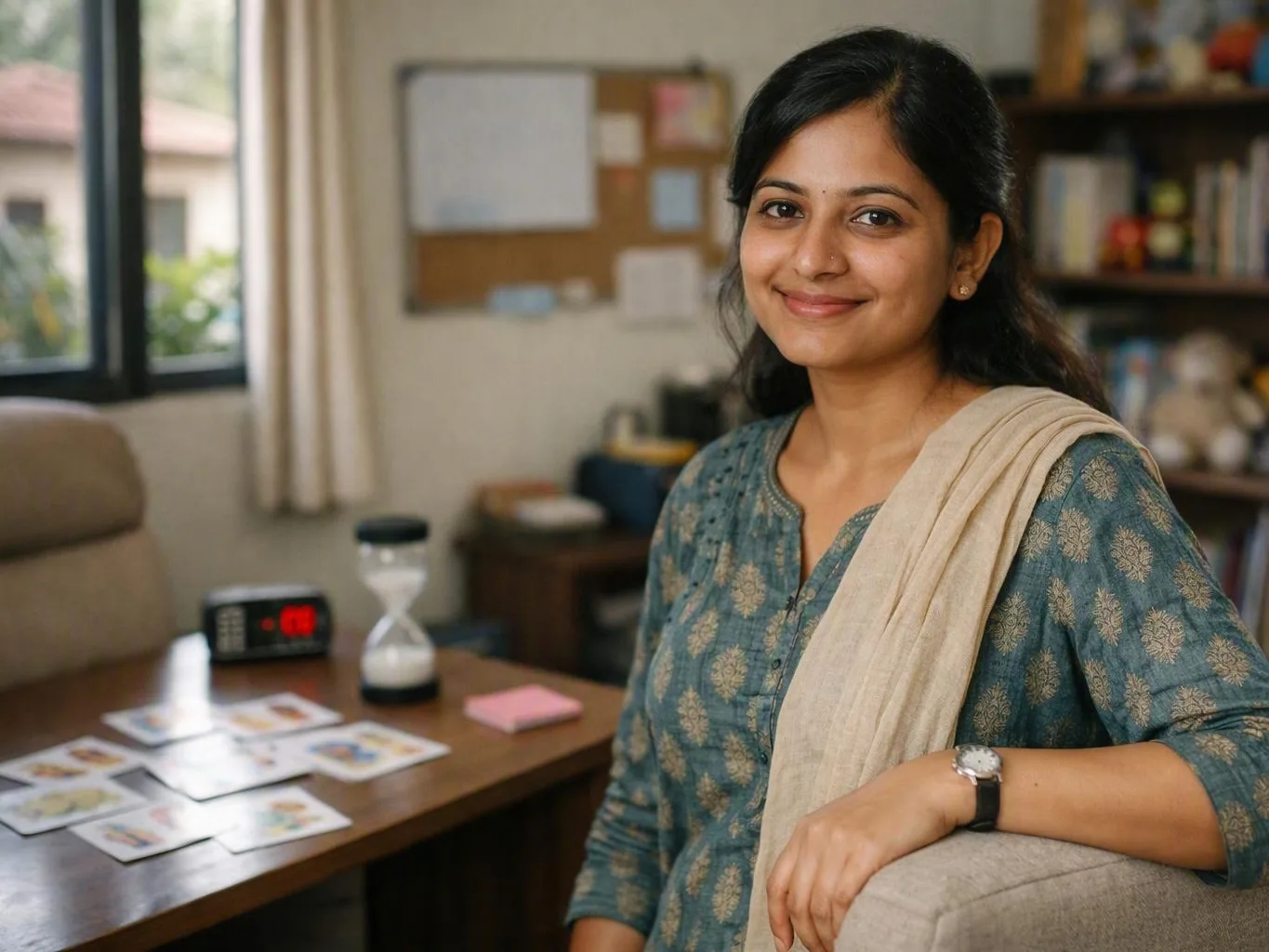
Case History and Otoscopy
A brief case history and ear check identify symptoms, prior hearing tests, and reasons to seek medical review. This sets a safe test plan.
Comfortable, accurate testing helps identify hearing thresholds before treatment choices are made. Humid monsoon weather makes careful equipment checks important during clinic visits.
Shows hearing thresholds for each ear.
Separates air-conduction and bone-conduction findings.
Supports personalised hearing aid fitting.
Creates a record for later comparison.
Helps families explain classroom hearing concerns.
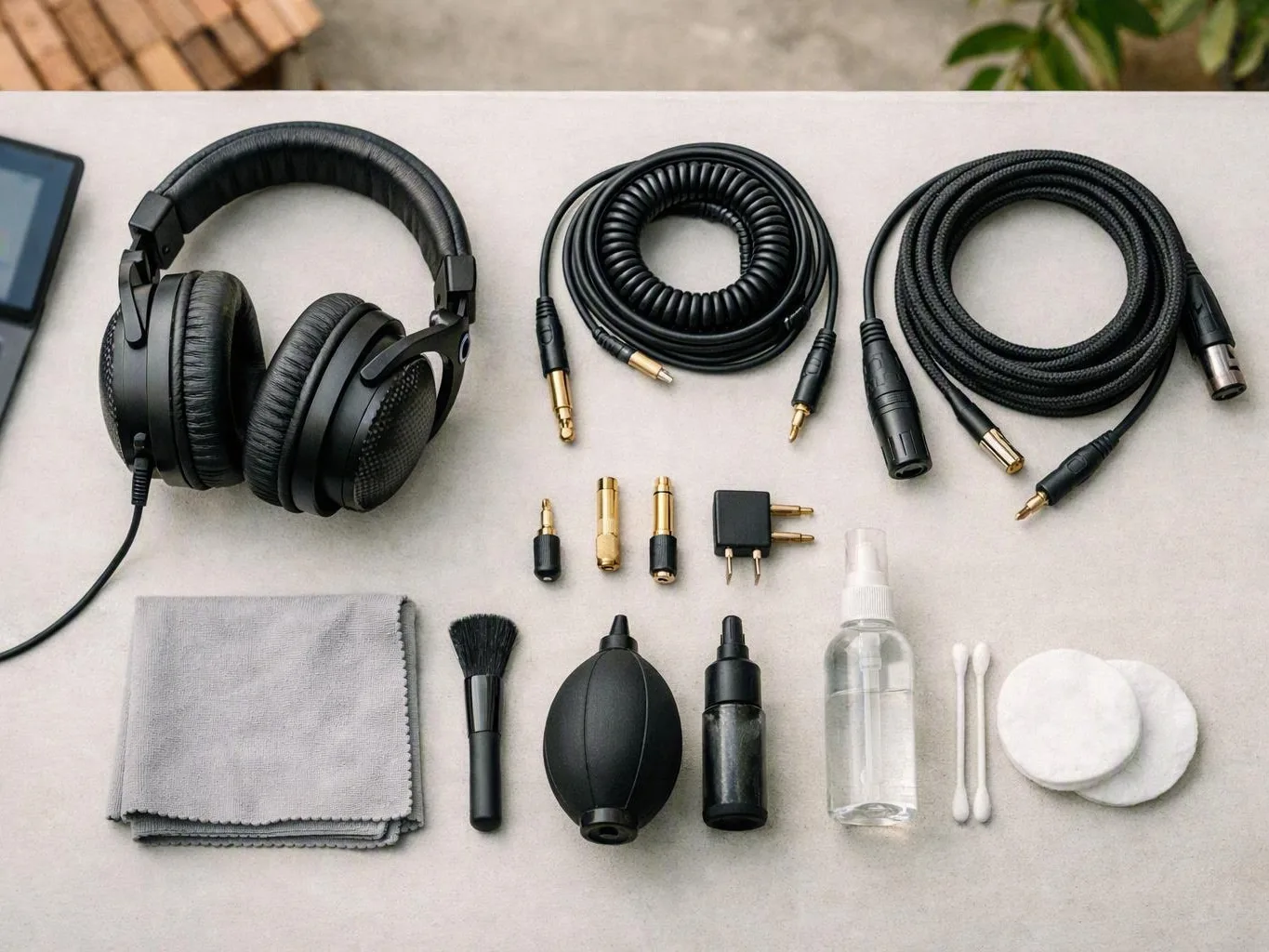
Includes practical device-care guidance for humid Bhubaneswar weather.
According to Office of the Registrar General & Census Commissioner, India (2011), India’s 2011 Census recorded 5,072,914 persons with a hearing disability, indicating a large potential population requiring hearing assessment services such as pure tone audiometry.
Source: Office of the Registrar General & Census Commissioner, India·Year: 2011
Data from World Health Organisation India (2021) shows that 63 million people in India have significant auditory impairment, indicating demand for diagnostic hearing services including pure tone audiometry.
Source: World Health Organisation India·Year: 2021
An estimated 6.3% of India’s population has hearing loss, as reported by World Health Organisation India (2021).
Source: World Health Organisation India·Year: 2021
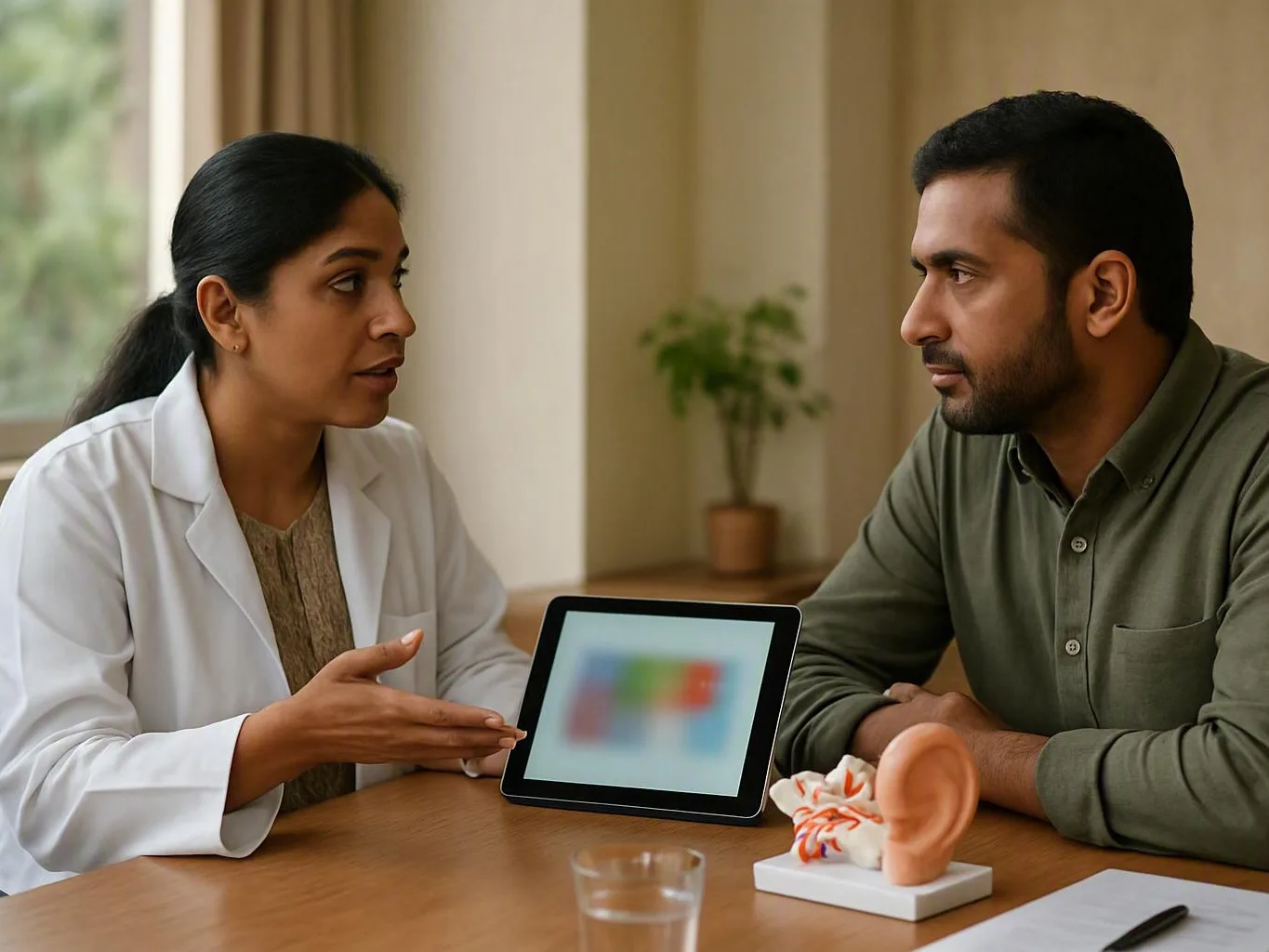
Pure Tone Audiometry is a behavioural hearing test that measures responses to tones across selected frequencies. Pure Tone Audiometry differs.tympanometry because it measures hearing responses, while tympanometry measures middle-ear movement. In Bhubaneswar, children, adults, and older people may need Pure Tone Audiometry when speech sounds become difficult to follow.
A brief case history and ear check identify symptoms, prior hearing tests, and reasons to seek medical review. This sets a safe test plan.
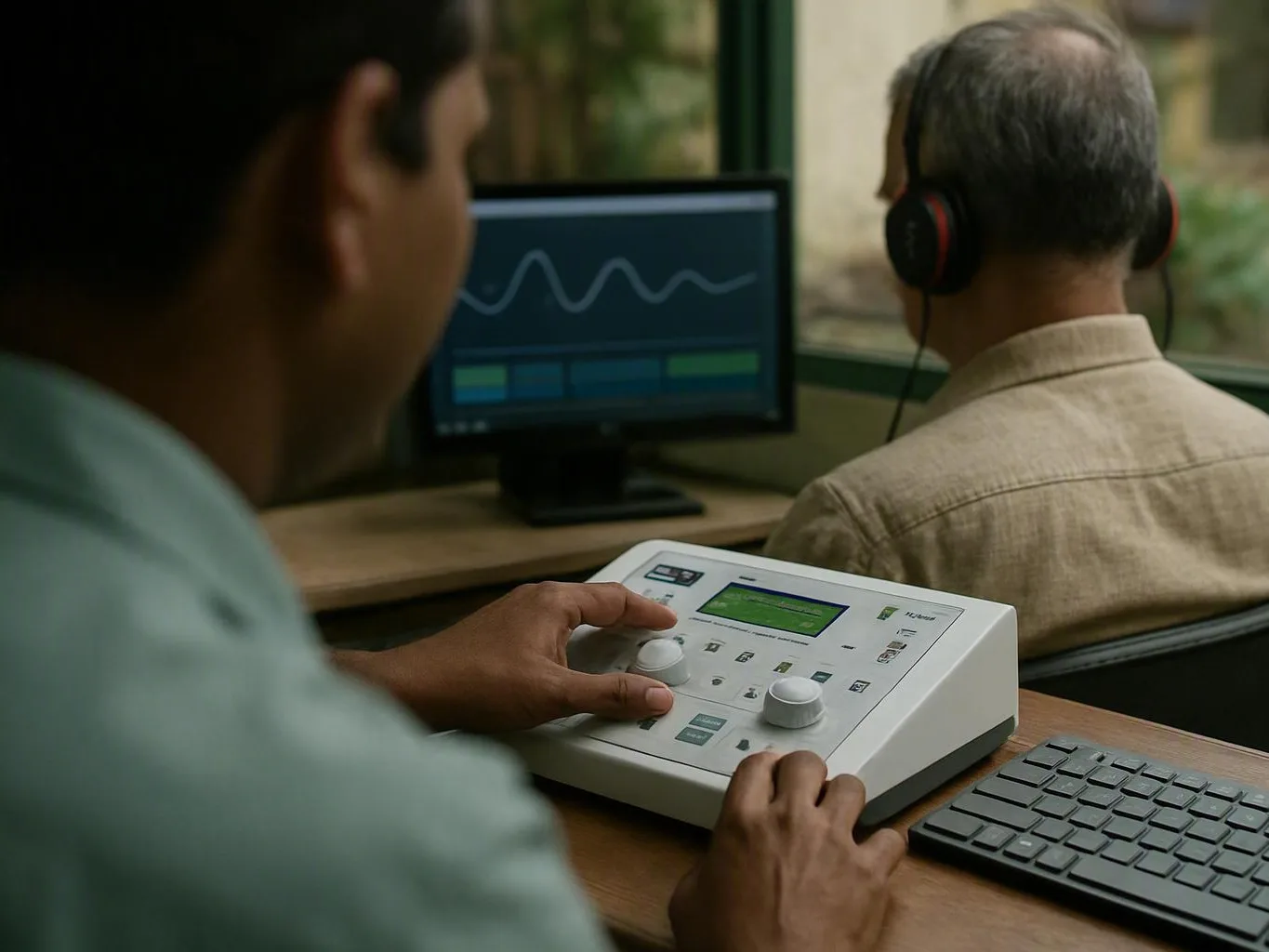
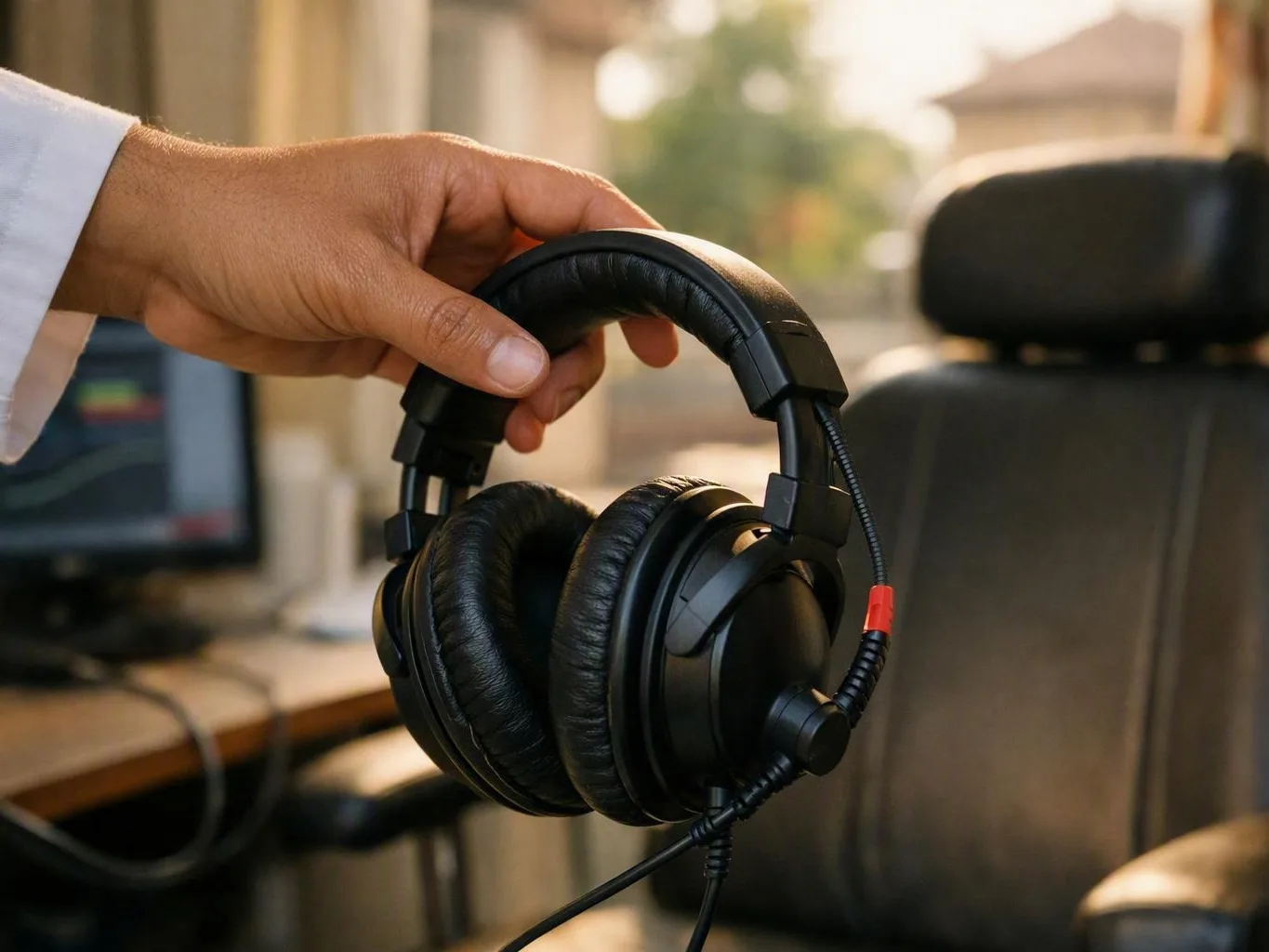
Air-conduction testing presents tones through headphones or inserts at selected frequencies. The client responds whenever a tone is heard, producing ear-specific thresholds.
Bone-conduction testing uses a bone vibrator when indicated. Comparing pathways helps distinguish conductive patterns from sensorineural patterns.
The audiogram displays thresholds by frequency and intensity. The explanation links the pattern to speech difficulty, hearing aid suitability, or further clinical review.
The clinic records results and gives practical next steps. Advice may cover hearing aid trials, follow-up checks, accessories, or referral for symptoms outside routine testing.
The cost of Pure Tone Audiometry depends on factors like scope, materials needed, and complexity. Here are typical ranges for Bhubaneswar:
Routine threshold assessment
Measures hearing responses and produces an audiogram.
Hearing and middle-ear questions
Adds middle-ear movement information when indicated.
Warning signs or unclear results
Links findings to suitable medical or hearing-care next steps.
Prices are estimates. Call for an exact quote—we always provide upfront pricing before starting work.
A few simple steps can help the hearing assessment run smoothly.
Pure Tone Audiometry usually takes a focused appointment, but the exact duration varies with age, responses, and added tests.
Children may need extra explanation or breaks, so booking time should allow a calm visit.
Earlier audiograms, relevant medical notes, and a list of recent ear symptoms can help the audiologist compare results.
Identity documents are not listed as a testing requirement in the supplied clinic information.
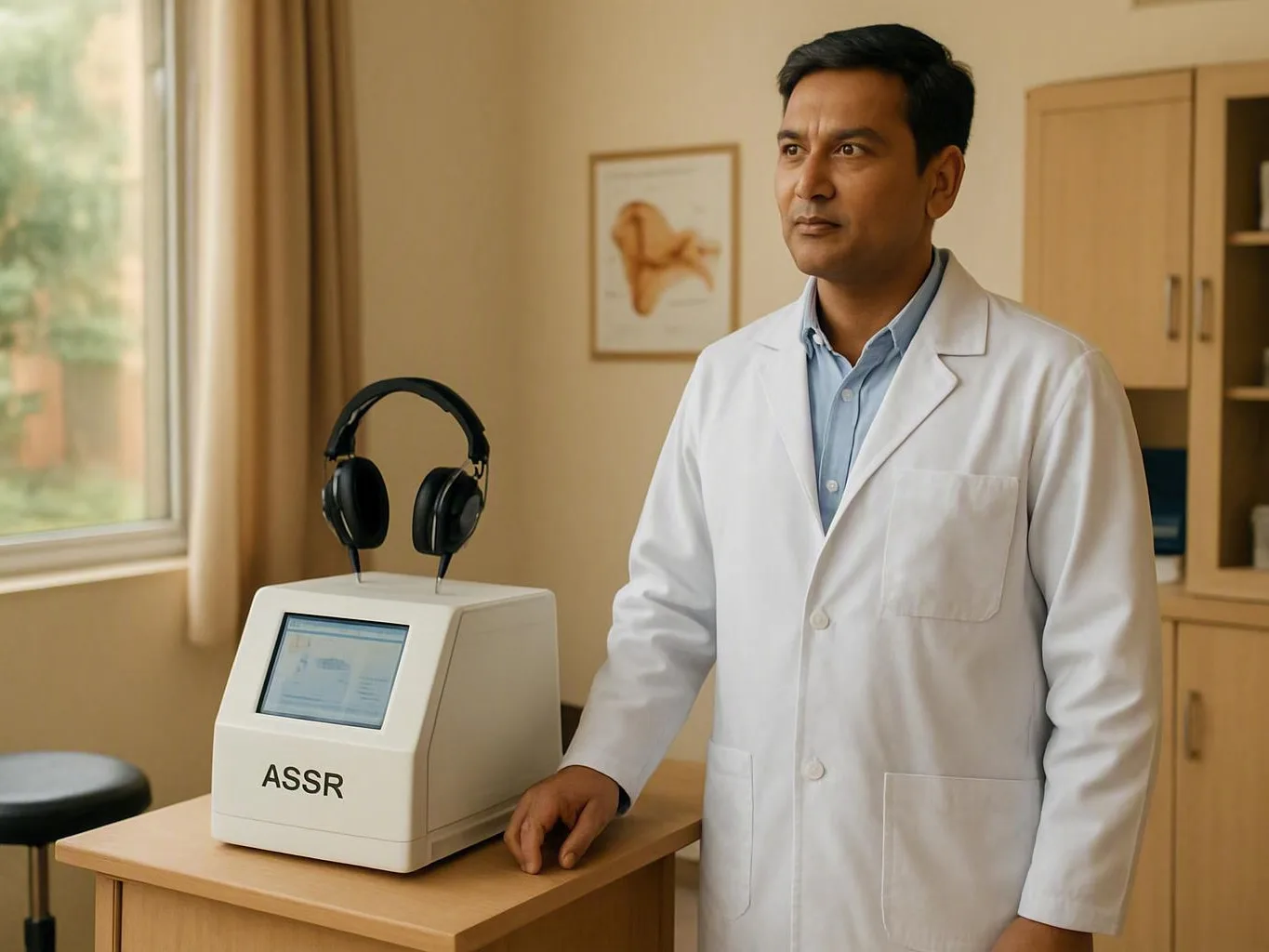
Pure Tone Audiometry measures hearing thresholds through controlled tones and produces an audiogram for each ear.
You’ll receive measured hearing thresholds and practical next steps, with advice suited to Bhubaneswar’s heat and monsoon humidity.
Call Audium Hearing Aid Clinic on 7008550109 to schedule a hearing assessment or discuss hearing aid support.
Bhubaneswar, Odisha
A family in Bhubaneswar, Odisha wants to understand the treatment path before committing to hearing care. Pure Tone Audiometry can first record each ear’s thresholds, while the consultation explains whether hearing aid fitting, ENT review, or another test is suitable. The family keeps the audiogram and receives maintenance guidance for humid weather, including safe drying and storage. A written next step helps them compare care choices without guessing from symptoms alone.
A parent in Bhubaneswar, Odisha worries that headphones may feel uncomfortable for a child. The consultation records that concern, checks suitability, and explains the tone-response task before testing begins. The stated goal is a dependable hearing picture, not a rushed device recommendation.
An older adult in Bhubaneswar, Odisha received unclear advice after a previous hearing check and now faces a family event deadline. The clinic starts with the earlier record, repeats the relevant Pure Tone Audiometry steps, and explains the audiogram in plain language. The plan sets realistic timing for referral or hearing aid fitting, rather than promising an instant result.