What is an Audiologist?
Audiologist is a healthcare expert who assesses hearing and balance, identifies hearing disorders, and supports communication through clinical care. An audiologist may perform hearing tests, interpret audiograms, recommend hearing technology, programme hearing aids, and provide rehabilitation. Audiologists also work with children and adults, and refer patients for medical assessment when needed.
Quick Facts About Audiologist
Category
Hearing and balance healthcare expert
Used for
Hearing assessment, rehabilitation, and hearing-aid care
Common confusion
An audiologist is not the same as an otolaryngologist
Also called
Hearing specialist, Doctor of Audiology
Often discussed with
Hearing Tests, Hearing Aid Fitting
Key Takeaways About Audiologist
- Audiologists assess hearing, balance, communication needs, and related ear conditions.
- They read hearing tests and explain results in clear, useful language.
- Audiologists may fit, programme, and maintain hearing aids for suitable users.
- Medical referral may be needed for pain, discharge, sudden loss, or other warning signs.
Understanding Audiologist
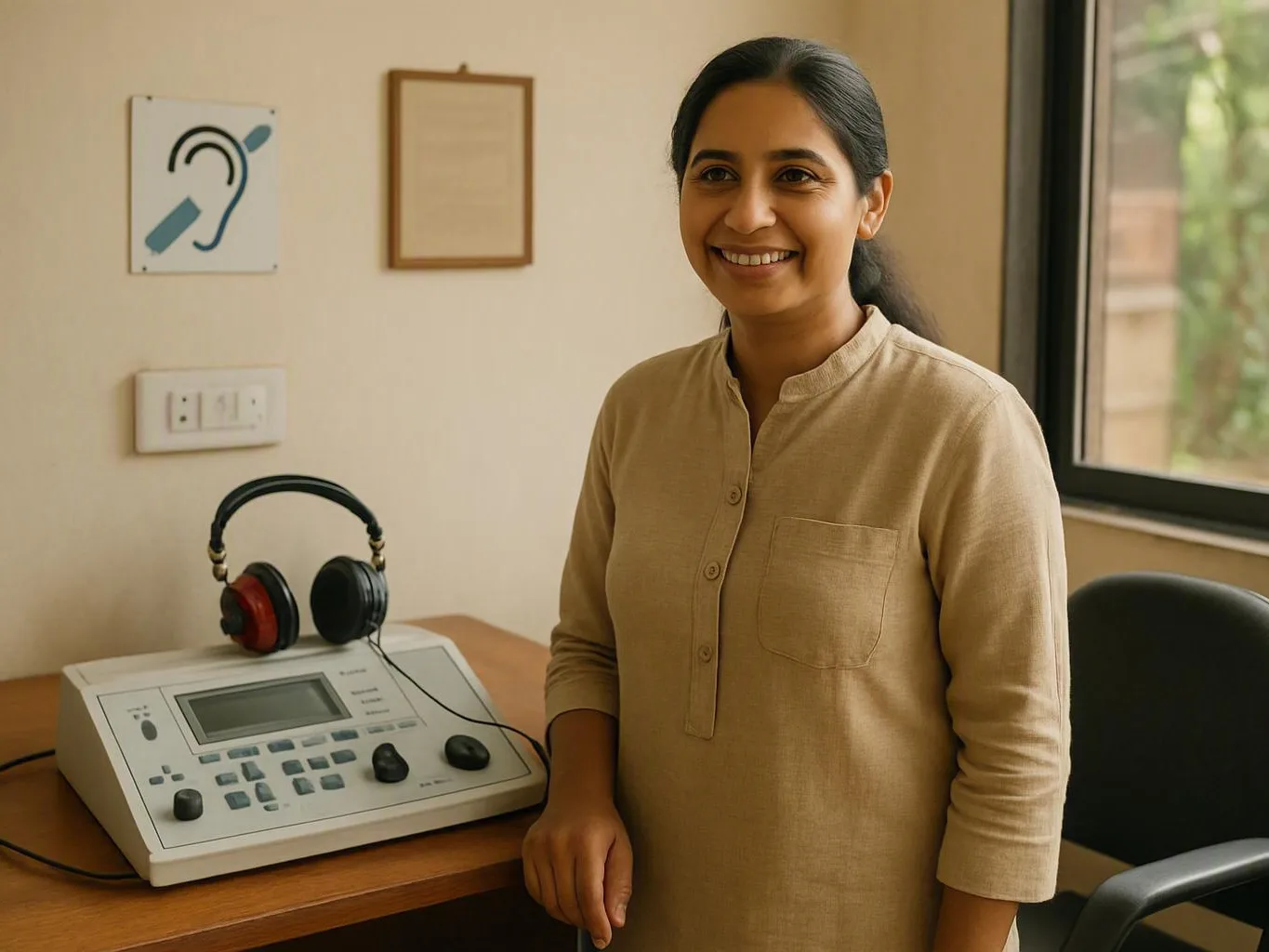
An audiologist is a healthcare expert who specialises in hearing, balance, and related communication needs. An audiologist examines how well a person detects and understands sound. They connect the findings with daily activities, medical history, and communication goals. The profession covers infants, children, adults, and older people.
Related glossary terms: Audiogram, Hearing Threshold, Speech Perception.
A clinical assessment may include pure tone audiometry, speech testing, tympanometry, and other measures of ear function. The audiologist reviews the pattern and degree of hearing loss rather than relying on one number. A person may hear tones but struggle to understand speech in noise. Speech perception and listening situations also matter.
How Audiologist Works, Is Measured, or Is Used?
An audiologist begins by taking a case history and asking about hearing difficulty, tinnitus, noise exposure, medicines, ear infections, and communication demands. The assessment can include an audiogram. Which records hearing thresholds across selected frequencies. It can also include speech perception testing. Which examines how clearly spoken words are understood. The results help distinguish conductive, sensorineural, or mixed hearing loss.
Further tests measure different parts of the hearing system. Tympanometry checks middle-ear movement and pressure. Otoacoustic emissions and auditory brainstem response testing can provide information about inner-ear or nerve responses. If hearing aids are appropriate, the audiologist considers hearing levels, ear anatomy, listening environments, handling ability, and budget. They then select and programme a device. Follow-up appointments assess comfort, audibility, speech understanding, and whether settings need adjustment.
- History and communication goals are recorded before testing.
- Hearing thresholds and speech responses are compared with everyday difficulties.
- Results guide counselling, medical referral, rehabilitation, or hearing technology.
Why Audiologist Matters?
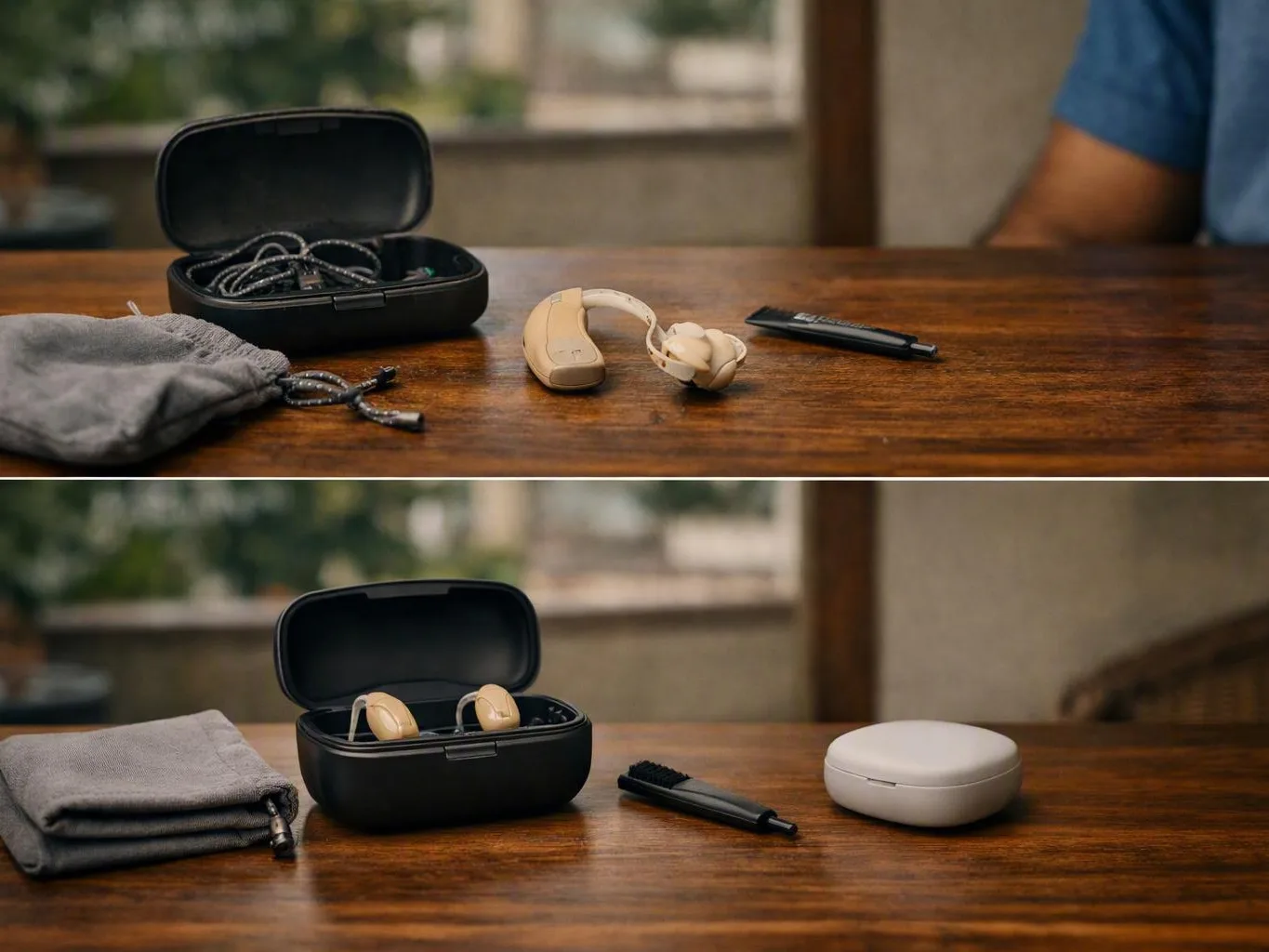
An audiologist turns test results into decisions that affect safety, learning, work, and relationships. Untreated hearing difficulty may make conversation, alarms, classroom teaching, or telephone calls harder to follow. Clear counselling helps a person understand what the results mean. It also explains what a hearing aid can and can't do, and which listening plans may help.
Clinical judgement also reduces avoidable errors. For example, a blocked ear canal can affect test results. Sudden hearing loss may need urgent medical review rather than routine device fitting. An audiologist can identify findings that require referral to an ear, nose, and throat specialist or another healthcare expert.
When Audiologist Matters Most?
An audiologist becomes especially relevant when hearing changes gradually, speech sounds unclear, or communication requires repeated requests. Assessment is also useful before choosing a hearing aid, after a device stops helping, or when feedback, discomfort, or poor battery speed continues. Children may need evaluation when speech, language, classroom listening, or developmental progress raises concern.
Prompt assessment matters for warning signs such as sudden hearing loss, one-sided symptoms, severe dizziness, ear pain, discharge, or new neurological symptoms. Hearing tests should also follow meaningful noise exposure or an occupational hearing concern. At Audium Hearing Aid Clinic in BhubaneswarOdisha, audiology work may connect hearing assessment with hearing-aid fitting, programming, and rehabilitation. It also recognises when medical referral is required.
How to Evaluate Audiologist?
- Check whether the audiologist records a full case history before selecting or interpreting tests.
- Ask which tests are recommended and how each result relates to your reported listening difficulty.
- Confirm that the report explains hearing thresholds, speech understanding, and the need for referral.
- For hearing aids, review fitting verification, follow-up timing, cleaning guidance, and programming support.
- Treat sudden loss, severe dizziness, pain, or discharge as reasons to seek prompt medical assessment.
Related Concepts Compared
Audiologist vs. Otolaryngologist
An otolaryngologist is a medical doctor who diagnoses and treats ear, nose, and throat conditions, including conditions requiring medicines or surgery. An audiologist focuses mainly on hearing, balance, testing, rehabilitation, and hearing technology.
Audiologist vs. Hearing Aid Dispenser
A hearing aid dispenser mainly assesses hearing for device selection, fits hearing aids, and provides related support where local rules permit. An audiologist usually has broader training in hearing and balance assessment, rehabilitation, and clinical referral.
Audiologist vs. Audiogram
An audiogram is a chart showing hearing thresholds obtained during an assessment. An audiologist is the expert who conducts or interprets that assessment and explains its practical meaning.
Expert Note
A hearing threshold alone does not describe every communication problem. Speech understanding, listening in noise, ear health, dexterity, vision, and daily communication needs can change the most suitable care plan.
Common Mistakes or Myths About Audiologist
- Assuming an audiologist only sells or fits hearing aids.
- Treating an audiogram as a complete description of everyday communication ability.
- Delaying medical assessment for sudden hearing loss, pain, discharge, or severe dizziness.
- Expecting a hearing aid to restore normal hearing immediately without follow-up adjustment.
Audiologist in Practice: A Real-World Example
A 67-year-old person reports hearing conversations at home but missing words in a busy market. The audiologist takes a case history, performs pure tone and speech tests, and checks middle-ear function. The audiologist explains whether hearing aids, communication plans, or medical referral are appropriate.
Sources & Further Reading on Audiologist
- American Speech-Language-Hearing Association, Audiologists
- World Health Organisation, World Report on Hearing
Related Services
Related Terms
Audiogram
Audiogram is a graph that records a person’s hearing thresholds across different pitches and loudness levels…
Hearing Threshold
Hearing Threshold is the quietest sound a person can detect at a specific frequency under defined…
Speech Perception
Speech Perception is the brain’s ability to detect, recognise, and understand spoken language from sound signals…
Sensorineural Hearing Loss
Sensorineural Hearing Loss is reduced hearing caused by damage to the cochlea, inner-ear hair cells, or…
Audium Hearing Aid Clinic
Have Questions About Audiologist?
Contact Audium Hearing Aid Clinic for practical guidance on Audiologist and related hearing aid clinic work in Bhubaneswar.