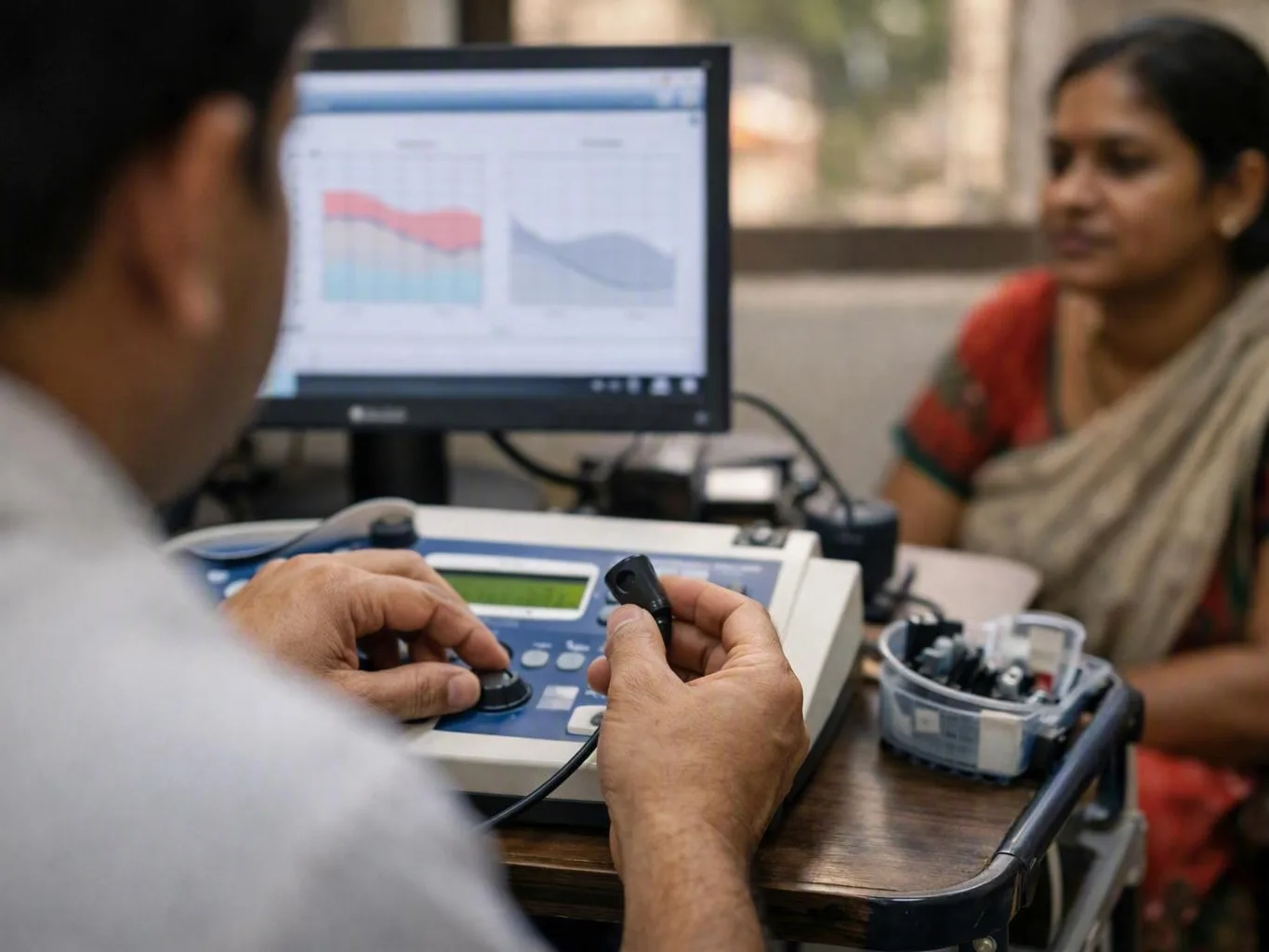
Audiogram Review
The audiogram and case history set the starting gain targets. This gives the trial a measured basis.
Try a hearing aid in real listening situations before choosing a device. Humid monsoon months make comfort, care and moisture habits especially important.
Tests comfort before a final hearing aid decision.
Checks speech access during one-to-one conversation.
Identifies feedback before it disrupts daily use.
Compares digital and rechargeable handling needs.
Accounts for humid Bhubaneswar weather during care planning.
Supports children, adults and family decision-makers.
According to IMARC Group (2025), the India hearing-aids market was valued at USD 247.93 million in 2025.
Source: IMARC Group·Year: 2025
Data from IMARC Group (2026) shows that the India hearing-aids market is projected to grow at a compound annual growth rate of 5.14% during 2026–2034.
Source: IMARC Group·Year: 2026
Of the 2.68 crore people with disabilities reported in India’s Census 2011, 19% were reported as having hearing disabilities, as reported by Press Information Bureau, Government of India (2011).
Source: Press Information Bureau, Government of India·Year: 2011
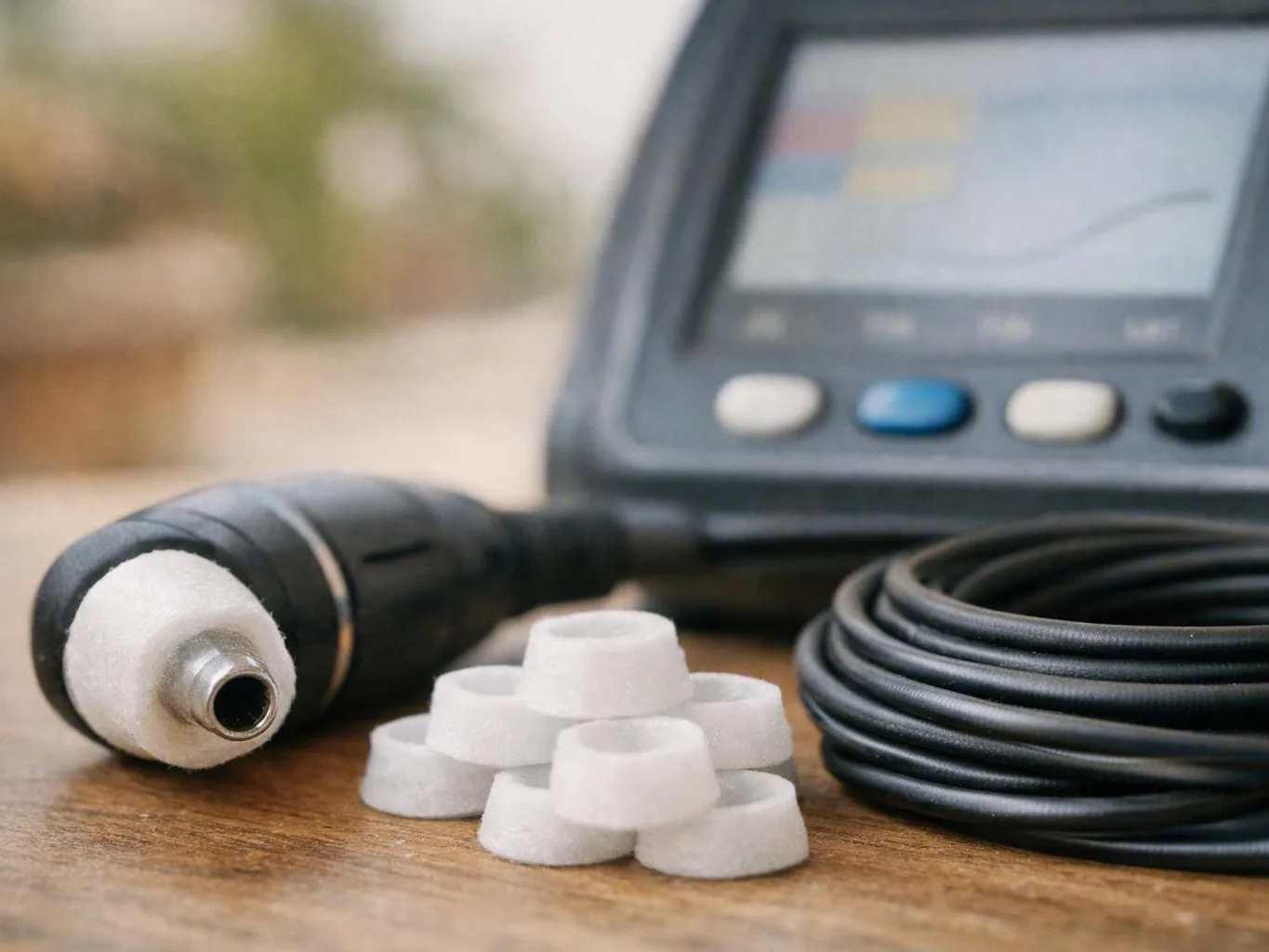
Hearing Aid Trial is a supervised device evaluation that tests hearing aid fit, sound quality and user comfort. Hearing Aid Trial differs from hearing aid fitting because it tests suitability before final device selection. In Bhubaneswar, adults and children need Hearing Aid Trial because heat and monsoon humidity affect comfort and care.
The audiogram and case history set the starting gain targets. This gives the trial a measured basis.
The hearing aid receives settings suited to the hearing profile. This separates device limits from poor programming.
The audiologist checks dome, mould, pressure and feedback. You leave with a safer fit for listening practice.
Structured speech listening tests reveal whether conversation remains usable around competing sound. This supports a practical device choice.
Listening notes guide changes to gain, programmes or fit. The final recommendation reflects comfort and daily handling.
The cost of Hearing Aid Trial depends on factors like scope, materials needed, and complexity. Here are typical ranges for Bhubaneswar:
Existing test results
Checks fit, comfort and initial sound settings.
First-time buyers
Compares handling, speech access and device features.
Changing comfort needs
Uses listening feedback to refine fit and programming.
Prices are estimates. Call for an exact quote—we always provide upfront pricing before starting work.
Bring information that helps the audiologist match the trial to daily hearing needs.
A Hearing Aid Trial appointment length depends on existing test results, device programming and listening checks.
Saheed Nagar appointments run Monday to Saturday, subject to the clinic schedule.
A sound trial follows audiogram review, electroacoustic programming, physical fit checks and speech listening.
Real-Ear Measurement may help verify output when available and clinically suitable.
Hearing Aid Trial tests whether a device suits hearing levels, comfort and daily communication needs.
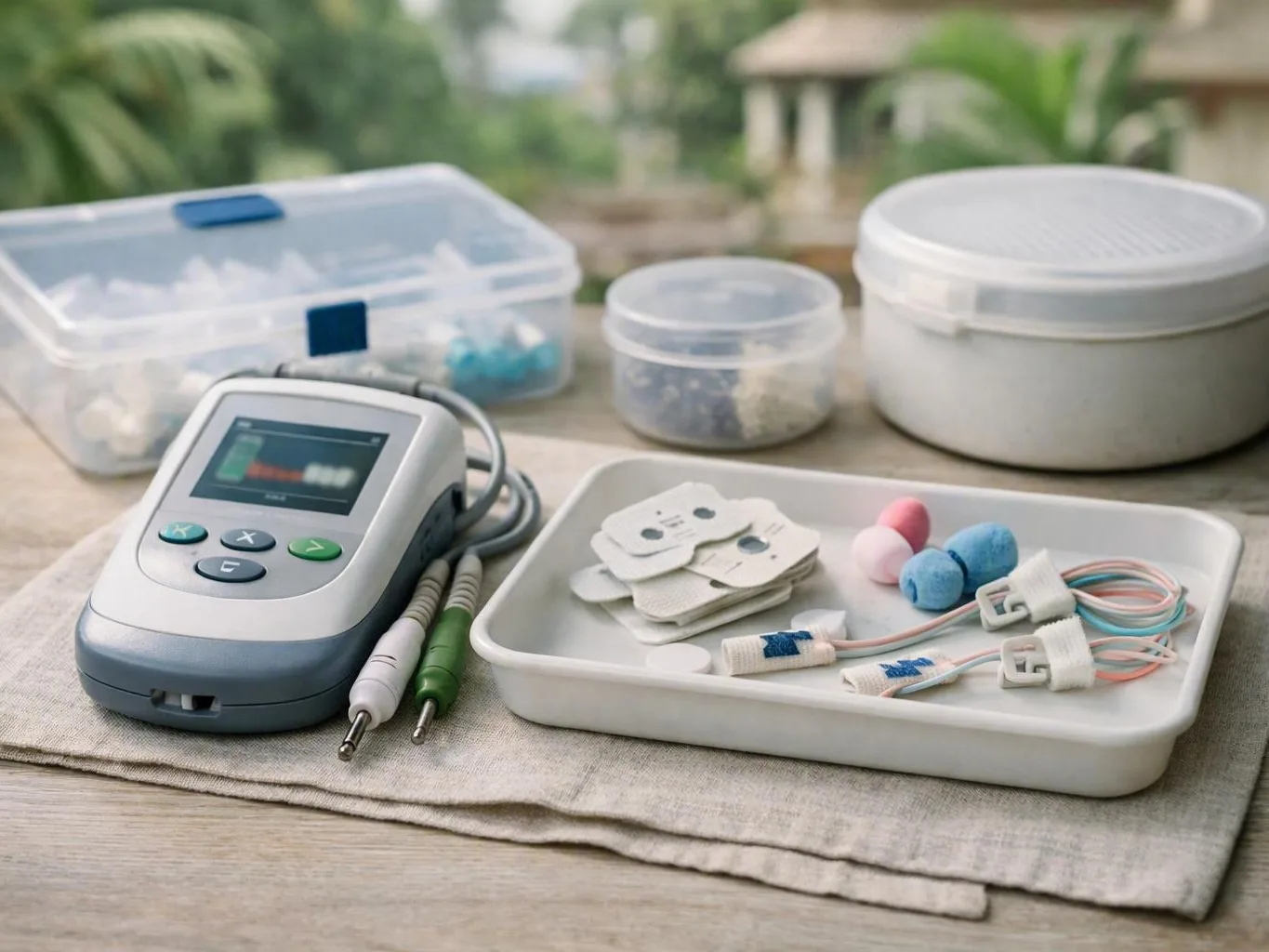
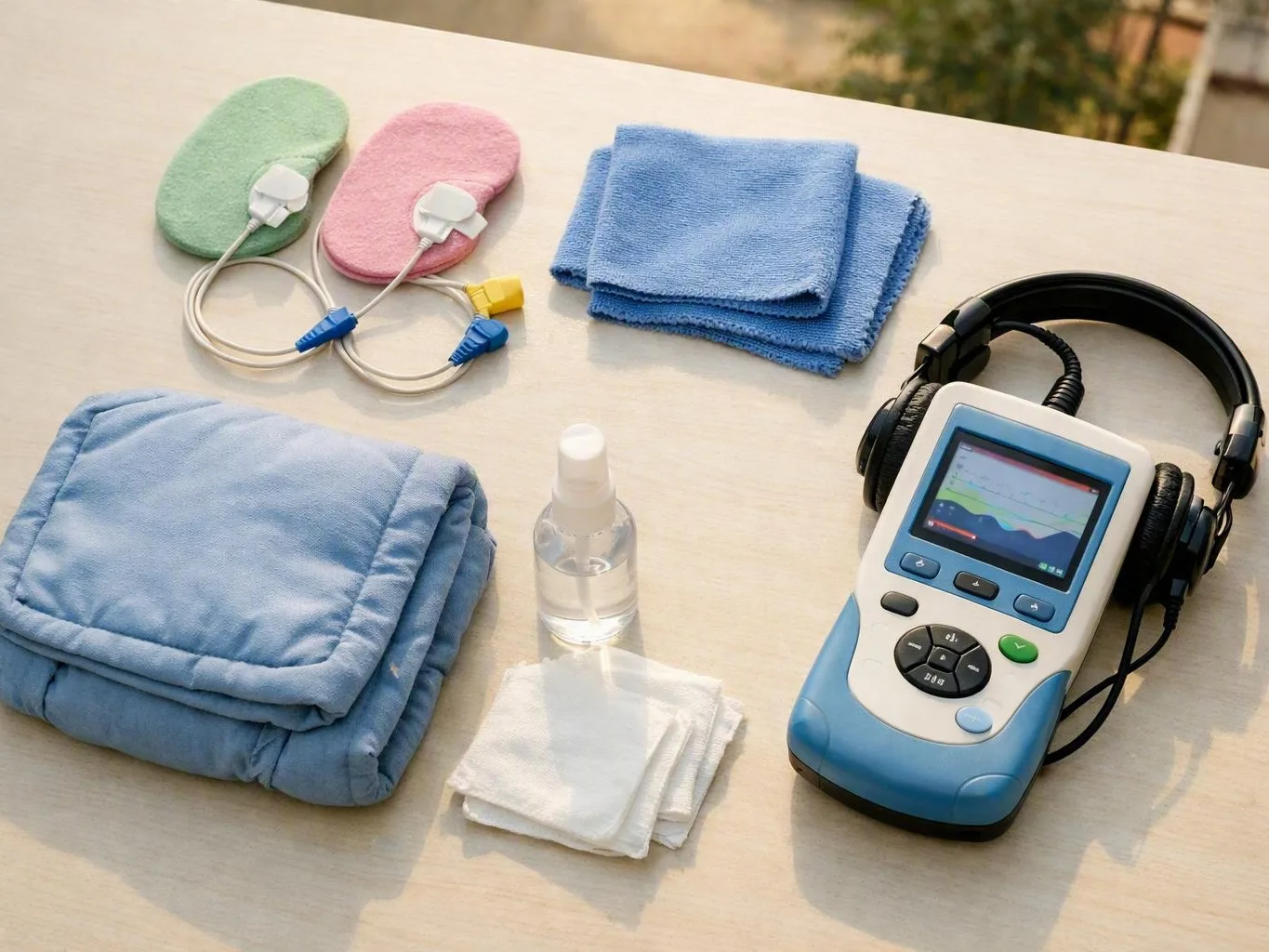
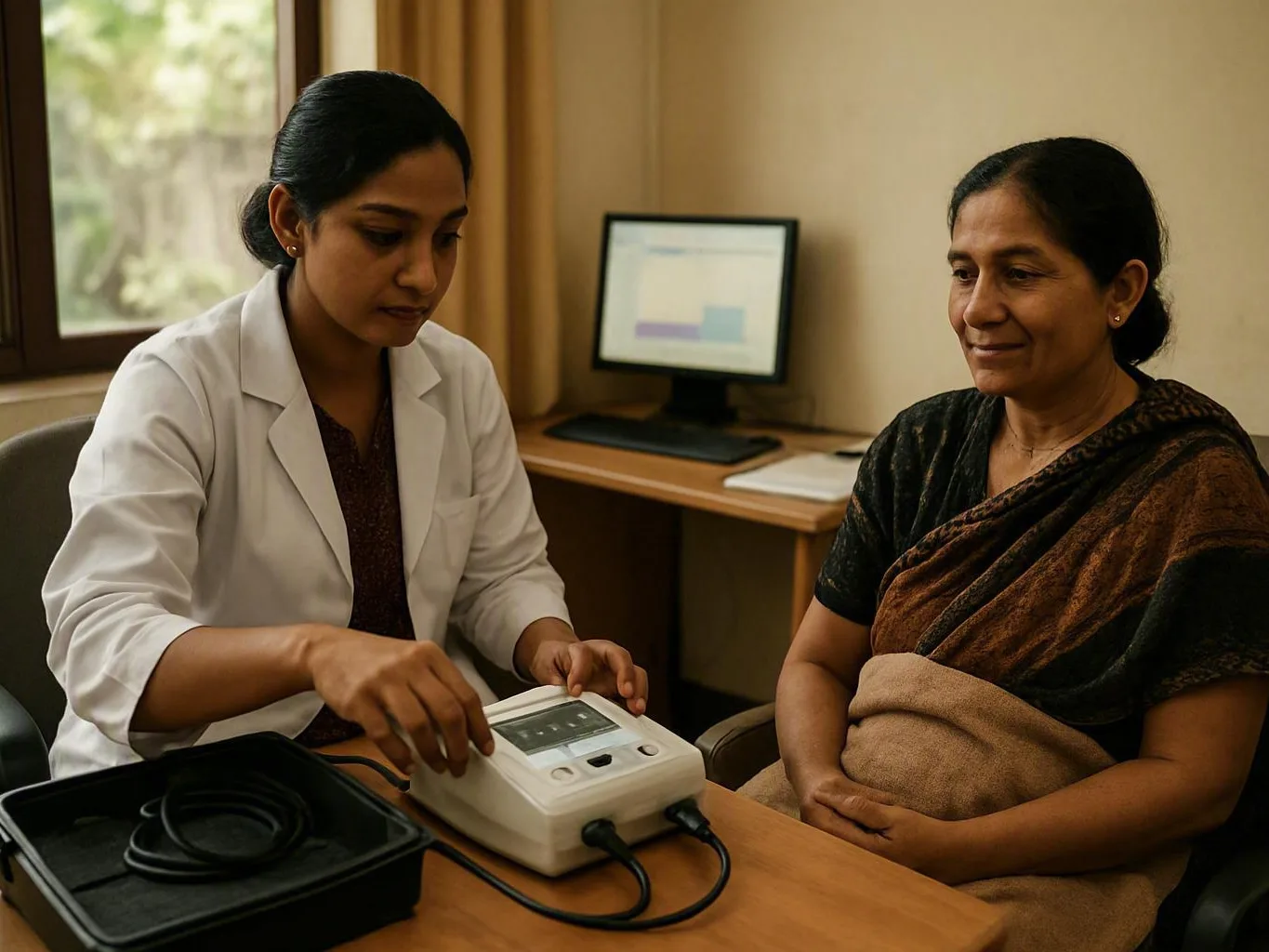
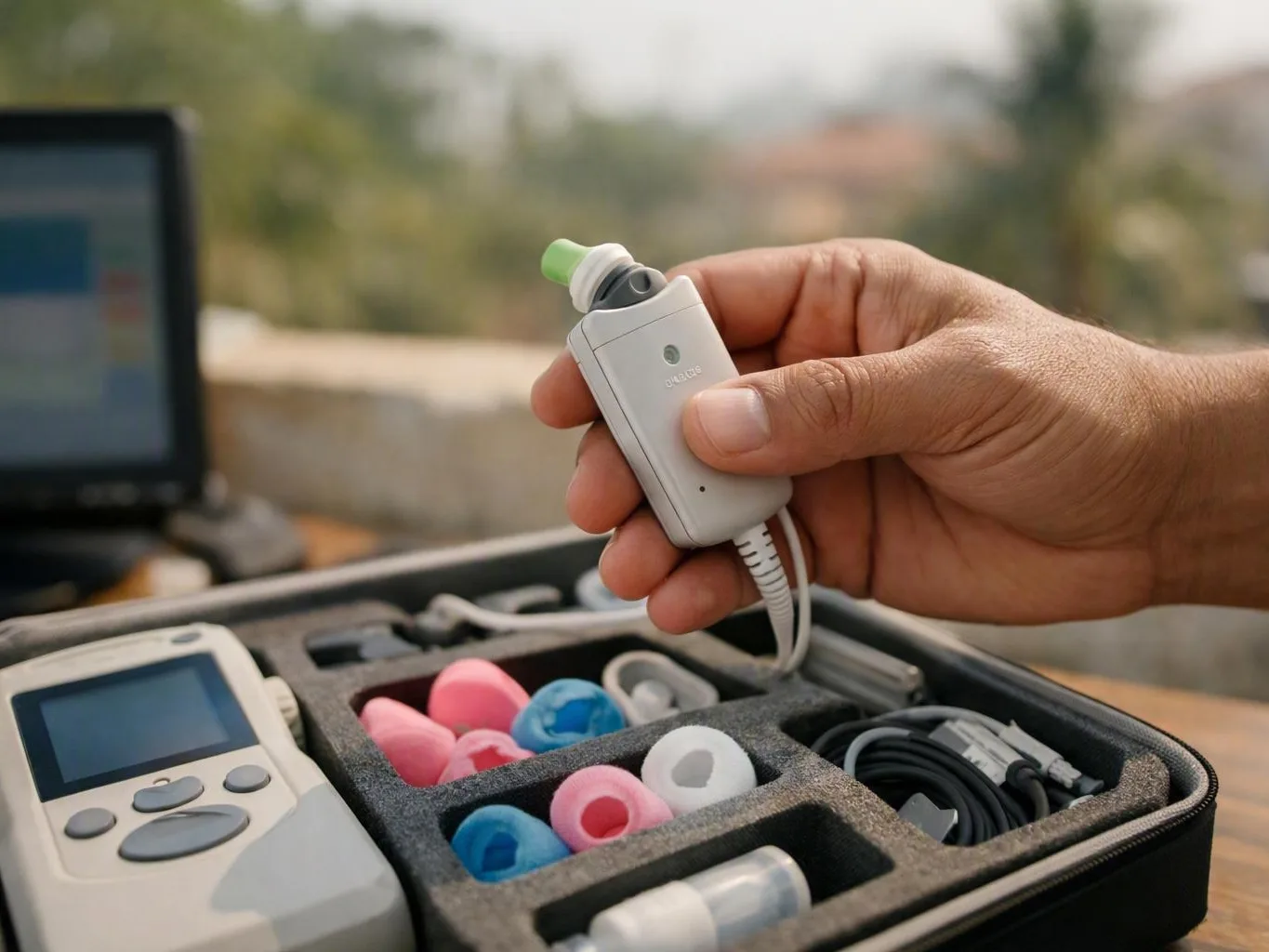
Bhubaneswar’s humid summer and monsoon conditions make a supervised Hearing Aid Trial useful for testing comfort, care and speech access.
Call Audium Hearing Aid Clinic on 7008550109 to schedule a hearing assessment or discuss hearing aid support.
Bhubaneswar, Odisha
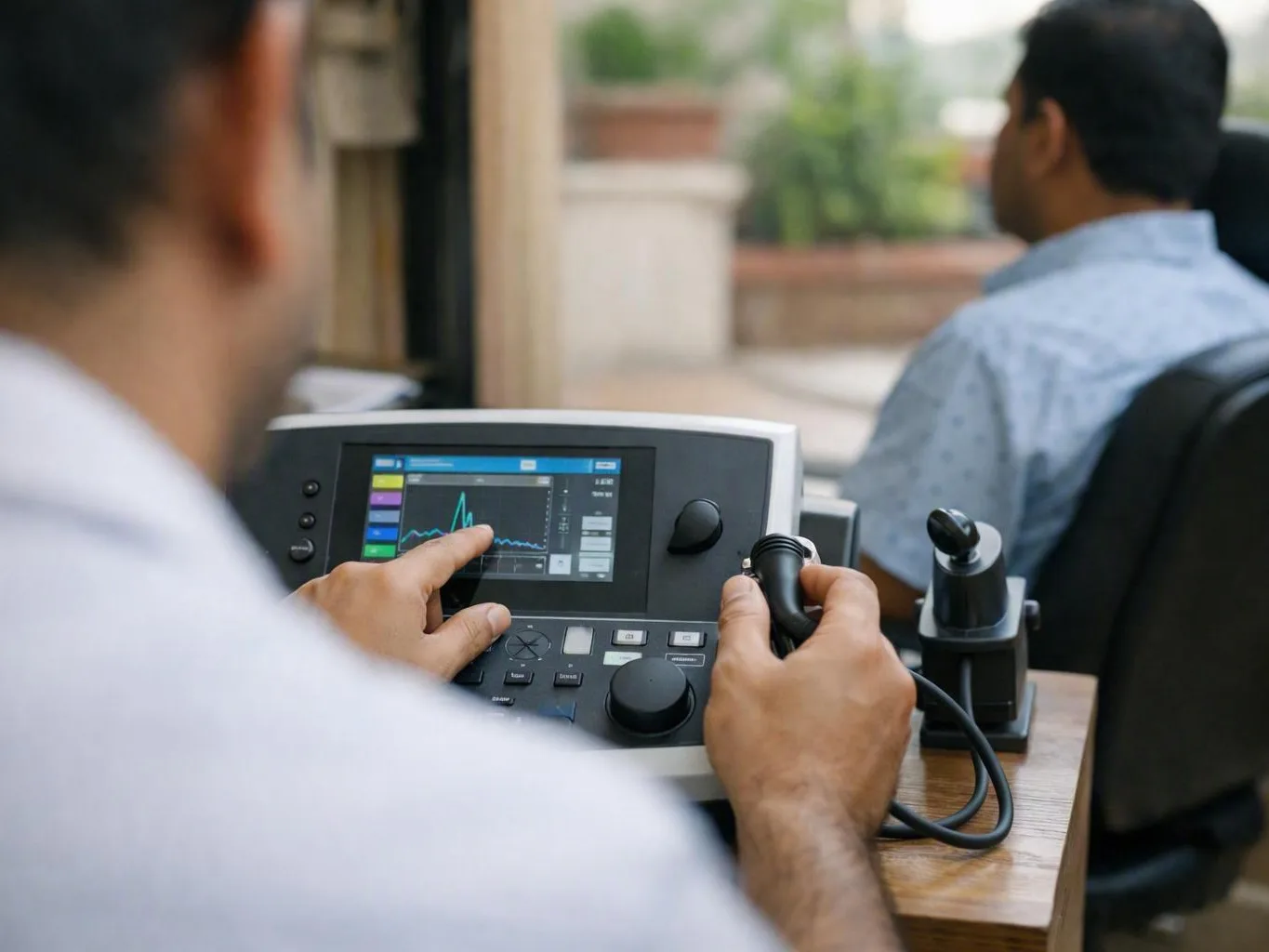
Sensitive ears can make a first trial difficult, especially when a Bhubaneswar, Odisha professional needs better speech access soon. The audiologist checks the dome or mould, loudness, feedback and wearing time before recommending longer use. A supervised plan can start with short listening periods, then add adjustments after feedback. Moisture care also matters during humid weather, so the next step is a suitability check rather than choosing a device from appearance alone.
A family in Bhubaneswar, Odisha may compare digital and rechargeable aids before committing to treatment. The consultation separates essential trial steps from optional features, then explains aftercare, charging and repair needs. This helps prevent wasted spending on a device that feels uncomfortable or stays unused.
A grandfather in Bhubaneswar, Odisha keeps asking family members to repeat themselves. The first consultation records his communication goal, reviews hearing results and checks whether a trial is suitable. The audiologist then demonstrates handling, speech listening and care routines, so the family knows what the device can and cannot address.