The Benefits of Early Hearing Loss Diagnosis and Testing
Early diagnosis of hearing loss can improve communication, safety, learning, work, and wellbeing. Hearing tests show the type and level of hearing loss. An audiologist can then suggest monitoring, rehabilitation, hearing aids, or medical care.
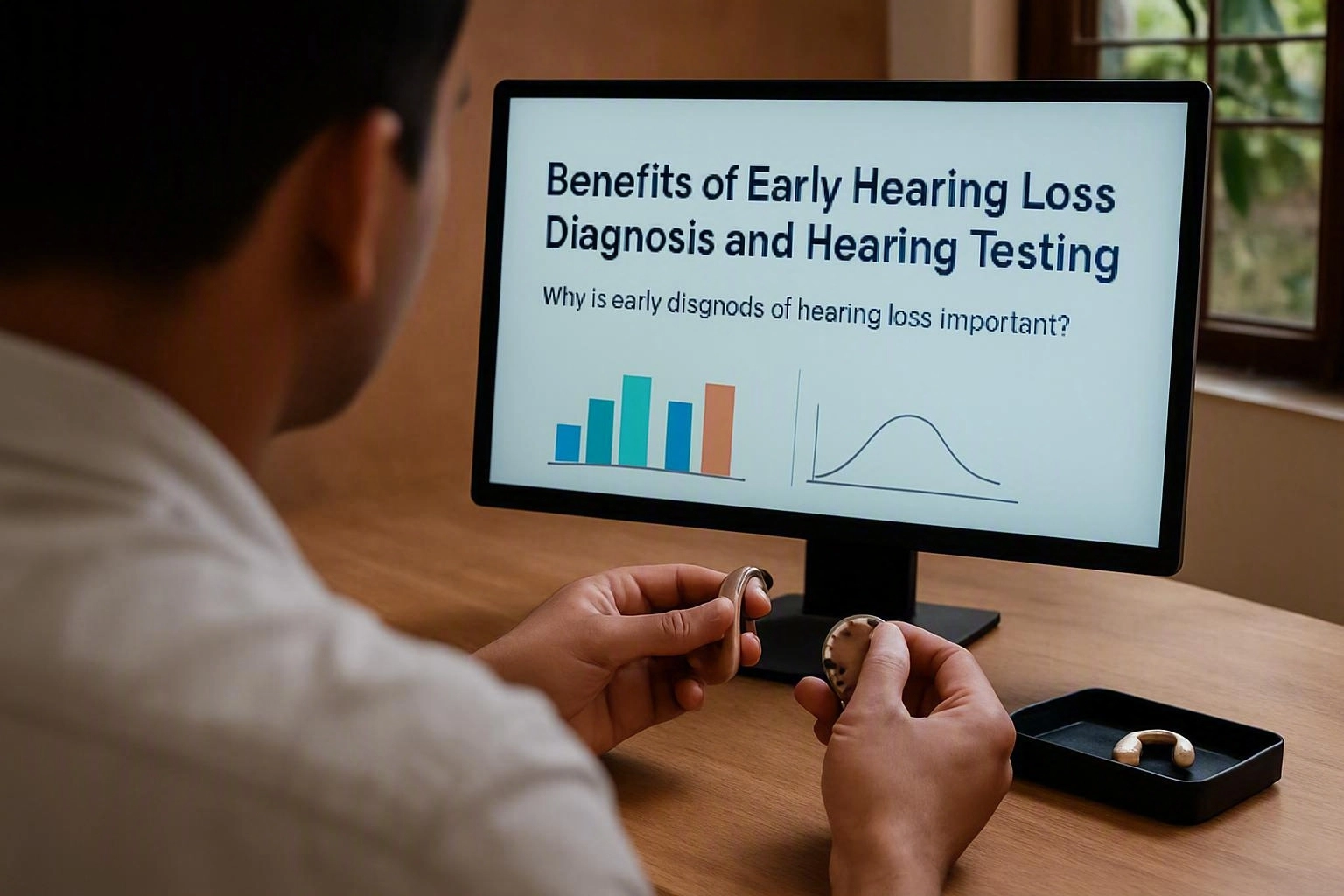
Early Hearing Loss Diagnosis supports timely care, better communication, safety, and hearing health management.
At Audium Hearing Aid Clinic, we help people understand their hearing results. We also explain the next practical steps. Care may differ for a child, working adult, older adult, or person exposed to loud sound.
People seeking Hearing Loss Diagnosis in Bhubaneswar can speak with our team and arrange a suitable assessment.
Author: Dr. Sakti Prasad Mohanty
Why Does Early Hearing Loss Diagnosis Matter?
Early hearing loss diagnosis can find changes before they affect communication, learning, work, safety, or relationships. Hearing testing measures hearing sensitivity and shows the likely type and level of loss. These results guide monitoring, treatment, rehabilitation, or medical referral.
Hearing changes often happen slowly. Many people adjust without noticing that speech sounds less clear. They may raise the volume, ask others to repeat themselves, or avoid group talks. A diagnostic assessment can identify sensorineural hearing loss, conductive hearing loss, or mixed hearing loss.
Early diagnosis gives you a clear hearing care plan. Depending on the results, an audiologist may suggest observation, hearing rehabilitation hearing aids, more tests, or medical care. This can help children, working adults, and older adults stay involved with others.
A prompt evaluation can't guarantee normal hearing. It can reduce uncertainty and help people act sooner. Communication support and treatment choices may be more useful when started early.
Earlier Diagnosis Supports Clearer Communication
Early assessment can show why speech feels hard to follow, even when some sounds remain audible. Hearing may be weaker at certain pitches. Conversations then become harder in noise or when the speaker isn't facing you.
Once the pattern is clear, an audiologist can discuss communication tips and assistive options. They can also explain whether hearing aids may help. Hearing rehabilitation may include listening practice, counselling, device guidance, and advice for family members.
For example, someone who misses words at dinner may need better lighting and less background noise. Sitting closer to others may help too. The aim isn't only to make sound louder. It is to make speech easier to understand in daily life.
Results differ based on the cause and level of hearing loss. Follow-up assessment is still important.
Early Testing Helps Protect Learning and Work Performance
Children and students may seem inattentive when they are missing classroom speech. An early hearing evaluation can show whether hearing affects listening, language access, or instructions from a distance.
For working adults, undiagnosed hearing difficulty may affect meetings, calls, training, and workplace communication. Finding the issue allows simple changes. These may include better seating, written follow-up, quieter areas, or hearing technology.
Parents, teachers, and employers shouldn't assume that someone is careless or uncooperative. Hearing should be considered first. A hearing test is one part of a wider assessment. Results should be viewed with developmental, educational, and work information.
Early support can protect confidence and help people take part without unfair labels.
Diagnosis Can Reveal Treatable or Medically Important Causes
Some hearing problems come from conditions that may be treatable. Conductive hearing loss can happen when sound is blocked in the ear canal or middle ear. Earwax, inflammation, and middle ear fluid can reduce sound transfer.
Tympanometry checks middle ear function. It measures how the eardrum responds to gentle air pressure changes. The test may show fluid, pressure problems, or reduced eardrum movement. It doesn't replace a medical examination.
Testing may also suggest sensorineural or mixed hearing loss. These patterns may need different care. An audiologist should refer you for medical assessment when symptoms, results, or history suggest a wider health issue.
Severe ear pain, discharge, sudden dizziness, or sudden hearing change needs prompt medical care. Don't wait for a standard appointment.
Testing Helps Reduce Safety and Social Risks
Reduced hearing can make warning sounds harder to notice. These include alarms, vehicles, kitchen timers, and public signals. Testing shows whether hearing is reduced at important frequencies. It also supports safer listening habits.
Telephone calls may become tiring when you can't see the speaker's face. Communication training, suitable hearing technology, and changes to the listening space may improve access.
Untreated hearing difficulty can lead to social withdrawal. It may also matter when someone reports balance concerns. Hearing tests alone can't diagnose every balance disorder. Dizziness, falls, or sudden balance changes need medical assessment.
Most hearing assessments take around 30 to 60 minutes. The time depends on the tests and the person's needs.
A Baseline Hearing Test Makes Future Changes Easier to Track
A baseline audiogram records hearing at a specific time. Later results can be compared with it. This helps identify real changes instead of relying on memory.
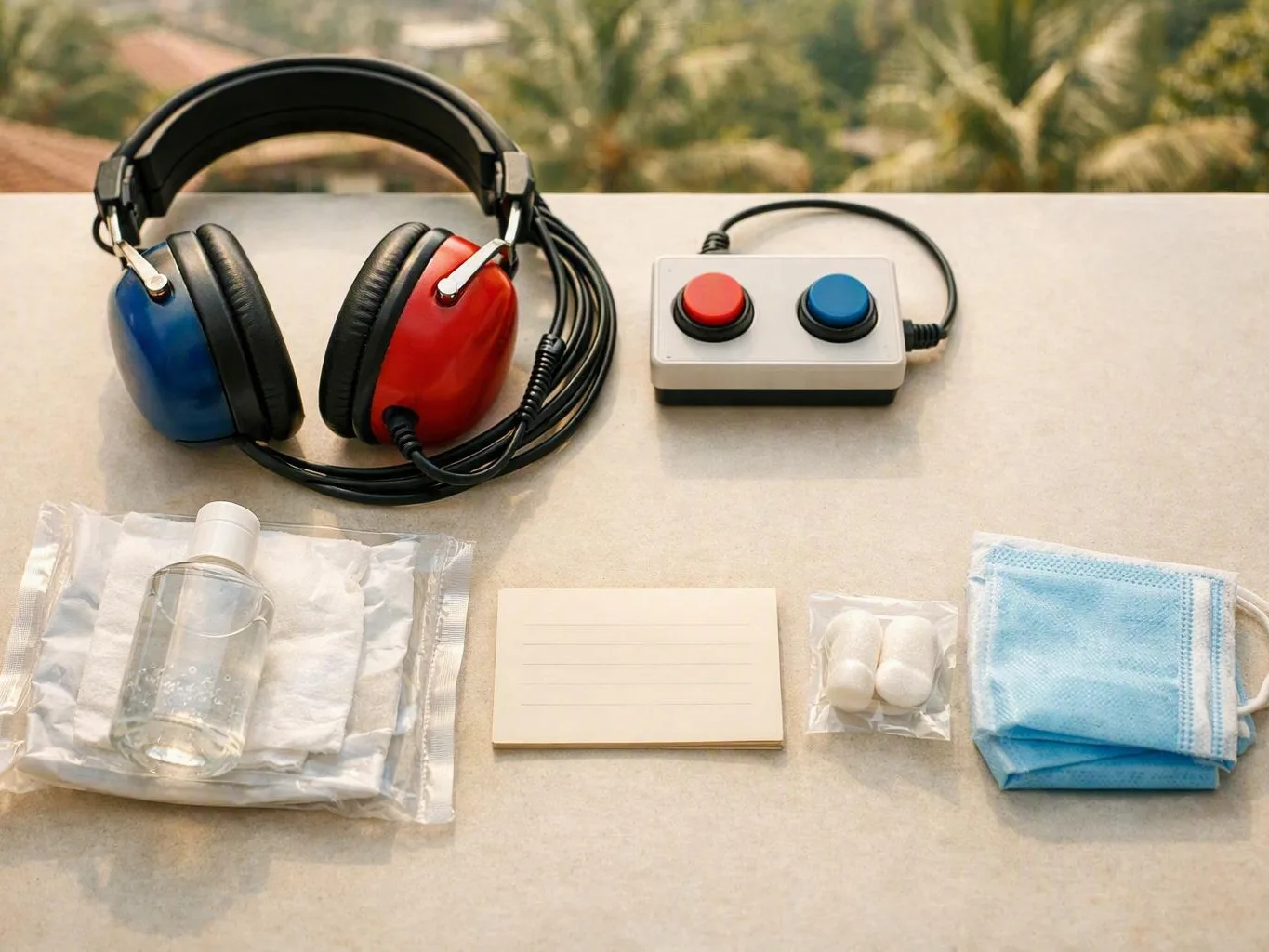
Pure tone audiometry measures responses to tones through headphones or other transducers. It shows the quietest sounds a person can hear at selected frequencies. Repeat testing under similar conditions helps track age-related changes and noise effects.
A baseline helps even when symptoms are mild. It gives the audiologist a useful reference for future checks. Testing is only one clinical tool. Symptoms and medical history also matter.
What Can Improve After Hearing Loss Is Identified?
Hearing tests provide a reliable starting point for care. Results depend on the cause, duration, and level of hearing loss. Later tests can show changes in hearing thresholds, speech understanding, listening effort, and response to care.
The table below lists areas that may improve with suitable support. These outcomes aren't guaranteed. Some people need hearing rehabilitation, while others need ear treatment, hearing aids, communication changes, or medical referral.
| Area assessed | Typical starting concern | What follow-up may show |
|---|---|---|
| Communication ability | Missing words in conversation | Better speech access with suitable support |
| Hearing threshold | Reduced sensitivity at selected pitches | Stable or changed thresholds on repeat testing |
| Listening effort | Fatigue in noise or groups | Improved strategies, access, or device benefit |
| Middle ear function | Blocked or fluctuating hearing | Improvement after appropriate clinical care |
Follow-up testing helps when symptoms continue or noise exposure is regular. It can also help people with family hearing history or hearing technology plans. Our team explains each result in everyday language. A single number doesn't tell the whole story.
Which Hearing Tests Help Find the Cause?
Pure tone audiometry, tympanometry, and otoacoustic emissions testing answer different questions. Together, they help an audiologist assess hearing sensitivity, air conduction, bone conduction, middle ear function, and cochlear function. The results guide monitoring, hearing rehabilitation, hearing aids, or medical referral.
No single test answers every clinical question. Results are most useful when objective and behavioural tests are read together. This matters especially for children, older adults, and people exposed to loud sound.
When Should You Arrange a Hearing Assessment?
A hearing assessment can help when conversations become difficult, sounds seem muffled, tinnitus continues, or one ear hears differently. It can also help after loud noise exposure. Sudden hearing loss, severe dizziness, discharge, or major ear pain needs prompt medical attention.
Arrange an evaluation if you often ask people to repeat themselves. Other signs include raised television volume, difficulty in restaurants, and tiring phone calls. Children need assessment when they respond inconsistently to sound or have delayed speech.
Working adults and musicians may need regular checks if noise is part of daily life. Family history can also support early testing. Older adults shouldn't dismiss gradual hearing changes as a normal part of ageing.
Screening can identify a concern, but it may not explain the cause. It also can't rule out urgent illness. Sudden hearing loss, acute dizziness, severe ear pain, or discharge needs prompt medical assessment. Don't delay care while waiting for routine screening.
Questions About Hearing Aid Clinic
Why Is Early Diagnosis of Hearing Loss Important?
It identifies changes before they affect communication, learning, work, safety, and relationships. Early results help an audiologist recommend monitoring, treatment, rehabilitation, hearing aids, or medical referral.
What Are the Benefits of Getting a Hearing Test Early?
Early testing provides a baseline and clarifies the type and level of hearing loss. It supports clearer communication and may reveal treatable ear conditions. It also makes future changes easier to monitor.
How Do I Know if I Need a Hearing Test?
Consider testing if conversations are difficult, sounds seem muffled, tinnitus continues, or one ear differs from the other. Noise exposure may also affect hearing. Children, older adults, and people with family history may benefit from testing.
Can Hearing Loss Be Treated if It Is Found Early?
Some causes, such as earwax or middle ear problems, may be treatable. Other types may need hearing aids, communication strategies, rehabilitation, or monitoring. Sudden changes need prompt medical assessment.
What Happens During a Hearing Loss Assessment?
The audiologist discusses your history and concerns and checks the ears when suitable. They may perform pure tone audiometry, speech testing, tympanometry, or otoacoustic emissions testing. Results are explained with practical next steps.
Is Hearing Loss Always Permanent?
No. Hearing loss may be temporary, changing, or permanent, depending on its cause. Testing can show conductive, sensorineural, or mixed patterns. A medical professional may still need to investigate the cause.
Understanding your results is the first step towards a suitable hearing plan. Arrange an assessment if you have concerns. Discuss whether monitoring, hearing rehabilitation, hearing aids, or medical review may help.
Contact our team about a hearing assessment
Get a Free Estimate