Senior Hearing Care: Choosing the Right Hearing Aid Clinic
Audium Hearing Aid Clinic helps seniors manage hearing loss through diagnosis, advice, fitting and aftercare. We provide digital hearing aids and rechargeable hearing aids. A senior-focused clinic should check hearing, communication needs, hand control, lifestyle, medical history and budget before suggesting a device. Clinicians explain the controls and help family members learn daily care. They can programme the device, improve its fit and arrange follow-up adjustments. Seniors should seek professional advice instead of buying an unsuitable device without guidance. This is especially important when hearing loss is sudden, affects one ear or comes with pain, dizziness or discharge. Regular care helps protect comfort, speech understanding and device performance.
How a Hearing Aid Clinic Supports Seniors?
Senior hearing care includes hearing tests, device advice and ongoing support. A Hearing Aid Clinic helps older adults understand their hearing loss and compare suitable devices. Staff also teach safe use and provide adjustments after fitting. Good care considers speech understanding, hand control, eyesight, lifestyle, comfort and family support.
Our team starts by discussing everyday communication needs. These may include family conversations, telephone calls or busy places with background noise. Hearing Loss Diagnosis helps show whether changes may relate to ageing or need medical attention. The assessment also considers memory, eyesight and hand movement. Small controls or complex charging steps may not suit every person.
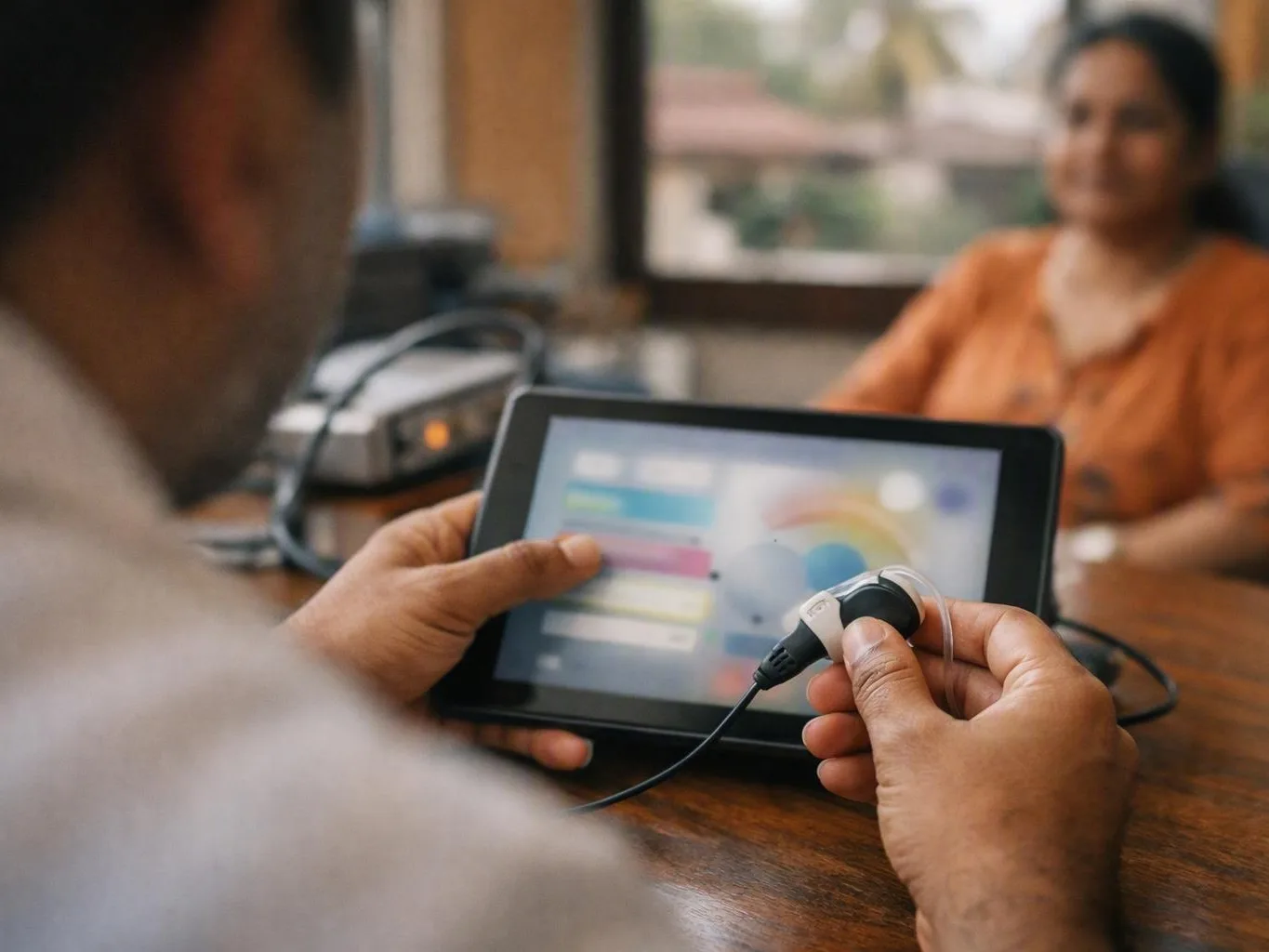
During a Hearing Aid Consultation, we explain each option in plain language. A family caregiver can attend and learn insertion, removal, cleaning and charging. We can programme the device and make its fit more comfortable. Follow-up visits help us check progress and solve new problems. This makes the service more than a place to buy equipment.
Hearing Loss Diagnosis in Bhubaneswarcan form part of a wider care plan. It may help when an older adult or family member has concerns about communication. Most first appointments take.45 and 90 minutes. The time depends on the medical history, ear check and tests needed.
Why Seniors May Benefit from Professional Hearing Care?
Seniors can benefit from professional hearing care because untreated hearing loss makes daily listening harder. Conversations, telephone calls and warning sounds may become difficult. A clinician can identify the type and level of hearing loss. They can then suggest suitable technology and provide communication advice.
Age-related hearing loss often develops slowly. A person may adjust without noticing how much effort listening takes. A structured hearing assessment gives the family a clearer starting point. It also supports safer and more confident decisions.
Professional guidance helps when vision, hand control or memory makes technology difficult. Our team can repeat each step and include a caregiver in training. Seniors can still choose what feels comfortable and suits their routine.
What Happens During a Senior Hearing Assessment?
A senior hearing assessment usually includes a medical history, ear examination and hearing tests. These tests measure responses to different tones and speech. The clinician uses the results to discuss hearing aid suitability and next steps. Sudden or unusual hearing changes may need an ENT specialist’s advice.
The case history covers when symptoms began and how they have changed. It also covers medicines, past ear problems, noise exposure and listening settings. The clinician asks about dizziness, pain and discharge. Otoscopy checks the ear canal and eardrum for wax, inflammation or other findings.
Pure-tone audiometry measures hearing at different pitches and creates an audiogram. Speech testing checks how well a person understands speech. It does more than measure the ability to hear a tone. Together, these results guide counselling, device choice and hearing aid programming.
Sudden hearing changes need prompt medical advice. The same applies when one ear hears very differently from the other. Pain, discharge or balance problems also need attention. Self-purchasing a device is not the right first step in these cases.
Questions Seniors Should Ask Before Choosing a Hearing Aid
Ask whether a hearing aid trial is available and what it includes. Check how many follow-up appointments are usually advised. Ask how programming changes, repairs and maintenance support are handled.
Also ask about the warranty, charging system and replacement parts. Find out about ear moulds, receivers, cleaning and safe storage. Seniors should know what to do if the device feels uncomfortable or sounds sharp. Written instructions and caregiver training can make the change easier.
Which Hearing Aid Features Matter Most to Older Adults?
The best hearing aid features depend on hearing needs, hand control, eyesight and daily routine. They also depend on where the person usually listens. Digital processing, rechargeable power, simple controls and noise reduction may help. A clinician should match features to the senior, not choose them by specifications alone.
Our team checks whether the person can handle small parts and see indicator lights. We also ask whether they can follow a daily charging routine. Simple operation may matter more than having every available feature. This is especially true when a caregiver helps with charging or maintenance.
Older adults may need time to feel confident with a device. Small controls, background noise and charging can cause problems. Inserting the device and remembering maintenance may also take practice. A gradual plan and caregiver support can make this easier.
Digital and Rechargeable Hearing Aids Compared
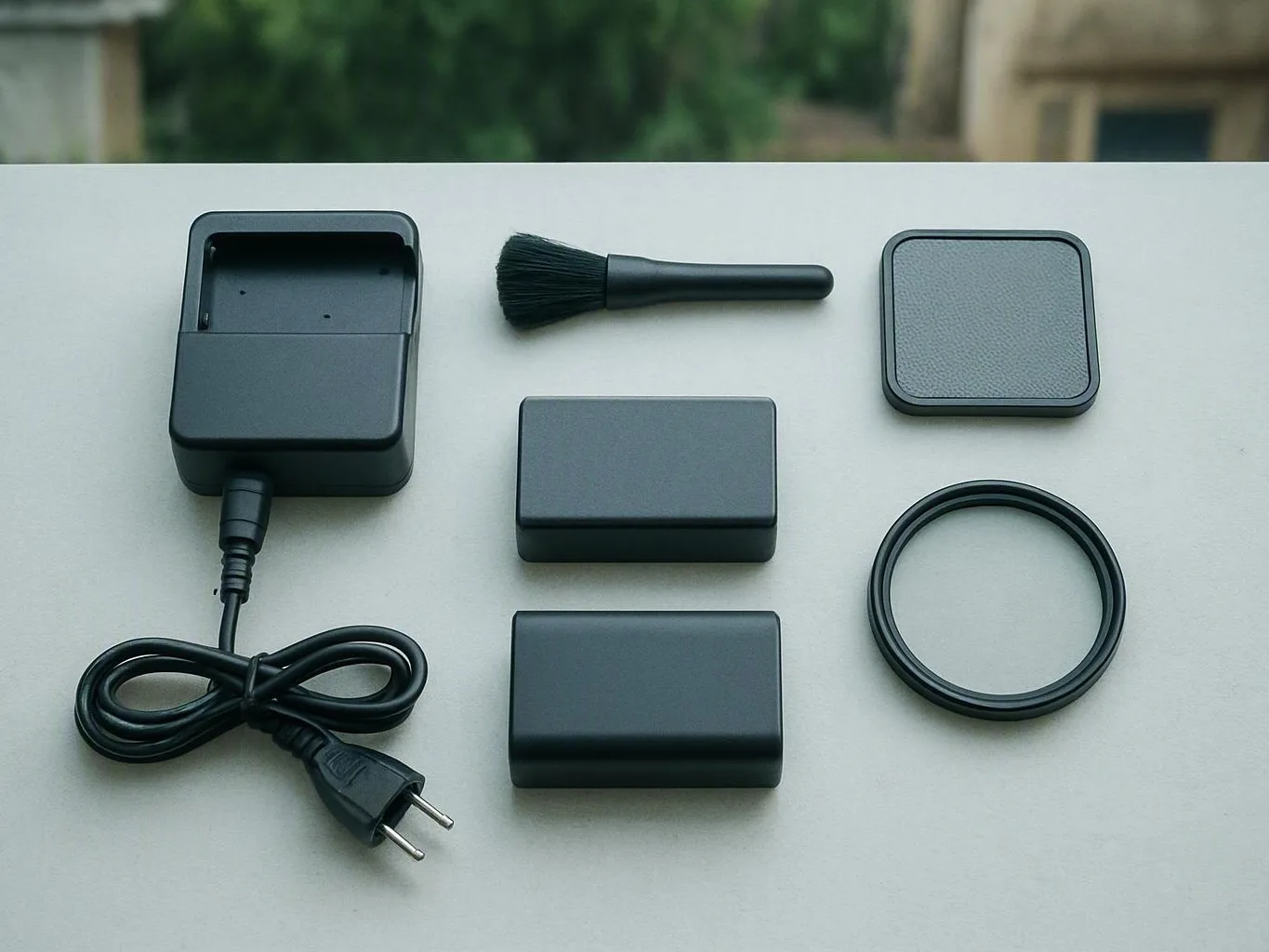
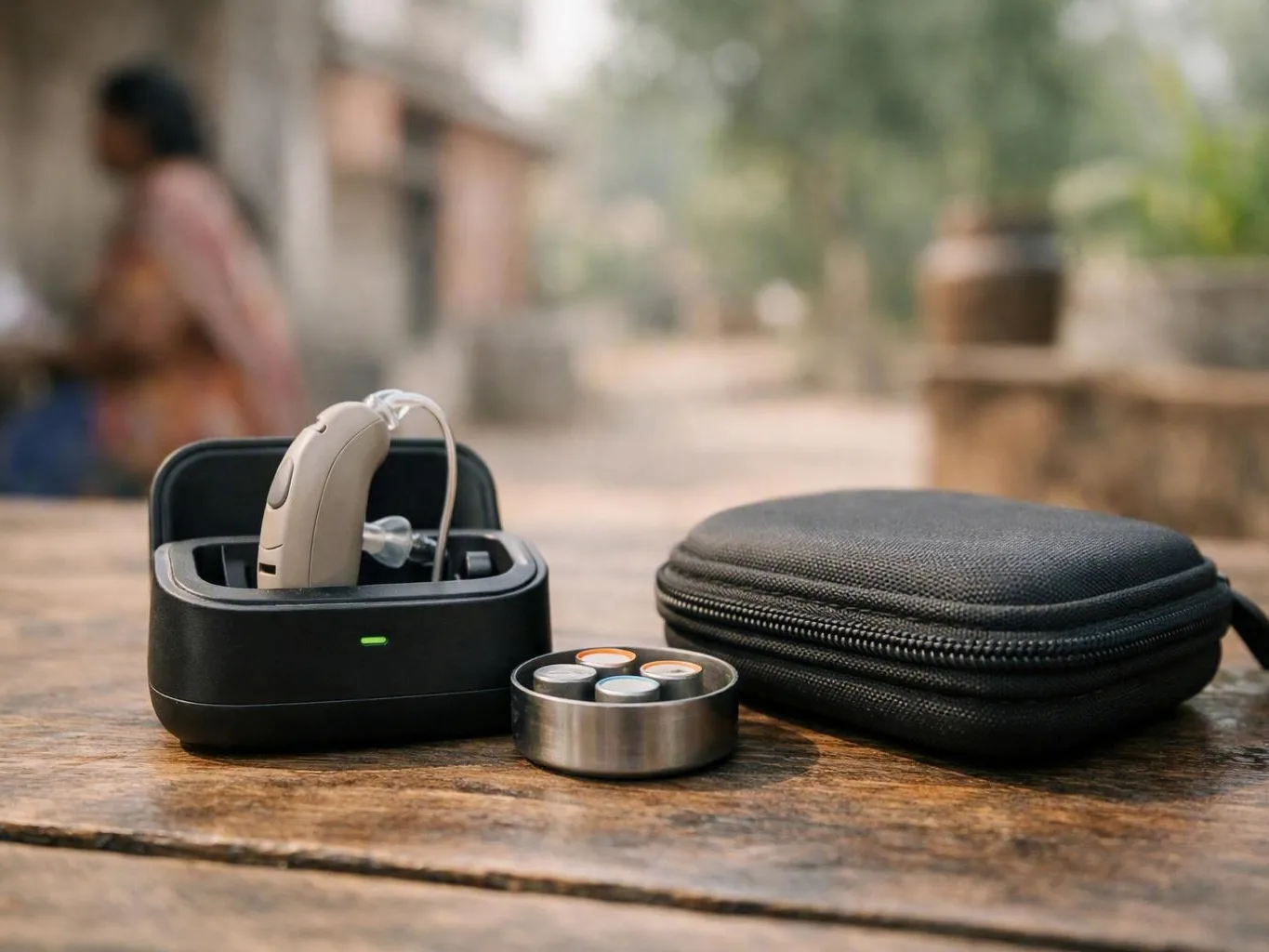
Digital hearing aids process sound electronically and allow tailored programming. Rechargeable hearing aids use a built-in battery and charging system. These categories can overlap because many rechargeable devices are digital. The right choice depends on hearing, hand control, charging access and daily routine.
The comparison below focuses on practical needs rather than specifications alone. Disposable batteries may suit someone who prefers a replaceable power source. A charging case may suit someone who follows a regular daily routine.
| Feature or consideration | Digital hearing aids | Rechargeable hearing aids | Senior-focused decision point |
|---|---|---|---|
| Sound processing | Uses digital signal processing for tailored programming. | Usually also uses digital signal processing. | Match programming to the audiogram and listening needs. |
| Power source | May use a disposable battery. | Uses an integrated rechargeable battery. | Consider dexterity, memory and access to charging. |
| Daily routine | Requires battery checks and replacement. | Requires placement in a charging case. | Choose the routine the senior can manage reliably. |
| Handling | Battery doors and small parts may need care. | Fewer battery changes are needed, but charging must be remembered. | Include caregiver support where appropriate. |
How Hearing Aid Fitting and Follow-Up Work?
Hearing aid fitting matches the device to the hearing assessment and daily listening needs. The clinician programmes and places the aids, then checks comfort and audibility. They explain daily use and review performance. Follow-up visits help with fit, sound quality, charging and handling.
Real-ear measurement may check how sound reaches the ear. The senior’s feedback also helps guide useful changes. Acclimatisation is often gradual because everyday sounds may seem different at first. Programming changes can improve comfort as listening confidence grows.
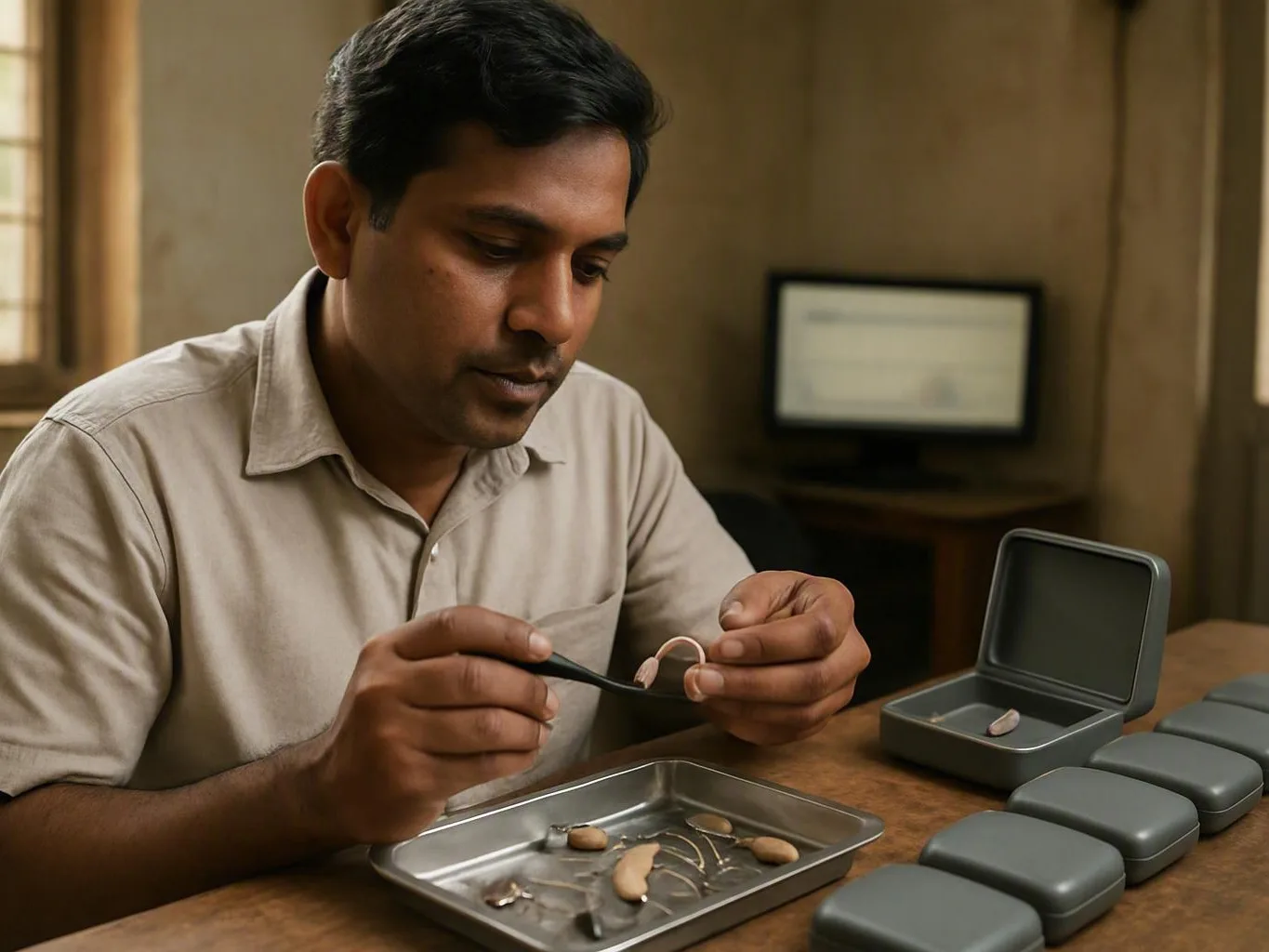
Hearing aid maintenance includes cleaning the device and checking the receiver. It also includes checking the ear mould and keeping charging contacts dry. Repairs should be arranged when needed. Follow-up care lets caregivers ask questions and check safe device use. The goal is dependable daily use, not a one-time fitting.
Questions About Hearing Aid Clinic
What Should Seniors Look for in a Hearing Aid Clinic?
Look for a clinic that provides a complete hearing assessment and explains choices clearly. It should consider hand control, vision, memory, communication needs and budget. Ask about fitting, trials, follow-up adjustments, cleaning, repairs and caregiver training.
What Type of Hearing Aid Is Easiest for an Elderly Person to Use?
The easiest type depends on hearing, eyesight, hand control and daily routine. Simple controls, automatic settings and a comfortable fit can help. Clear charging or battery instructions are also useful. A clinician should demonstrate the device before selection.
Are Rechargeable Hearing Aids Suitable for Seniors?
Rechargeable hearing aids can suit seniors who can use the charging case daily. They can also suit seniors with caregiver support. These devices reduce disposable battery handling. However, charging routines, case size and power access should be checked first.
How Often Should Hearing Aids Be Cleaned and Serviced?
Hearing aids should be cleaned according to the manufacturer’s instructions. Cleaning is usually part of a daily or regular routine. Arrange professional servicing when sound changes or the device feels uncomfortable. Servicing may also help when charging fails or wax and moisture affect performance.
What Happens During a Hearing Test for an Older Adult?
The clinician usually takes a case history and examines the ears. They may complete pure-tone audiometry and speech testing. Results are recorded on an audiogram. The clinician then discusses communication support, hearing aid suitability and any need for medical referral.
Good senior hearing care connects diagnosis with practical daily support. Our team can help seniors and family caregivers understand their options. We can also support device practice and plan follow-up care.
Author: Dr. Sakti Prasad Mohanty
Related Resources
Digital vs Rechargeable Hearing Aids: Complete Guide to Features, Benefits and Fit
digital vs rechargeable hearing aids
Everything About ItHearing Aid Fitting and Programming Explained: What to Expect Before, During and After a Trial
what happens during a hearing aid fitting
Everything About ItBERA vs ASSR Test: Differences, Accuracy, Preparation, Cost Factors and Who Needs Each
BERA vs ASSR test
Everything About ItSpeech Delay and Hearing Assessment in Children: Tests, Signs and Next Steps
hearing test for child with speech delay