Digital vs Rechargeable Hearing Aids: Features, Benefits and Fit
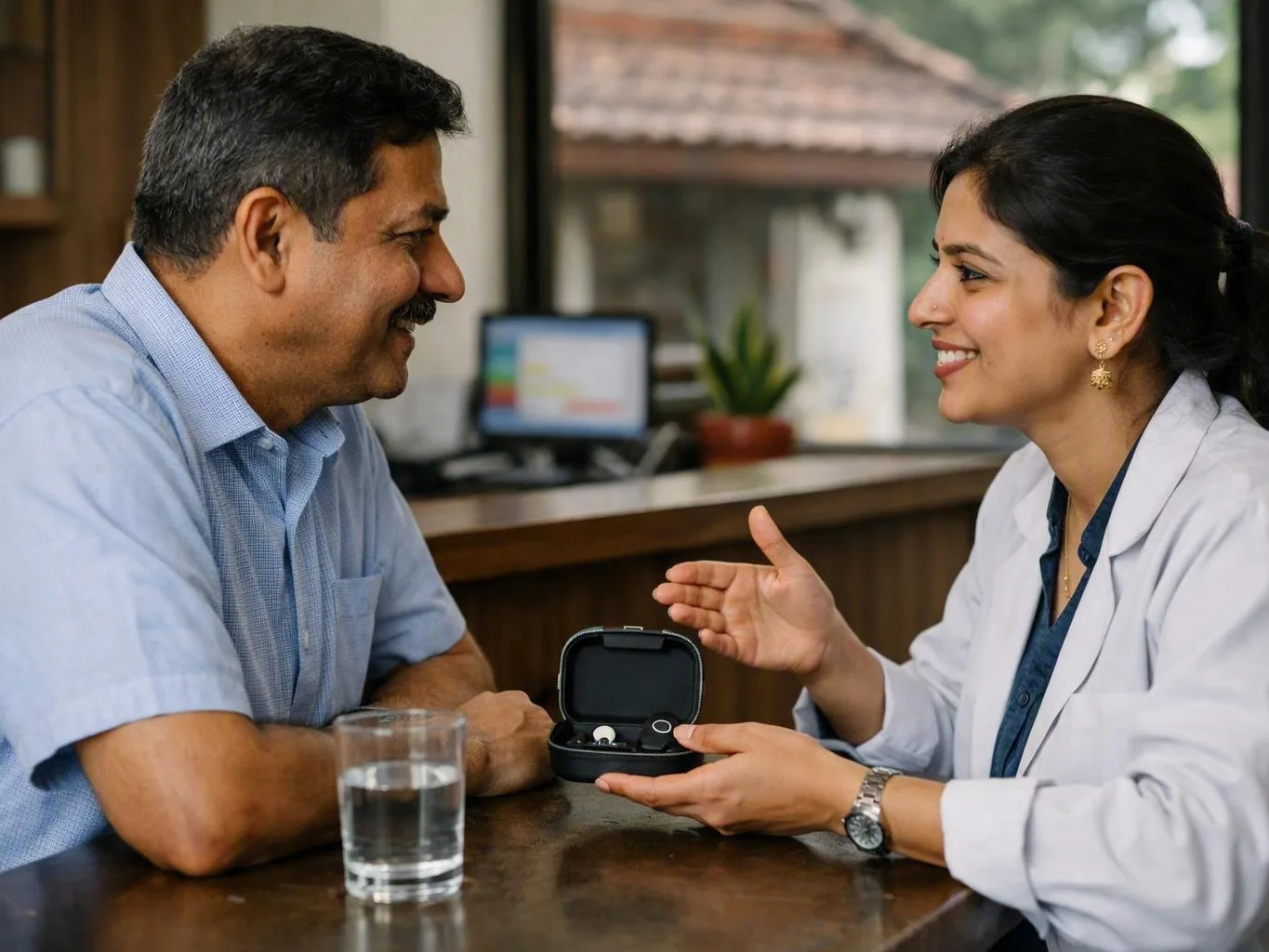
Digital hearing aids process sound electronically. Rechargeable hearing aids use built-in batteries that charge in a dock or case. These are not opposite types, because most rechargeable models are also digital. Digital technology can improve speech, reduce noise and support device connections. Rechargeability makes daily care easier and reduces battery changes. Your best choice depends on hearing loss, lifestyle, dexterity, charging access and budget. Professional fitting also matters. A hearing aid consultation and supervised trial can check comfort, clarity and daily handling. At Audium Hearing Aid Clinic, we provide assessment, programming, comfort checks and practical trials. This support helps each person choose with confidence.
Quick Answers: Digital and Rechargeable Hearing Aids
Digital hearing aids use electronic sound processing, while rechargeable hearing aids describe the power system. Many current devices are both digital and rechargeable. Digital features affect sound quality and speech clarity. Rechargeability affects convenience and daily care. Hearing loss, dexterity, lifestyle, charging habits and professional fitting guide the right choice.
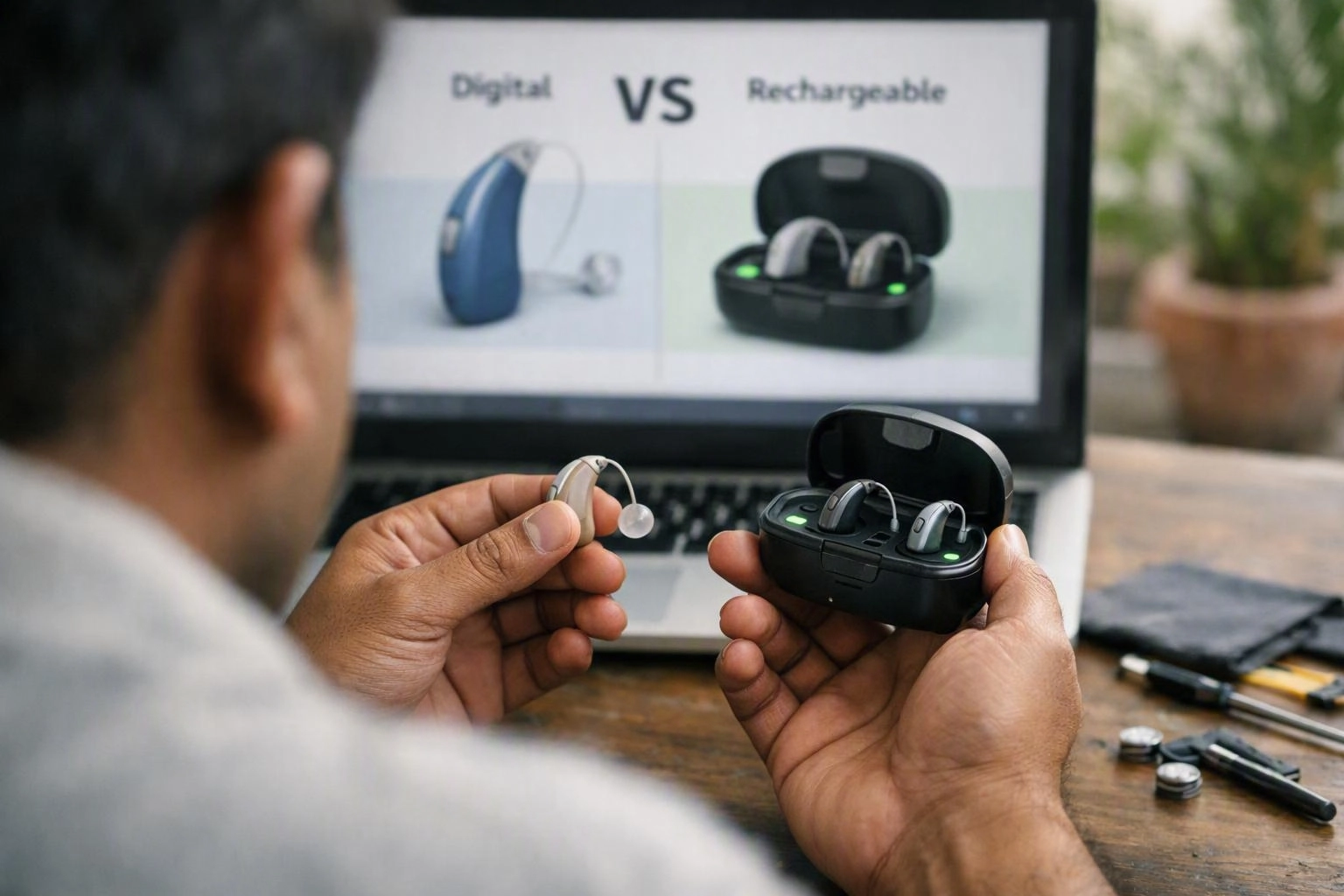
For many users, the real choice isn’t digital versus rechargeable. It’s choosing digital features and a power routine that fit daily needs. Older adults may prefer simple controls. Active smartphone users may value Bluetooth connectivity and app access.
Digital vs Rechargeable Hearing Aids: What Is the Difference?
Digital signal processing explains how a device studies and changes sound. A rechargeable lithium-ion battery explains how it stores power. A device can be digital without being rechargeable. It can also be both digital and rechargeable. Compare sound processing, power, controls, connections, care and charging needs.
| Aspect | Digital model | Rechargeable model |
|---|---|---|
| Main meaning | Electronic analysis and adjustment of incoming sound. | An internal power system that charges instead of being replaced each time. |
| Sound functions | May include noise reduction, speech enhancement, feedback control and programmes for different settings. | Doesn’t define sound quality. The device may have the same features as a battery model. |
| Power routine | May use disposable hearing aid batteries or a rechargeable cell. | Usually stays in a charging case or dock when it isn’t being used. |
| Connectivity | Some models support Bluetooth hearing aids and direct streaming. | Rechargeability doesn’t guarantee Bluetooth connectivity. Check the model details. |
| Maintenance | May involve changing batteries and storing spare cells safely. | Needs clean charging contacts and regular access to the dock or case. |
The right choice depends on hearing loss, ear shape, dexterity, lifestyle and charging access. Someone who travels may need a replaceable backup. Someone who prefers simple routines may choose overnight charging.
How Sound Processing and Rechargeability Work Together?
Microphones collect sound and send it to a digital processor. The processor separates and adjusts sounds based on the programmed prescription. It then sends the result through the receiver and into the ear. This process supports speech enhancement, noise control and feedback management. It can’t restore normal hearing or remove every difficult sound.
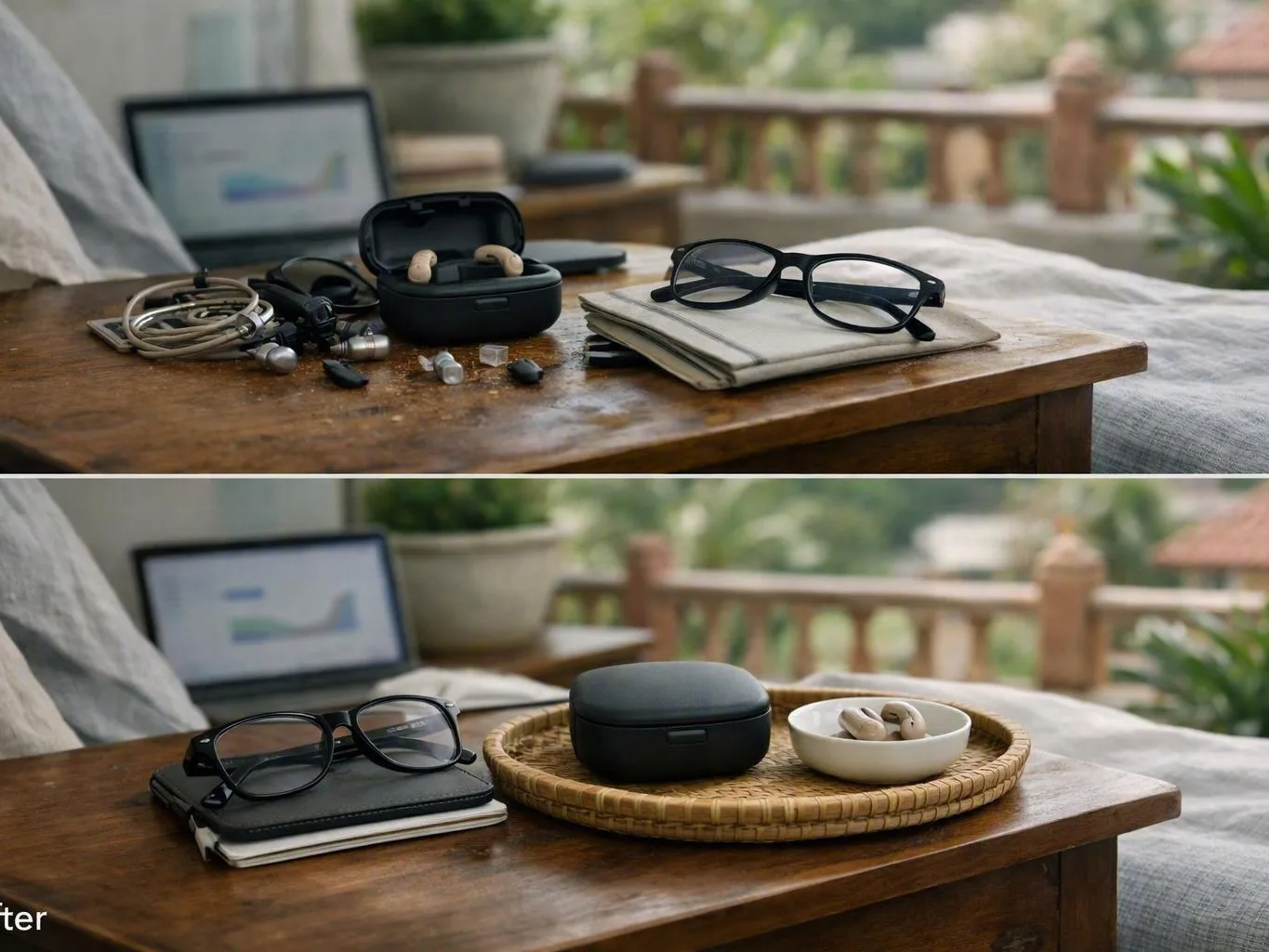
Rechargeable designs use an internal cell instead of a replaceable battery compartment. Charging contacts connect with the dock when the device sits correctly. Most users charge their aids overnight. A full charge often provides around 8–16 hours of use. Streaming, settings, battery age and listening demands can change this time. Keep contacts dry, use the supplied charger and follow the manufacturer’s instructions.
Which Hearing Aid Features Matter Most for Daily Life?
The best features depend on your listening needs, not a long feature list. Speech enhancement, directional microphones and noise control can help during difficult conversations. Rechargeability can simplify daily care. Bluetooth, app controls, moisture protection and automatic programmes may add comfort. A hearing professional can match these features to your hearing loss and routine.
Speech in noise often matters more than advanced technology. Directional microphones may focus on a speaker in front of you. Noise reduction can make steady background sounds less tiring. These features have limits in restaurants, traffic and group conversations. Clear expectations and useful communication habits still matter.
Feedback control can reduce whistling. However, whistling may point to poor fit, earwax, moisture or changing hearing needs. Volume controls should be easy to find and use. Smartphone connections can support calls and media, but phone compatibility varies. Moisture resistance can protect against everyday exposure. It doesn’t make every hearing aid waterproof.
For unilateral hearing loss, one device may be suitable. Bilateral hearing loss often needs assessment of both ears. Two matched devices may help in some cases. Changing amplification needs or ear health concerns require a professional review. People considering Digital Hearing Aids in Bhubaneswar can discuss these points during an individual consultation.
How to Choose the Right Hearing Aid for Your Hearing Loss?
The right hearing aid should match your audiogram, communication needs, ear shape and handling ability. Your preferred care routine also matters. Begin with a hearing assessment. Discuss difficult listening situations and compare suitable digital and rechargeable models. A supervised trial can then test comfort, clarity and daily use.
No single device suits every level of hearing loss, from mild to profound. Professional hearing aid fitting matches the device to your audiogram and ear acoustics. A hearing aid trial shows how the settings work in ordinary situations. Choose for useful daily benefit, not simply for the longest feature list.
Cost, Battery Life and Maintenance Questions
Cost covers more than the battery type. It may include technology, fitting, checks, service and support. Rechargeable hearing devices may cost more at first. They can reduce the need to buy and handle disposable zinc-air batteries. Ask what programming, repairs, cleaning, warranty cover and follow-up care include.
Streaming, volume, wireless functions, temperature and battery age affect a recharge cycle. Some devices warn you when power is low. Carrying a backup plan is sensible. Keep the charging dock connected in a safe, dry place. Clean the contacts as advised. Don’t use an unsuitable charger or open a sealed battery.
Disposable hearing aid batteries need safe storage, regular replacement and proper disposal. Keep them away from children and pets. Swallowing a button battery is an emergency. Service may include wax-filter changes, receiver checks, moisture checks and software updates. The easiest option is one you can manage safely and regularly.
Fitting, Comfort and Real-World Performance Questions
Comfort and clear speech depend on accurate hearing aid fitting and suitable acoustics. New users may also need time to adjust. Real-ear measurement compares the programmed sound with the recommended target inside the ear. This helps the clinician check the actual amplification.
An ear mould may help with retention, sound control or greater hearing loss. An in-the-ear hearing aid sits inside the ear. A behind-the-ear hearing aid rests behind the pinna and connects to an ear-tip or mould. Ear shape, dexterity, appearance and medical needs all guide the choice.
During a hearing aid trial, note speech clarity in quiet places and noisy ones. Check comfort during longer wear, phone use, streaming and charging. A follow-up adjustment may help after real-world use. Results vary between people. New hearing needs should lead to reassessment, not self-adjustment.
Questions About Hearing Aid Clinic
Are Rechargeable Hearing Aids Better Than Digital Hearing Aids?
They are not direct alternatives. “Digital” describes sound processing, while “rechargeable” describes power. A rechargeable device is usually digital. The better choice depends on hearing loss, handling ability, charging access, listening needs and fitting quality.
Are All Rechargeable Hearing Aids Digital?
Nearly all current rechargeable hearing aids use digital processing, but the terms describe different features. Confirm the device’s processing, connectivity, controls and charging details with a hearing professional before purchase.
What Is the Difference Between Digital and Rechargeable Hearing Aids?
Digital refers to how microphone signals are processed. This can support speech enhancement, noise reduction and feedback control. Rechargeable refers to the power system. It uses an internal battery charged in a dock or case.
How Long Do Rechargeable Hearing Aid Batteries Last?
Many provide a day of use after an overnight charge. Actual time varies with streaming, volume, wireless functions, settings and battery age. The manufacturer’s guidance and a clinician’s advice are more reliable than one universal figure.
Can Rechargeable Hearing Aids Be Used All Day?
Usually, they are made for daytime wear after a full charge. Heavy streaming or an ageing battery may shorten operating time. Regular charging and periodic service support dependable use.
What Happens if Rechargeable Hearing Aids Run Out of Power?
The devices stop amplifying until they are charged. Keep the case or dock available. Follow the supplied charging instructions and ask about a backup plan for travel or important events.
Do Digital Hearing Aids Improve Hearing in Background Noise?
Digital processing, directional microphones and noise management may improve speech understanding in some noisy settings. They can’t remove all background noise. Results depend on hearing loss, fitting, device placement and the listening environment.
Are Rechargeable Hearing Aids Suitable for Older Adults?
They may suit older adults who find small disposable batteries difficult to handle. However, the person must place the aids correctly and use the charger safely. They must also remember regular charging or have reliable support.
Which Hearing Aids Are Easiest to Maintain?
Rechargeable models can simplify daily battery care. Disposable-battery models may offer a replaceable power option. Both need cleaning, moisture care, wax-filter checks and professional service. Ease depends on dexterity, eyesight, routine and available help.
How Much Do Digital and Rechargeable Hearing Aids Cost?
Prices vary by technology, style, power system, connectivity, fitting, checks and aftercare. Request a written breakdown of what’s included. A professional trial can show whether the expected benefit suits the chosen option.
How Are Digital Hearing Aids Fitted?
Fitting begins with a hearing assessment and audiogram. The clinician selects a suitable style, programmes amplification and checks comfort. They may use real-ear measurement. Follow-up visits refine settings based on clarity, comfort and daily listening.
Can I Try Rechargeable Hearing Aids Before Buying Them?
Ask whether a supervised hearing aid trial is available. During the trial, check comfort, charging, handling, speech understanding and phone use. Test the aids in quiet and noisy places before making a final choice.
Author: Dr. Sakti Prasad Mohanty
Our team can discuss your hearing assessment, device options, fitting needs and trial questions through our contact page.
Related Resources
Hearing Aid Clinic for Seniors
Who It's ForHearing Aid Clinic for People with Tinnitus
hearing aid clinic for tinnitus
Who It's ForHearing Aid Clinic for Cochlear Implant Candidates
hearing aid clinic for cochlear implant evaluation
Why It MattersBenefits of Hearing Aids for Communication and Quality of Life
what are the benefits of hearing aids