How Hearing Aids Improve Communication and Quality of Life
Hearing aids make speech and everyday sounds easier to hear. They can support conversations, reduce listening effort and help people stay socially active. They may also build confidence and support safer daily activities. At Audium Hearing Aid Clinic, we provide hearing aid consultation and fitting based on each person’s communication needs.
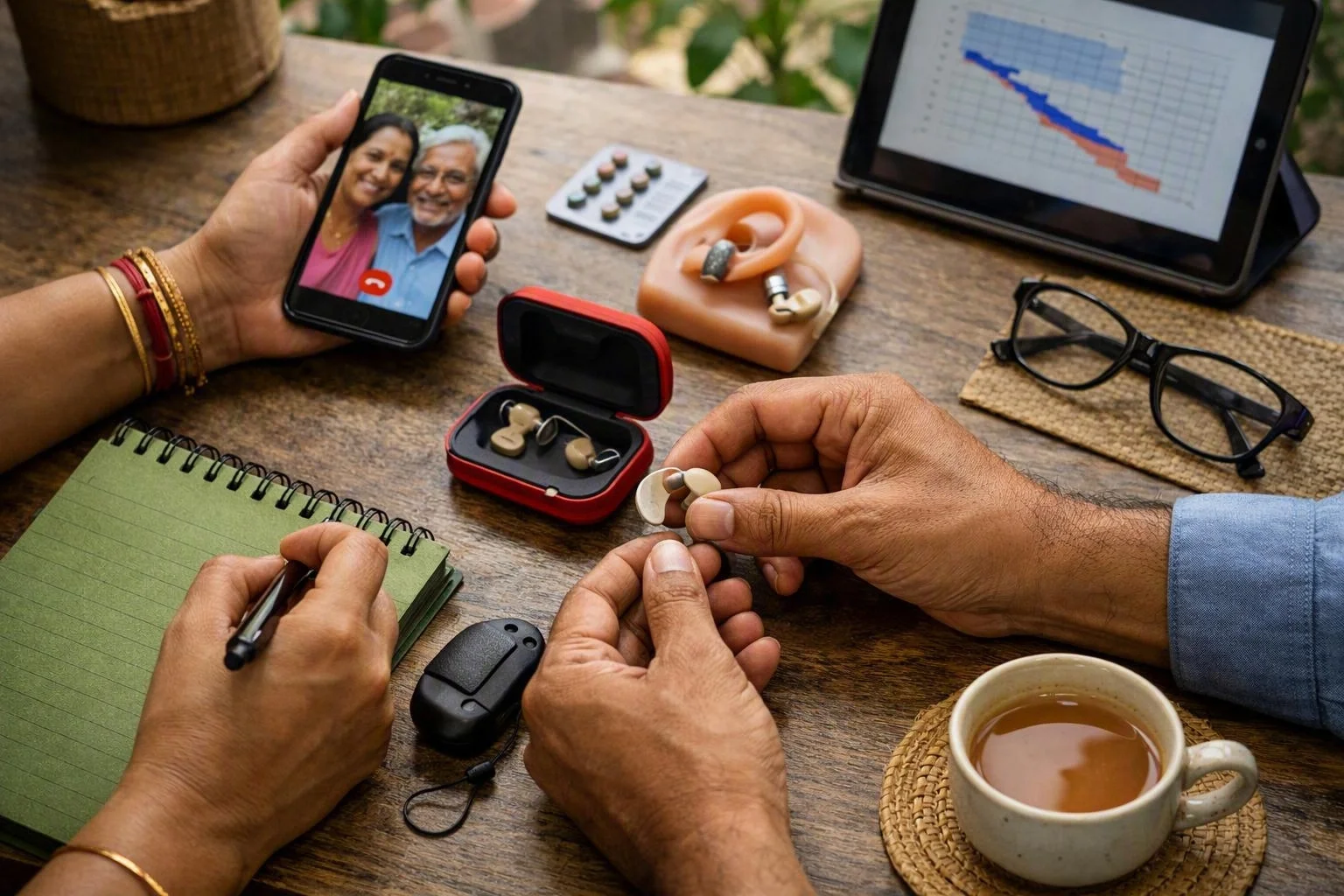
Hearing aids make speech and everyday sounds clearer. They amplify and process sound according to a person’s hearing profile. Better access to sound can support conversations and reduce the effort needed to listen. It may also help people join daily activities with greater confidence.
Hearing loss can affect speech understanding, even when a person hears someone speaking. Softer speech sounds may be missed, especially during group talks or in background noise. A hearing assessment checks the ear, hearing pathway and listening responses. This helps identify the type and level of hearing loss.
Ear Anatomy and Audiogram findings help guide device selection. An audiogram shows which pitches are hard to hear. The wider assessment also checks speech understanding, ear health and communication goals. These findings help avoid a one-size-fits-all choice.
For older adults, better hearing may make family talks and daily routines easier. Working adults may find meetings, phone calls and shared offices more manageable. Family members can help by facing the wearer and reducing background noise. They should speak clearly without shouting.
The advantages of hearing aids don’t appear overnight. Benefits usually grow through regular use, professional adjustments and practice in different places. A hearing healthcare intervention can improve daily communication and quality of life. It won’t restore normal hearing or remove every listening problem.
Six Ways Hearing Aids Support Everyday Life
Digital Hearing Aids make important sounds easier to hear in different places. Their benefits depend on suitable technology and accurate hearing aid fitting. Regular use, realistic expectations and professional adjustments also matter. These choices should reflect each person’s communication needs.
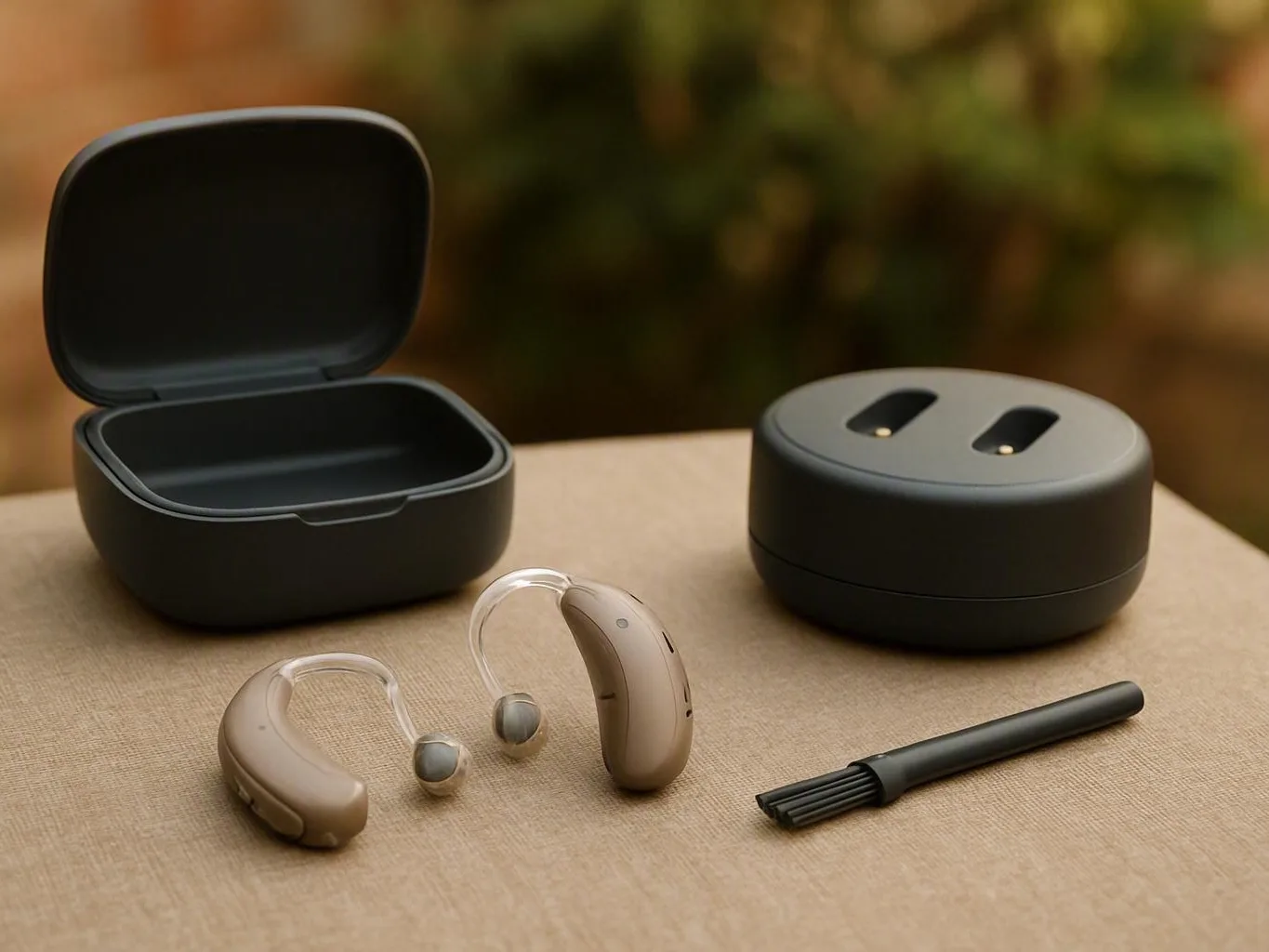
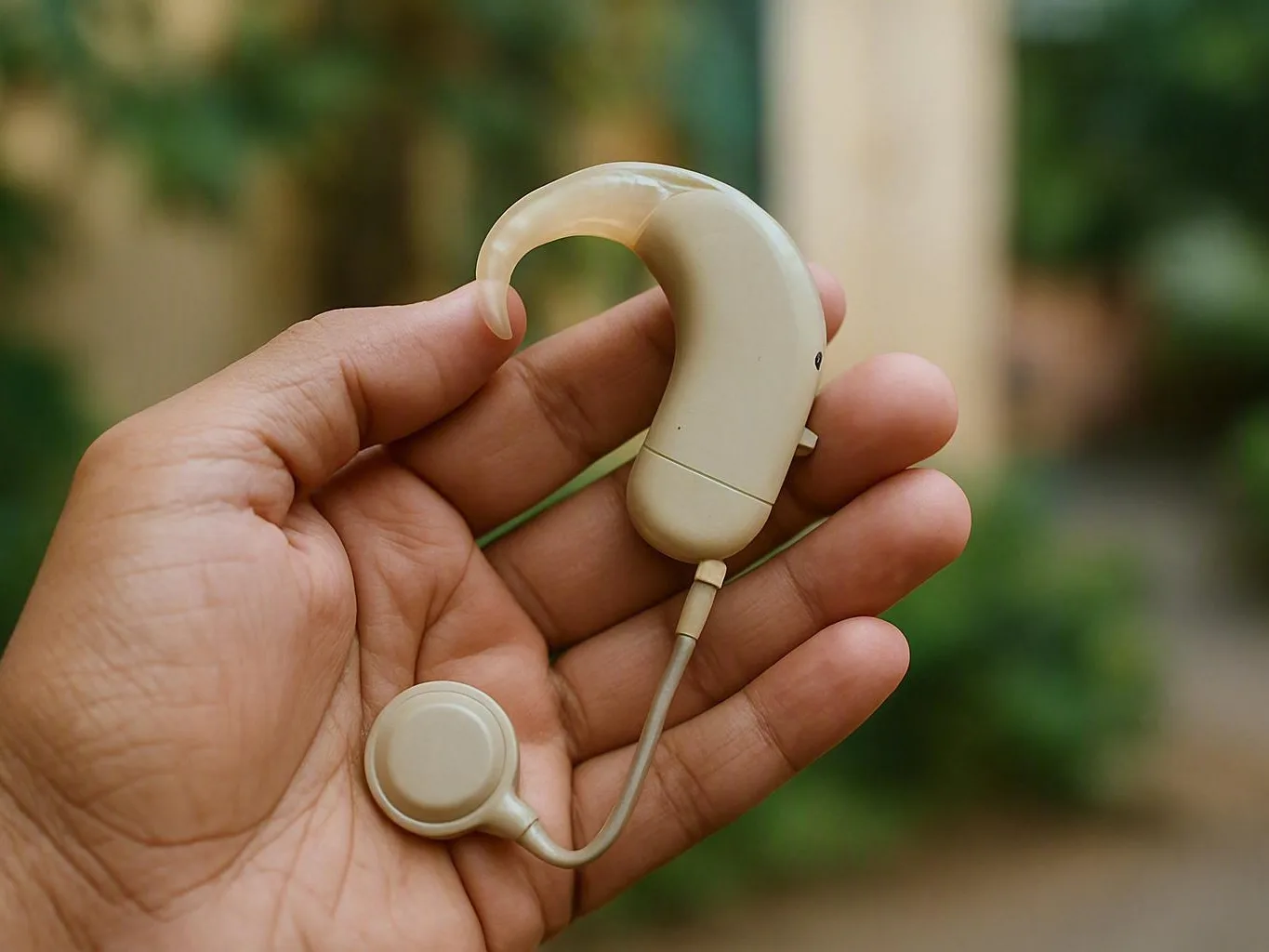
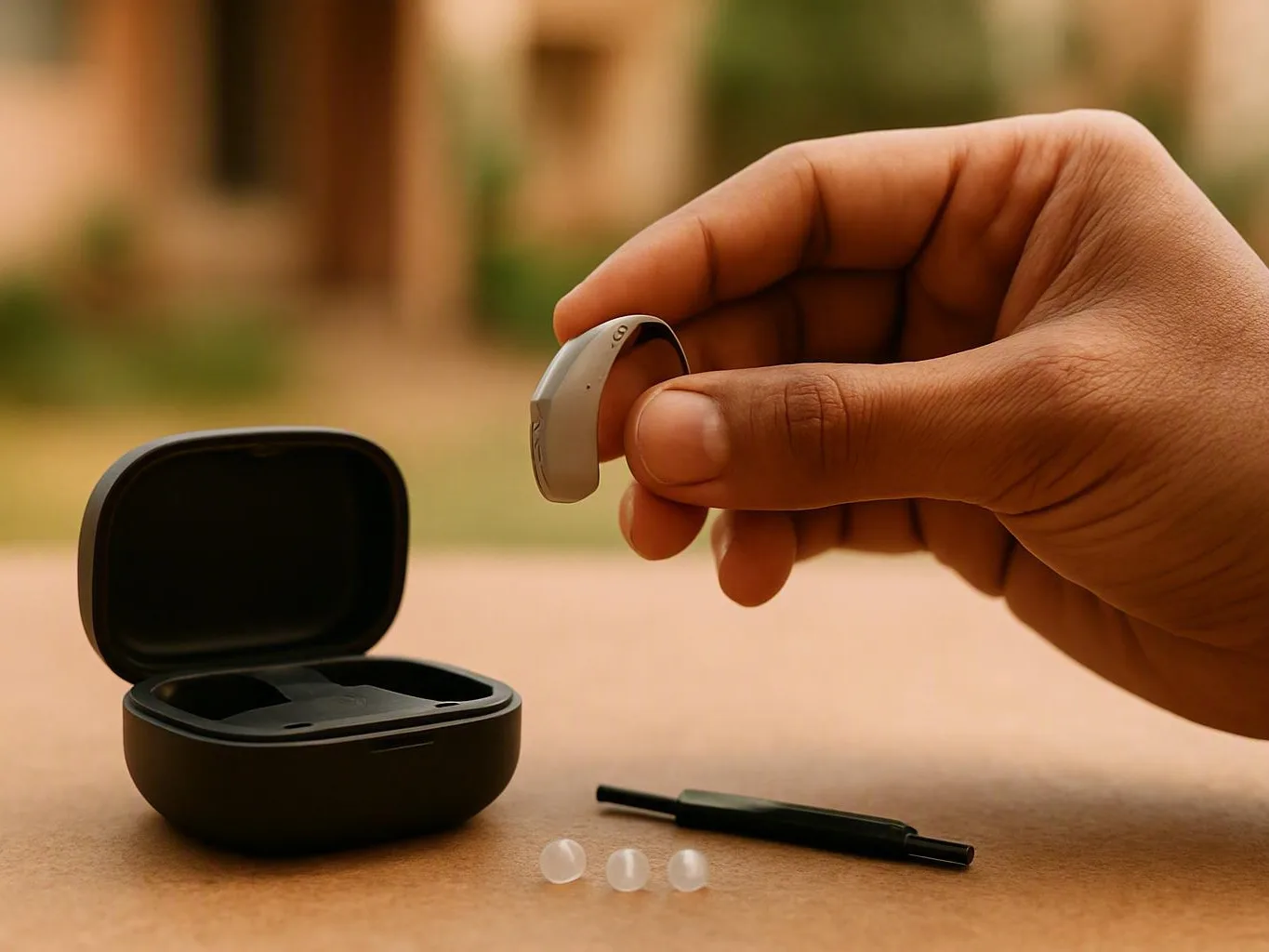
A device may include a microphone, receiver and sound processor. Digital processing can separate speech from some competing sounds. However, no device can remove all background noise. Behind-the-ear hearing aids, receiver-in-canal hearing aids and rechargeable digital hearing aids suit different needs.
Most people need time to adjust. Some feel comfortable within several weeks, while others need longer support. Follow-up appointments let the clinician adjust loudness, sound quality and comfort. These visits help as listening habits change.
Hear Speech More Clearly in Conversations
Speech intelligibility can improve when important speech cues become easier to hear. Hearing technology may make consonants, word endings and volume changes clearer. This can help a listener follow conversations without depending only on lip-reading or context.
Directional microphones may focus more on sound coming from the front. This can help during one-to-one talks in quieter places. Results depend on the audiogram, speaker position, room acoustics and speech understanding.
One everyday sign may be asking for fewer repeats during familiar conversations. This is a common experience, not a promised result. A clinician may also compare speech testing, listening comfort and communication feedback during Hearing Aid Fitting.
Reduce Listening Effort and Mental Fatigue
Listening effort can rise when the brain fills in missing speech sounds. Clearer speech may reduce the work needed to guess words and follow a speaker. It may also make it easier to check whether a message was understood.
Sound processing helps organise amplification as surroundings change. It can’t prevent tiredness in every listening situation. Long meetings, family gatherings and noisy public places may still require breaks and helpful communication habits.
One possible sign is being able to listen comfortably for longer. A person may feel less strain after a conversation. Sleep, health, stress and the listening environment can also affect tiredness.
Stay Connected with Family, Friends and Community
Social participation may improve when conversations feel easier and less tiring. Better family communication can encourage people to join meals and speak with grandchildren. They may also feel more willing to attend community activities.
Untreated hearing difficulty can lead to withdrawal and social isolation. Hearing support and patient communication from relatives can help rebuild confidence. Family members should gain attention before speaking. They should also check understanding without embarrassing the listener.
One possible sign is taking part in more conversations. This might mean starting a discussion or staying longer at a gathering. It could also mean speaking more in a group. These changes are personal observations, not guaranteed clinical results.
Notice Important Environmental Sounds
Environmental awareness may improve when everyday sounds become easier to hear. Doorbells, alarms, kitchen timers and traffic sounds can show what is happening nearby. These sounds may also support daily safety.
Suitable amplification can improve awareness without making every sound too loud. The fitting must match the wearer’s hearing profile and sound tolerance. It should also suit daily surroundings. Visual alerts or vibrating devices may still help with some alarms.
One possible sign is noticing household alerts more often. For example, a person may hear the doorbell more regularly. Hearing aids shouldn’t be the only safety system. This is especially true during sleep or in loud places.
Communicate More Comfortably at Work and in Public
Workplace communication may become easier when speech is clearer. This can help during meetings, phone calls and discussions in shared offices. Working adults may feel more ready to ask questions and follow instructions.
Restaurants and group talks can still be difficult. Voices come from several directions, while background noise competes with speech. Directional microphones and noise-management settings may help. Good seating, lighting and speaker positioning remain important.
One possible sign is following a speaker more easily in a group. A person may still need the speaker to face them. They might also need a microphone or written information for complex instructions.
Build Confidence Through Auditory Rehabilitation
Auditory Rehabilitation helps people adjust to hearing aids and new listening habits. It may include listening practice and realistic goal setting. Family guidance can also help. Advice on difficult sound environments is often useful.
Hearing aid acclimatisation usually happens gradually. New sounds may seem sharp or unfamiliar at first. A person may begin in calm settings and wear the devices longer over time. Regular use helps the brain understand the changed sound pattern.
One possible sign is using the devices in more places. These may include home, work and social settings. Follow-up adjustments can help when sound feels uncomfortable or speech stays unclear. They can also help when the device is hard to handle.
What Improvements Might You Notice After Hearing Aid Use?
Typical hearing aid outcomes include easier conversation and fewer requests for repetition. People may also notice more surrounding sounds. Some become more willing to join social activities. Results vary with hearing loss, fitting accuracy, regular use, surroundings and rehabilitation.
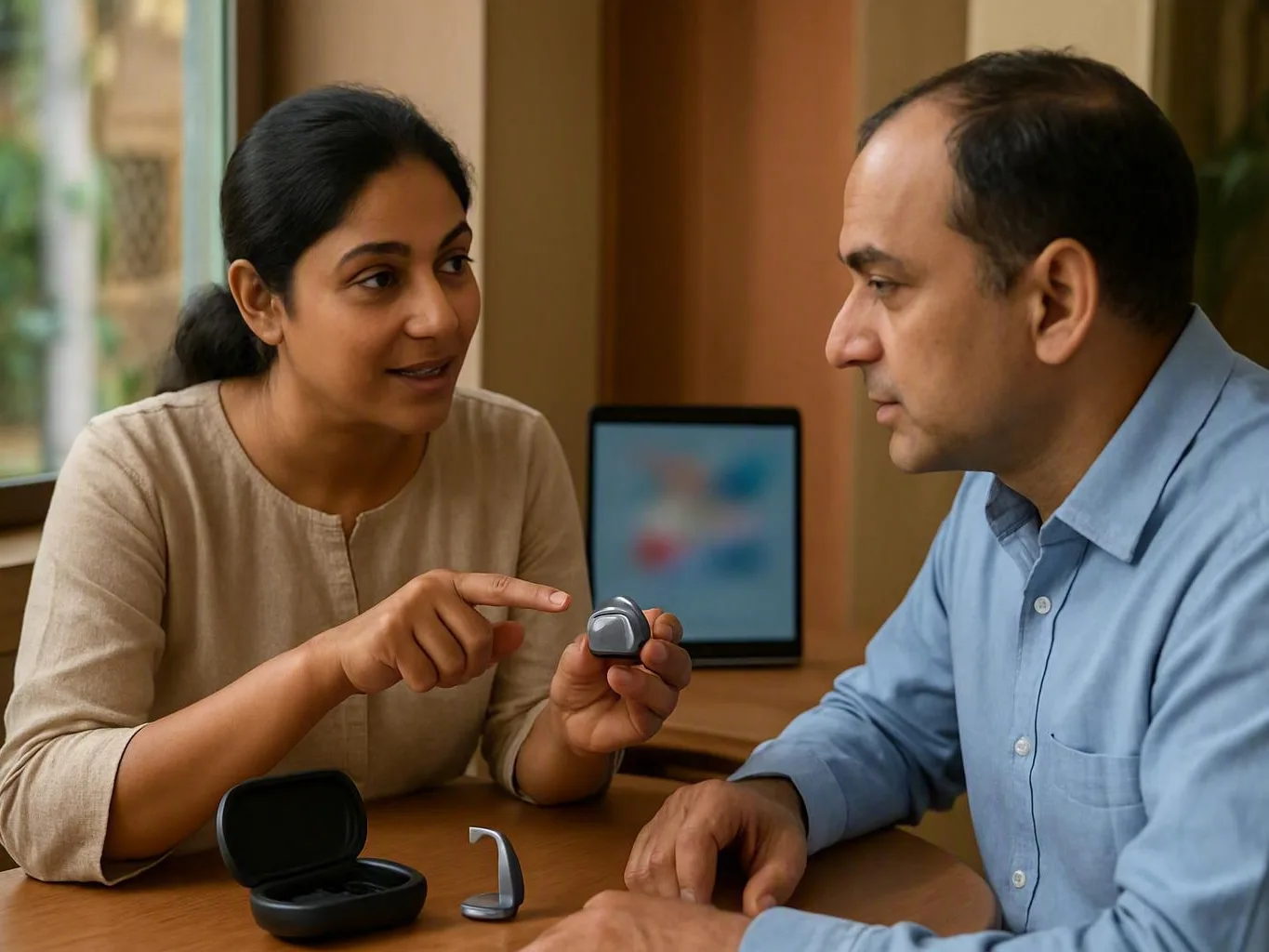
At a hearing aid consultation, we review audiogram results and the type of hearing loss. We also consider speech understanding, hand movement, lifestyle and comfort with technology. These details help us choose a practical device. The choice may be a small, rechargeable or advanced model.
Most adjustment programmes happen gradually. Many people become comfortable across different situations within several weeks or a few months. Progress may happen sooner or later for each person. Hearing Aid Fitting is a clinical process, not simply a device handover.
| Area | Typical before-and-after experience | What may influence the result |
|---|---|---|
| Conversation | Before: missed words or repeated questions. | Speech understanding, distance, room acoustics and fitting accuracy. |
| Listening comfort | Before: effortful listening. After: some conversations may feel less tiring. | Sound processing, acclimatisation, fatigue and background noise. |
| Social activity | Before: avoiding groups. After: greater willingness to participate. | Confidence, communication strategies and support from others. |
| Environmental sounds | Before: alerts may be missed. After: household sounds may be noticed more often. | Sound levels, device use, alert type and the listening environment. |
| Quality of life | Before: daily tasks may require more effort. After: communication may feel more manageable. | Overall health, expectations, regular use and rehabilitation. |
We recommend medical referral for sudden, painful or one-sided hearing loss. Referral is also needed with discharge, severe dizziness or other worrying symptoms. These signs may need medical assessment before assistive listening technology is considered. For stable hearing difficulty, professional fitting and follow-up care can support daily communication.
Questions About Hearing Aid Clinic
What Are the Main Benefits of Wearing Hearing Aids?
They may make speech and everyday sounds easier to hear. Hearing aids can reduce listening effort, support social participation and build confidence. Benefits depend on the hearing profile, fitting, regular use and follow-up care.
Can Hearing Aids Improve Speech Understanding?
They can improve access to speech cues and may make words easier to follow. Results depend on the type of hearing loss, noise levels, distance and speaker position.
Do Hearing Aids Improve Quality of Life?
Many people report easier communication, greater participation and less listening strain. These changes can support quality of life. Results vary and are more likely when devices are fitted well and used regularly.
How Long Does It Take to Get Used to Hearing Aids?
Adjustment often takes several weeks. Some people need a few months to feel comfortable in different places. Gradual use, listening practice and follow-up adjustments can make acclimatisation easier.
Can Hearing Aids Help with Hearing in Background Noise?
Noise-management features and directional microphones may help in some noisy situations. They can’t remove all background noise. Good positioning, lighting, less competing sound and communication strategies still matter.
Are Hearing Aids Worth It for Mild Hearing Loss?
They may help when mild loss affects work, relationships, safety or enjoyment. A hearing assessment can show the communication impact. It can also guide the choice between monitoring, strategies, assistive technology or hearing aids.
Written for general education by Dr. Sakti Prasad Mohanty. Individual hearing concerns should be assessed by an appropriately qualified healthcare professional.
Arrange a hearing consultationRelated Resources
Hearing Aid Clinic for Seniors
Who It's ForHearing Aid Clinic for Children with Speech Delay
hearing aid clinic for child with speech delay
Who It's ForHearing Aid Clinic for People with Tinnitus
hearing aid clinic for tinnitus
Everything About ItDigital vs Rechargeable Hearing Aids: Complete Guide to Features, Benefits and Fit
digital vs rechargeable hearing aids