How Hearing Aid Clinics Help Children with Speech Delay
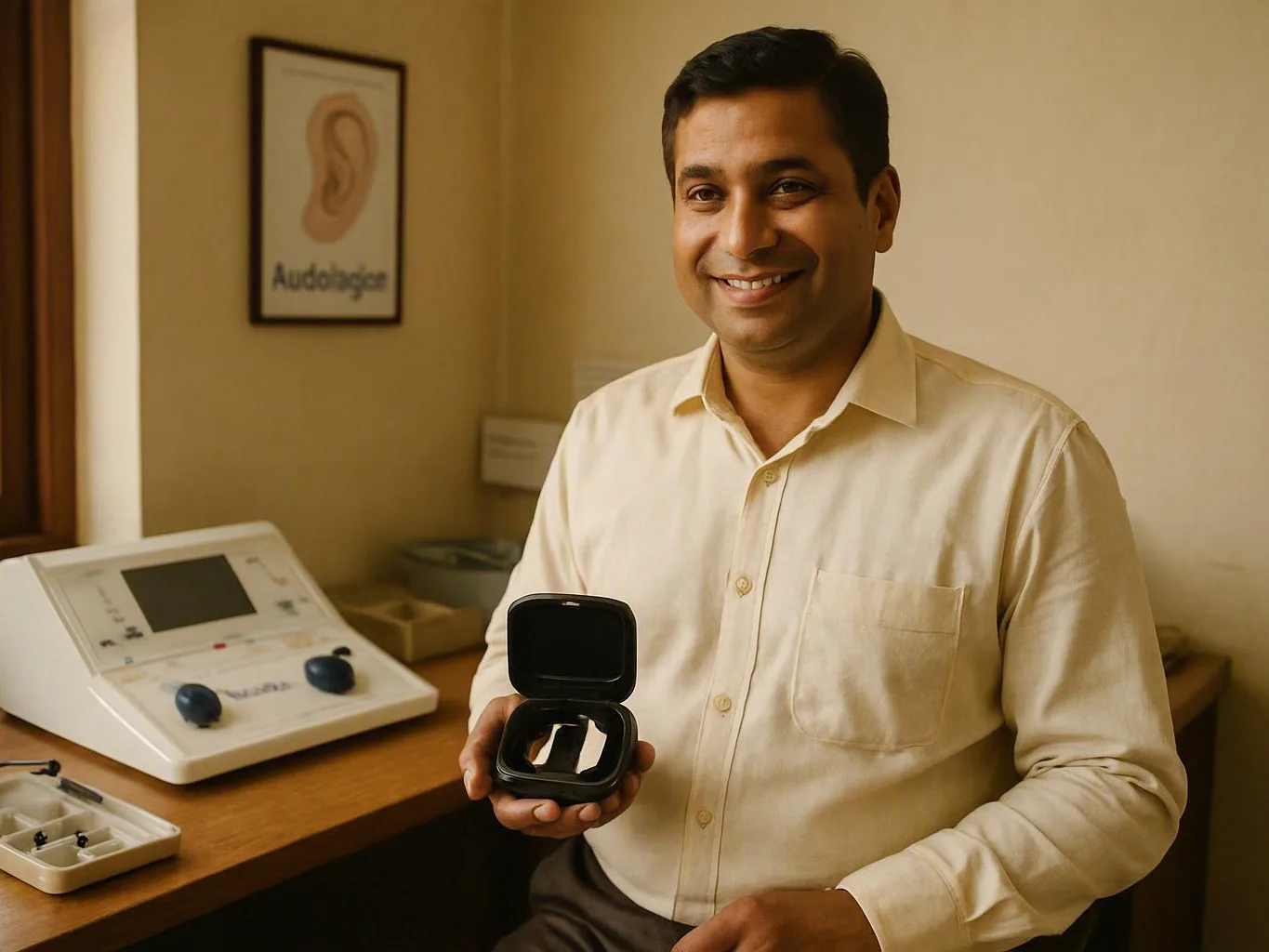
A hearing aid clinic checks a child’s hearing and looks for hearing loss that may affect speech development. The audiologist may suggest hearing aids, rehabilitation or medical referrals. A paediatric hearing test may be paired with a speech and language assessment. This gives the team a clearer view of the child’s listening and communication needs. Speech therapy and auditory rehabilitation can help children use better hearing in daily life. Parents should choose a child-focused clinic that explains test results, device choices and follow-up care. Early testing matters because hearing problems can affect language, school participation and social communication. At Audium Hearing Aid Clinic, we provide child-focused hearing and communication support for children with speech delay and possible hearing difficulties.
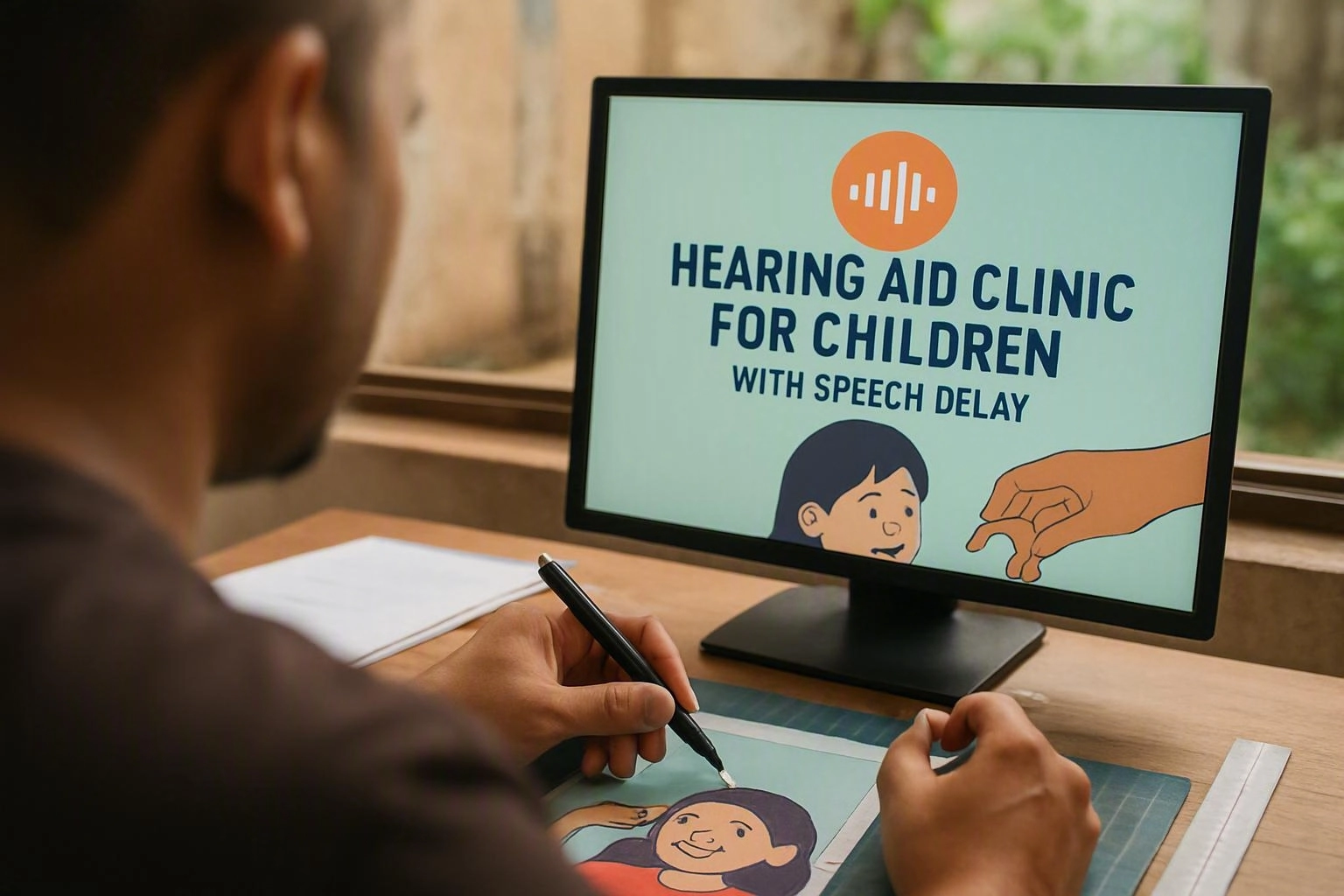
Speech delay can worry parents, but it can have several causes. A careful assessment shows whether a child hears speech clearly or needs support for another concern. A paediatric hearing clinic offers a clear starting point and explains the next steps. It cannot promise a particular speech result.
Families seeking a Pediatric Hearing Assessment in Bhubaneswar can ask how testing suits their child’s age and attention span. Parents should also share medical history, communication milestones and concerns from home or school.
Author: Dr. Sakti Prasad Mohanty
Why Hearing Assessment Matters When a Child Has Speech Delay?
Paediatric hearing assessment matters because hearing loss can limit access to speech sounds, language and classroom talk. An audiologist can identify conductive, sensorineural or mixed hearing loss. They can then explain suitable next steps. Testing also helps separate hearing problems from other speech, language or developmental concerns.
Children learn language by hearing and understanding sounds again and again. Mild, one-sided or temporary hearing loss can go unnoticed. A child may hear loud sounds but miss quiet speech endings or speech in background noise. These gaps may affect vocabulary, sentences, speech clarity and confidence.
A full check looks at the outer ear, ear canal, middle ear and inner ear. It may also review the auditory pathways. Auditory processing is assessed differently and may need another clinical pathway. The audiologist explains whether the results show hearing loss or hearing within expected limits.
Early support matters because children build language through everyday listening. Advice may include medical review, monitoring, hearing aid fitting or communication strategies. A referral for a children’s speech and language assessment may also help. Hearing results are only one part of the child’s overall picture.
Why Children with Speech Delay May Need a Hearing Aid Clinic?
Paediatric audiology checks whether reduced or changing hearing affects a child’s communication. A child hearing assessment clinic does not assume hearing loss is the cause. It gathers evidence and guides the family towards suitable care.
Parents may need medical advice for ongoing middle-ear problems, ear discharge, severe hearing loss or concerns about the ear’s structure.speech therapy referrals.
What Happens During a Child’s Hearing and Speech Assessment?
Speech and language assessment is reviewed with the child’s history, ear check and age-appropriate hearing tests. An audiologist may use behavioural audiometry, tympanometry, otoacoustic emissions or auditory brainstem response testing. The results show how hearing may relate to communication and language.
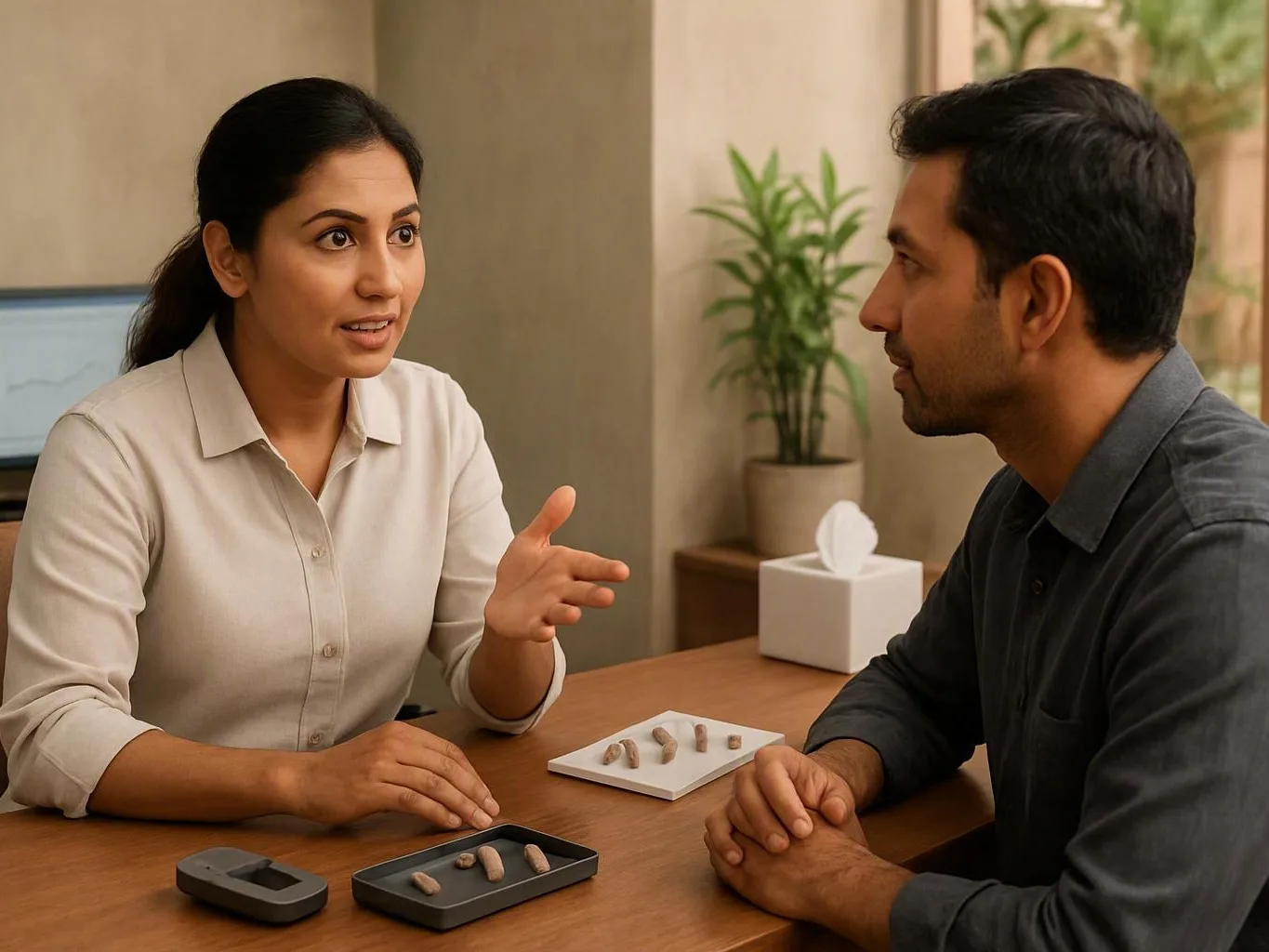
The appointment usually starts with a case history. Parents may be asked about birth, family hearing history, illnesses, ear infections and medicines. They may also discuss milestones, school participation and responses to voices. Details from home are helpful, such as turning towards sound, increasing volume or misunderstanding instructions.
Otoscopy lets the clinician view the ear canal and eardrum. Tympanometry checks middle-ear movement and pressure. It can help identify fluid or reduced eardrum movement. Pure-tone audiometry may use play, pictures or visual rewards. An appointment may take 30 to 90 minutes, depending on the child and tests required.
Infants, toddlers and children who cannot respond reliably may need otoacoustic emissions or an auditory brainstem response. These tests do not require a spoken answer. Preparation and interpretation depend on the child’s condition. A speech and language assessment reviews understanding, spoken language, speech sounds and daily communication. Parents should receive clear findings and referral advice.
A Practical Step-by-Step Path from Assessment to Support
The path from testing to support differs for each child. It should match the child’s hearing, daily needs, family priorities and communication goals.
- Parent consultation: Share concerns, communication milestones, medical history, ear infections and listening behaviour.
- Hearing test: Complete age-appropriate hearing and middle-ear tests. Use objective tests when the child cannot respond reliably.
- Review the results with parents in clear language. Explain what the findings can and cannot show.
- Consider hearing aids, medical referral or monitoring, based on hearing level and clinical need.
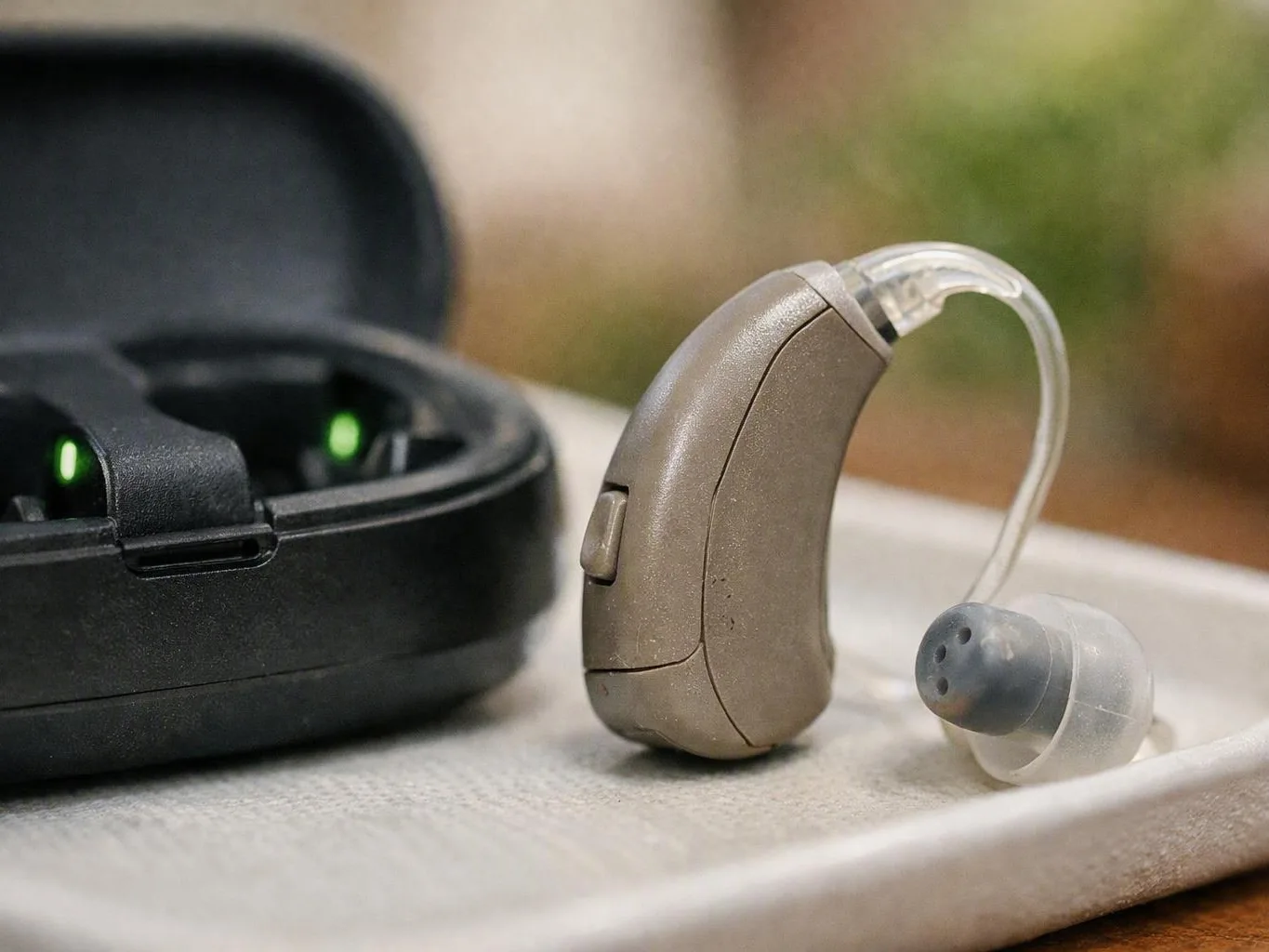
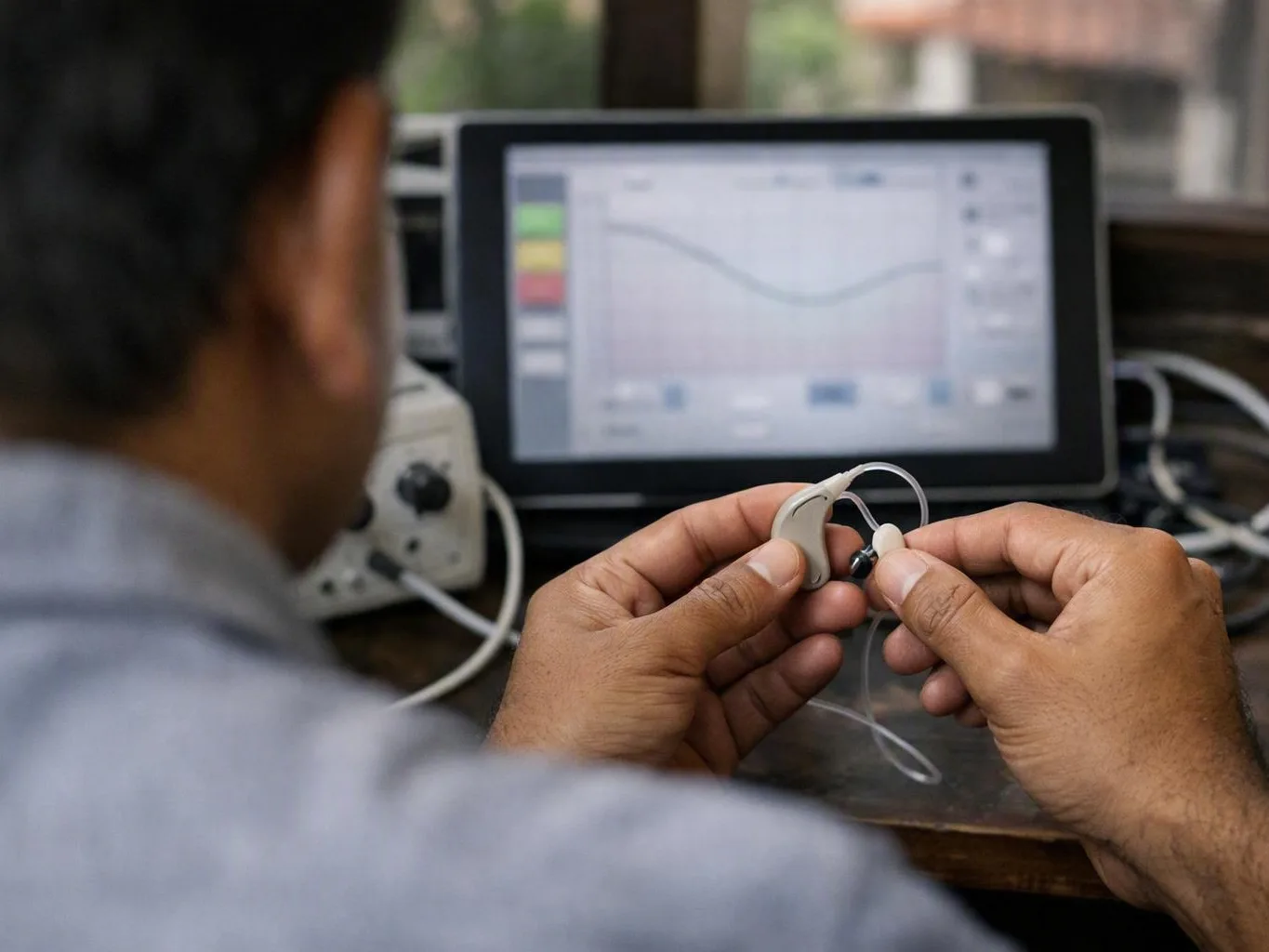
- Complete hearing aid fitting with programming, earmould comfort checks and device testing.
- Plan auditory rehabilitation, speech therapy, caregiver coaching and regular follow-up. These steps help the child use hearing in daily life.
Verification matters because a device must provide suitable amplification without causing discomfort. Follow-up may be more frequent after fitting. Visits can then change as the child grows or needs change.
Key Features to Look for in a Hearing Aid Clinic for Children
A good paediatric hearing clinic offers suitable testing, clear results and ongoing care. A hearing aid should not be treated as a one-time purchase. Look for child-friendly testing, suitable technology, fitting checks, earmould care and parent guidance. Support with device repairs and speech professionals is also useful.
A children’s hearing aid centre should explain how it can work with doctors, teachers and speech-language professionals. This requires consent and clinical need. Ask how quickly the clinic reviews comfort, feedback, blocked earmoulds or changing hearing.
Common Challenges Parents Face During Hearing Rehabilitation
Hearing aid acceptance can take time. Some children dislike touch, new sounds or changes in routine. Regular use, gradual adjustment and kind encouragement may build confidence. Follow-up visits allow the clinician to check comfort, ear health and programming.
Some children remove their devices or wear them for short periods. Families can introduce them during calm activities and use simple routines. Praise cooperation, but do not force the child through distress. The aim is to increase safe listening time slowly.
Background noise can make listening hard, even when hearing aids work properly. Sitting near the teacher and reducing competing sound may help. Adults should gain the child’s attention before speaking. Classroom support may also improve access.
Children grow, their ears change and their communication needs increase. Regular reviews help maintain fit, comfort and suitable amplification. Parents should report pain, discharge, sudden hearing changes or unusual behaviour promptly.
How Speech Therapy and Auditory Rehabilitation Work Together?
Auditory rehabilitation helps a child notice and understand sound through better hearing access. Speech therapy supports speech sounds, language and communication. Together, they can build listening skills, understanding, spoken language and confidence. Progress depends on hearing, development, device use and family support.
After hearing aid fitting, a child may need help understanding new sounds. Therapy can practise noticing noises, recognising voices and telling speech sounds apart. It can also build word understanding in harder listening settings. Goals should match the child’s age, hearing and daily routines.
Speech therapy may support sounds, vocabulary, grammar, conversation and daily communication. A child with hearing loss may need help hearing word endings or following longer instructions. A Speech And Language Assessment can show strengths and needs. It can also guide clear, practical goals.
Caregiver coaching matters because much listening practice happens outside the clinic. Parents can speak near the child, reduce noise and repeat key information. They can pause for answers and include listening practice during play, meals and stories. These simple steps support listening in everyday situations.
Coordinated care may include an audiologist, speech-language pathologist, paediatrician, ear specialist, teachers and caregivers. The team can review device use, classroom access, language progress and medical findings. Therapy supports communication, but it cannot guarantee a particular speech outcome.
Questions to Ask Before Choosing a Hearing Aid Clinic
Before choosing a Hearing Aid Clinic, parents should ask how children are tested and which tests are available. They should ask how hearing aids are selected, checked and followed up. It is also helpful to ask about speech therapy, auditory rehabilitation, medical referrals and school listening support.
| Question | What to check |
|---|---|
| Which hearing tests are suitable for my child’s age and development? | Ask how the clinic adapts testing for infants, toddlers and older children. |
| How will you explain my child’s hearing results? | Look for clear discussion of hearing levels, speech access and recommended next steps. |
| How are hearing aids fitted and verified? | Ask about programming, comfort, earmoulds and objective verification. |
| What follow-up and rehabilitation support is available? | Confirm device checks, auditory rehabilitation, speech therapy coordination and parent guidance. |
Ask when a medical referral is needed and how urgent changes are handled. Check whether reports can be shared with other professionals. Clear answers can help families choose an audiology service for testing, care planning and ongoing communication support.
Questions About Hearing Aid Clinic
Can Speech Delay Be Caused by Hearing Loss?
Yes. Hearing loss can reduce access to speech sounds and affect vocabulary, speech clarity and language learning. However, speech delay has many possible causes, so a hearing assessment cannot identify the complete cause alone.
Should My Child Have a Hearing Test Before Starting Speech Therapy?
Ideally, hearing should be checked early when a child has speech or language concerns. Speech therapy and hearing assessment can happen together when needed. Knowing the child’s hearing status helps the speech-language professional plan suitable goals and support.
What Type of Hearing Test Is Suitable for a Child with Speech Delay?
The suitable test depends on age, development and cooperation. Play-based or visual reinforcement testing may suit some children. Tympanometry, otoacoustic emissions and auditory brainstem response can provide more information when reliable responses are not possible. The audiologist selects and explains the testing path.
Will a Hearing Aid Help My Child Talk More Clearly?
A hearing aid may improve access to speech sounds when hearing loss is present. This may support communication development. Clearer speech is not guaranteed and depends on hearing loss, age, device use, development and speech therapy.
How Long Does It Take for a Child to Adjust to Hearing Aids?
Adjustment varies between children. Some accept devices quickly, while others need gradual wear and encouragement over several weeks. Follow-up visits check tolerance, earmould fit, programming and daily use. Contact the clinic if wearing the device causes pain or distress.
Early testing can show whether hearing, language, speech, ear health or another factor affects communication. Bring previous reports and note listening behaviour. This helps the clinical team give practical guidance for your child.
Book informed clinical guidance and discuss the next appropriate step for your child.
Related Resources
Newborn Hearing Testing and Otoacoustic Emissions: A Parent’s Complete Guide
newborn hearing test OAE
Everything About ItSpeech Delay and Hearing Assessment in Children: Tests, Signs and Next Steps
hearing test for child with speech delay
Why It MattersBenefits of Hearing Aids for Communication and Quality of Life
what are the benefits of hearing aids
Types & CategoriesNewborn and Pediatric Hearing Test Types: OAE, BERA and Behavioral Assessment
types of hearing tests for babies and children