OAE Case History Screen
A focused hearing history identifies age, referral reason, illness and prior screening. This gives the result a clear clinical question.
Comfortable Otoacoustic Emissions Testing checks inner-ear responses without requiring spoken answers. Hot, humid monsoon days make a quiet, dry appointment useful for children and newborns.
Screens cochlear responses without spoken answers.
Supports newborn hearing checks before speech milestones.
Separates poor recording conditions from possible inner-ear findings.
Helps guide BERA, tympanometry or audiometry referrals.
Appointments in Saheed Nagar suit families using Bhubaneswar’s planned road network.
Monsoon-aware preparation can improve comfort for young children.
According to Association of Otolaryngologists of India / Springer Nature (PubMed) (2023), a government tertiary-care centre in Central India screened 28,025 newborns through a two-step protocol that included otoacoustic emissions (OAE) during 2016–2023.
Source: Association of Otolaryngologists of India / Springer Nature (PubMed)·Year: 2023
Data from Association of Otolaryngologists of India / Springer Nature (PubMed) (2023) shows that the Central India universal newborn-hearing-screening protocol achieved 100% sensitivity, 95.02% specificity, and greater than 95% overall accuracy.
Source: Association of Otolaryngologists of India / Springer Nature (PubMed)·Year: 2023
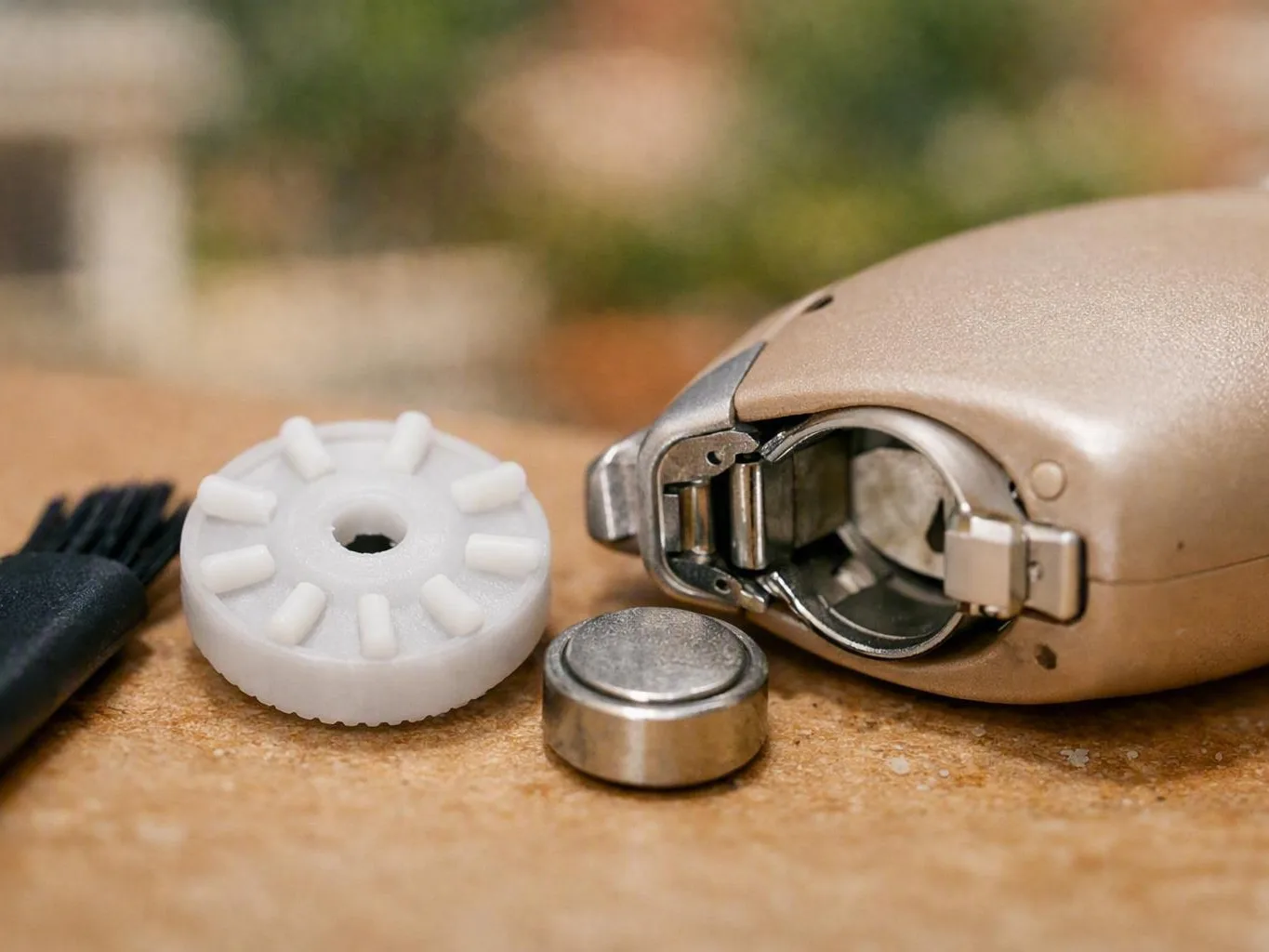
Otoacoustic Emissions Testing is a physiological hearing test that records sounds produced by the cochlea. Otoacoustic Emissions Testing differs from pure tone audiometry because it measures an inner-ear response without requiring spoken answers. In Bhubaneswar, newborns and young children may need Otoacoustic Emissions Testing when speech-based testing is unsuitable.
A focused hearing history identifies age, referral reason, illness and prior screening. This gives the result a clear clinical question.
The ear canal is checked for blockage or visible concerns before probe placement. This reduces avoidable recording errors.
The probe seals the ear canal and presents measured tones. A stable fit gives the equipment a usable emission trace.
The device records cochlear responses while movement and noise are controlled. The family receives a result that reflects test quality.
The audiologist compares the trace with symptoms and linked tests such.tympanometry or BERA. This supports a safe next step.
The cost of Otoacoustic Emissions Testing depends on factors like scope, materials needed, and complexity. Here are typical ranges for Bhubaneswar:
Newborn or child screening
A probe-based recording checks cochlear response.
Unclear first result
The test checks whether movement, noise or ear conditions affected the finding.
Results needing context
The audiologist may relate OAE findings to BERA, tympanometry or audiometry.
Prices are estimates. Call for an exact quote—we always provide upfront pricing before starting work.
A calm, well-rested child usually makes the recording easier to complete.
Otoacoustic Emissions Testing measures cochlear responses through a soft ear-canal probe.
Your first deliverable is a quality-checked OAE recording and a stated recommendation for repeat testing or linked assessment.
Call Audium Hearing Aid Clinic on 7008550109 to schedule a hearing assessment or discuss hearing aid support.
Bhubaneswar, Odisha
A tight school deadline can make a first hearing appointment feel uncertain for a family in Bhubaneswar, Odisha. Otoacoustic Emissions Testing starts with a short history, ear check and probe recording, rather than a long spoken test. If the child is unsettled, the team can pause and plan a repeat recording or linked assessment. The safest plan is to bring prior screening notes and allow settling time.
A parent comparing a disappointing earlier result in Bhubaneswar, Odisha needs to know what caused the uncertainty. The consultation checks probe fit, noise, movement and possible middle-ear blockage before interpreting the trace. The stated goal is a dependable decision about repeat OAE testing or BERA, not a rushed hearing-aid recommendation.
A child with ear sensitivity may resist a probe after a recent illness or uncomfortable clinic visit in Bhubaneswar, Odisha. The audiologist can discuss the trigger, check the outer ear, and plan a calm recording with breaks. Aftercare includes keeping ears dry after bathing, avoiding cotton buds, and returning for review if discharge, pain or repeated failed recordings continues. Suitability comes before completion.