Home and Remote Hearing Services.
A clinic hearing test gives the most controlled and complete assessment. A home hearing test offers easy screening and follow-up support. Home testing can suit adults with mobility, travel or scheduling problems when symptoms are mild. Visit a hearing clinic for sudden hearing loss, one-sided symptoms, ear pain, discharge, dizziness, complex needs or unclear results. Remote hearing-aid programming can adjust compatible devices after an assessment. It can’t replace every in-person diagnostic examination. At Audium Hearing Aid Clinic, we help people choose screening, diagnostic assessment or hearing-aid follow-up.
Home Hearing Test vs Clinic Hearing Test: Quick Comparison
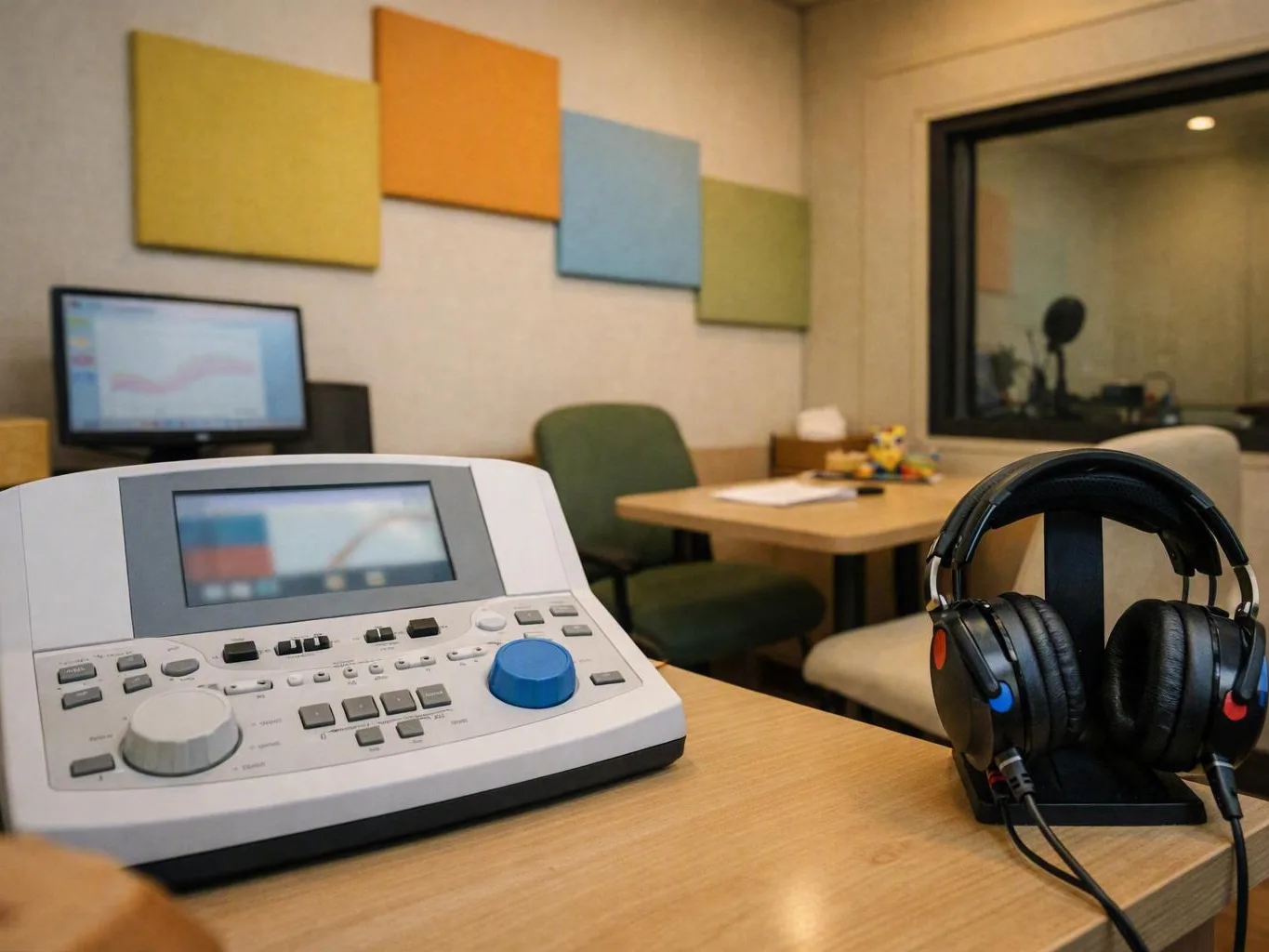
Home hearing test services focus on convenience and early screening. A clinic hearing test uses controlled equipment and professional supervision. It also offers a wider diagnostic assessment. Costs, appointment times, maintenance and suitability vary between providers. Home testing suits selected low-risk cases. Clinic assessment is better for lasting, complex or concerning symptoms.
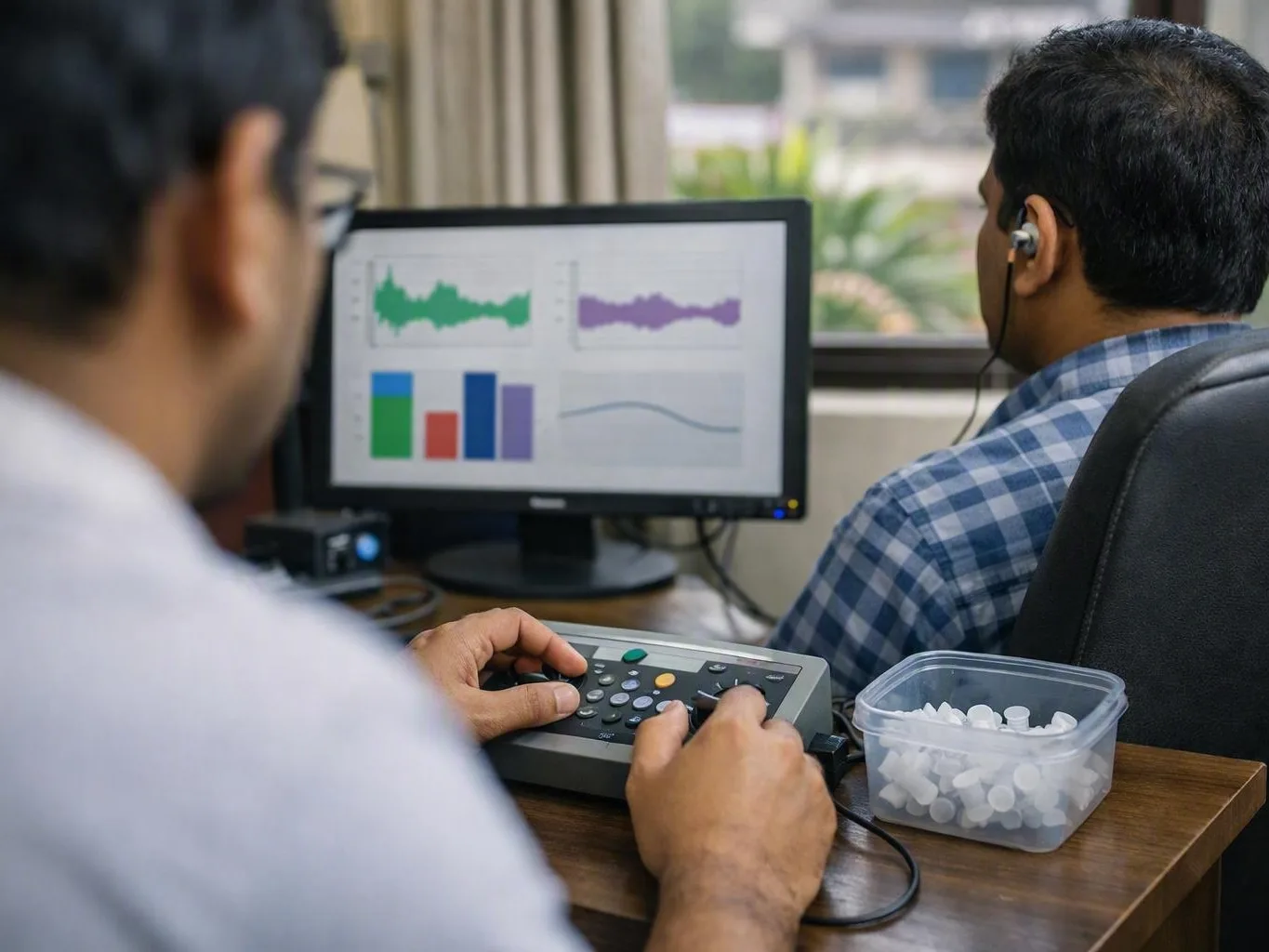
Screening checks whether hearing may have changed. Diagnostic audiology looks at the type and level of hearing loss. A clinician may use pure-tone audiometry, speech audiometry and other tests in a quiet room. A usual appointment takes around 30–60 minutes, depending on the symptoms and tests needed.
| Factor | Home hearing test | Clinic hearing test |
|---|---|---|
| Cost | May include a service fee, travel charge or online screening cost. | Usually covers professional time, calibrated equipment and a fuller assessment. |
| Timeline | Can help people who need flexible times or testing at home. | Needs travel to an appointment, but testing and discussion happen together. |
| Maintenance | Headphones, apps, batteries and settings need careful handling. | The provider checks and maintains testing equipment as needed. |
| Best for | Low-risk screening, mobility problems and selected follow-up checks. | Unclear, lasting or complex symptoms and treatment planning. |
For example, an online hearing screening may show a possible concern. It may not explain the cause. A supervised assessment is better when results may lead to hearing-aid fitting, medical referral or changed treatment.
People searching for a Home Hearing Test in Bhubaneswar may ask about the service details. Check whether it includes an audiologist, written report and follow-up appointment. Compare the full service, not headline prices alone.
Home and Clinic Hearing Test Pros and Cons
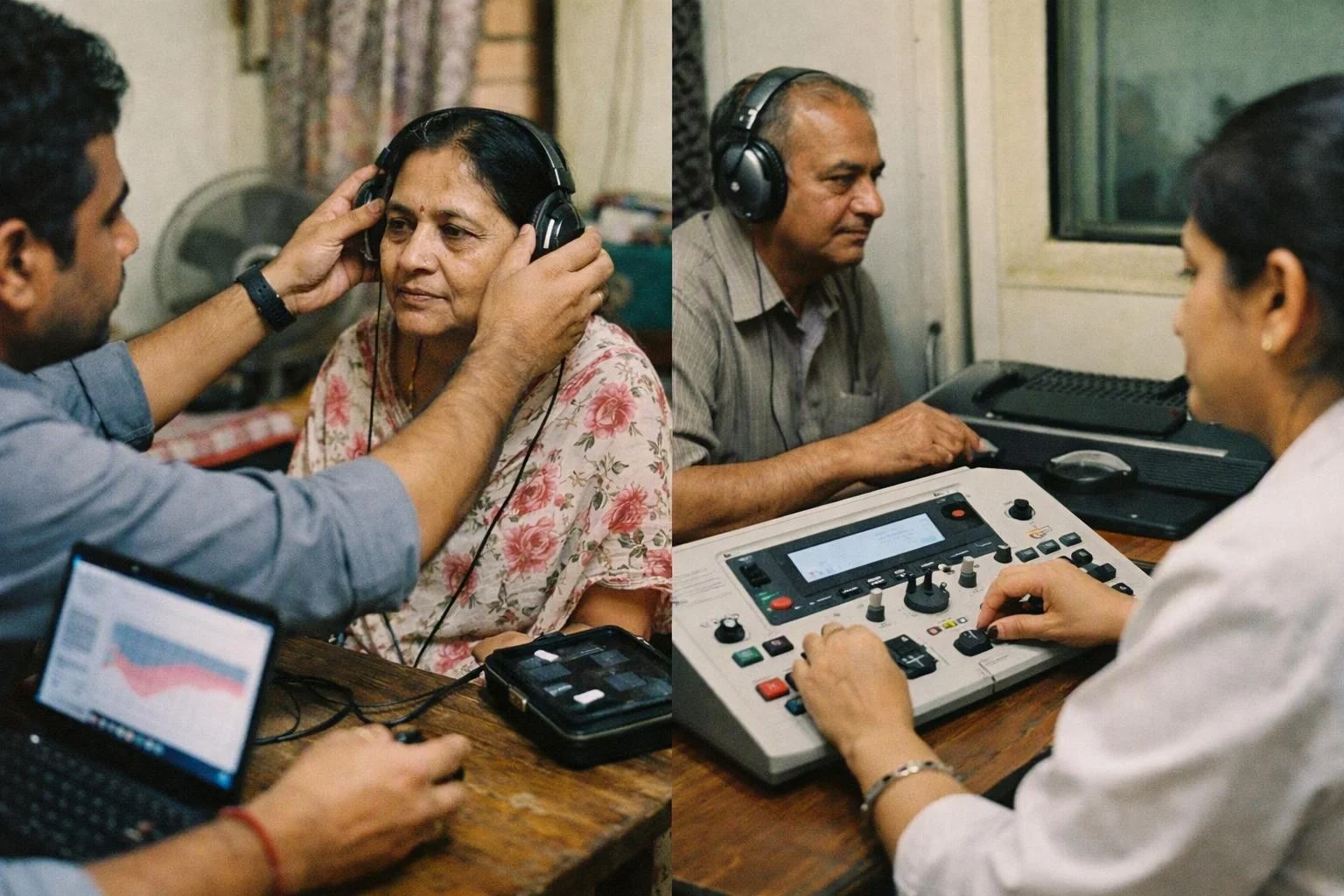
A home hearing test can make care easier for older adults and people with mobility limits. It can also help caregivers and people who face travel problems. Still, several points matter, including room noise, equipment quality and audiologist review.
Home Hearing Test: Pros
Home Hearing Test: Cons
Clinic Hearing Test: Pros
Clinic Hearing Test: Cons
Neither option suits everyone. The right choice depends on symptom risk, room conditions, equipment and communication needs. It also depends on whether you need screening or a diagnostic hearing evaluation.
How Does Remote Hearing-Aid Programming Work?
Remote hearing aid programming adjusts compatible hearing devices through a secure connection. The connection links the clinician, patient and manufacturer’s software or app. It can change volume, sound balance and listening programmes after an assessment. It needs a compatible device, reliable connection, useful feedback and proper clinical review.
During teleaudiology, the clinician reviews your concerns and connects to the manufacturer’s system. They can then change hearing-aid settings remotely. You’ll usually need compatible hearing aids, a charged device and smartphone app access. Stable internet or mobile service is also needed.
Privacy matters during the appointment. Use a private place, a secure account and an updated app. Clear feedback helps too. Tell the clinician if speech sounds sharp or background noise feels uncomfortable. Mention any change in tinnitus.
Remote hearing-aid programming is mainly for follow-up care. It can help after in-person programming. However, it can’t inspect the ear, remove wax or investigate discharge. It also can’t replace testing when the diagnosis is unclear. If the device or connection doesn’t work, an in-person visit may be safer.
What Does a Home Hearing Test Cost in India?
Hearing test at home cost India varies by provider, clinician travel, test depth and equipment. Follow-up care and hearing-aid support may also affect the price. An online screening may cost less than a clinician-led assessment. Compare what the service measures and who reviews the results.
A home visit fee may be separate from the audiological assessment.hearing aid consultation. Ask if the appointment includes pure-tone audiometry, speech audiometry and calibrated headphones. Check whether an audiologist explains the results and next step.
There’s no single useful price for every service. A basic online hearing test may only show whether more testing is needed. A mobile assessment may include clinician travel and extra equipment. Request a written price breakdown before booking. Check if follow-up is included.
Cost shouldn’t be the only deciding factor. A cheaper screen may not explain why hearing changed. A fuller assessment may help prevent unsuitable device choices. Seek prompt care for urgent or unusual symptoms, even when price is a concern.
When Should You Visit a Hearing Clinic Instead?
Sudden hearing loss, fast changes, one-sided symptoms, ear pain, discharge or dizziness need a hearing clinic visit. Troublesome tinnitus and unclear home results also need in-person care. A clinic can examine the ear, use calibrated tests and explain the findings. Referral may be needed for infection, blockage, nerve problems or another medical cause.
Don’t use a home screen to rule out a medical problem. An audiologist may need otoscopy, a detailed history and diagnostic testing. Medical referral may also be required. Prompt care matters most when hearing changes suddenly or affects one ear.
Older adults may need a caregiver to describe changes or help with instructions. They may also need travel support. These barriers can support home assessment for low-risk cases. They shouldn’t delay care when warning signs appear.
How to Find a Home Hearing Test near Me?
A suitable home hearing test near me provider should explain who conducts the assessment. It should also list the tests, room requirements, equipment and result process. Ask what happens if you need more care. Confirm availability, clinician credentials, accessibility, privacy and clinic referral before booking.
Search for a hearing-care provider offering mobile audiology. Ask whether an audiologist attends the visit. The service should recommend a quiet room and less background noise. Prepare previous reports and hearing devices before the appointment.
Ask whether the assessment is for screening or diagnosis. Check if ear examination is available and results are explained clearly. A trustworthy service should also say when home testing isn’t suitable.
Follow-up may include a written report, referral, device trial or clinic appointment. If you’re considering a Home Hearing Test or an Online Hearing Test, ask how your information is stored. Check whether you can speak with a clinician after the result.
A Practical Decision Guide for Choosing Home, Remote or Clinic Care
Patient suitability depends on the purpose of care, symptom urgency, mobility and technology. It also depends on whether you need a diagnosis. Choose home testing for low-risk screening. Choose remote programming for compatible hearing-aid follow-up. Choose clinic care for warning signs, complex loss, unclear results or treatment planning.
Choose a home assessment when symptoms are mild and stable. You should be able to follow instructions, and the room should stay quiet. A clinician-led service is best. Mobility limits, older age, caregiver support and travel problems may make home care useful.
Choose remote care when your hearing aids are compatible and the app is easy to use. You’ll also need stable connectivity and a private setting. You should be able to describe changes clearly. Remote care supports follow-up, but it can’t provide every part of diagnostic hearing evaluation.
Choose a clinic appointment when results may guide treatment. In-person care is also better for complex or uneven hearing loss. You may need otoscopy, calibrated equipment or medical referral. Screening and diagnostic care have different purposes, so one can’t fully replace the other.
Before booking, note when symptoms began and which ears are affected. Record noise exposure, medicines, dizziness, pain and discharge. Also note how hearing affects communication. This information helps the audiologist choose the safest next step.
Questions About Hearing Aid Clinic
Is a Home Hearing Test as Accurate as a Clinic Hearing Test?
Not usually for diagnosis. A home screen can help when equipment, room conditions and instructions are suitable. A clinic test offers calibrated equipment, professional supervision, otoscopy and wider interpretation.
Can I Get a Hearing Test at Home near Me?
Availability depends on the provider and your location. Ask whether a qualified audiologist conducts the visit and which tests are included. Check how equipment is prepared and whether clinic referral or follow-up care is available.
How Much Does a Hearing Test at Home Cost in India?
There’s no standard nationwide fee. The amount depends on clinician travel, test depth, equipment, reporting and follow-up. Compare the full service instead of an online screening price alone. Request a clear breakdown before booking.
Can Hearing Aids Be Programmed Remotely?
Yes, compatible devices may be adjusted through manufacturer software or a smartphone app after proper assessment. Stable connectivity, privacy, app access and clear feedback are needed. Remote programming can’t replace ear examination or urgent diagnostic care.
When Should I See an Audiologist for Hearing Loss?
See an audiologist for lasting, worsening, one-sided or unclear hearing changes. Seek prompt medical attention for sudden hearing loss. Ear pain, discharge, dizziness, troublesome tinnitus or suspected blockage also need in-person assessment and possible referral.
Reviewed and authored by Dr. Sakti Prasad Mohanty.
For help selecting screening, remote support or an in-person assessment, contact our team.
Related Resources
Hearing Aid Fitting and Programming Explained: What to Expect Before, During and After a Trial
what happens during a hearing aid fitting
Why It MattersWhy Professional Hearing Aid Fitting Matters: Benefits Over Self-Fitting
benefits of professional hearing aid fitting
Types & CategoriesDigital vs Rechargeable Hearing Aids in Bhubaneswar, Odisha
digital vs rechargeable hearing aids
What Goes With ItHearing Aid Fitting and Programming: Why Both Are Needed
hearing aid fitting and programming difference