Why Hearing Aids Need Both Fitting and Programming
Hearing aid fitting makes the device comfortable and secure on your ear. Hearing aid programming sets the sound for your hearing needs. Audiologists often use both services together. A well-placed device can still sound wrong, and good programming cannot fix a poor physical fit.
Written by Dr. Sakti Prasad Mohanty
What Is the Difference Between Hearing Aid Fitting and Programming?
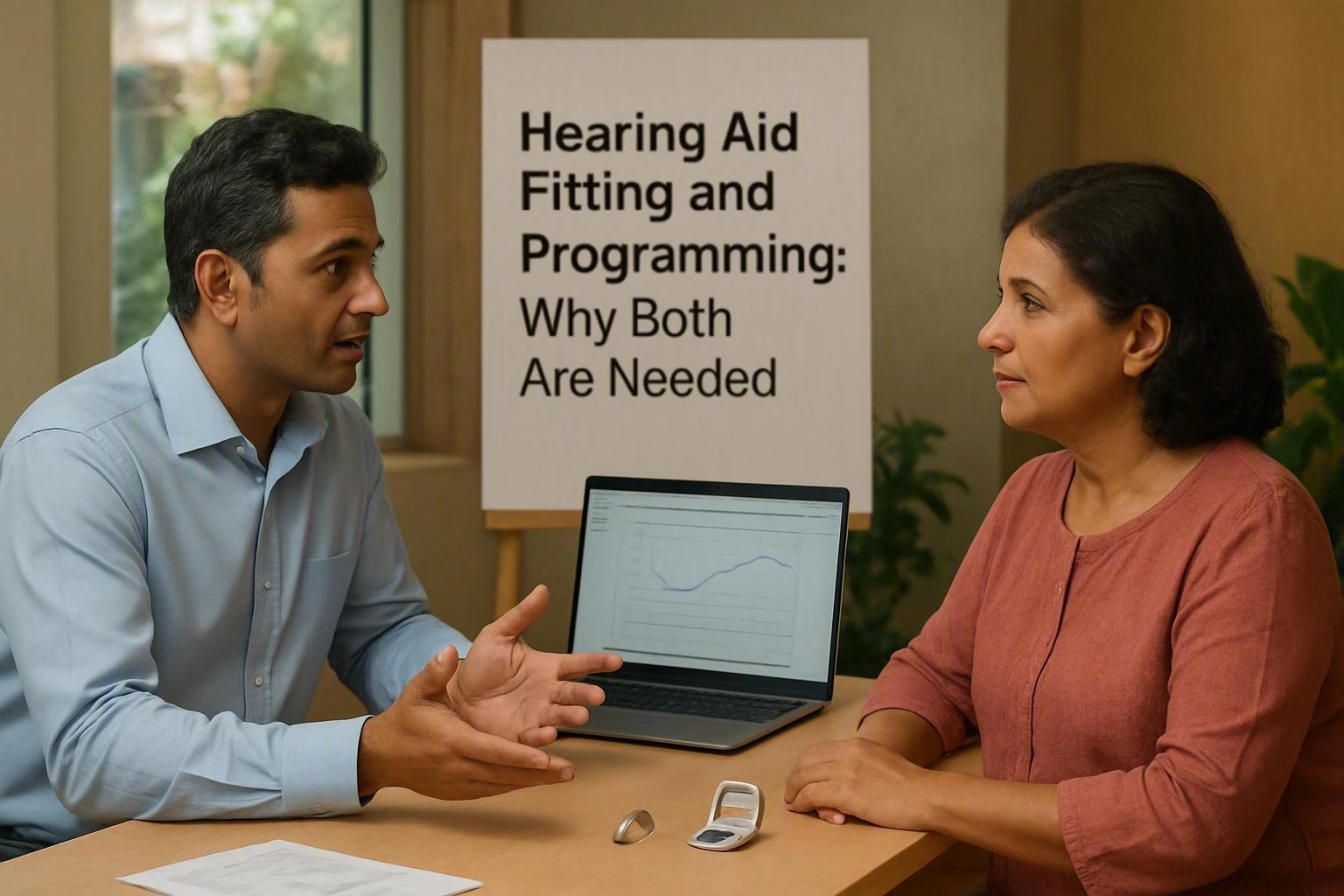
Hearing aid fitting changes how the device sits, seals and works on the ear. Hearing aid programming changes its electronic sound response. An audiologist considers both comfort and hearing test results. Either service alone may leave you with discomfort, weak sound or unnatural hearing.
Fitting connects the hearing device to your ear. It may include choosing an earmould, ear dome or receiver. The audiologist also checks insertion depth, grip and the acoustic seal. Every ear is different, so one part may feel secure for one person but tight for another.
Programming changes the device’s amplification and sound features. The clinician uses the audiogram, which measures hearing levels, to set gain and frequency response. Settings may also be adjusted for speech, television, traffic and group conversations.
A first-time user may have a well-programmed device that feels sore because the receiver is too long. Another person may have a comfortable fit but hear weak speech or sharp music. This can happen when the sound settings do not match the prescription. Gradual adjustment is common, especially for older adults returning to daily listening.
A Hearing Aid Fitting appointment in Bhubaneswar, or elsewhere, should check both the ear and the device. At Audium Hearing Aid Clinic, we review how the aid works during real conversations. Comfort and clear hearing need equal attention.
How Hearing Aid Fitting Creates Comfort and Stability?
Hearing aid fitting makes the device comfortable and stable by matching it to your ear. The clinician checks the dome, receiver or earmould. They also check placement, grip, seal and pressure. A good fit stays secure, reduces whistling and supports steady sound during daily activities.
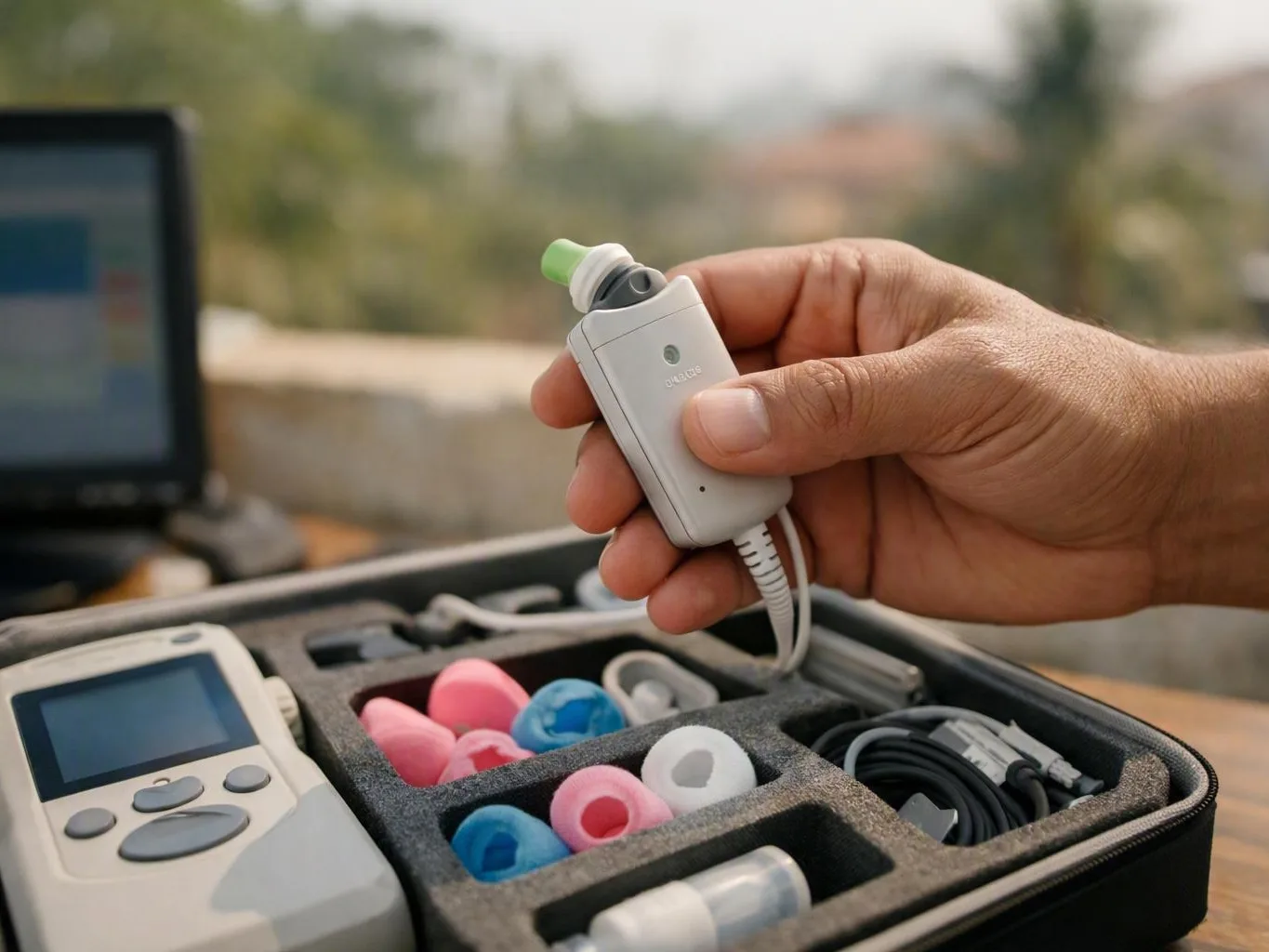
An earmould may help when the ear needs a stronger seal or better grip. An ear dome can feel lighter and more open. The receiver must have the right length and power for your ear and hearing loss. These choices affect comfort, speech clarity and sound movement through the ear canal.
The audiologist checks whether the aid moves while you speak, chew, walk or wear spectacles. Movement can interrupt sound and cause feedback. Feedback controls and fitting changes can reduce whistling. They can do this without lowering useful amplification too much.
A stable fit should not cause lasting soreness, pressure or a blocked-ear feeling. Some new users hear their own voice as unusually loud. This is called the occlusion effect. A different dome, vent or insertion method may help. Earwax can also affect fit, feedback and sound, so an ear check may be needed.
Our team can explain the difference between an in-the-ear hearing aid fitting and a behind-the-ear hearing aid fitting. Most appointments include several small checks. Comfort often improves through a planned follow-up adjustment.
What Does a Hearing Aid Programming Appointment Adjust?
Hearing aid programming adjusts digital amplification to match your hearing loss. The audiologist uses the audiogram to set gain across different frequencies. They then adjust volume, noise control and speech settings for your daily needs.
More high-frequency gain may help you hear speech sounds such as consonants. Other frequency bands may need different settings. The goal isn’t to make every sound louder. Too much gain can make voices sharp and background noise distracting. Too little gain may leave speech unclear.
Programming may include automatic sound changes, directional microphones, feedback control and volume limits. Someone who mainly speaks one-to-one may need different settings from someone who attends meetings. Television and busy family groups may need other preferences. Two hearing aids may also need balancing between the ears.
Clinicians often check the result with real-ear measurement. This compares the hearing aid’s output inside the ear with the prescribed targets. It helps confirm that the device gives the right response. This check is useful when ear shape or mould affects the sound.
Sound may seem different at first because the brain is learning to hear more detail. Programming can support gradual adjustment. However, lasting discomfort should be reported rather than tolerated. Real-ear verified programming helps guide careful changes.
Hearing Aid Fitting vs Programming: A Practical Comparison
Hearing aid fitting deals with how the device sits on your ear. Hearing aid programming deals with how it processes sound. Fitting focuses on comfort, stability and the acoustic seal. Programming focuses on amplification, frequency settings and listening preferences. Together, they create a practical hearing aid solution.
| Aspect | Hearing aid fitting | Hearing aid programming |
|---|---|---|
| Main purpose | Position and secure the device comfortably | Configure sound output for the hearing profile |
| Clinical focus | Ear anatomy, retention, seal and physical comfort | Hearing thresholds, gain, frequency response and sound processing |
| Common adjustment | Dome, earmould, receiver length or insertion depth | Volume, frequency bands, noise reduction and speech settings |
| Typical concern addressed | Slipping, pressure, soreness or acoustic feedback | Sounds being too loud, too soft, sharp or unclear |
| How success is assessed | Comfort, stability, seal and everyday wearability | Audibility, speech understanding, sound quality and tolerance |
The two processes overlap, but neither replaces the other. A programming change can’t stop a loose receiver from moving. A new dome can’t correct gain that is too low for the audiogram. A good setup uses clinical checks and your feedback.
Most combined appointments take about 45–90 minutes. The time depends on your ear shape, device type and testing needs. Complex cases may need a second visit instead of too many changes at once.
When Do You Need Hearing Aid Fitting and Programming Together?
Hearing aid fitting and programming are needed together when a device is new, uncomfortable, unstable, whistling or hard to hear through. Changes in your ear can affect sound delivery. Changes in programming can reveal fit problems. Both checks help identify whether the cause is physical, acoustic or linked to adjustment.
These problems can affect hearing aid users in many settings. They may occur during conversations, television viewing or group discussions. A new user may need softer starting settings. An experienced wearer may need stronger speech support after hearing changes.
What Happens During a Combined Hearing Aid Appointment?
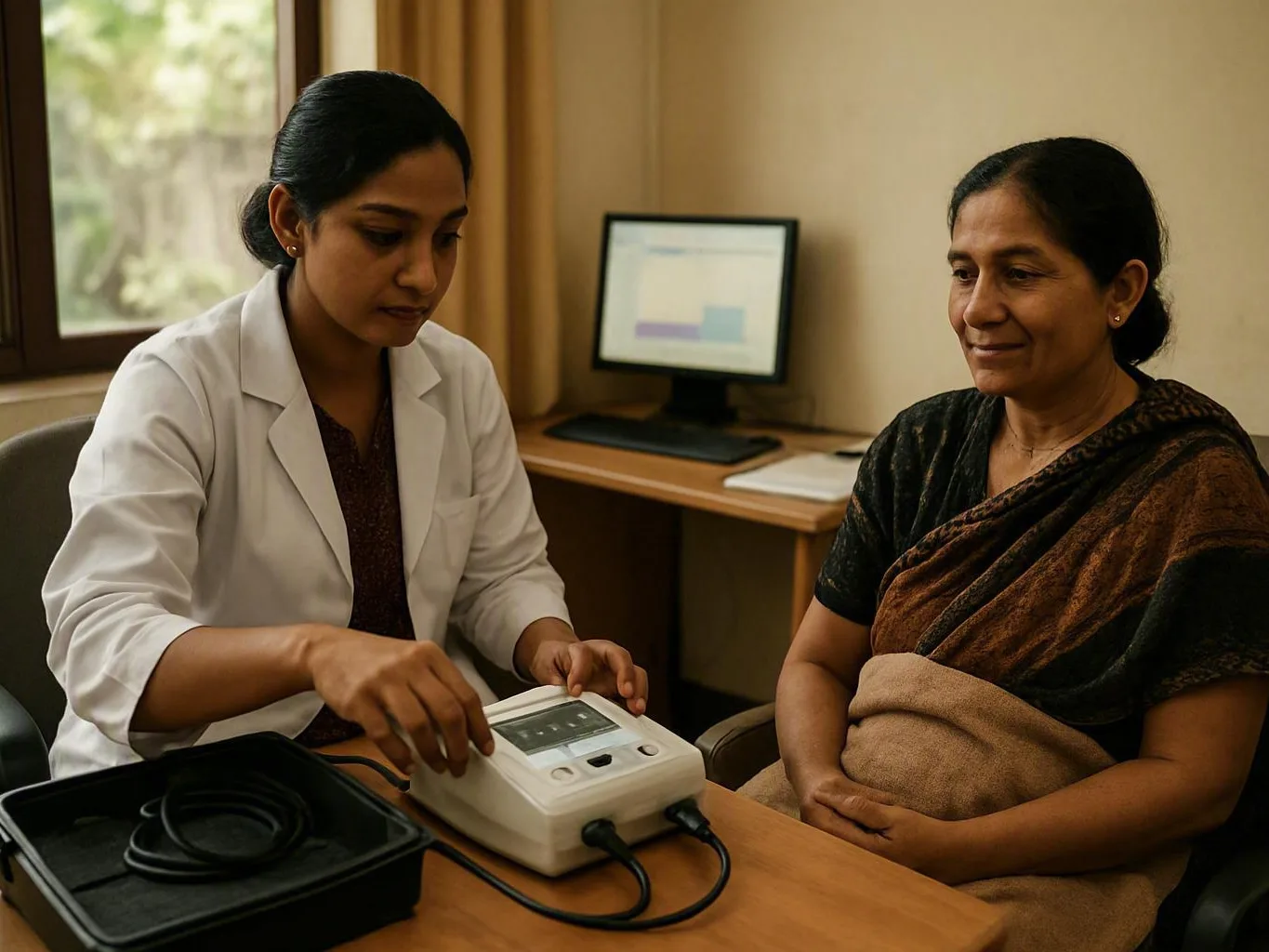
A combined hearing aid appointment usually includes a review of your hearing needs and an ear check. It also includes physical fitting, programming and verification. The audiologist checks comfort and speech clarity, then explains care and use. Follow-up changes are recorded for more accurate adjustments.
The audiologist is responsible for assessment, fitting, programming and verification. The output must match the audiogram and remain comfortable during adjustment. Your comments are important clinical information, not a minor preference.
Our team may compare listening during quiet conversation, television and group situations. We also explain cleaning, charging and device care. Earwax, tubing damage or a blocked receiver can affect sound. These causes should be checked before changing amplification.
How Can You Tell Whether the Problem Is Fit or Programming?
A fit problem often causes movement, pressure, a blocked-ear feeling or changing feedback. A programming problem more often causes sound that is too loud, too soft, sharp or unclear. This can happen even when the device sits firmly. An audiologist should check both causes before changing amplification.
Hearing aid feedback may come from a poor seal, an unsuitable earmould or a moved ear dome. It may also result from earwax or a changed ear canal. If whistling stops when you press the device into place, the fit needs attention.
Harsh sound, distortion or weak speech may suggest a programming issue. Device care should still be checked first. A blocked wax guard, low battery, moisture or damaged receiver can cause similar problems. The clinician may inspect and clean the aid before changing its settings.
Tell the provider what happens, when it happens and where it happens. “Voices are unclear in a group” gives more useful information than saying the aid isn’t working. These details help separate fit, ear-related and sound-setting problems.
Questions About Hearing Aid Clinic
What Is the Difference Between Hearing Aid Fitting and Programming?
Fitting adjusts how the device sits, seals and stays on the ear. Programming adjusts digital amplification, gain, frequency response and sound-processing features to match the audiogram and listening needs.
Does Hearing Aid Programming Improve Hearing?
Programming can improve access to speech and everyday sounds by matching amplification to the hearing loss. It can’t restore normal hearing or fix a loose, painful or poorly sealed device on its own.
How Long Does a Hearing Aid Fitting and Programming Appointment Take?
Many appointments take about 45–90 minutes. The duration depends on the device, ear anatomy, testing, real-ear verification, teaching and any follow-up adjustment.
How Often Do Hearing Aids Need to Be Programmed?
Programming is often reviewed after the initial fitting and whenever hearing, comfort, device use or listening environments change. Some people need occasional reviews. New users may need several early adjustments.
Why Does My Hearing Aid Whistle After Fitting?
Whistling may come from movement, a poor seal, an unsuitable dome or earmould, earwax, blocked parts or excessive amplification. An audiologist can check the ear and device, then apply suitable feedback control.
If discomfort, feedback or unclear speech continues, arrange a professional review. Don’t remove the device permanently without checking the cause. We can assess the fit, settings, ear health and sound quality together.
Contact our teamRelated Resources
Hearing Aid Clinic for Seniors
Everything About ItHearing Aid Fitting and Programming Explained: What to Expect Before, During and After a Trial
what happens during a hearing aid fitting
Why It MattersBenefits of Hearing Aids for Communication and Quality of Life
what are the benefits of hearing aids
Why It MattersWhy Professional Hearing Aid Fitting Matters: Benefits Over Self-Fitting
benefits of professional hearing aid fitting