Why Professional Hearing Aid Fitting Matters
Professional hearing aid fitting can improve comfort, speech understanding and safe device use. It matches the technology to your hearing needs, ear shape, lifestyle and communication goals. Hearing tests, real-ear checks, programming and follow-up visits create a more reliable experience than self-fitting alone.
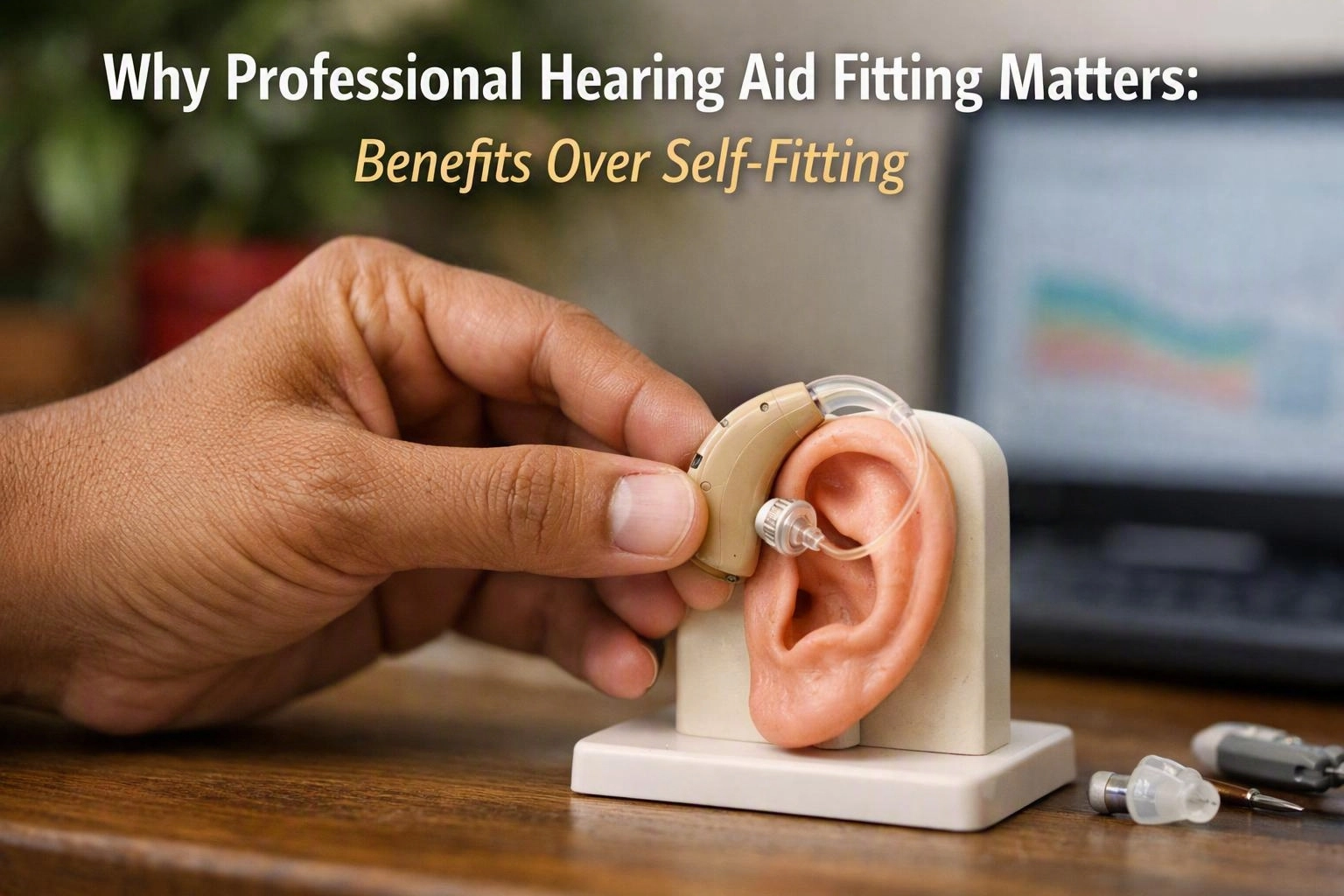
Professional hearing aid fitting is a clinical service, not just a retail handover. At Audium Hearing Aid Clinic, we help older adults, first-time users and people with communication difficulties understand their choices.
For someone considering Hearing Aid Fitting in Bhubaneswar, a personal appointment can link hearing test results with daily needs. These needs may arise at home, work or in community settings. Safe recommendations should reflect hearing levels, speech understanding, loudness tolerance, ear shape and medical history.
Dr. Sakti Prasad Mohanty provides clinical guidance based on practical communication goals and safe device use.
What Professional Hearing Aid Fitting Includes?
Professional hearing aid fitting brings together hearing tests, device choice, physical fitting, programming and checks. A hearing care professional considers your hearing levels, speech understanding, ear shape, hand control, lifestyle and communication goals. The device is then adjusted, and safe daily use is explained.
The process starts with an audiological assessment. This may include an ear examination, a hearing test and questions about listening problems. Your medical history and difficulty with background noise also matter. The results help the audiologist choose suitable amplification instead of using a general setting.
Hearing aid choice also depends on your ear canal, vision, hand control and daily routine. Behind-the-ear, receiver-in-canal and custom options have different handling and retention needs. An earmould or hearing aid receiver may suit you if your ear shape, hearing loss or feedback risk needs extra support.
During the appointment, the device is placed correctly and connected to fitting software. The clinician adjusts it to match your prescription. You’ll learn about controls, charging or batteries, cleaning and maintenance. A hearing aid trial lets you check speech clarity, comfort and daily performance. Follow-up visits can then refine the setup as you adjust to amplified sound.
Clearer Speech Understanding in Everyday Conversations
Professional adjustment can make speech easier to hear by matching sound levels to your hearing loss. The goal isn’t simply louder sound. It’s speech that’s clear enough to follow, with manageable background noise.
Directional microphones may focus on sound from in front of you. They may also reduce some competing sounds. Their benefit depends on the room, speaker position and device design, so results vary. Speech-in-noise testing can show how well settings support conversations with family, colleagues or community groups.
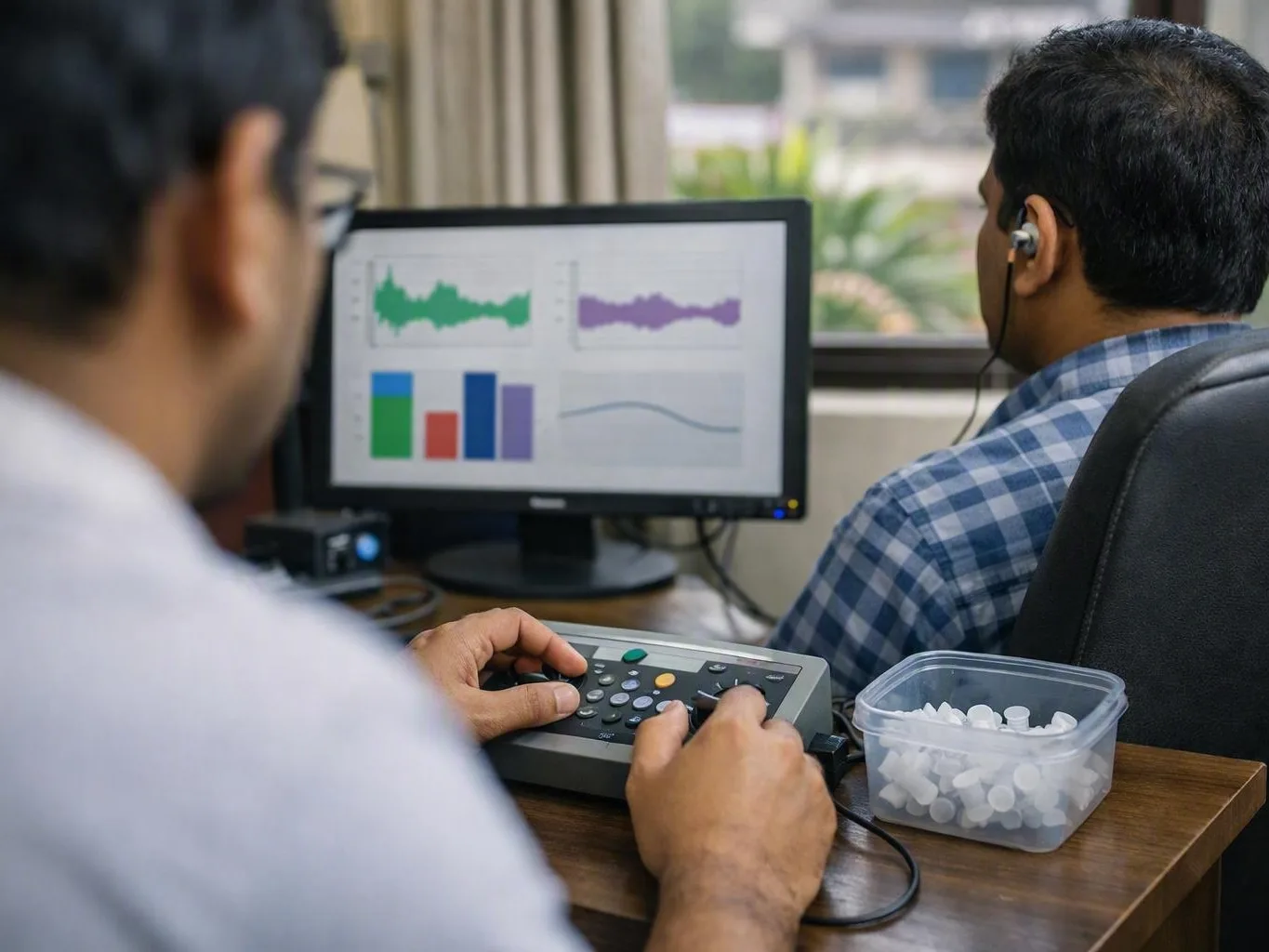
During a review, the clinician may compare hearing with and without the device. You may also repeat words in quiet and noisy places. Most appointments explore several listening situations within about 45 to 90 minutes. The time can vary when needs are more complex. These checks guide programming instead of relying only on personal impressions.
Greater Comfort Without Excessive Loudness
Professional care balances clear sound with comfort. The clinician adjusts gain and frequency response to match your hearing levels and loudness tolerance. This can stop normal speech or sudden sounds from feeling too sharp.
Amplified sound may feel unusual at first, especially after long-term hearing loss. Gradual adjustment gives your hearing system time to adapt. Your clinician may suggest a step-by-step wearing routine. Settings can then change if sound feels too soft, too loud or tiring.
Tell the clinician about loudness discomfort, tinnitus, poor sound tolerance or past ear disease. There’s no single volume setting for everyone. A follow-up visit can adjust compression, input limits and programme choices when daily listening shows a problem.
A More Secure and Comfortable Physical Fit
A secure fit helps the device stay in place. It can also reduce irritation, movement and sound leakage. The clinician checks your ear canal, shell or earmould, and receiver position.
Domes may suit some ears and hearing profiles. An earmould may offer better hold or a more controlled seal. The choice depends on comfort, ventilation, hearing levels, hand control and the risk of moisture or wax.
Feedback control is also part of fitting. Whistling may come from a poor seal, wax, movement or too much amplification. A physical change, cleaning advice or new settings may fix it. Ongoing pain, discharge or sudden changes need medical assessment, not repeated device adjustments.
Better Results from Hearing Aid Programming
Real-ear measurement checks the sound level delivered near the eardrum. It compares that level with a prescription target. This check confirms that the settings suit your ear instead of assuming software values are accurate.
The clinician can adjust frequency bands, gain and compression for different speech levels and surroundings. A quiet chat, family meal and noisy workplace may need different settings. Programming should always match your hearing test and communication goals.
Verification can’t guarantee perfect hearing. It does make the fitting measurable and easier to improve. If speech stays unclear, the audiologist can review your results, physical fit, wax, device function and listening conditions. This is safer than making an unexplained volume change.
Safer, More Confident Use at Home
Clear instructions help people use hearing aids safely and regularly. You’ll learn about device controls, programme changes, volume limits and warning lights. The clinician can also explain charging problems.
Battery safety matters, especially around children and pets. Rechargeable hearing aids need proper charging and dry storage. Store disposable batteries safely and away from moisture. Replace them according to the manufacturer’s instructions.
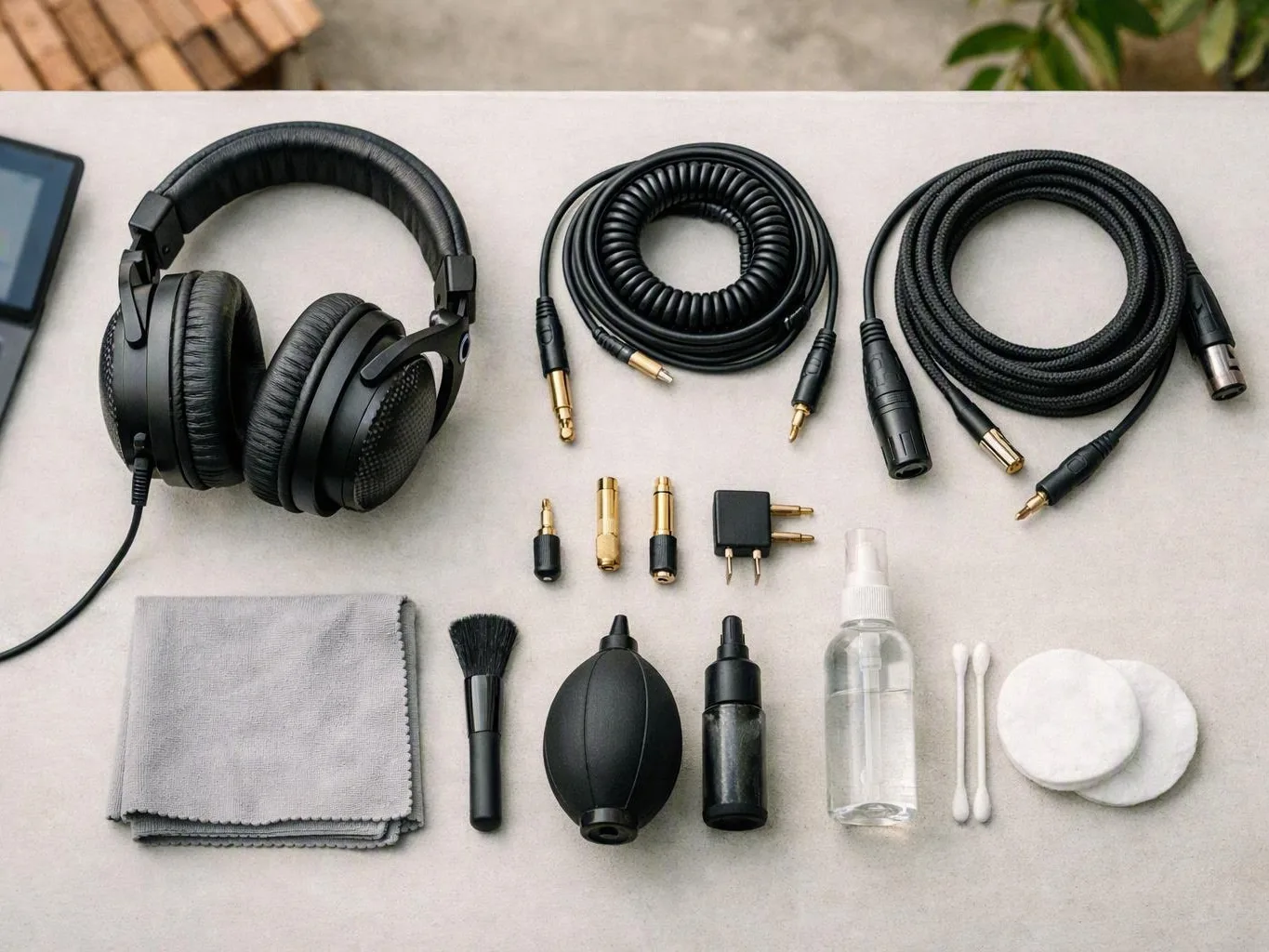
We also show you how to maintain your hearing aid. This includes cleaning the microphone area and changing wax guards when needed. You’ll learn to check domes or tubing, too. Poor vision, memory concerns or hand control problems may call for simpler controls, carer support or written instructions. Suspected ear blockage, sudden hearing changes, pain or discharge need prompt clinical or medical attention.
Typical Outcomes: Professional Fitting Compared with Self-Fitting
Professional fitting often gives more measurable and manageable results than self-fitting. That’s because settings are linked to hearing test results and checked on the wearer. Common measures include aided speech understanding, daily wearing time, comfort, feedback and the number of adjustment visits.
Self-fitting hearing aids may suit some adults with stable, well-understood hearing needs. They may also suit people who feel confident using technology. However, self-fitting may miss ear blockage, medical warning signs or uneven hearing loss. It may also miss a poor match between amplification and speech understanding. Results vary, so this comparison is only a guide.
| Outcome measure | Professional pathway | Self-fitting pathway |
|---|---|---|
| Speech understanding | Linked to hearing levels, aided speech testing and listening goals | Depends on self-selected settings and personal testing ability |
| Wearing time | Reviewed and supported through comfort checks and follow-up adjustment | May reduce if sound feels uncomfortable or hard to manage |
| Comfort | Physical fit, loudness tolerance and adjustment are assessed | Fit and loudness are judged mainly without clinical guidance |
| Feedback | Seal, receiver position and programming can be checked | Whistling may continue if its cause isn’t found |
| Follow-up adjustment | Planned reviews can refine settings as listening habits change | Usually depends on the user finding and solving problems |
Most new users need more than one listening check. Comfort and speech clarity can change as they adjust. Professional care is especially helpful with ongoing feedback, discomfort, poor speech understanding, handling problems, suspected ear blockage or sudden hearing changes.
How the Professional Fitting Journey Works?
A professional hearing aid fitting usually has five stages. These are consultation and hearing assessment, device selection, physical fitting, programming with verification, and follow-up review. This process helps the clinician find medical concerns, check comfort, correct problems and adjust settings as you adapt.
The journey may move at a different pace for an older adult, first-time user or person who struggles with conversation. Family members or carers can attend, take notes and support safe daily routines.
A first appointment commonly takes about 60 to 120 minutes when testing, discussion and initial programming are combined. This is a typical range, not a fixed promise. Follow-up visits are often shorter. Complex hearing loss, ear shape or communication needs may require more time.
Questions About Hearing Aid Clinic
What Are the Benefits of Professional Hearing Aid Fitting?
It links the device to your hearing levels, speech understanding, ear shape, loudness tolerance and communication goals. This can support clearer speech, better comfort, safer handling and more useful follow-up than choosing settings without clinical support.
Can I Fit and Programme Hearing Aids Myself?
Some adults can use self-fitting hearing aids when their hearing needs are stable and they can manage the technology. Professional assessment is safer with sudden or uneven hearing changes, ear symptoms, ongoing feedback, discomfort, poor speech understanding or handling difficulty.
How Long Does a Professional Hearing Aid Fitting Take?
A combined assessment and first fitting commonly takes about 60 to 120 minutes. The time depends on the hearing test, discussion, physical fit, programming, real-ear measurement and your questions. Follow-up visits are often shorter.
What Happens During a Hearing Aid Fitting Appointment?
The audiologist reviews your hearing assessment and selects a suitable device. They check the earmould or dome, programme the hearing aid and may complete real-ear verification. You’ll also learn about controls, charging or battery safety, cleaning, maintenance and follow-up visits.
Are Professionally Fitted Hearing Aids More Comfortable?
They can be more comfortable because the physical fit, loudness tolerance, gain and frequency response are checked together. Comfort still varies, and gradual adjustment with follow-up changes may be needed.
How Often Do Hearing Aids Need Professional Adjustment?
Adjustment needs vary between people. New users commonly have an early follow-up visit. Further reviews may help when hearing changes, comfort problems, feedback, poor speech clarity or handling concerns appear. Routine hearing checks and maintenance can also show when changes are needed.
Would you like help understanding your hearing test, comparing options or arranging a personalised consultation? Our team can discuss your listening needs and explain the next suitable step. No single device or setting suits everyone.
Arrange a hearing consultationRelated Resources
Hearing Aid Clinic for Seniors
Who It's ForHearing Aid Clinic for People with Tinnitus
hearing aid clinic for tinnitus
Who It's ForHearing Aid Clinic for Cochlear Implant Candidates
hearing aid clinic for cochlear implant evaluation
Everything About ItDigital vs Rechargeable Hearing Aids: Complete Guide to Features, Benefits and Fit
digital vs rechargeable hearing aids