Digital and Rechargeable Hearing Aids: Which Suits You in Bhubaneswar, Odisha?
Digital hearing aids adjust sound for clearer listening. Rechargeable hearing aids add built-in batteries and simple charging. Many modern rechargeable devices are digital too, so your choice depends on hearing loss, hand movement, routine and technology needs. An audiologist-led trial at Audium Hearing Aid Clinic can help. Dr. Sakti Prasad Mohanty provides the clinical authorship for this guide.
Digital vs Rechargeable Hearing Aids: What Is the Difference?
Digital hearing aids describe how a device processes sound. Rechargeable hearing aids describe how it receives power. A hearing aid can be both digital and rechargeable. Digital processing adjusts sound, while rechargeable power makes daily use easier. Your hearing needs and professional programming still guide the choice.
Digital versus rechargeable hearing devices aren't two completely separate groups. “Digital” means the device uses digital sound processing. A microphone collects sound, and the processor analyses it. A receiver then sends the adjusted sound to your ear.
This process lets an audiologist tailor amplification for speech, background noise and your hearing loss. “Rechargeable” refers to the power system. These devices have a built-in battery and sit in a charger, dock or case when not in use.
Many behind-the-ear hearing aids and receiver-in-canal hearing aids combine digital processing with lithium-ion power. Some digital models use disposable batteries instead. These may suit people who want quick changes or spare batteries during travel.
Others prefer rechargeable hearing aids because small batteries can be hard to handle. This is common with reduced hand movement or limited vision. The word digital alone doesn't show sound quality, suitability or price.
A rechargeable design doesn't automatically provide better speech understanding. An audiologist considers hearing loss, ear health, comfort and listening needs. They also check your ability to manage daily care before recommending a device.
Digital vs Rechargeable Hearing Aids Compared
Digital signal processing gives control over sound settings. A rechargeable battery offers a simple power routine. Most current rechargeable models use the same digital platform as other hearing devices.
They use a built-in battery and charging station instead of disposable batteries. The table below compares practical use, cost factors and suitable users.
| Type | Key Features | Typical Cost | Best For |
|---|---|---|---|
| Digital hearing aids with disposable batteries | Programmable amplification, microphones, noise reduction, feedback management and optional Bluetooth connectivity | Varies by technology level, design, fitting and aftercare | People wanting flexible power choices or easy spare-battery storage |
| Rechargeable digital hearing aids | Integrated battery, charging station or case, programmable processing and possible smartphone features | Often influenced by battery system, technology level and included support | Users who prefer a simple overnight charging routine |
| Basic digital devices | Core amplification with fewer automatic adjustments or connectivity options | Usually positioned according to features and fitting complexity | People with straightforward listening needs and a limited feature requirement |
| Advanced rechargeable digital devices | More automatic scene changes, noise management, streaming and fine hearing aid programming | Typically higher where advanced processing and support are included | Users moving between quiet rooms, meetings, traffic and social settings |
Look at the full cost of care, not just the device price. Ask what the quote includes. This may cover a hearing assessment, fitting, programming, accessories, repairs, battery replacement, warranty and follow-up adjustments.
A first fitting may include one assessment and an initial fitting. It may also include several adjustment visits in the following weeks. The exact plan depends on your hearing loss and adjustment needs.
Digital Hearing Aids: When They Make Sense
Digital hearing aids turn incoming sound into digital signals. They then adjust amplification through programmed settings. They can suit people who need clearer speech, noise control or flexible fitting options.
These models may use disposable or rechargeable batteries. So, assess hearing loss, handling comfort, connectivity and aftercare. Don't choose based on the word digital alone.
Directional microphones focus more on sounds from in front. Noise reduction may lessen steady background noise. Feedback management helps control whistling when the device fits and works correctly.
These features can help during conversations, classes, work, market visits and family gatherings. Digital devices can support mild-to-severe hearing loss. Suitability still depends on your hearing pattern, ear health and required amplification.
A hearing test and careful programming help prevent too much or too little amplification. Some people value Bluetooth connectivity for calls and audio. Others prefer a simpler design.
Benefits include personal settings, different styles and many feature choices. Possible drawbacks include a learning period and more controls to understand. Regular follow-up may also be needed.
Digital processing doesn't remove the need for cleaning, earwax care or safe storage.
Rechargeable Hearing Aids: When They Make Sense
Rechargeable hearing aids use a built-in battery that charges through a charger, usually overnight. They suit users who don't want to handle small disposable batteries.
They can also make the daily routine easier. Battery life, charging access, care and replacement options still matter. Select a rechargeable model after a hearing assessment and proper programming.
Many current devices use a lithium-ion battery. You usually place the aids in a charging case or station at day’s end. You remove them after charging.
Many batteries are designed to last a full day. Streaming, strong amplification, battery age and weather can change performance. Check the maker’s guidance for expected battery life.
The main benefits are convenience, fewer loose batteries and easier handling. This may help people with arthritis, reduced hand movement or poor vision. A regular charging routine can also make storage easier.
There are practical limits. You need a charger, and it must stay dry. You also need a plan for travel, power cuts or a missed charging cycle.
In Bhubaneswar, Odisha, hot, humid and monsoon-heavy weather makes moisture care important. Manage sweat, rain and damp surfaces as the manufacturer advises. Water resistance doesn't mean waterproofing.
Which Hearing Aid Is Better for Your Daily Routine?
Hearing aid comfort and regular use matter more than the label. The better hearing aid is one you can wear, use and maintain each day.
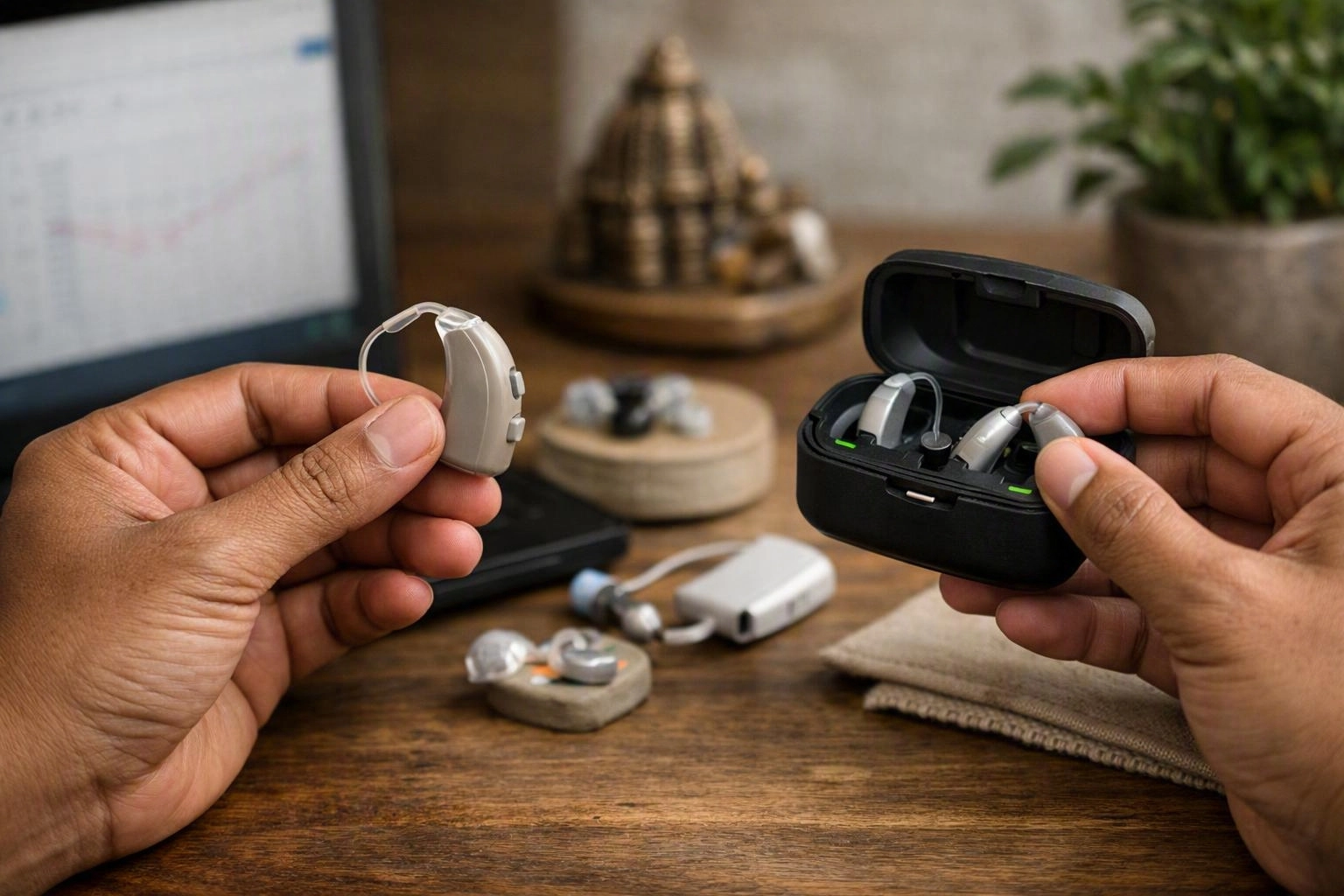
Choose digital flexibility when programming options matter. Choose rechargeable convenience when battery handling feels difficult. Also consider hand movement, charging access, comfort, travel, earwax and follow-up care.
For people using Digital Hearing Aids in Bhubaneswar, rechargeable power may still be an option. Someone choosing a rechargeable model should also compare its processing, microphones and fitting support.
Dust, sweat and commuting can increase cleaning needs. Device-specific care advice can help protect the hearing aid.
Try, Programme and Maintain Your Hearing Aids in Bhubaneswar, Odisha
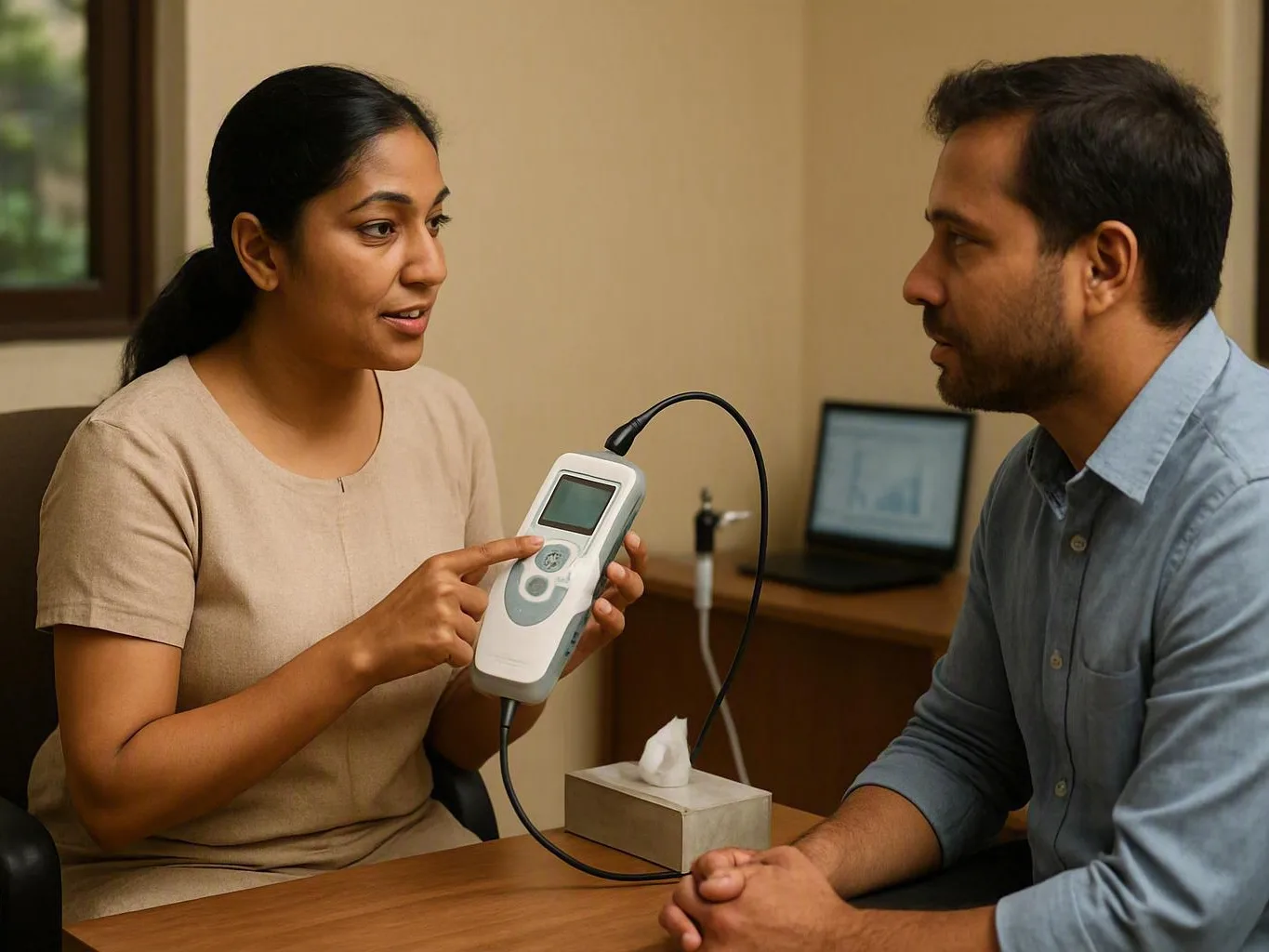
Hearing aid trial lets you check comfort, speech understanding and handling before buying. Hearing aid programming matches amplification to your hearing needs.
Ask about assessment, trial terms, fitting changes, cleaning, charger use and follow-up care. This helps you judge performance in everyday listening situations.
An audiological evaluation usually checks hearing thresholds, speech, ear history and communication concerns. It may also consider physical factors. Where suitable, real-ear measurement checks whether sound output matches the prescribed target.
This gives the audiologist a clearer basis for fitting. It is more reliable than judging the first impression alone.
Use the device in several normal situations during the trial. Notice speech in quiet rooms, family conversations, traffic, shops and outdoor areas.
Write down when sound feels too sharp, too soft or tiring. These notes help the audiologist adjust volume, noise reduction, microphone direction and other settings.
Local access also matters. In Bhubaneswar, Odisha, nearby assessment, trials, programming and follow-up can make problems easier to solve.
Our team can explain the trial process, included services and possible review dates. We don't treat one model as suitable for everyone.
Aftercare includes gentle cleaning and checking microphone and receiver openings. Store the device safely and use the charger correctly.
Hot, humid and monsoon-heavy weather calls for careful moisture control. Keep devices away from direct heat, water and damp containers. Follow the maker’s water-resistance guidance.
Dust, sweat and earwax may mean more frequent checks. Cleaning methods must match the device.
Frequent power cuts or poor charging access can affect suitability. Before choosing rechargeable power, plan where charging will happen.
Also plan for travel and check if a suitable travel charger is available. If charging isn't reliable, disposable batteries may offer useful flexibility.
Confirm battery replacement arrangements and warranty terms before purchase.
Common Questions About Digital and Rechargeable Hearing Aids
Digital and rechargeable hearing aids are not opposite categories. Most rechargeable devices use digital processing. Cost varies with technology, design, fitting needs and included support.
A hearing assessment and supervised trial can show whether rechargeable power, digital features or both offer the best value.
People often compare power, processing and design together. Separating these features makes the decision clearer. It also keeps comfort, speech understanding and aftercare in focus.
Questions About Hearing Aid Clinic
Are Rechargeable Hearing Aids Better Than Digital Hearing Aids?
They cannot be compared as complete opposites. Rechargeable describes the power system, while digital describes sound processing. Many rechargeable devices are digital. The better option depends on hearing loss, comfort, hand movement, charging access, listening needs and a supervised trial.
What Is the Difference Between Digital and Rechargeable Hearing Aids?
Digital refers to how sound is converted and adjusted inside the device. Rechargeable refers to a built-in battery that charges in a charger. A hearing aid may be both digital and rechargeable, or digital with disposable batteries.
How Long Do Rechargeable Hearing Aid Batteries Last?
Many are designed to provide a full day of use after charging. Actual battery life varies with streaming, amplification, usage, temperature and battery age. Ask about the maker’s guidance, replacement process and reduced battery capacity.
Do Rechargeable Hearing Aids Work for Severe Hearing Loss?
Some rechargeable models may suit severe hearing loss. Suitability depends on the hearing profile, required output, ear health, device style and fitting checks.
Can I Try Hearing Aids Before Buying Them in Bhubaneswar?
Ask about the available hearing aid trial process, including trial length, fitting changes, care instructions and return conditions. A supervised trial shows how the device works in daily settings. It also helps you judge comfort, handling and speech understanding.
Related Resources
Hearing Aid Clinic for Seniors
Who It's ForHearing Aid Clinic for People with Tinnitus
hearing aid clinic for tinnitus
Who It's ForHearing Aid Clinic for Cochlear Implant Candidates
hearing aid clinic for cochlear implant evaluation
Everything About ItDigital vs Rechargeable Hearing Aids: Complete Guide to Features, Benefits and Fit
digital vs rechargeable hearing aids