Symptom and Risk Triage
A symptom checklist screens for sudden loss, pain, discharge, dizziness and injury. This protects people who need medical care first.
Online screening can help you decide whether a full hearing assessment is needed. Humid monsoon weather makes careful device and headphone use important.
Screens possible hearing difficulty before a clinic assessment.
Separates early concern from symptoms needing urgent medical care.
Supports decisions about audiometry, PTA or BERA.
Helps families prepare questions for an audiologist.
Accounts for headphones, room noise and test conditions.
Supports Bhubaneswar families managing hot, humid monsoon conditions.
According to Ministry of Statistics and Programme Implementation, Government of India (2019), India’s 76th National Sample Survey found that 0.2% of the population had hearing disability during its July–December 2018 survey period.
Source: Ministry of Statistics and Programme Implementation, Government of India·Year: 2019
Data from Ministry of Statistics and Programme Implementation, Government of India (2019) shows that India’s 76th National Sample Survey estimated that 2.2% of India’s population had a disability, providing the broader disability-service context for accessible digital and remote health-screening options.
Online Hearing Testis a remote hearing screening that indicates possible hearing difficulty. Online Hearing Test differs from audiometry because it screens remotely and does not replace calibrated clinical testing.Bhubaneswar, adults and children may use Online Hearing Test before clinic assessment during busy work or school schedules.
A symptom checklist screens for sudden loss, pain, discharge, dizziness and injury. This protects people who need medical care first.
A listening-condition check limits noise and uneven headphone output. The client receives a more usable screening result.
Tone and speech prompts check basic hearing responses across the available test range. The output shows whether further assessment may help.
Audiologist-led interpretation compares the result with age, symptoms and noise exposure. This prevents a remote screen from becoming a diagnosis.
A follow-up plan identifies audiometry, PTA, BERA, tympanometry or referral needs. The client knows which assessment fits the concern.
Audium Hearing Aid Clinic holds every Online Hearing Test engagement to the same standard—from first enquiry through completed work. Here is what guides our process.
Every Online Hearing Test case is reviewed against our own checks before sign-off, so you receive exactly what was agreed.
Clear documentation at every stage—what we reviewed, what we found, and what happens next.
Dedicated communication throughout the process—from your first enquiry to completed Online Hearing Test.
A few simple checks can make the screening result easier to interpret.
Online Hearing Test screens for possible hearing difficulty before a full clinical assessment.
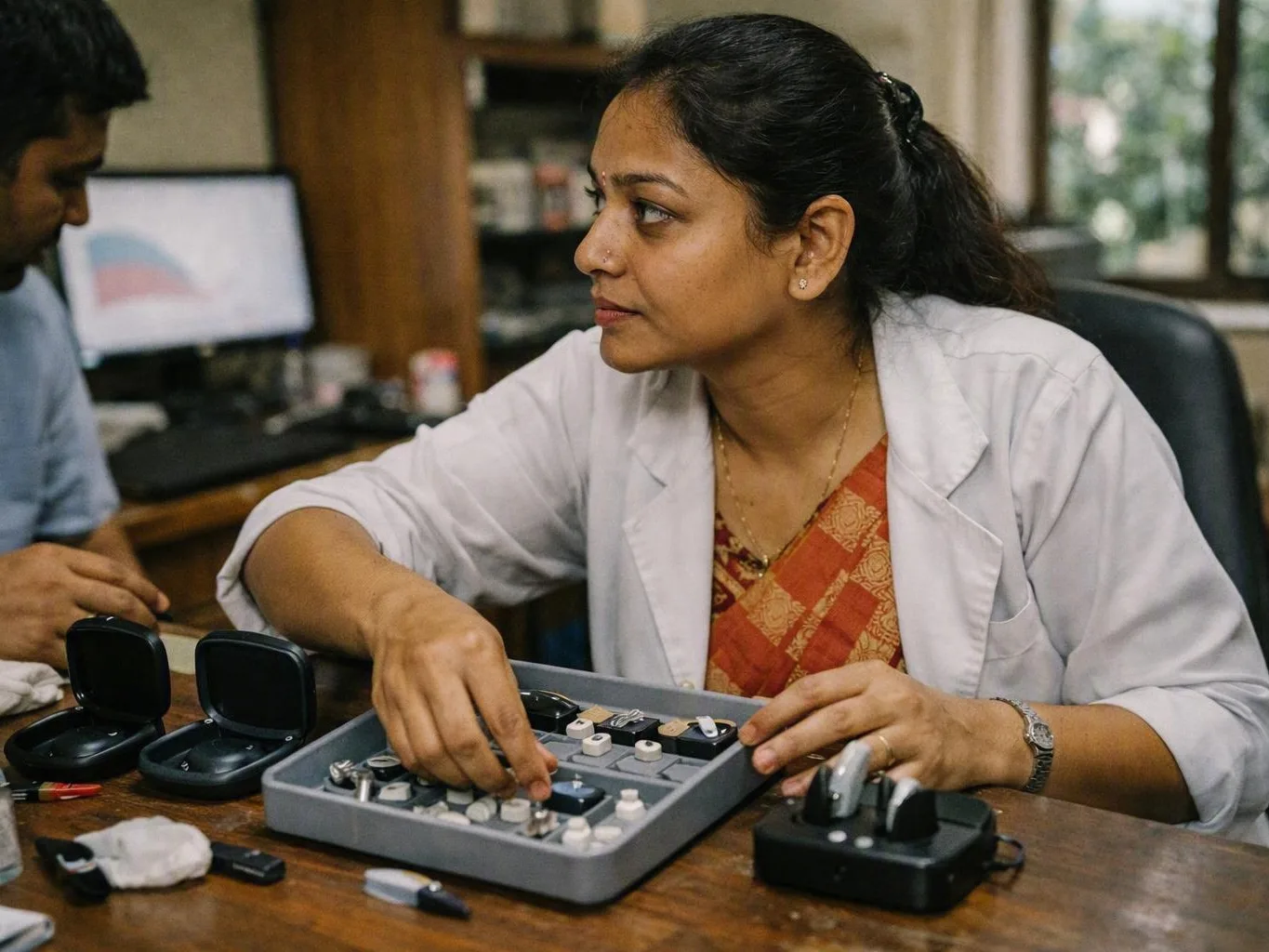
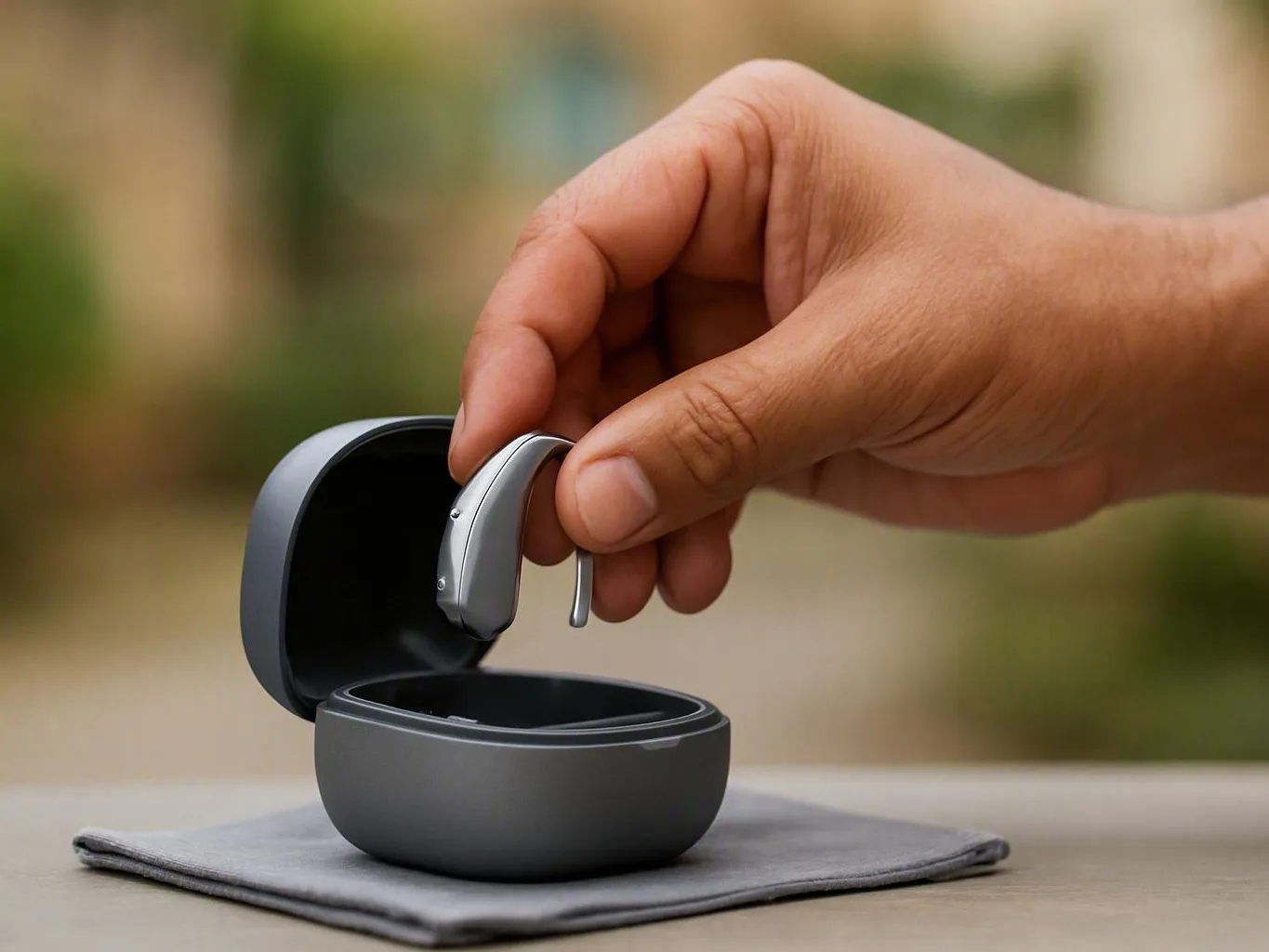

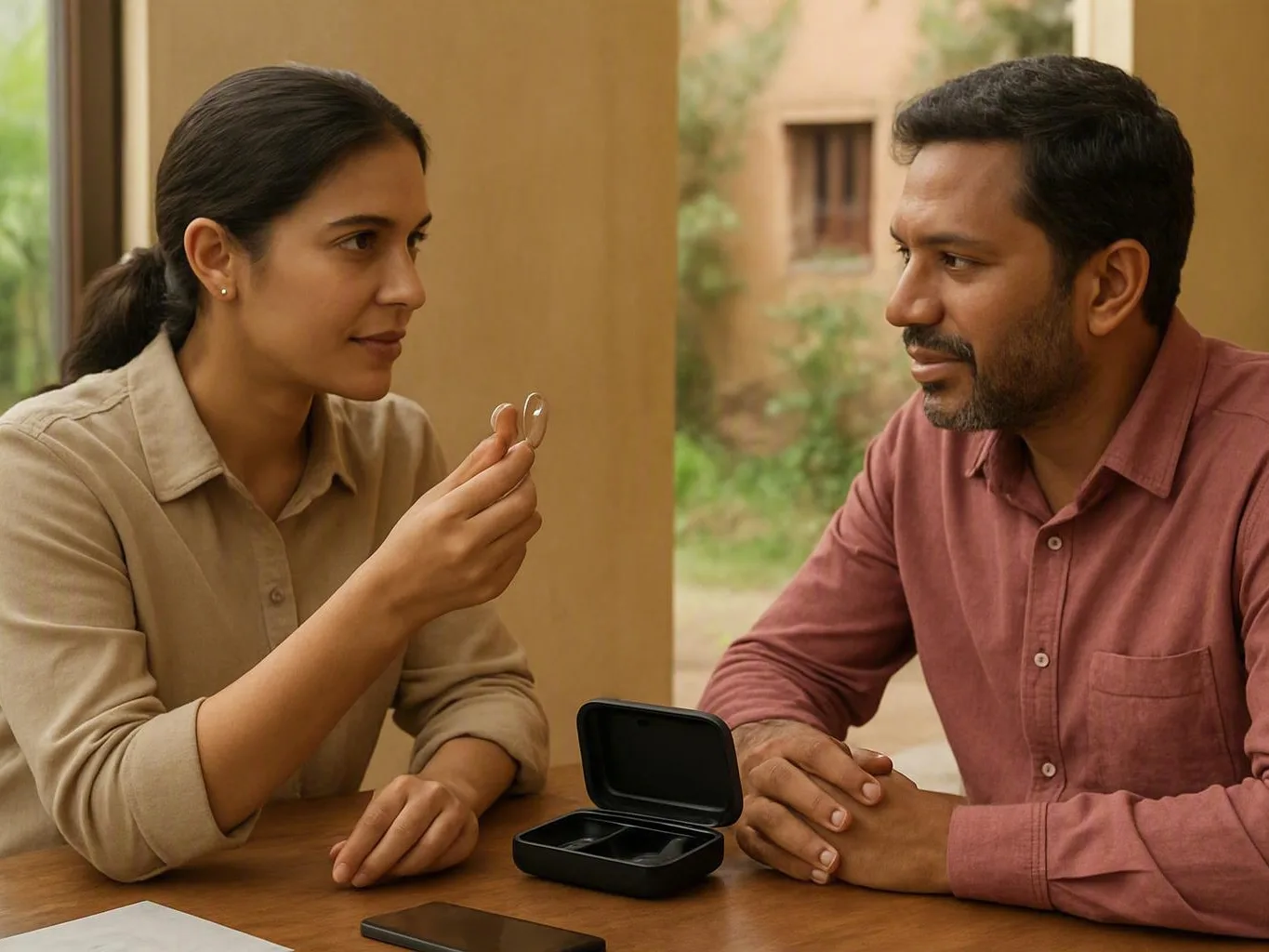
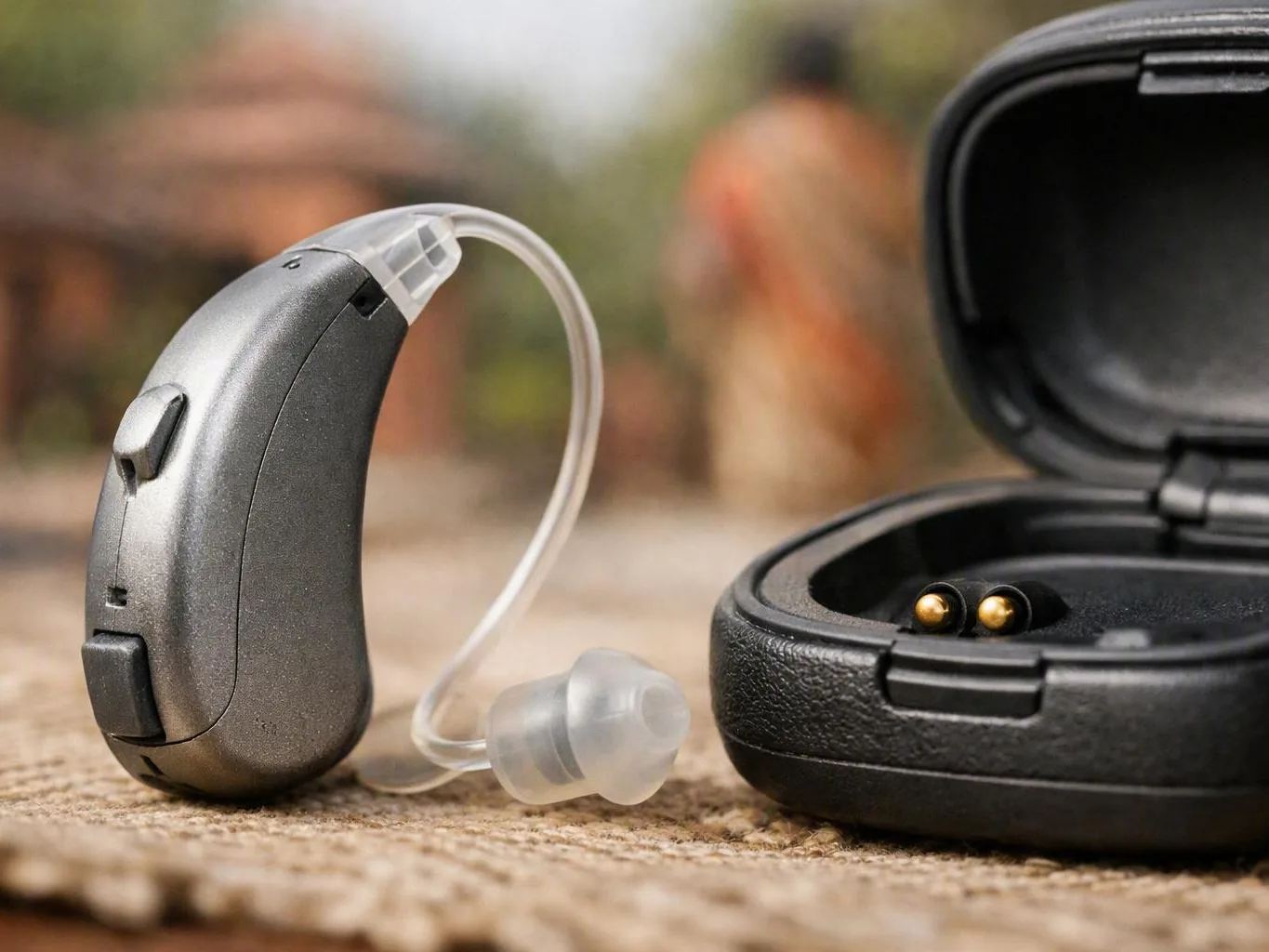
Online Hearing Test can show whether a full assessment may be needed, with local guidance for quiet-room testing and monsoon conditions.
Call Audium Hearing Aid Clinic on 7008550109 to schedule a hearing assessment or discuss hearing aid support.
Bhubaneswar, Odisha
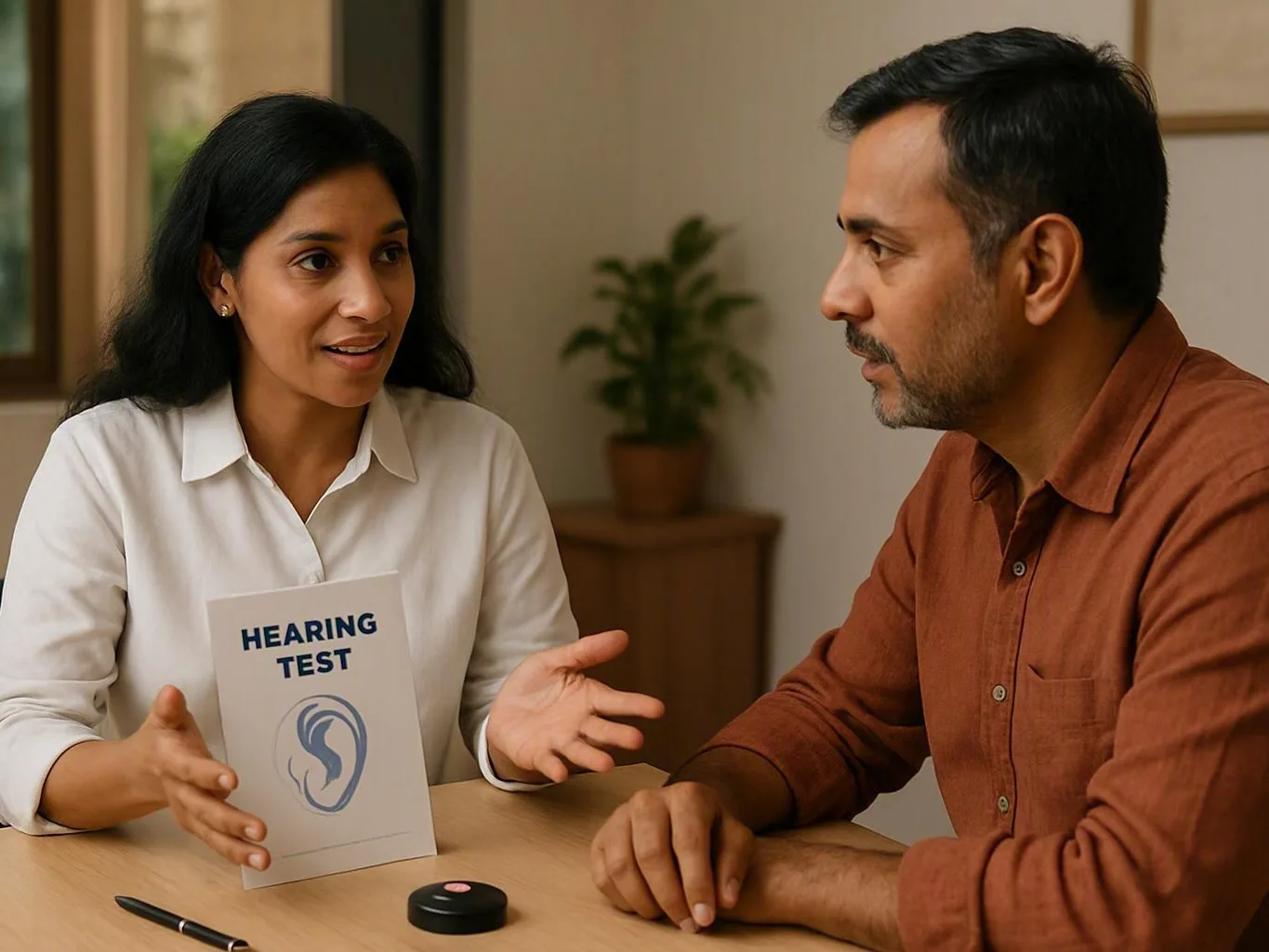
A quiet room is hard to find before work in Bhubaneswar, Odisha, and a family member worries about headphone sensitivity. The screen should wait until background noise settles, with volume kept comfortable rather than forced higher. If timing is tight, we can use the result only as an initial guide and plan a clinic assessment when symptoms allow.
A parent in Bhubaneswar, Odisha, notices repeated questions during schoolwork and wants to understand the next step before committing to treatment. Online screening can show whether a full assessment may be useful, but it cannot set a treatment plan. We explain why audiometry, PTA or BERA might be suggested, then discuss aftercare, device hygiene and follow-up needs without treating the screen as proof of hearing loss.
A person in Bhubaneswar, Odisha, compares an online result with a clinic assessment and feels unsure what happens next. We ask about symptoms, check the test conditions, explain the result, and outline any need for audiometry or tympanometry. Follow-up advice includes keeping devices dry during monsoon humidity and seeking medical help if sudden loss appears.