Your Baby Did Not Pass the Hearing Screen: What Happens Next
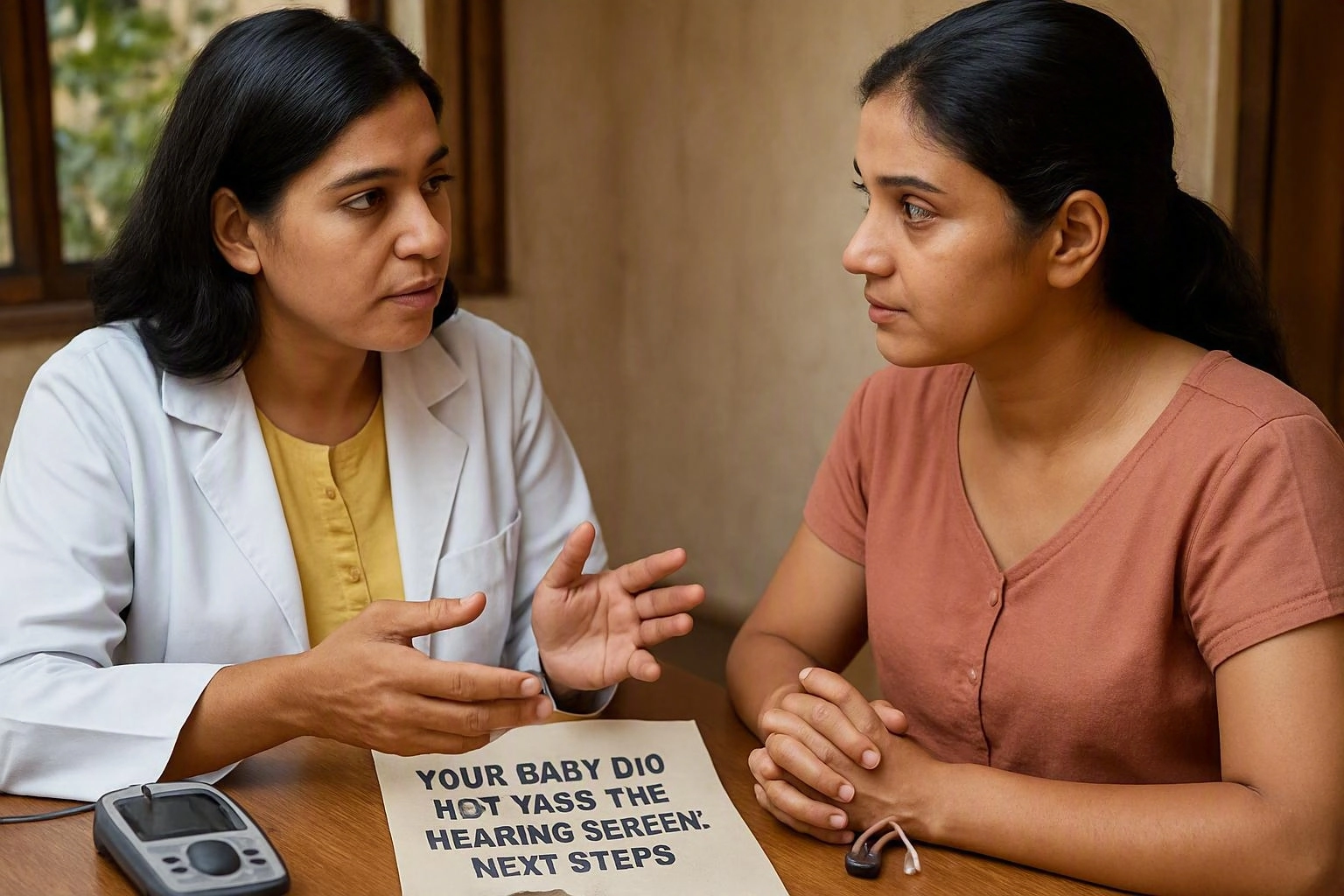
A baby who does not pass a newborn hearing screening needs prompt follow-up, not panic. A “refer” result may come from blockage, movement, noise or hearing loss. Arrange the advised repeat screen or diagnostic test, usually ABR or BERA. Keep every appointment and share your baby’s medical history. Ask when you’ll receive the results. Seek prompt medical advice for severe illness, breathing trouble or unusual responsiveness. A paediatric hearing assessment can confirm your baby’s hearing and guide early support.
Newborn Hearing Testing helps families understand an unclear screen. At Audium Hearing Aid Clinic, we support newborns, infants and parents through testing and results.
Dr. Sakti Prasad Mohanty offers clear, medically responsible information for parents. A failed result means you should arrange the next step. It does not mean you should expect the worst.
What Should I Do if My Baby Fails a Hearing Test?
A failed newborn hearing screening means your baby needs follow-up. It does not confirm permanent hearing loss. Contact the screening provider and book the advised repeat screen or diagnostic appointment. Keep all referral details. Fluid, vernix, movement, crying and background noise can affect the first result.
The word “failed” can sound frightening, but screening only shows who needs a closer check. Some services use “refer” instead. This means the equipment did not record a clear response during that session. It does not show the type, level or cause of possible hearing loss.
Ask whether your baby needs another screen or a diagnostic hearing test. Follow the provider’s timing advice. Don’t wait for speech or developmental problems. Early hearing detection and intervention gives families more time to understand results and find support.
Our team can explain the testing process, preparation and results. Families seeking Newborn Hearing Testing in Bhubaneswar can ask about the right appointment pathway. The same basic steps apply wherever the first screening happened.
Most repeat screens happen within days or a few weeks. Timing depends on the screening pathway and your baby’s age. The screening service or paediatric audiologist should confirm the exact date.
What Does “Refer” Mean on a Newborn Hearing Screening?
A “refer” result means the equipment did not record a clear response from one or both ears. It.hearing loss diagnosis. Ear canal debris, middle-ear fluid, movement, crying or noise can affect the result. Follow-up testing is essential.
Screening may use Otoacoustic Emissions Testing. This test checks sound responses from the inner ear. Another option is an automated auditory brainstem response. A small probe may sit near the ear canal during emissions testing. Other equipment uses soft ear tips and sensors to check the hearing pathway.
A refer result can affect one ear or both ears. It can happen when a baby is unsettled. It may also happen when the room is not quiet enough. Ear canal material or temporary fluid can reduce sound reaching the inner ear.
Ask which ear received the result and which method was used. Also ask what appointment comes next. Keep the report for the next clinician. Don’t treat a screening result as a final diagnosis. Your baby’s response to some sounds does not replace follow-up testing.
Does My Baby Need an ABR or BERA After Failing a Hearing Screen?
An ABR or BERA may be advised after repeat screening remains unclear. It may also be needed when reliable responses cannot be measured. These tests check auditory nerve and brainstem responses.ASSR test may provide extra information about different pitches.
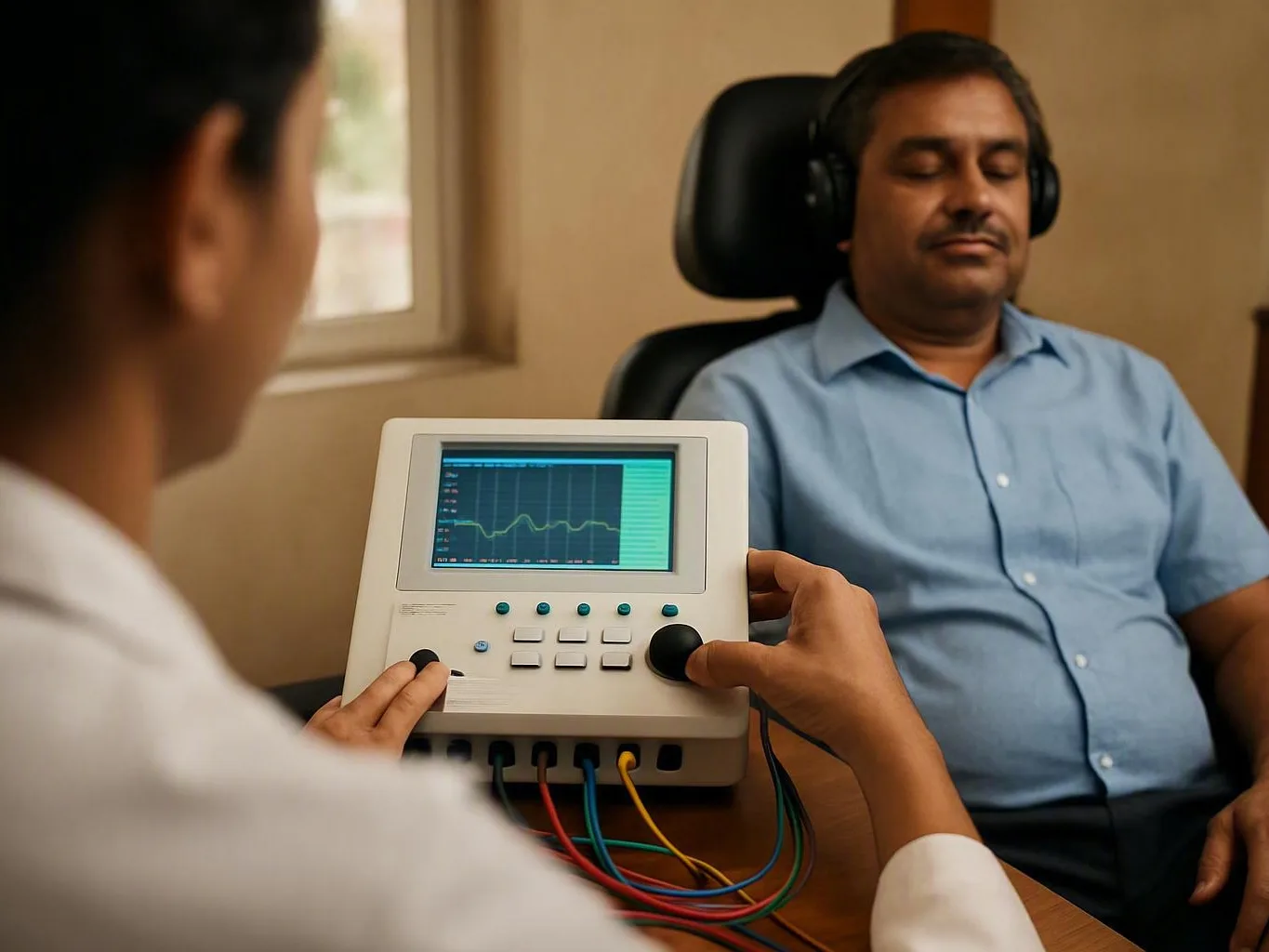
An ABR test records electrical activity after gentle clicks or tones. Earphones or small inserts deliver the sounds. Surface electrodes measure responses from the hearing pathway. Your baby does not need to speak or signal during this test.
A BERA test is another name used for brainstem response testing. Clinics may use different names for similar tests. The clinician will explain the method and the information it provides. Results can estimate hearing sensitivity and show whether more testing is needed.
An ASSR test may provide information about specific pitches. This can help when the team needs a more detailed hearing estimate. It is not needed for every baby. The decision depends on age, medical history, screening results and recording quality.
Young infants may complete diagnostic testing during natural sleep. If sleep is difficult, the provider will explain other options. Ask how long the appointment may take. Also ask if both ears will be tested and when findings will be discussed.
When Should a Newborn Have Follow-Up Diagnostic Hearing Testing?
Follow-up diagnostic hearing testing should happen when the screening service advises it. Don’t wait for speech or developmental concerns. Testing is especially important after two failed screens or an unclear result. It also matters when risk factors are present.
The early hearing detection and intervention pathway aims to find hearing differences early. It also connects families with suitable support. A paediatric audiologist reviews screening reports, birth history, ear health and family history. The baby’s behaviour during testing also matters.
Follow-up may begin with another screen. This can help when movement, noise or temporary blockage affected the first result. If the result stays unclear, the clinician may advise ABR, BERA or ASSR. A broader paediatric hearing assessment may then review hearing and communication needs.
Tell the team about prematurity, neonatal intensive care, infections, medicines or jaundice. Also mention other health events. These factors don’t prove hearing loss. However, they can change the recommended follow-up plan.
Our team explains why each test is advised. In some cases, another screen is suitable. In others, diagnostic testing is the safer choice. Parents should understand the plan, not just hear a test name.
A Practical Checklist Before, During and After Follow-Up Testing
A follow-up checklist helps families prepare their baby and support accurate results. Before testing, confirm the appointment and follow feeding or sleep advice. During testing, help your baby stay settled. After testing, collect the report and arrange the next step.
Preparation differs between a repeat newborn hearing screen and an ABR or BERA appointment. The clinician will explain whether natural sleep is preferred. They’ll also explain how feeding may help your baby stay calm.
Before the Appointment
During Testing
After Testing
Infant sleep often helps because stillness improves electrical recordings. If testing can’t be completed, it does not confirm a hearing problem. The team will explain whether another visit is needed.
What Happens After a Baby Fails the Hearing Test Twice?
After two failed newborn hearing screens, the usual next step is diagnostic hearing testing. A paediatric audiologist may advise ABR or BERA. Other tests, such as ASSR, may be added when needed. The assessment checks both ears and guides suitable support.
Two failed screens don’t prove permanent hearing loss. Fluid, blockage and testing conditions can still affect results. However, the finding should not be ignored. Diagnostic ABR or BERA provides more dependable information than screening.
The clinician may examine the ears and check for fluid. The plan may include monitoring, specialist referral or a wider paediatric hearing assessment. Parents should receive a clear explanation and timeframe.
| Possible next step | What it helps assess | What parents should ask |
|---|---|---|
| Diagnostic ABR or BERA | Auditory nerve and brainstem responses to sound | Will testing happen during natural sleep or need another arrangement? |
| ASSR test | Frequency-specific responses that may add detail | Is ASSR clinically indicated for my baby? |
| Middle-ear and ear examination | Fluid, blockage or other factors affecting sound transmission | Could a temporary ear condition have affected the screen? |
| Paediatric hearing assessment | Overall hearing status and recommended follow-up | When will the report and care plan be discussed? |
| Ongoing monitoring | Hearing changes in babies with risks or unclear results | How often should hearing be reviewed? |
Bring every earlier report to the diagnostic appointment. A complete record helps the audiologist compare results. It also shows any limits in earlier testing. The clinician can then advise support or continued observation.
When Should Parents Seek Prompt Medical Advice?
Seek prompt medical advice when hearing concerns appear with illness or developmental changes. Contact a healthcare professional if your baby is hard to wake, has breathing trouble or feeds poorly. Also seek advice for fever, ear discharge, severe distress or sudden changes in responsiveness. A failed screen alone is not usually an emergency.
For less urgent concerns, discuss your observations with your paediatrician or audiologist. Don’t wait for a routine appointment if your baby seems seriously unwell.
Questions About Hearing Aid Clinic
What Should I Do if My Baby Fails a Hearing Test?
Contact the screening provider and confirm the next advised appointment. Keep the referral details. A failed screen is not a confirmed diagnosis. Fluid, movement, crying, noise or ear canal debris may have affected the result.
What Does Refer Mean on a Newborn Hearing Screening?
“Refer” means the equipment did not record a clear response from one or both ears. It is a screening result requiring follow-up, not proof of hearing loss. Arrange the next test within the advised timeframe.
Does a Baby Need an ABR or BERA After Failing a Hearing Screen?
An ABR or BERA may be needed when repeat screening remains unclear. It may also suit babies with hearing-loss risk factors. These tests record auditory nerve and brainstem responses. An ASSR test may add pitch-specific information.
When Should a Newborn Have Follow-Up Diagnostic Hearing Testing?
Follow-up should happen as soon as the screening service recommends it. Don’t wait for delayed speech or developmental concerns. Testing is especially important after two failed screens, an unclear result or known risk factors.
What Happens After a Baby Fails the Hearing Test Twice?
The usual next step is a diagnostic paediatric audiology assessment, often with ABR or BERA. The clinician may examine the middle ear and consider ASSR or monitoring. Results guide further support, referral or routine review.
If you need help understanding a screening referral, our team can explain the next assessment. We can also discuss preparation and result communication. Bring your baby’s reports and medical history.
Contact the clinical team to discuss the appropriate follow-up pathway.
Related Resources
Pediatric Hearing Clinic for Children
Who It's ForNewborn Hearing Testing for Infants
newborn hearing testing clinic for infants
Who It's ForHearing Aid Clinic for Children with Speech Delay
hearing aid clinic for child with speech delay
Who It's ForHearing Aid Clinic for Cochlear Implant Candidates
hearing aid clinic for cochlear implant evaluation