Which Hearing Aid Type Is Right for You in Bhubaneswar, Odisha?
Hearing aid type affects comfort, visibility, features, care and price. Behind-the-ear hearing aids suit many levels of hearing loss and offer useful features. In-the-ear and invisible hearing aids focus more on discretion. Rechargeable digital hearing aids make daily use easier. Bluetooth models connect with compatible phones and media devices. Your audiogram, ear shape, hand control, lifestyle, technology needs and budget all matter. Prices change with technology, fitting needs, accessories and aftercare. Audium Hearing Aid Clinic can assess your hearing and suggest suitable options in Bhubaneswar, Odisha.
At Audium Hearing Aid Clinic, we link each recommendation to your hearing test and daily routine.
Author: Dr. Sakti Prasad Mohanty
How Hearing Aid Types Differ in Features and Price?
Hearing aid types differ in design, sound processing, power, connections, care and fitting needs. Digital hearing aids process sound electronically. Rechargeable models reduce battery handling. Behind-the-ear devices usually offer flexibility for different hearing loss levels. In-the-ear and invisible models focus on a discreet fit. Price depends on technology, accessories, fitting and aftercare.
Digital hearing aids use microphones, a processor and a receiver to manage sound. They can reduce some background noise and soften sudden loud sounds. The result depends on your audiogram, programming and listening setting. It doesn't depend on the device label alone.
Digital Hearing Aids in Bhubaneswar may suit mild loss differently from severe or profound loss. Stronger output, feedback control and an ear mould may become more important as hearing loss increases. A basic device may suit quiet conversations. Advanced processing may help in family rooms, traffic, markets and outdoor settings.
Rechargeable hearing aids have a built-in battery and usually sit in a charging dock overnight. They can help people who find small batteries hard to handle. Behind-the-ear and receiver-in-canal designs often offer more choice in power, fit and accessories. In-the-ear devices can look discreet, but ear shape and battery size affect the final choice.
Bhubaneswar's hot, humid and monsoon weather makes careful storage useful. Sweat, dust and outdoor travel can affect microphones, receivers and charging contacts. Good care, local servicing and follow-up fitting add value beyond the first device cost.
Hearing Aid Types and Prices: A Quick Comparison
Hearing aid cost, fitting time, care and suitability vary by style and technology. Behind-the-ear models offer flexible performance. In-the-ear models provide a discreet fit. Rechargeable models simplify daily power management. Bluetooth models add wireless connections. A clinician should confirm the right option after a hearing test.
| Factor | Option A: Behind-the-ear | Option B: In-the-ear or advanced wireless |
|---|---|---|
| Cost | It changes with power, processing, receiver, mould and accessories. | It changes with shell design, technology, discretion, charging and connectivity. |
| Timeline | Fitting may follow assessment, with mould work if needed. | Custom devices may need extra preparation, fitting and adjustment. |
| Maintenance | Clean tubing, receiver and microphone openings as advised. | Manage wax, shell openings, batteries, charging contacts and drying. |
| Best for | Many mild-to-profound hearing losses, especially when flexibility matters. | People who want discretion, wireless access or a custom fit, when suitable. |
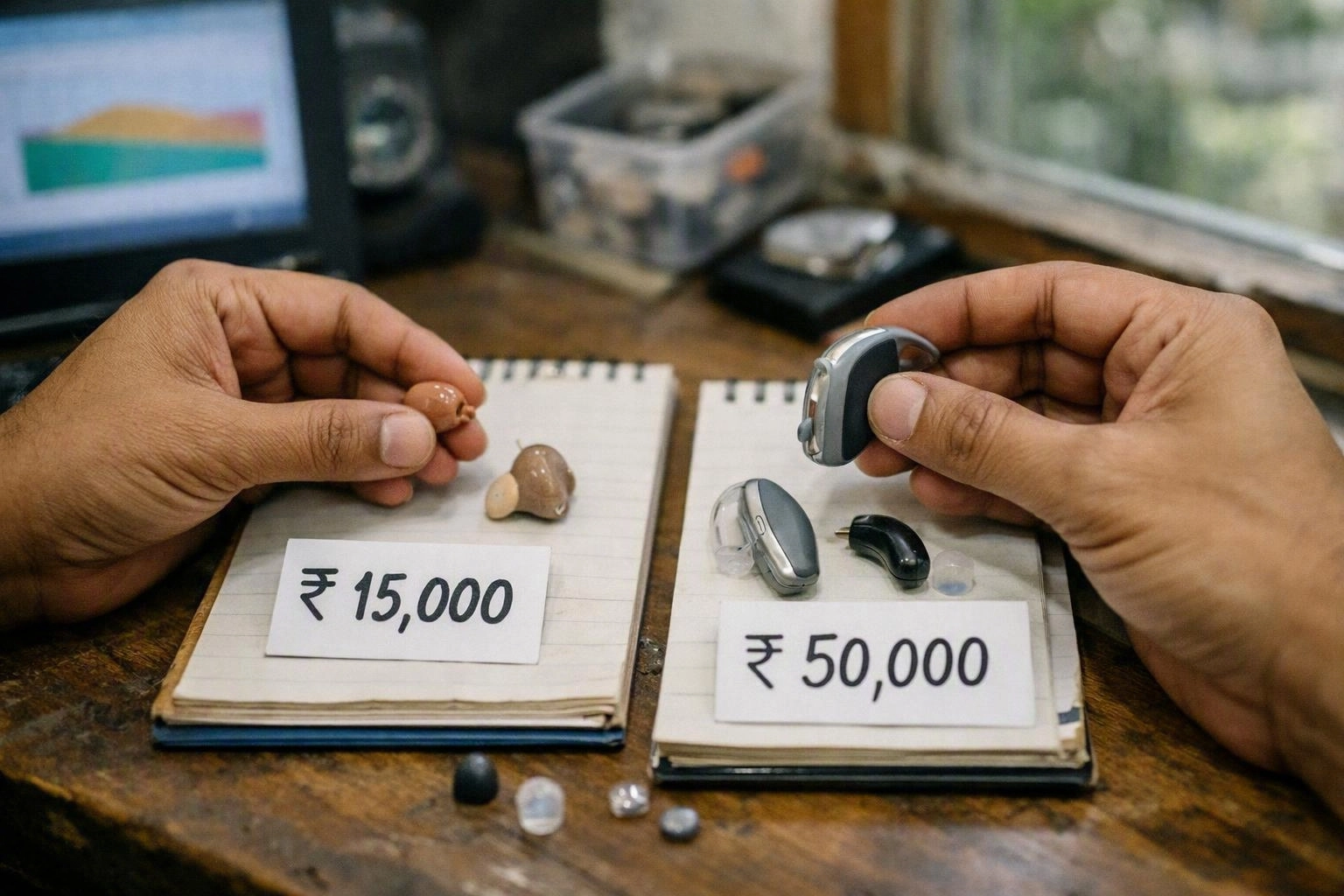
People searching for “types of hearing aids and prices India” may find figures hard to compare. Packages often include different services. Hearing aid price factors include technology, ear checks, programming, mould fitting, accessories, warranty, repairs, maintenance and follow-up.
As a planning guide, many patients need one first assessment and one fitting visit. Several adjustment contacts may follow during the first few months. The actual timeline depends on ear shape, adaptation, device availability and hearing loss.
Behind-the-Ear Hearing Aids: Pros and Cons
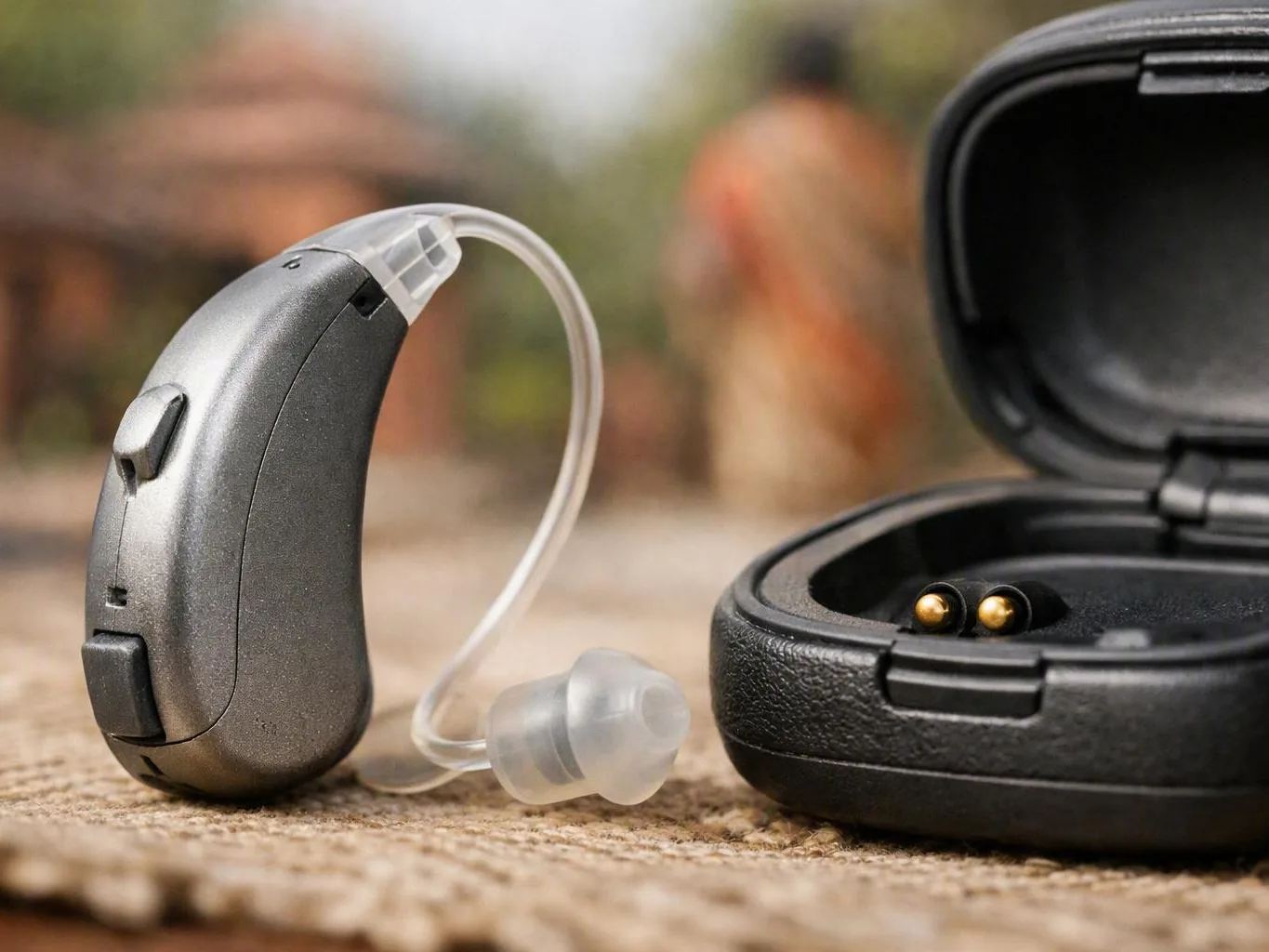
Behind-the-ear hearing aids sit behind the ear and send sound through tubing or a receiver. They often suit people who need power, flexibility and easy access to controls.
Receiver-in-canal hearing aids place the receiver near the ear canal. They may look smaller than traditional designs. An ear mould can improve fit and sound control when needed.
Moisture protection and drying matter in Bhubaneswar. Humidity, sweat and monsoon travel can affect device parts. Ask how to protect the microphone, receiver and charging contacts.
Pros:
Cons:
In-the-Ear and Invisible Hearing Aids: Pros and Cons
In-the-ear hearing aids sit in the outer ear. Invisible-in-canal devices sit deeper inside the ear canal. They can look discreet, but ear shape, hearing loss, power needs and hand control all matter.
A custom shell follows the ear's shape. Comfort and fit depend on accurate impressions and careful adjustment. Wax can block sound openings, cause feedback and increase cleaning needs.
These devices may not suit every ear or hearing loss. An ear check and hearing test should come first. This is especially important with pain, discharge, sudden hearing change or repeated blockage.
Pros:
Cons:
Which Type of Hearing Aid Is Best for You?
The best hearing aid typematches your audiogram, ear shape, listening settings, hand control and lifestyle.hearing aid consultation helps compare discretion, power, charging, Bluetooth and care. The clinician should also check feedback, speech clarity, comfort and mould needs.
An audiogram shows the quietest sounds you hear at different pitches. It helps identify mild, moderate, severe or profound loss. It also shows whether one or both ears need support. Speech audiometry adds information about speech understanding.
There is no single device for mild-to-profound hearing loss. Someone with mild loss may value comfort and discretion. Someone with greater loss may need a stronger receiver, custom mould and secure fit. Daily listening settings matter too.
Your routine should guide the discussion. Frequent phone use may make wireless streaming useful. Outdoor work may increase the need for moisture care. Hand control affects battery changes, cleaning and insertion. Family support and confidence with charging matter as well.
Ask about trials, programming changes, warranty, accessories and aftercare. You should receive clear advice about cleaning, drying and storage. Local Hearing Aid Consultation and Ear Mould Fitting in Bhubaneswar, Odisha can reduce delays during later adjustments.
Bluetooth and Rechargeable Hearing Aids for Everyday Use
Bluetooth hearing aids connect compatible devices for calls, streaming and app adjustments. Rechargeable hearing aids use a built-in battery and charging system. The best Bluetooth hearing aid brand depends on compatibility, fitting and aftercare. We can check these points during a consultation.
Bluetooth may send calls, music, television audio or app controls to the hearing aids. Compatibility differs between phones and media devices. Check the phone system, connection method and streaming needs before choosing.
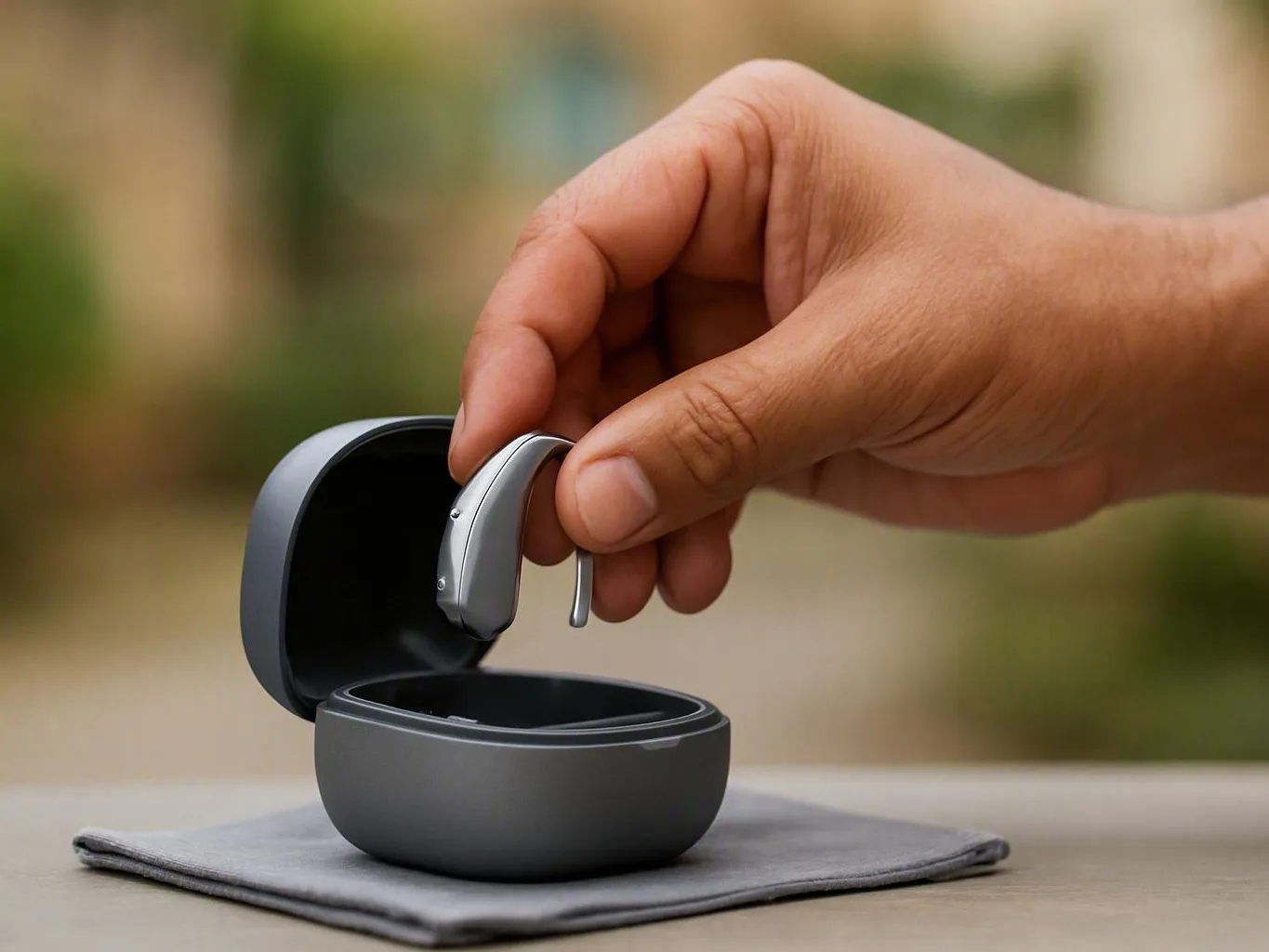
Rechargeable hearing aids sit in a charging dock, often overnight. This reduces battery handling and suits people who dislike small cells. The dock needs a dry, stable power source. Follow the maker's storage advice.
Keep charging contacts free from moisture, sweat and dust during humid weather. Don't charge a wet device unless the manufacturer allows it. Drying can help, but it doesn't replace professional care.
For “best Bluetooth hearing aid brand”, the responsible answer is simple. The best option is compatible, correctly fitted and well supported. Sound processing, speech understanding, charging, app access and local servicing matter more than a brand label.
What Determines Invisible Hearing Aid Price?
Invisible hearing aid price depends on technology, custom manufacture, ear shape, power, fitting difficulty, accessories and follow-up care. These devices may not suit every hearing loss or ear. Their small batteries may also affect handling. A hearing and ear assessment should come first.
People searching for “invisible hearing aid price India” should compare the full care package. Ear impressions, custom shells, programming, fit checks, warranty and follow-up can affect total cost. Noise control, feedback control and wireless access may change the price too.
Ear canal size can limit the choice. A narrow, curved or wax-prone canal may make insertion and cleaning difficult. The device must also provide enough power for the measured loss. A receiver-in-canal or behind-the-ear option may work better.
Fitting and follow-up add real value. Programming may change after you use the device in daily life. Comfort may also need shell changes. Warranty terms should explain repairs for the shell, microphone, receiver or battery.
How a Hearing Aid Consultation and Ear Mould Fitting Work?
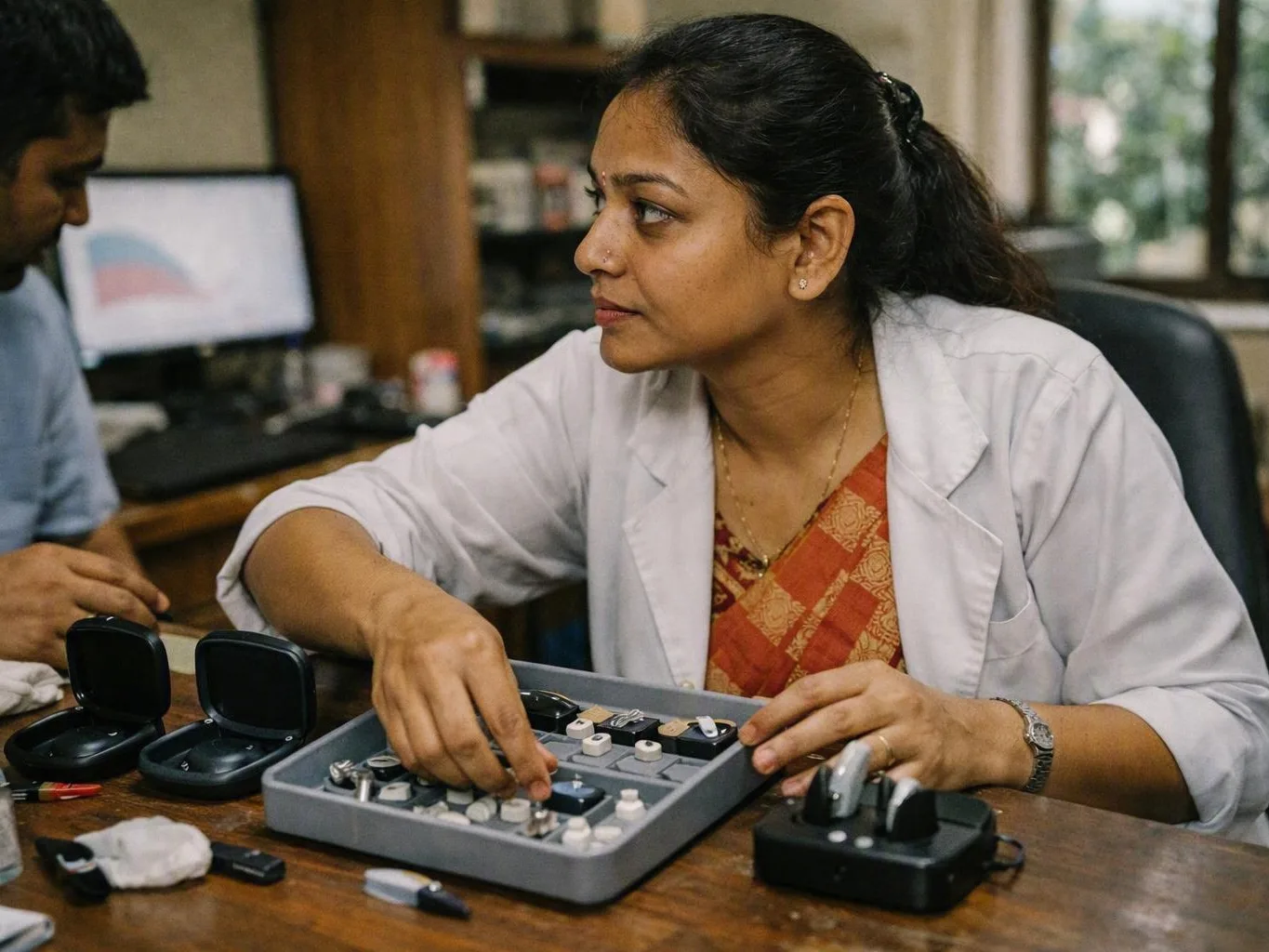
A hearing aid consultation starts with an ear and hearing assessment. The clinician then discusses listening needs, suitable styles and price factors. Ear mould fitting may help with fit, comfort or sound control. The device is programmed and adjusted after real-world use.
Most first fittings include one assessment and one fitting visit. Several follow-up contacts may occur during early adjustment. The schedule depends on the device, mould, hearing profile and adaptation.
Questions About Hearing Aid Clinic
What Are the Types of Hearing Aids and Prices?
Common styles include behind-the-ear, receiver-in-canal, in-the-ear, invisible-in-canal, rechargeable and Bluetooth hearing aids. Prices vary with technology, power, custom work, accessories, fitting, warranty and aftercare. A clinician should compare the full package after reviewing your audiogram and ear shape.
Which Is the Best Bluetooth Hearing Aid Brand?
There is no single best brand for every user. The right choice depends on phone compatibility, speech processing, comfort, streaming, charging, fitting and aftercare. A hearing test and device demonstration offer a better comparison than brand reputation alone.
What Is the Price of an Invisible Hearing Aid?
An invisible hearing aid has no single fixed price. Cost depends on technology, custom shell work, ear canal size, power, fitting, accessories, warranty and follow-up service. An examination confirms whether this style is suitable.
Which Type of Hearing Aid Is Best?
The best type matches your audiogram, hearing loss, ear shape, speech understanding, lifestyle, hand control, comfort and budget. Behind-the-ear devices offer flexibility. In-the-ear and invisible models focus on discretion. Rechargeable and Bluetooth features help when they suit your routine.
Are Rechargeable Hearing Aids Better Than Battery Hearing Aids?
Rechargeable models can help people who dislike changing small batteries. Battery models may offer different replacement and travel choices. The better option depends on hand control, charging access, usage, care preferences and your hearing needs.
For personalised guidance, bring any earlier audiogram and details about your daily listening settings.
Arrange a hearing assessment and fitting enquiryRelated Resources
Hearing Aid Clinic for Seniors
Who It's ForHearing Aid Clinic for People with Tinnitus
hearing aid clinic for tinnitus
Everything About ItDigital vs Rechargeable Hearing Aids: Complete Guide to Features, Benefits and Fit
digital vs rechargeable hearing aids
Everything About ItHearing Aid Fitting and Programming Explained: What to Expect Before, During and After a Trial
what happens during a hearing aid fitting