Which Type of Hearing Aid Is Right for You?
Types of hearing aids include behind-the-ear, in-the-ear and invisible styles. Behind-the-ear models suit many levels of hearing loss and can offer strong amplification. In-the-ear devices sit inside the ear, while invisible hearing aids offer discreet support when the ear canal and hearing needs allow it. At Audium Hearing Aid Clinic, we help people compare their choices through careful testing, fitting and follow-up support.
What Are the Main Types of Hearing Aids?
Types of hearing aids are mainly grouped by where the device sits and how it makes sound louder. Behind-the-ear, receiver-in-canal, in-the-ear, in-the-canal and invisible-in-canal models differ in power, visibility, handling, battery choices, comfort and suitability for each person’s hearing loss.
A hearing aid is a small device that helps people hear sounds more clearly. It has a microphone, processor and receiver. A modern digital hearing aid studies incoming sound and changes amplification using programmed settings. It can support speech understanding, but it cannot restore normal hearing or remove every background sound.
The device must suit the shape and condition of the ear. It may sit behind the pinna, in the concha, near the ear canal opening or deeper inside the canal. The audiogram, hearing loss pattern, earwax, skin sensitivity and ability to handle small parts all matter. Most people also need time, guidance and fine-tuning after choosing a device.
Hearing Aid Types Compared at a Glance
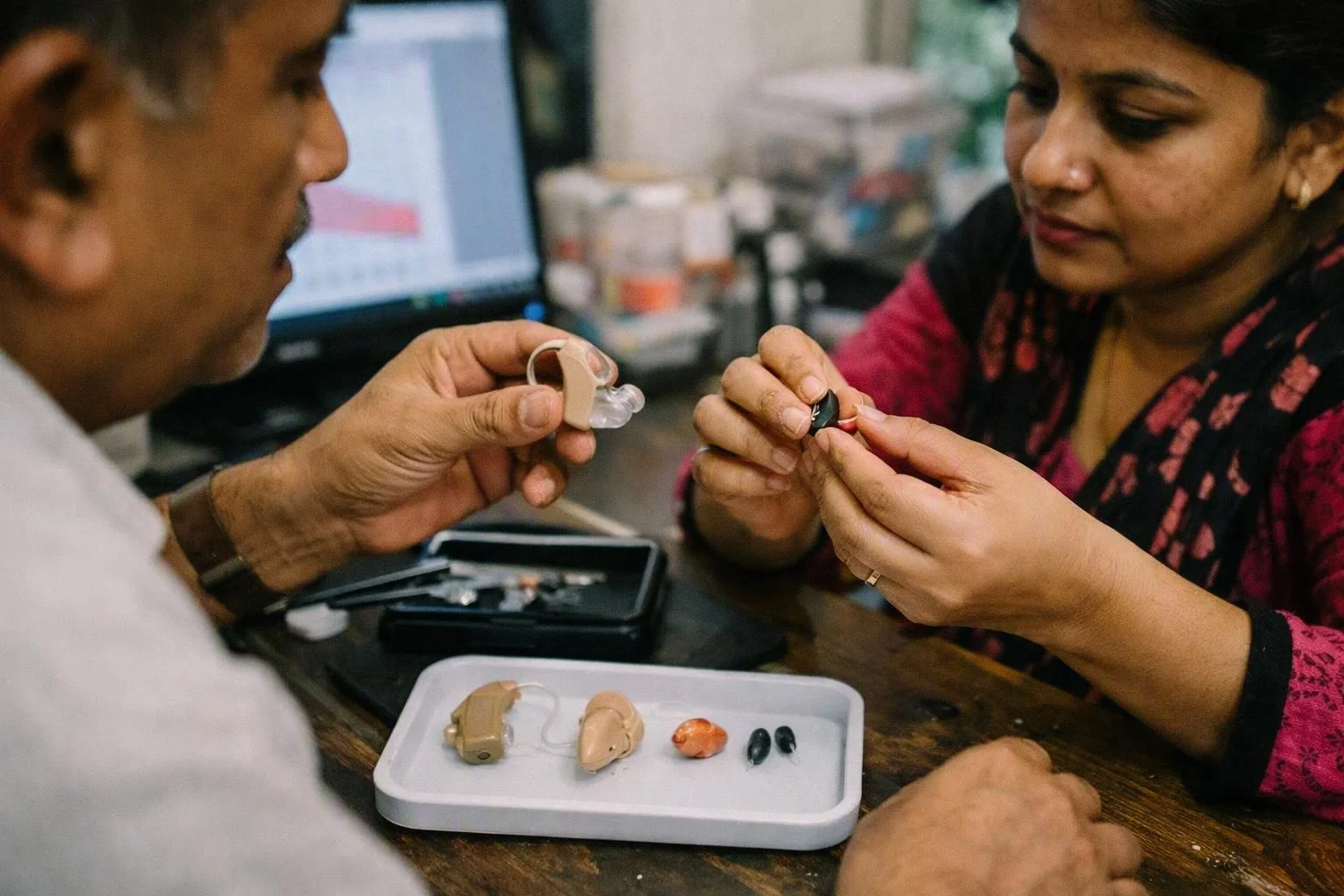
A hearing aid comparison table shows how each style balances visibility, power, comfort, handling and care. Behind-the-ear and receiver-in-canal devices often offer flexible amplification. In-the-ear and invisible styles focus more on discreet placement. Cost depends on technology, fitting needs, features and provider support, not style alone.
| Type | Key Features | Typical Cost | Best For |
|---|---|---|---|
| Behind-the-ear hearing aid | External case, tubing or receiver, broad power range | Varies by technology and fitting | Many degrees of hearing loss and easier handling |
| Receiver-in-canal hearing aid | Slim case with receiver near or in the canal | Varies by features and receiver type | Natural sound, speech clarity and discreet wear |
| In-the-ear hearing aid | Custom shell sits in the outer ear | Varies by shell design and technology | People wanting accessible controls and custom fit |
| In-the-canal hearing aid | Custom device sits partly inside the canal | Varies by size and programming | Discreet placement with moderate handling needs |
| Invisible-in-canal hearing aid | Deep canal placement and very low visibility | Varies by design and follow-up needs | Suitable mild-to-moderate losses and discreet use |
| Rechargeable hearing aid | Built-in battery with charging case or dock | Varies by device technology | People seeking a simpler daily routine |
Discuss the full care cost, not only the device price. This may include assessment, programming, earmoulds, accessories, repairs and follow-up visits. Most fitting plans start with one appointment and include later adjustments. The number of visits depends on comfort and listening needs.
Behind-the-Ear and Receiver-in-Canal Hearing Aids
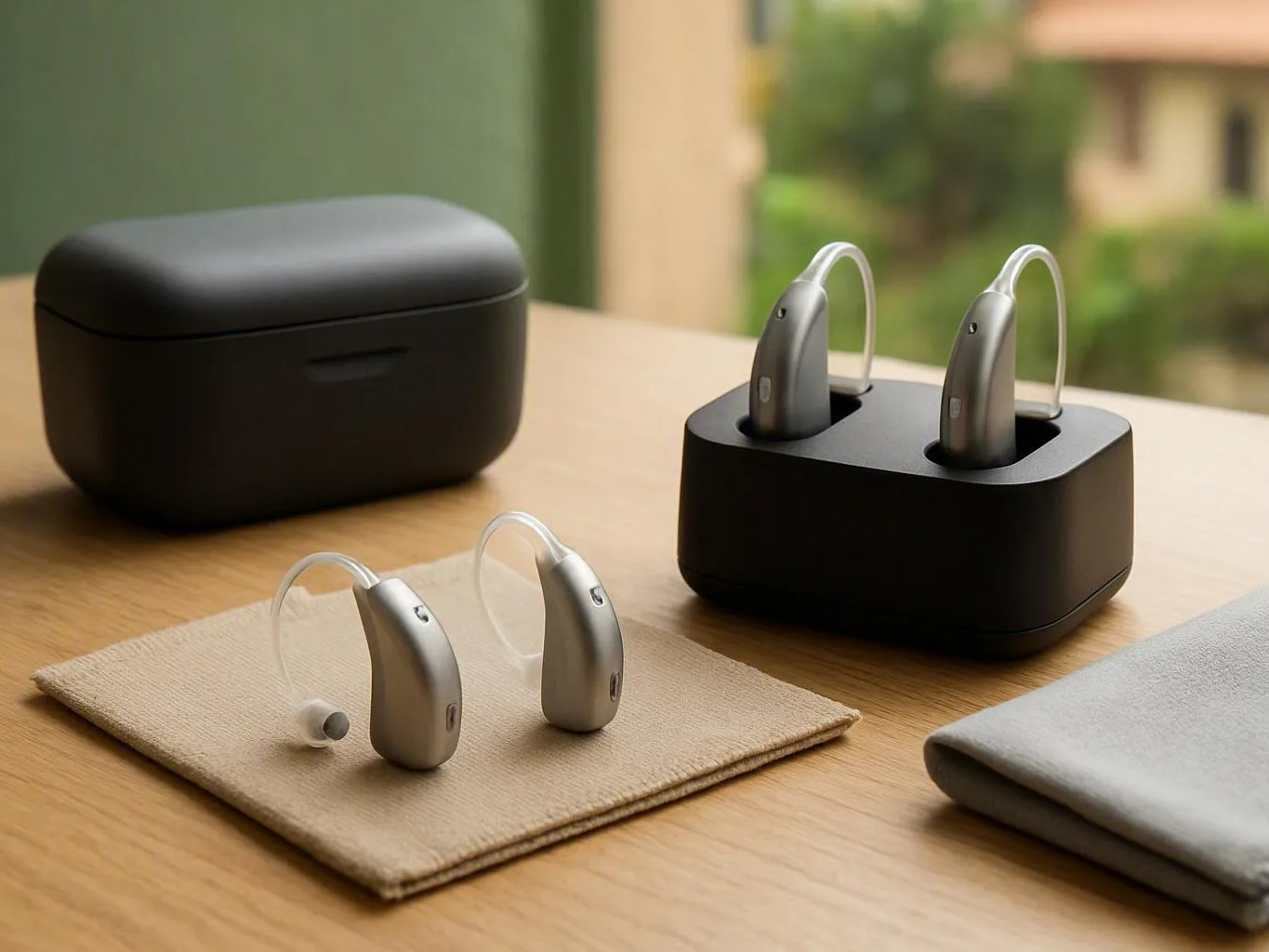
Behind-the-ear hearing aids place the main case behind the ear. Sound travels through tubing, an earmould or a thin wire. A receiver-in-canal hearing aid keeps the receiver near or inside the canal, while the processor stays behind the ear. Both designs can provide flexible amplification and may suit people who need power, connectivity or easier handling.
An open-fit hearing aid leaves much of the canal open. This may reduce a blocked feeling for some users. Stronger devices can use a custom earmould when more sound control is needed. High-power versions may suit severe hearing loss after an audiogram and professional assessment.
These devices offer flexible programming and larger controls. Many models also support rechargeable batteries and wireless connections. They can be more visible, however, and their microphones must stay dry. Tubing, domes and receivers also need regular checks. With suitable programming, they can support quiet talks, group discussions and busy social settings.
In-the-Ear and In-the-Canal Hearing Aids
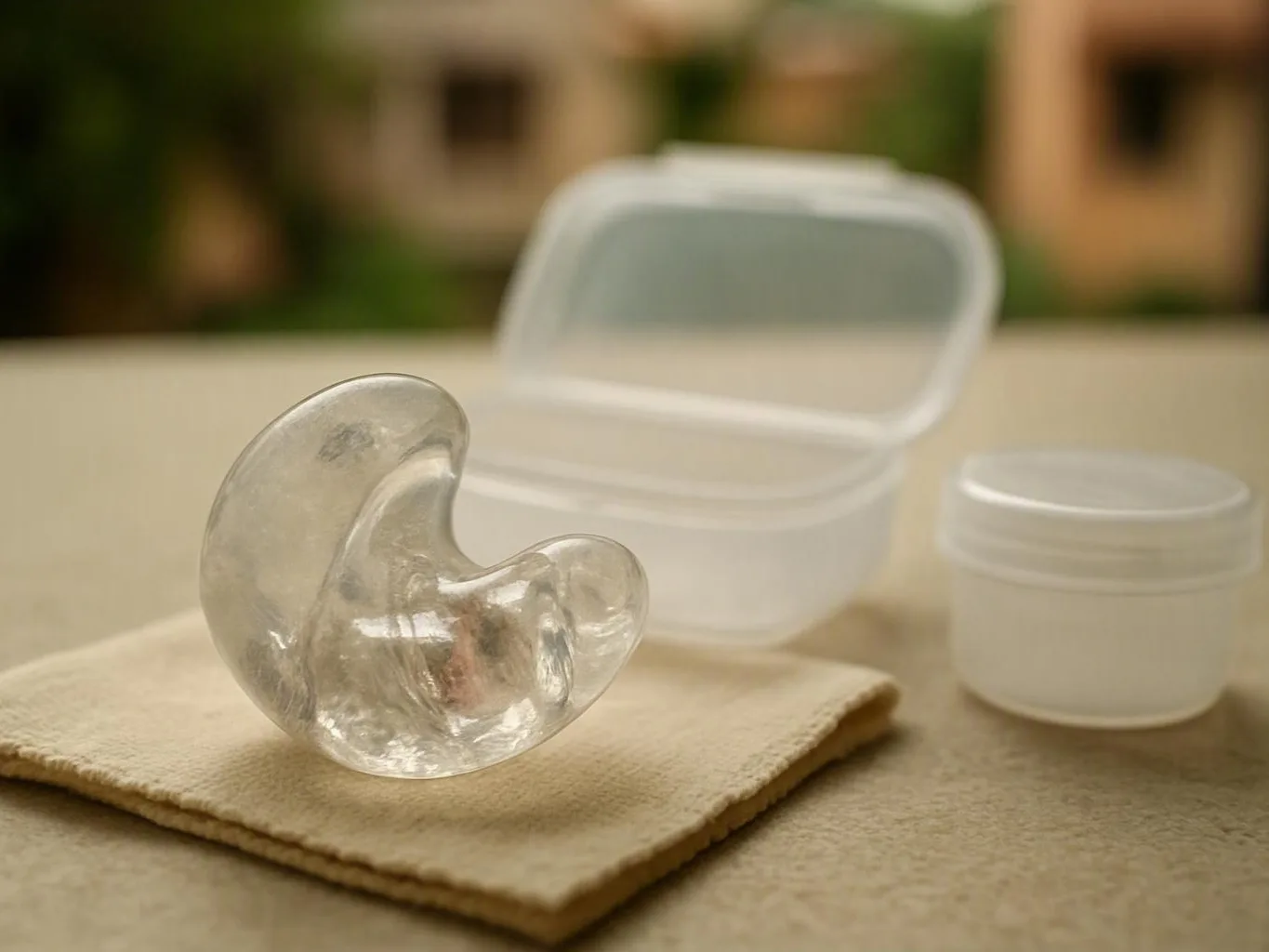
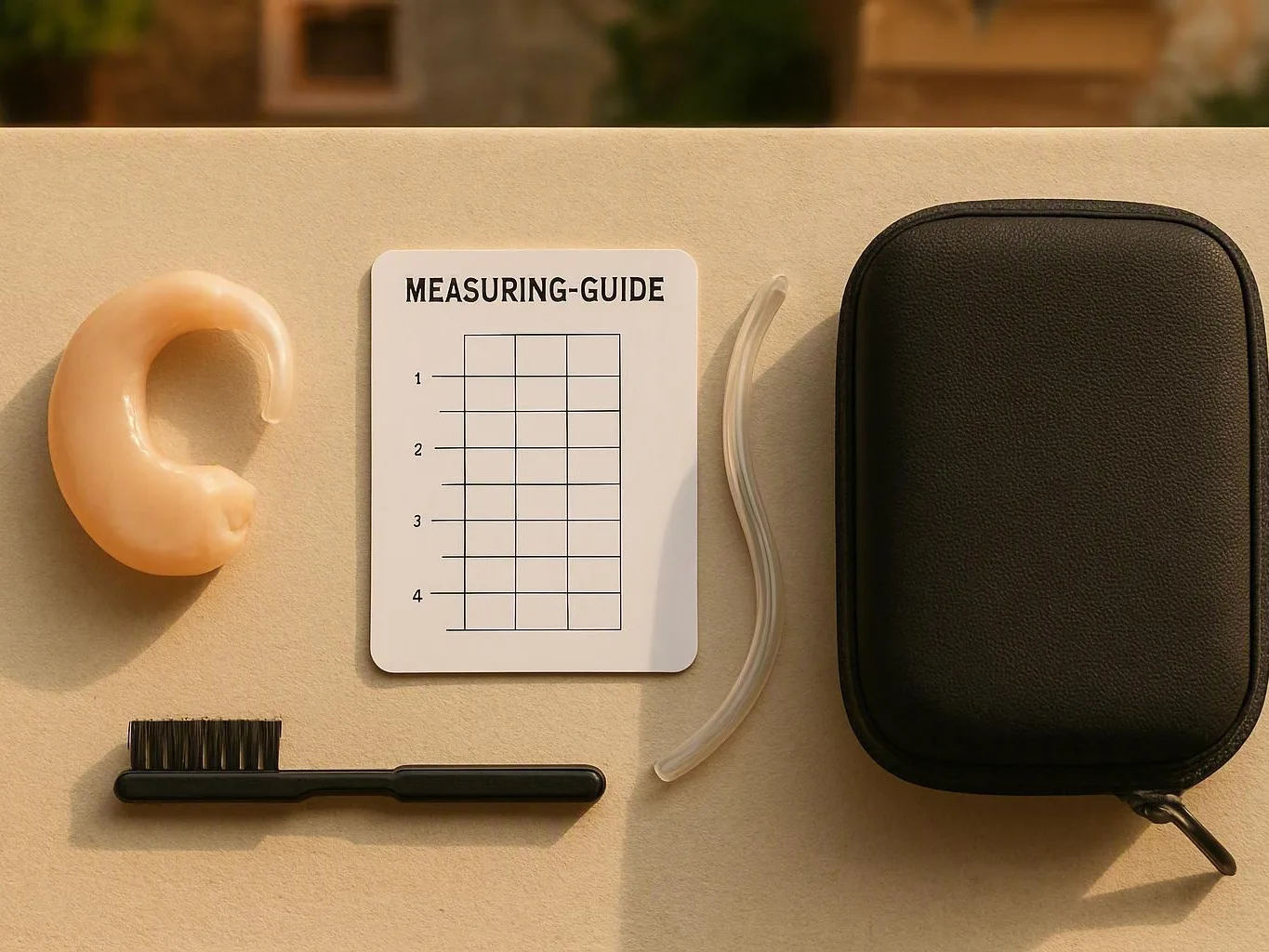
An in-the-ear hearing aid sits in the outer ear. An in-the-canal hearing aid rests partly inside the ear canal. Each device is made from an ear impression or digital scan. A custom shell can provide a secure fit, but its size depends on ear shape, needed amplification and room for controls.
These hearing device types may suit mild-to-severe hearing loss, depending on the model and audiogram. They can offer easy-to-use controls and a natural use of the outer ear. They may also look less noticeable than some behind-the-ear designs. A directional microphone can focus on speech from the front, but it cannot remove every competing sound.
These devices may collect more earwax and offer less room for very strong components. They also need careful cleaning. People with sensitive skin, narrow canals or regular earwax problems may need another style. Comfort should be checked during fitting, rather than judged by appearance.
Invisible-in-Canal Hearing Aids
An invisible-in-canal hearing aid sits deep inside the ear canal. It is designed to be hard to see during normal conversation. This style may offer subtle amplification for selected people with mild-to-moderate hearing loss. The ear canal must be large and healthy enough for the device.
Deep placement can preserve some natural sound collection and reduce visible hardware. The small size may make insertion, removal and cleaning harder. This is especially true for people with reduced hand movement or vision. Changing the battery may also be less convenient than charging a larger device.
A blocked-ear feeling can occur if the device seals the canal. Earwax may also affect performance and require regular care. A professional should check the canal, skin, wax levels and hearing loss before recommending this style. It is not automatically better than a visible hearing aid.
How Do You Choose the Right Hearing Aid Style?
Choosing the right hearing aid style starts with an audiogram and professional consultation. The hearing care professional then considers amplification power, ear shape, hand movement, visibility, listening settings, connectivity and budget. These points guide the final hearing aid fitting.
Tell the audiologist about real communication needs, such as family talks, meetings, busy clinics or restaurants. Digital Hearing Aids in Bhubaneswar may suit people who want programmable amplification across changing listening settings. We can also explain how rechargeable devices may fit your daily routine.
Which Hearing Aid Features Matter Most?
Useful hearing aid features include digital signal processing, feedback control, noise reduction, directional microphones, rechargeable batteries and wireless connectivity. The right mix depends on hearing loss, daily listening needs and handling ability. Choose features that solve real problems instead of adding needless complexity.
Features cannot replace correct programming or realistic expectations. Proper amplification may improve speech clarity, but noisy places can still be difficult. Ask which functions you will use often and how they affect charging, care and maintenance.
What Happens During Hearing Aid Consultation and Fitting?
A hearing aid consultation reviews communication problems, hearing-test results and suitable devices. During hearing aid fitting, the professional programs the sound, checks comfort and explains daily care. Follow-up visits help the device work well in everyday listening situations.
The process usually starts with a hearing assessment and medical history. You’ll also discuss your listening goals. The audiologist may inspect your ears and review the audiogram. They’ll consider earwax, skin sensitivity, hand movement and ear canal shape before explaining device choices.
Real-ear measurement may compare the programmed sound with the target level inside your ear. This helps create more personal settings. Even then, daily use may show that further changes are needed. Follow-up visits can address loudness, blocked sensations, speech understanding, pressure or control problems.
Good instruction supports safe use. We explain cleaning, moisture protection, battery handling and charging. We’ll also tell you when to seek help. Many people begin with gradual use and attend an early review within several weeks. Timing depends on clinical needs and the provider’s plan.
Questions About Hearing Aid Clinic
What Are the Different Types of Hearing Aids?
The main styles are behind-the-ear, receiver-in-canal, in-the-ear, in-the-canal and invisible-in-canal devices. They differ in placement, power, visibility, handling and care. A professional should consider the audiogram, ear shape, communication needs, hand movement and comfort before recommending one.
Which Type of Hearing Aid Is Best for Severe Hearing Loss?
Powerful behind-the-ear devices are often considered for severe hearing loss. They can provide stronger amplification and work with suitable earmoulds. The right choice depends on the audiogram, hearing-loss pattern, ear shape and feedback control. Only a hearing care professional can confirm suitability.
Are Invisible Hearing Aids Better Than Behind-The-Ear Hearing Aids?
Invisible devices are not better for everyone. They may suit selected mild-to-moderate losses and people who prefer low visibility. Behind-the-ear models can offer more power, larger controls and wider feature choices. Canal size, earwax, hand movement, skin sensitivity and listening settings should guide the decision.
What Is the Difference Between In-The-Ear and Behind-The-Ear Hearing Aids?
In-the-ear devices sit inside the outer ear and are usually custom-made. Behind-the-ear models keep the main electronics behind the ear and connect through tubing or a receiver. In-the-ear styles may look discreet and offer easy-to-use controls. Behind-the-ear designs often provide more power and easier handling.
How Much Do Different Types of Hearing Aids Cost?
Hearing aid cost depends on technology, programming, custom moulds, rechargeable options, accessories, provider support and follow-up care. Style alone does not set the total price. Ask for an itemised quote covering assessment, fitting, adjustments, maintenance and warranty terms.
Choosing a device depends on hearing ability, comfort, handling and daily communication needs. A professional consultation can help you compare hearing amplification devices. The smallest or most powerful option is not always the right one.
Author: Dr. Sakti Prasad Mohanty
Related Resources
Hearing Aid Clinic for Seniors
Who It's ForHearing Aid Clinic for People with Tinnitus
hearing aid clinic for tinnitus
Everything About ItDigital vs Rechargeable Hearing Aids: Complete Guide to Features, Benefits and Fit
digital vs rechargeable hearing aids
Everything About ItHearing Aid Fitting and Programming Explained: What to Expect Before, During and After a Trial
what happens during a hearing aid fitting