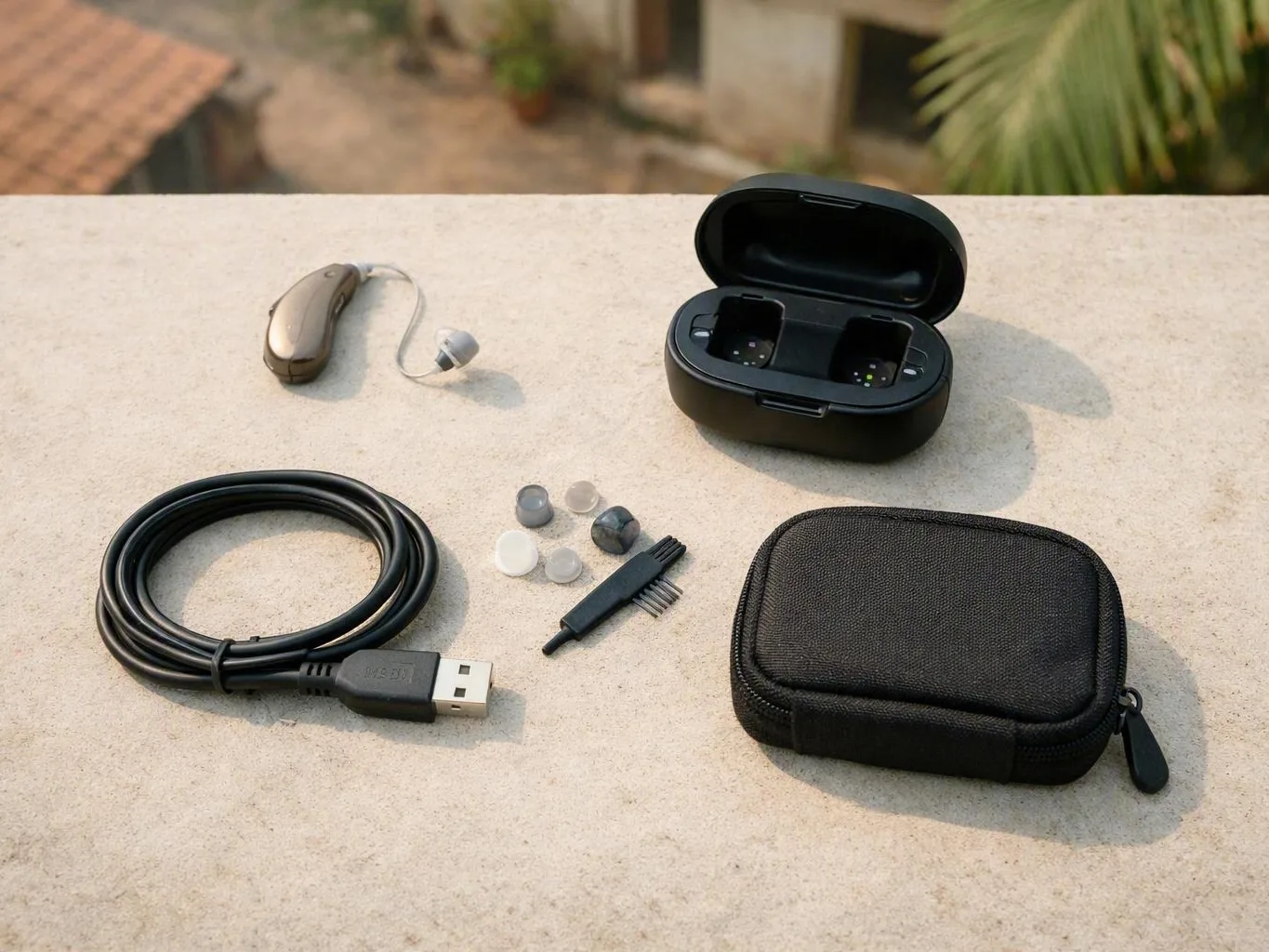
What to Do About Sudden or One-Sided Hearing Loss
Sudden or one-sided hearing loss needs prompt medical assessment. This is especially true when it starts within hours or comes with dizziness, ear pain, discharge, facial weakness, or severe headache. Sudden sensorineural hearing loss can affect the inner ear or hearing nerve. It may need treatment within a short time. Arrange an urgent review with an ENT specialist or Hearing Aid Clinic, and complete audiometry. This test measures hearing accurately. Don’t wait for symptoms to improve or rely only on home remedies. A clinician can tell earwax or infection apart from inner-ear and nerve-related causes.
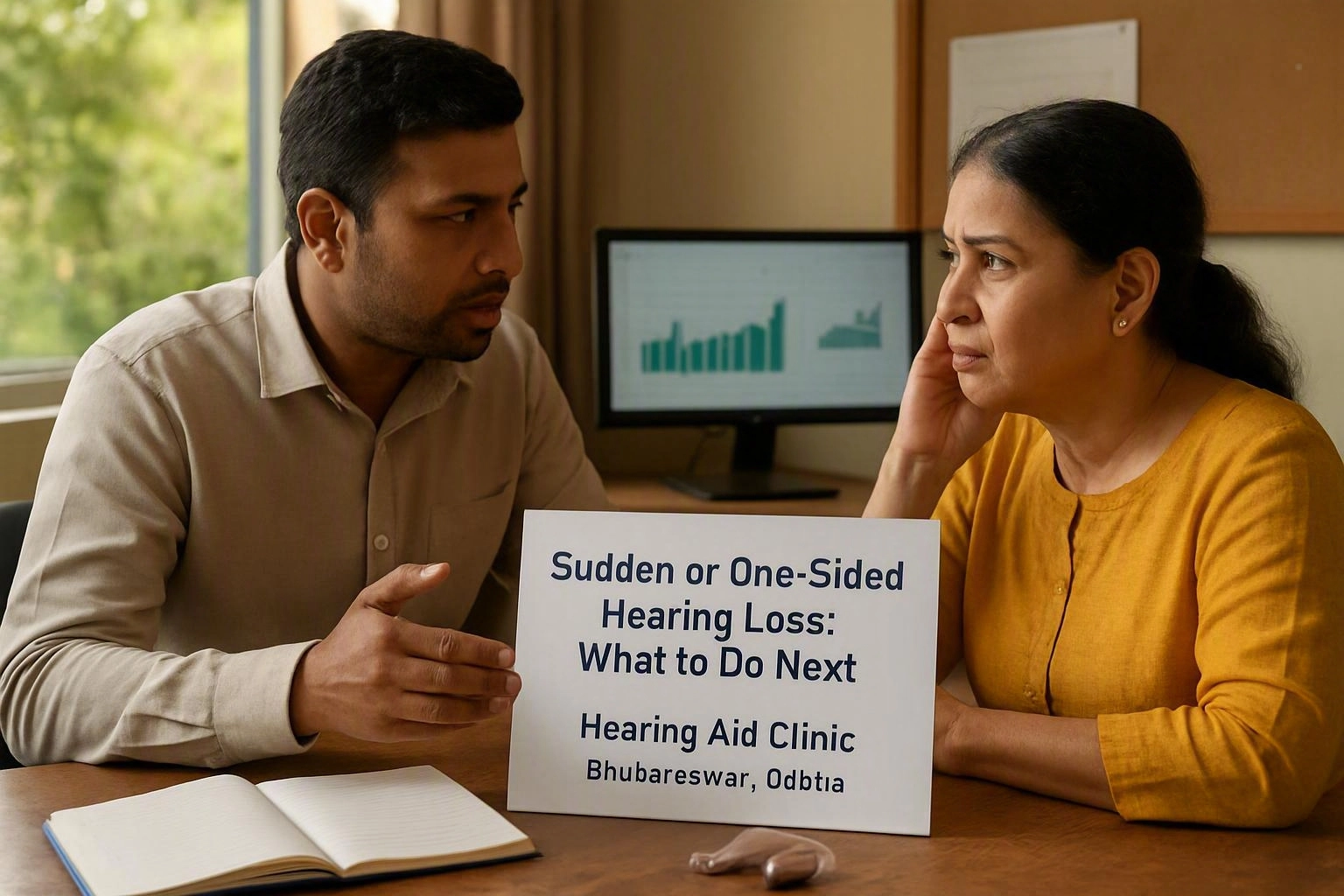
At Audium Hearing Aid Clinic, we help people arrange hearing checks and diagnosis. We consider your symptoms, timing, and test results. This guide explains the next steps, but it can’t replace an in-person examination.
Dr. Sakti Prasad Mohanty provides the clinical authorship for this information. If symptoms began suddenly, contact an ENT specialist or Hearing Aid Clinic. Don’t wait for a routine appointment.
What Should You Do if You Suddenly Lose Hearing in One Ear?
Sudden sensorineural hearing loss in one ear needs urgent medical assessment. This matters most when it develops within hours or up to three days. Contact an ENT specialist or Hearing Aid Clinic promptly. Ask for audiometry, and report tinnitus, dizziness, pain, discharge, or neurological symptoms. Don’t delay while waiting for recovery.
Symptoms that start quickly need more urgent attention than stable hearing loss lasting months. However, timing alone can’t show the cause. Otoscopy and middle-ear checks may find wax, fluid or infection. Audiometry may show an inner-ear or hearing-nerve problem. Most first assessments take about 30 to 60 minutes. More tests may sometimes be needed.
Our Hearing Loss Diagnosis approach starts with your history and ear examination. Treatment decisions come after these checks. We explain each test, so you’ll know what it examines and when follow-up is needed.
Is Hearing Loss in One Ear Serious?
Unilateral hearing loss can be serious. It may indicate sudden sensorineural hearing loss involving the inner ear or hearing nerve. Other causes, such as earwax or infection, may be less urgent. They still need a proper diagnosis. Early assessment matters because treatment and hearing outcomes can depend on timing.
Conductive hearing loss happens when sound can’t travel well through the outer or middle ear. Wax, fluid, a foreign body or an eardrum problem can cause it. Hearing may improve after the blockage or inflammation is treated. Ear blockage should be removed safely.
Sensorineural hearing loss affects the cochlea or auditory nerve. Noise injury, inflammation, circulation problems and age-related changes can affect these parts. Other auditory disorders can do so as well. Symptoms alone can’t reliably show the cause, so examination and testing are needed.
Hearing loss in one ear can make it harder to locate sounds. It can also make speech harder to follow in background noise. Arrange an assessment if the change is new, worsening or linked with tinnitus, dizziness or neurological symptoms.
Which Signs and Symptoms Need Prompt Attention?
Warning symptoms include a fast drop in hearing, muffled hearing in one ear, new tinnitus, dizziness or vertigo. Ear pain, fluid or blood discharge can also be warning signs. Facial weakness, severe headache and other neurological changes need prompt care. These symptoms may point to an inner-ear, infectious, or neurological problem.
Symptoms that appear together can change how quickly you need care. Hearing change with vertigo may involve the balance parts of the inner ear. Discharge and pain may suggest infection or eardrum damage. Neurological symptoms need emergency assessment, not a routine hearing appointment.
Can Dizziness and Hearing Loss Be Related?
Dizziness and hearing loss can be related because the inner ear controls hearing and balance. Inner-ear inflammation, Ménière’s disease, or sudden inner-ear injury may cause hearing changes with vertigo or imbalance. Hearing and balance checks help clinicians compare your symptoms and test results.
The vestibular system is the balance part of the inner ear. It works with vision, muscles and joints to help the brain control posture. It also helps the brain understand movement. Irritation can cause spinning, swaying or unsteadiness.
Ménière’s disease may cause attacks of vertigo, changing hearing, ear fullness and tinnitus. Infection, migraine, medicine effects or neurological disorders can cause similar symptoms. One symptom alone can’t confirm a diagnosis.
Tell the clinician whether dizziness is brief or long-lasting. Explain if movement triggers it or if vomiting occurs. Also report any new headache.hearing balance assessment may include audiometry and vestibular tests. Sudden severe vertigo, inability to walk, double vision, facial weakness or speech difficulty needs urgent medical attention.
When Should Hearing Loss with Ear Pain or Discharge Be Checked?
Hearing loss with ear pain or discharge should be checked promptly because infection, inflammation, a foreign body or eardrum damage may be involved. Urgent care is especially important for severe pain, fever, blood or pus. Swelling, worsening hearing or dizziness also need prompt attention. Don’t put objects or drops into the ear without medical advice.
An ear infection may affect the ear canal. This is called otitis externa. It may also affect the space behind the eardrum, known as a middle-ear infection. Both can cause pain and temporary conductive hearing loss. Discharge can occur if the eardrum has perforated. The ear should be examined before treatment starts.
Keep the ear dry where possible. Don’t use cotton buds, oils or leftover medicines. Some drops aren’t safe when the eardrum isn’t intact. A clinician may check the canal and eardrum. They may also check middle-ear pressure and recommend cleaning, treatment, observation or referral.
What Causes One-Sided Hearing Loss and How Can You Reduce Risk?
Common causes include earwax, infection, noise exposure, trauma, medicine effects and eardrum problems. Inner-ear or nerve conditions can also cause it. The same symptom may come from a simple blockage or a time-sensitive hearing disorder. Self-diagnosis isn’t safe.
Risk reduction is practical, but prevention can’t remove every cause. Arrange an early review after loud sound, head injury or a medicine change. Tell your clinician about all prescribed medicines, non-prescription products and supplements. Don’t assume a medicine is responsible without advice.
Do You Need a Hearing Test for Sudden Hearing Loss?
A hearing test is needed for sudden hearing loss because audiometry confirms the degree, pattern and type of hearing change. Pure-tone and speech audiometry can separate conductive from sensorineural loss. Tympanometry checks middle-ear function. Tinnitus and balance checks may help when related symptoms are present.
Pure-tone audiometry measures the quietest sounds you hear at different pitches. Speech audiometry checks how well you detect and understand spoken words. Together, these tests compare hearing thresholds and speech clarity between the ears.
Tympanometry gently changes air pressure in the ear canal. It checks eardrum movement and middle-ear function. The test may support findings of fluid, pressure problems or reduced eardrum movement. It doesn’t replace a complete ear examination.
During Hearing Tests, tell the tester about tinnitus, dizziness, sound sensitivity or communication problems. Results should be reviewed with otoscopy and your symptom history. ENT review may also be needed. This process supports an accurate hearing loss diagnosis before treatment or hearing-device advice.
For people seeking Hearing Loss Diagnosis in Bhubaneswar, follow-up testing can help compare results over time. If an appointment is delayed, ask about a cancellation slot, urgent referral or another clinic. Don’t leave a rapidly changing symptom unchecked.
Questions About Hearing Aid Clinic
Can Sudden Hearing Loss in One Ear Be Reversed?
Sometimes, depending on the cause and how quickly treatment begins. Wax, fluid or infection may improve after treatment. Sudden sensorineural hearing loss needs urgent clinical review. Don’t wait for recovery before arranging examination and audiometry.
How Long Can You Wait with Sudden Hearing Loss?
You shouldn’t wait several days to see whether sudden hearing loss settles. Contact an ENT specialist or urgent medical service promptly. This is especially important when the change began within hours or up to three days. Seek help sooner if tinnitus, vertigo, pain or neurological symptoms are present.
What Is the Difference Between Conductive and Sensorineural Hearing Loss?
Conductive loss affects sound movement through the outer or middle ear. Wax, fluid or infection may cause it. Sensorineural loss affects the cochlea or hearing nerve. Audiometry, ear examination and tympanometry help distinguish these patterns.
Can Earwax Cause Sudden Hearing Loss in One Ear?
Yes, earwax can block the ear canal and cause a sudden muffled or plugged feeling. However, don’t assume wax is the cause when hearing changes suddenly. An examination should confirm the blockage and rule out inner-ear disease.
What Happens During a Hearing Test for Sudden Hearing Loss?
A hearing professional reviews your symptoms and looks inside the ears. They then perform pure-tone audiometry. Speech audiometry may check word understanding, while tympanometry checks middle-ear function. Tinnitus or balance checks may be added when needed.
Arrange Prompt Hearing Assessment
Sudden or one-sided symptoms deserve timely assessment. This is especially important when hearing changes come with tinnitus, dizziness, ear pain, discharge or neurological signs. Our team can explain the next suitable step and help you prepare for objective testing.
Related Resources
Hearing Aid Clinic for Seniors
Who It's ForHearing Aid Clinic for People with Tinnitus
hearing aid clinic for tinnitus
Who It's ForHearing Aid Clinic for Cochlear Implant Candidates
hearing aid clinic for cochlear implant evaluation
Everything About ItBERA vs ASSR Test: Differences, Accuracy, Preparation, Cost Factors and Who Needs Each
BERA vs ASSR test