
Vestibular Symptom History
A structured symptom history records triggers, duration, falls, tinnitus, medicines, and hearing changes. It gives the assessment a clear clinical focus.
Audiologist-led testing helps link dizziness, imbalance, and hearing changes. Humid monsoon conditions can make hearing aid care and follow-up especially important.
Separates hearing loss from balance-related warning signs.
Links dizziness history with audiometry and tympanometry findings.
Helps identify when ENT referral may be appropriate.
Supports safer hearing aid suitability decisions.
Gives families a child-friendly path for communication concerns.
Accounts for humid monsoon travel and device-care needs in Bhubaneswar.
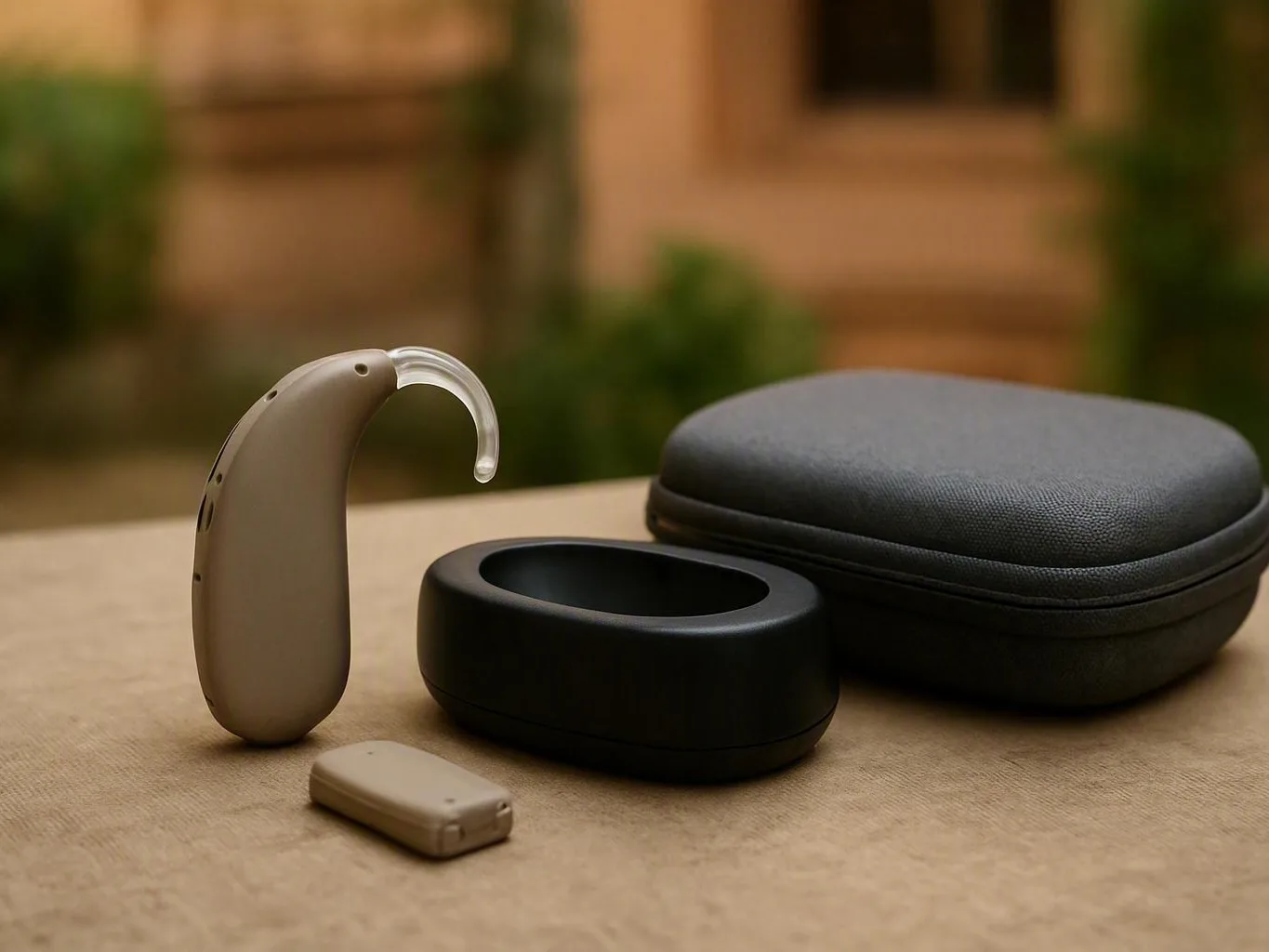
Hearing Balance Assessment is a clinical hearing and balance evaluation that links symptoms with suitable diagnostic tests. Hearing Balance Assessment differs from routine hearing testing because it considers dizziness, movement, falls, and ear pressure together. In Bhubaneswar, adults and children may need Hearing Balance Assessment when heat, monsoon travel, or daily falls worsen symptoms.
A structured symptom history records triggers, duration, falls, tinnitus, medicines, and hearing changes. It gives the assessment a clear clinical focus.
An ear inspection checks visible blockage or ear-canal concerns before testing. It helps prevent misleading results from a simple physical issue.
Pure-tone audiometry measures responses to selected tones across frequencies. The result shows whether hearing loss may contribute to communication or balance concerns.
Tympanometry checks middle-ear movement, while BERA may assess neural hearing responses when suitable. The findings guide referral and treatment planning.
The audiologist explains the test pattern and records the next step. The plan may include monitoring, hearing aid discussion, speech therapy, or ENT review.
The cost of Hearing Balance Assessment depends on factors like scope, materials needed, and complexity. Here are typical ranges for Bhubaneswar:
New dizziness or imbalance
History, ear concerns, and suitable test planning.
Hearing change with imbalance
Audiometry and related checks when clinically suitable.
Unclear or complex findings
Discussion of BERA, ENT review, or follow-up.
Prices are estimates. Call for an exact quote—we always provide upfront pricing before starting work.
Bring useful history and allow enough time for symptom questions before testing begins.
Assessment time depends on symptoms, age, and the tests selected.
Appointments run during posted clinic hours, with longer discussion needed when falls or referral concerns are present.
Hearing Balance Assessment links dizziness, imbalance, and hearing changes to suitable tests.

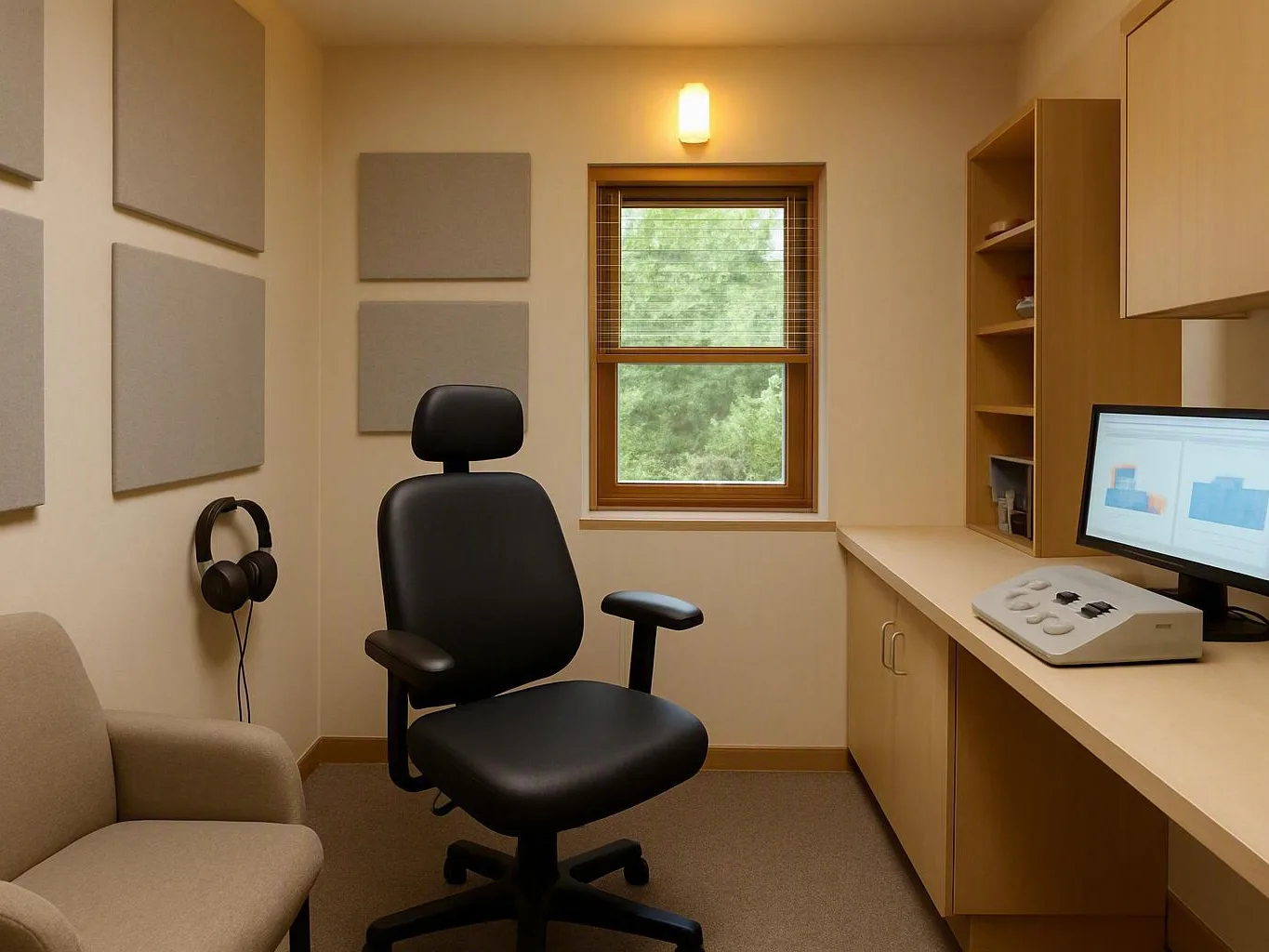

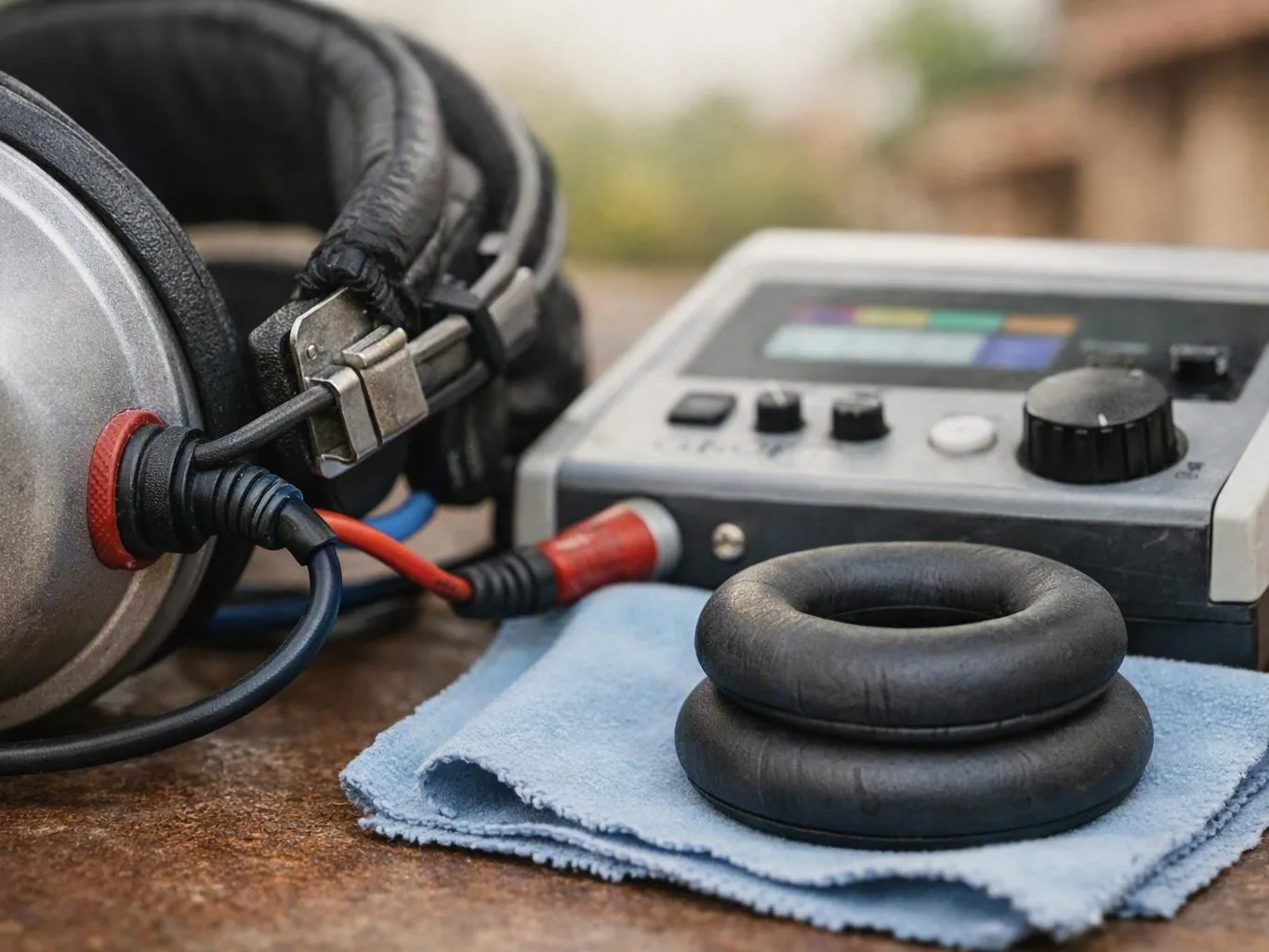

A focused assessment can connect dizziness, hearing findings, and suitable follow-up while accounting for monsoon travel and device-care needs.
Call Audium Hearing Aid Clinic on 7008550109 to schedule a hearing assessment or discuss hearing aid support.
Bhubaneswar, Odisha
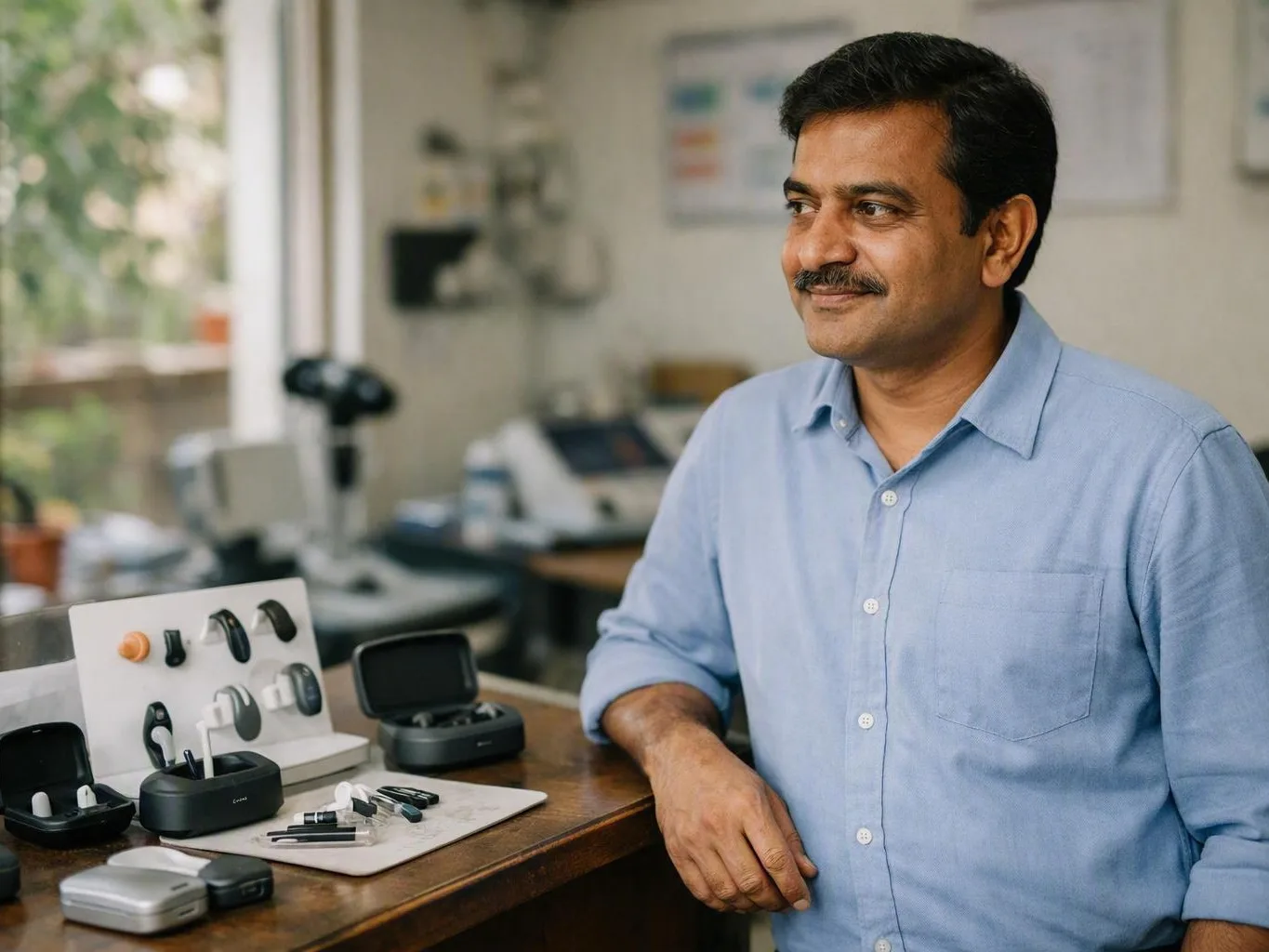
Limited time before a family event can make dizziness and hearing changes feel risky. In Bhubaneswar, Odisha, a person may need to know whether balance symptoms affect safe travel and conversation. The assessment records triggers, checks hearing and middle-ear function, and identifies whether further medical review is needed. A suitability check comes before any hearing aid discussion, so the family understands the safest next step.
A trust concern often starts when symptoms could fit several tests. In Bhubaneswar, Odisha, the audiologist links the timing pressure to a realistic plan, rather than selecting BERA or tympanometry without symptom history.
A parent notices a child turning one ear towards speech before the school term begins. In Bhubaneswar, Odisha, the family may want realistic timing, upkeep guidance, and a clear explanation of results. The consultation checks communication behaviour, hearing responses, and middle-ear signs before suggesting follow-up. If the findings do not explain the concern, the audiologist can advise medical referral instead of forcing a hearing aid decision. Families also receive practical aftercare guidance for future visits.