How Much Does a Hearing Test Cost in Bhubaneswar?
Hearing test cost in Bhubaneswar depends on the assessment type, clinic facilities, specialist advice, and extra tests. A basic screening may cost less than diagnostic audiometry. Pure tone audiometry, speech testing, tympanometry, and hearing loss evaluation can change the final fee. Audiometry test prices in India vary by city and provider. So, confirm what the quoted fee includes. Audium Hearing Aid Clinic can explain the test, preparation, report, and consultation before your assessment. Ask for a clear estimate based on your symptoms and hearing needs.
What Determines Hearing Test Cost in Bhubaneswar and India?
Hearing test cost in Bhubaneswar and India depends on the assessment type, number of tests, audiologist advice, equipment, and report needed. A basic screening usually involves fewer steps than a diagnostic hearing evaluation. Compare what each quote includes, rather than looking only at the audiometry test price.
Bhubaneswar has hearing clinics, hospitals, and diagnostic centres. Their fees may differ because their equipment, staff, consultation process, and reports differ. A lower price may cover only a short screening. A full hearing assessment may include several tests and an explanation of the results.
At Audium Hearing Aid Clinic, our team can explain which assessment may suit you. The phrase “hearing test cost India” does not mean one fixed service. The right evaluation depends on your age, symptoms, medical history, and reason for testing.
Local conditions may affect the process too. Bhubaneswar’s hot, humid, and dusty seasons may cause ear discomfort or wax blockage. A clinical ear check may be needed before the results are reviewed. If you travel across Bhubaneswar, also ask about repeat-visit costs. Reports, specialist advice, or extra tests may need another appointment.
Equipment and qualified audiologists can affect the services a clinic offers. Some clinics provide basic screening, while others offer wider diagnostic care. Ask if the fee includes the audiogram, written findings, consultation, and next-step advice.
How Much Do Audiometry and Pure Tone Audiometry Cost?
Audiometry test price Indiavaries by the tests included in your appointment. Pure tone audiometry measures the softest tones you can hear. It may use air conduction and bone conduction. The results estimate.hearing threshold in each ear.
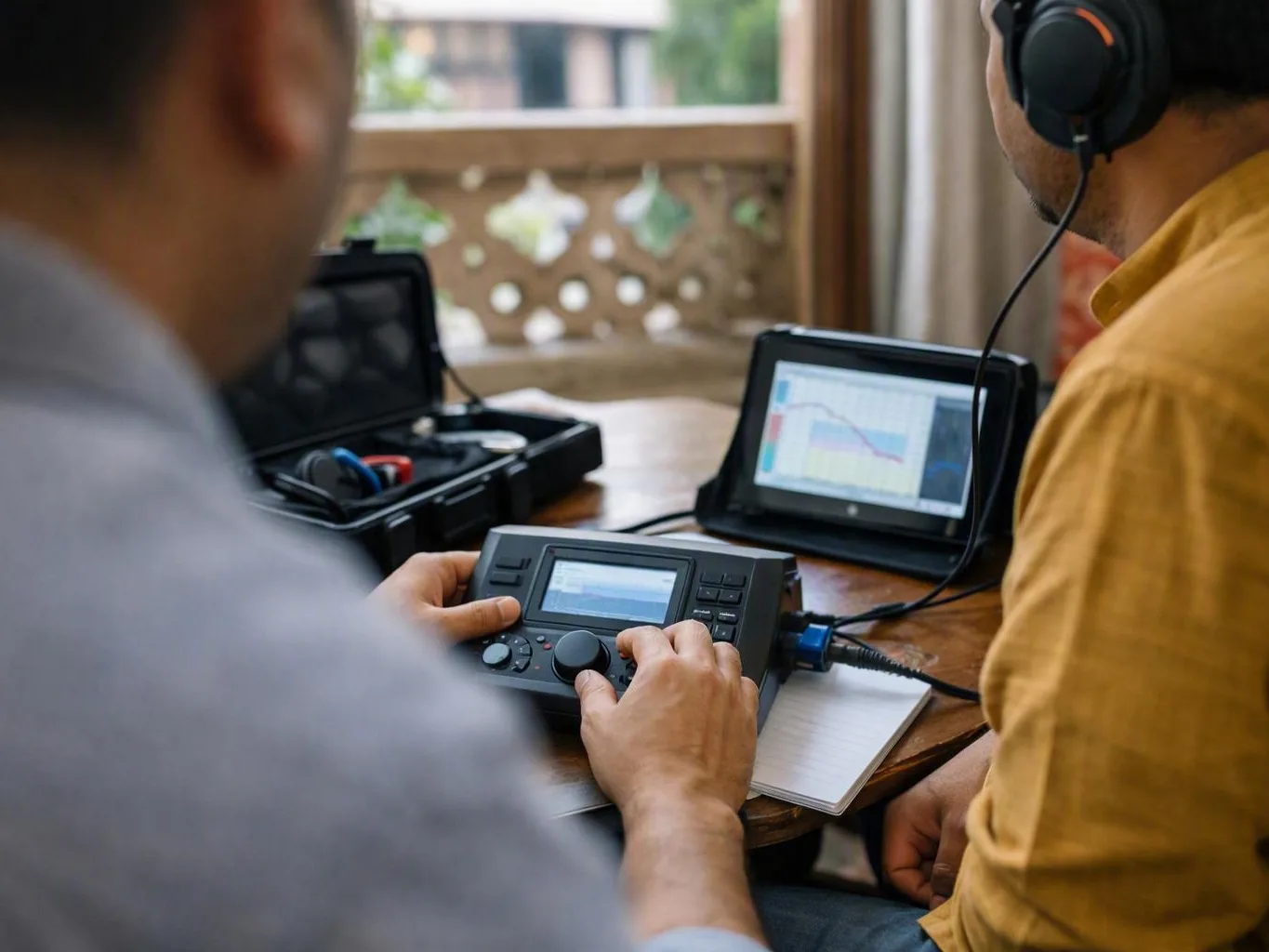
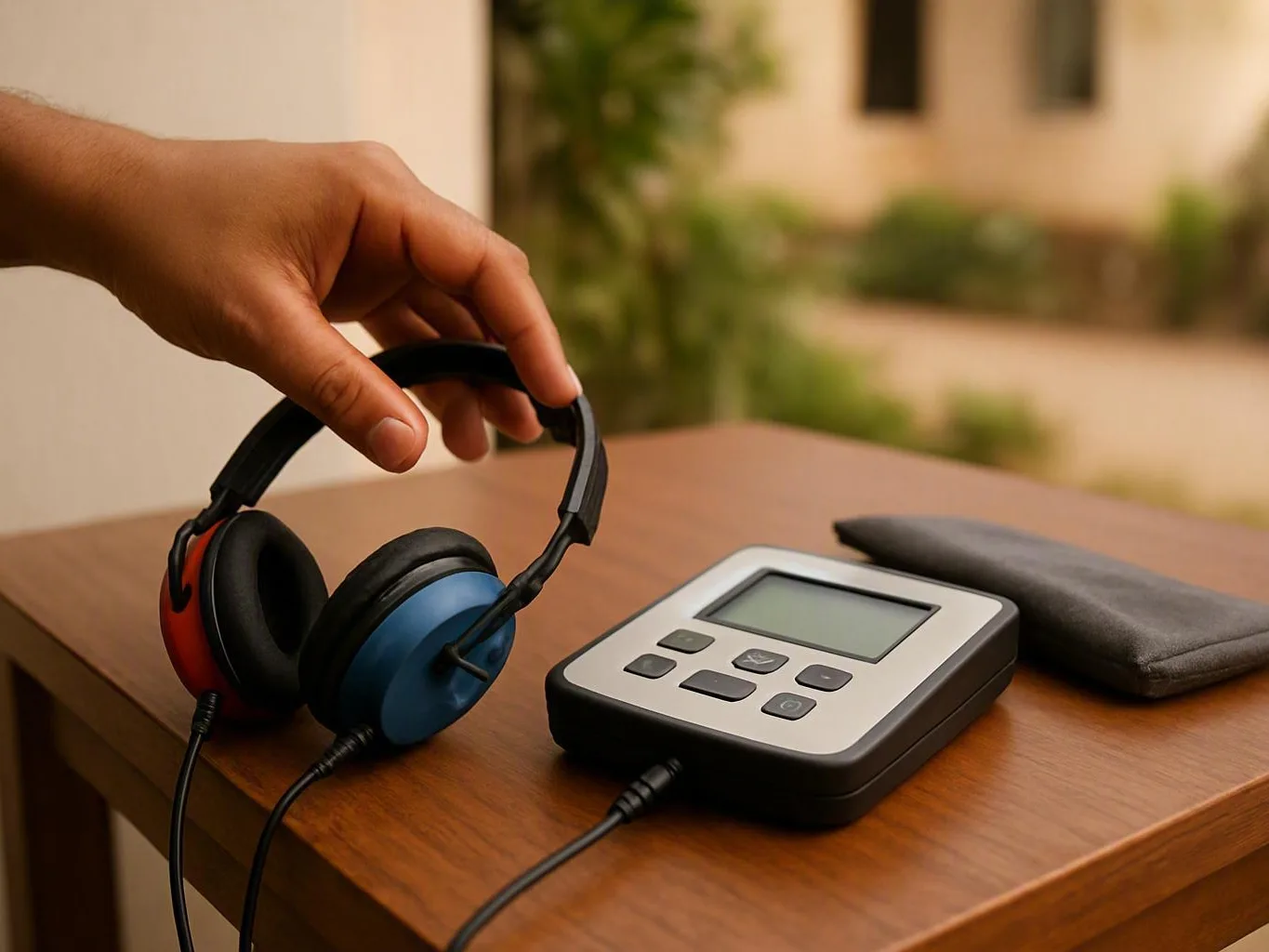
Pure tone audiometry is a behavioural hearing test. You respond whenever you hear a tone. You may press a button or raise your hand. Air conduction uses headphones or small inserts. It checks the full hearing pathway. Bone conduction uses a small vibrator behind the ear. It checks how sound reaches the inner ear.
People searching for “pure tone audiometry cost” should ask if both air conduction and bone conduction are included. Some assessments may also include speech audiometry, tympanometry, otoscopy, or an audiologist consultation. These extra services can change the final fee. They may also help when symptoms are difficult to explain.
Most routine appointments take about 30 to 60 minutes. Children, older adults, difficult responses, or extra tests may take longer. Your quote should say if the report is available the same day. It should also confirm whether a clinician explains the findings.
Which Factors Can Change the Final Hearing Test Fee?
The final hearing test fee can change when the assessment includes extra tests, specialist interpretation, or follow-up reports. Hearing screening, pure tone audiometry, speech audiometry, tympanometry, and consultation may be charged together or separately. Before booking, ask which tests, reports, consultation, and follow-up are included.
| Factor | Why it changes the cost | What to prepare |
|---|---|---|
| Type of assessment | A screening has a narrower purpose than a diagnostic hearing evaluation. | Explain if testing is for routine checking, symptoms, work, school, or a device assessment. |
| Number of procedures | Speech audiometry, tympanometry, and other tests need more time and equipment. | Bring previous reports and details of earlier ear treatment. |
| Audiologist consultation | Expert advice connects the results with symptoms and care choices. | Prepare questions about hearing changes, tinnitus, communication difficulty, or dizziness. |
| Clinic facilities | Equipment, room conditions, calibration, and staff can differ between providers. | Ask who conducts the assessment and which equipment they use. |
| Reporting and follow-up | A detailed audiology report or later review may cost extra. | Confirm report timing, consultation details, and possible repeat visits. |
These details give a better picture than price alone. Fees can differ between clinics, hospitals, and diagnostic centres in Bhubaneswar. Clear questions can help you avoid surprise costs. They can also help you receive the right audiological assessment.
What Should You Ask Before Booking a Hearing Test?
Before booking a hearing test, ask which assessments are included and who conducts them. Confirm if consultation and reporting are included. Ask how long the appointment takes and whether you need to prepare. Also share your symptoms, earlier tests, medicines, noise exposure, and medical history.
Do not use cotton buds or put objects in your ear before the appointment. Suspected wax blockage may need an examination first. Blockage can affect your responses and the way results are read. Clear information also helps our team plan tests for children, adults, and older patients.
How Can You Save Money Without Compromising Hearing Care?
Patients can reduce avoidable hearing-test expenses by choosing the right assessment and confirming what it includes. Bring earlier reports and follow the preparation advice. Ask if related tests can be completed in one visit. Saving money should not mean skipping a test needed to find hearing loss or plan safe care.
These steps can make the process simpler without lowering care quality. A clear conversation before booking can show if a basic check is enough. It can also show when a full diagnostic hearing evaluation is safer.
When Is a Hearing Test Medically Important?
A hearing test is medically important when someone notices reduced hearing, tinnitus, blocked-ear feelings, repeated ear infections, dizziness, or trouble following speech. Children may also need testing for delayed speech and language development. A timely assessment can separate hearing loss from temporary ear problems. It helps a qualified clinician decide on monitoring, treatment, referral, or hearing support.
Adults may notice unclear conversations or a rising television volume. They may also ask people to repeat themselves often. Tinnitus, sudden hearing changes, ear pressure, discharge, or balance problems need clinical attention. A hearing evaluation does not automatically mean you need a hearing device. It gives you information for safe decisions.
Children may need assessment when speech or language development is delayed. Classroom listening problems and repeated ear infections can also affect communication. Testing should suit the child’s age and ability to cooperate. Parents should bring details about birth history, infections, medicines, development, and previous screening.
Seek prompt medical advice for sudden hearing loss, severe dizziness, serious pain, or discharge. One-sided symptoms also need attention. Earwax and infection can reduce hearing for a short time. Only a suitable examination can separate these problems from inner-ear or nerve-related hearing loss.
In Bhubaneswar, heat, humidity, dust, and outdoor noise may contribute to discomfort or noise exposure. Do not blame symptoms on weather alone. Our team can explain when an audiologist’s assessment is suitable. We can also explain when medical referral may be needed.
What Happens During a Hearing Loss Diagnosis?
Hearing loss diagnosis starts with a case history. It may include an ear examination, pure tone audiometry, speech audiometry, tympanometry, and an audiogram. The audiologist chooses tests based on symptoms, age, cooperation, and clinical findings. Results show hearing thresholds and support advice, monitoring, referral, or hearing-device discussions.
First, the audiologist asks about hearing changes, tinnitus, infections, dizziness, noise exposure, medicines, family history, and earlier treatment. This information helps explain the test findings. An otoscopy may then check the ear canal. It can show wax, inflammation, or other visible concerns.
During pure tone audiometry, you respond to tones through headphones or inserts. Air conduction checks the overall hearing pathway. Bone conduction can show whether reduced hearing mainly involves the outer or middle ear.inner ear.
Speech audiometry checks how well you detect or understand speech at different levels. Tympanometry checks how the eardrum and middle ear respond to air-pressure changes. These tests can help when you feel blocked or have a history of infection.
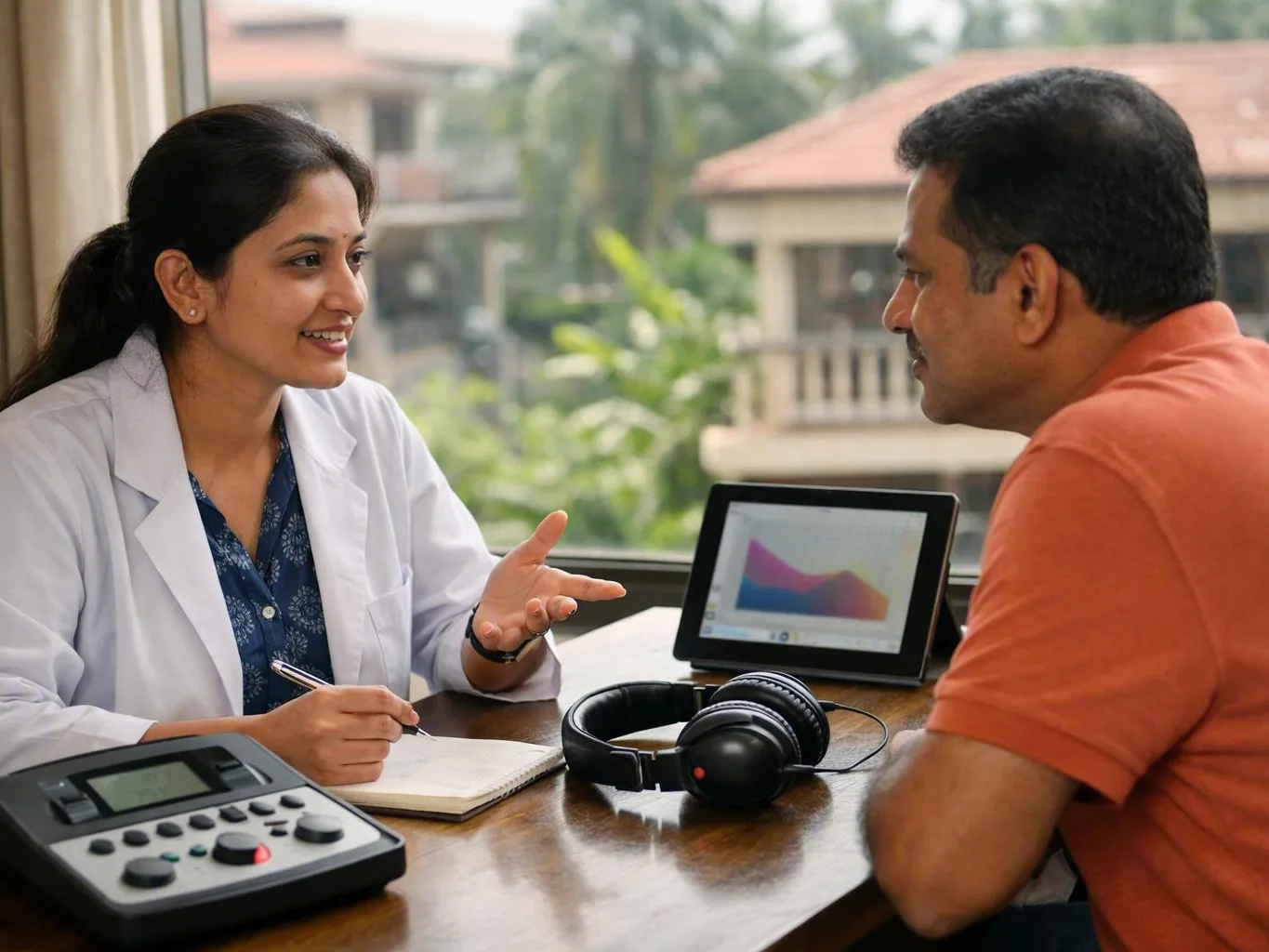
The final audiogram shows hearing thresholds for each ear. The audiologist reads its pattern with the other findings. One number cannot explain every hearing problem. Routine assessments usually take 30 to 60 minutes. Complex cases may need more time or another appointment.
Questions About Hearing Aid Clinic
Is a Hearing Test Covered by Health Insurance in India?
Coverage depends on the policy, medical reason, provider, and covered treatment. Check the policy wording. Ask the insurer if audiometry, consultation, or related diagnostic services need pre-authorisation.
How Long Does a Hearing Test Take?
A simple screening may be brief. A complete assessment usually takes about 30 to 60 minutes. It may take longer with speech testing, tympanometry, ear examination, counselling, or child-friendly testing.
Do I Need a Doctor Referral for an Audiometry Test?
A referral is not always needed for routine audiometry. Requirements vary by clinic, hospital, insurer, and medical situation. A referral can help when symptoms are sudden, severe, one-sided, or linked to dizziness or ear disease.
Can Earwax Affect Hearing Test Results?
Yes. Heavy wax blockage can reduce sound transmission or prevent accurate testing. The audiologist may check your ear first. Medical wax removal may be advised before testing or reviewing the results.
How Often Should Adults Have a Hearing Test?
There is no single schedule for every adult. Testing may help after hearing changes, tinnitus, noise exposure, ear disease, medicine-related risks, or communication problems. Adults with ongoing risks should ask a qualified professional about follow-up testing.
What Is the Difference Between a Hearing Screening and a Diagnostic Hearing Test?
A hearing screening is a quick check that shows if more testing may be needed. A diagnostic hearing test is more detailed. It may include pure tone audiometry, speech audiometry, tympanometry, an ear examination, and professional advice. These tests help show the type and level of hearing difficulty.
For a clear estimate, share your symptoms, previous reports, and reason for testing before booking. We can explain the suitable assessment, appointment time, report details, and need for further review.
Author: Dr. Sakti Prasad Mohanty
Related Resources
Hearing Aid Clinic for Seniors
Who It's ForHearing Aid Clinic for People with Tinnitus
hearing aid clinic for tinnitus
Who It's ForHearing Aid Clinic for Cochlear Implant Candidates
hearing aid clinic for cochlear implant evaluation
Everything About ItBERA vs ASSR Test: Differences, Accuracy, Preparation, Cost Factors and Who Needs Each
BERA vs ASSR test