Do You Need a Hearing Test Before Getting Hearing Aids?
Yes, you need a professional hearing test before getting hearing aids. The test shows your type and level of hearing loss. It also checks ear health and gives the audiologist details for safe programming.
Why a Hearing Test Comes Before Hearing Aids?
A hearing test comes first because it shows the type, level and pattern of hearing loss. An audiologist uses these results to choose suitable technology. They also programme each device for clear and comfortable listening.
At Audium Hearing Aid Clinic, we start with an audiological test. We don't assume that every listening problem needs a device. Results may show sensorineural, conductive or mixed hearing loss. They may also point to earwax, fluid or another problem that needs treatment first.
Our team provides Hearing Tests in Bhubaneswar for people with muffled speech or frequent misunderstandings. Some people struggle to follow group conversations. Older adults may bring a family member to describe changes. This helps when hearing loss has developed slowly.
Hearing aids support hearing, but they don't cure every cause of hearing loss. A proper assessment helps protect the hearing you still have. It also sets a safe baseline for future checks. Your care plan can then match your health, routine and communication goals.
What Happens During a Hearing Test?
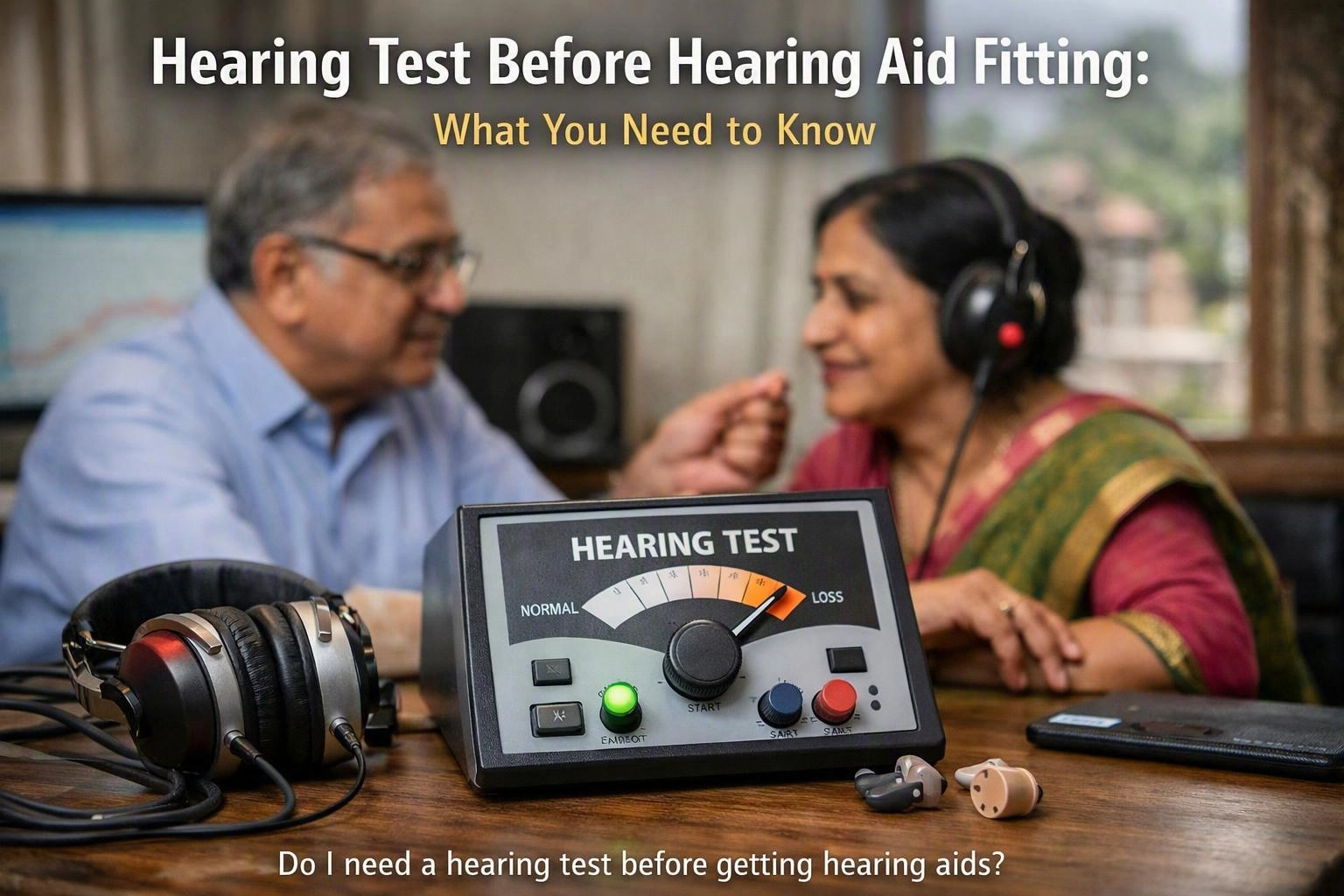
A hearing test often includes a case history, ear check and listening tests. Pure-tone audiometry measures the quietest sounds you can hear. Speech testing and middle-ear checks provide more information. The audiologist reviews all results before discussing hearing aids.
The case history covers symptoms, medicines, noise exposure and past ear infections. It may also cover family history and situations that cause trouble. You might discuss telephone calls, television and speech in noise. Family members can share useful examples too.
During otoscopy, the clinician checks your ear canal and eardrum. This may show inflammation, an obstruction or an earwax blockage. If there are signs of infection or injury, medical care may come first.
Pure-tone audiometry is the test where you respond to tones. The sounds travel through air and bone conduction. Speech audiometry checks how well you detect and understand speech. Tympanometry checks the eardrum and middle ear.
Most appointments take between 30 and 60 minutes. Your medical history or communication needs may change this time. The audiologist explains each step and records your answers carefully.
Which Hearing Measurements Affect Hearing Aid Choice?
An audiogram is a chart of your hearing thresholds across different frequencies. It shows whether hearing loss is mild, moderate or more severe. It also shows whether both ears have the same pattern. These details affect the amount and type of amplification needed.
Air conduction measures the full hearing pathway. Bone conduction helps separate inner-ear loss from outer or middle-ear problems. Speech discrimination shows how clearly you understand words at a suitable volume. Some people need communication advice as well as hearing aids.
Frequency range also matters. Low-frequency loss can affect fullness and vowel sounds. High-frequency loss often affects consonants and speech clarity. Ear-specific results help the clinician decide if bilateral hearing aids may help.
The clinician also considers comfort, dexterity, tinnitus and daily listening places. Your personal goals matter too. These details help create a practical hearing aid plan.
When You May Need Both Services Together?
A hearing assessment and hearing aid fitting work together when hearing loss affects communication. Amplification may help if the problem continues over time. You may need both services when one or both ears are affected.
These services support the same care plan. Test results show what help you need. Fitting turns those results into support for conversations, calls, television and work. Follow-up care helps your brain adjust to clearer sound.
How the Results Guide Your Hearing Aid Fitting?
Hearing test results show how much amplification each ear needs. The clinician uses this information to recommend suitable devices. They programme the devices to match your audiogram and check their output. Follow-up visits can improve comfort and speech clarity.
Verification matters when hearing differs greatly between ears. It also helps when speech understanding is limited. We explain insertion, cleaning, charging and battery care. We also discuss safe volume levels and what to do if sound feels uncomfortable.
Hearing Test and Hearing Aid Fitting: What Is the Difference?
A diagnostic hearing assessment measures and explains your hearing ability. A hearing aid fitting uses those results to select and programme devices. It also checks whether the devices work well. The fitting continues through adjustments, advice and follow-up care.
| Service | Main purpose | What it may include |
|---|---|---|
| Diagnostic hearing assessment | Measures hearing sensitivity and function | Case history, ear canal examination, audiogram, tone testing and speech understanding |
| Hearing aid selection | Matches devices to hearing needs and daily situations | Discussion of technology, handling, comfort, connectivity and communication goals |
| Device programming | Applies measured targets to each device | Ear-specific settings, feedback control and real-ear measurement |
| Aftercare | Improves benefit over time | Counselling, maintenance advice, hearing aid trial and follow-up adjustment |
Ear canal and middle-ear findings can affect comfort. They may also show that medical care should come first. A fitting is more than handing over equipment. It includes checking, instruction and support as you get used to new sounds.
Can You Buy Hearing Aids Without a Hearing Test?
You may find devices sold without a formal test. However, professional assessment is safer before purchase. It can find treatable causes and patterns that need medical review. It can also prevent unsuitable amplification.
Self-fitting hearing aids may suit some adults under healthcare guidance. They don't replace professional assessment when symptoms are unclear. One-sided loss, dizziness, ear discharge, pain or sudden hearing loss need prompt attention. A medical referral may be needed before fitting.
Earwax blockage can reduce hearing without requiring permanent amplification. After treatment, a repeat test may show a different result. This process helps protect comfort and supports accurate, ear-specific programming.
What to Ask Before Your Hearing Aid Appointment?
Ask what the hearing test includes and how results affect device choice. Check whether programming will be verified and what follow-up support is available. Discuss your goals, dexterity, lifestyle, budget and maintenance needs.
Ask about a hearing aid trial and warranty cover. Find out how repairs and routine maintenance are handled. Also ask when your follow-up appointment should happen. Tell the clinician about speech in noise, telephone use, television and work.
Our team can explain hearing rehabilitation and bilateral hearing aids. We can also discuss practical support for family members. Clear questions make it easier to compare options and report changes.
Questions About Hearing Aid Clinic
Can I Get Hearing Aids Without a Hearing Test?
Some devices can be bought without testing, but professional assessment is safer. It can find earwax blockage, medical concerns and the right amplification for each ear.
How Long Does a Hearing Test Take Before Getting Hearing Aids?
A standard appointment commonly takes between 30 and 60 minutes. Extra tests, medical history or communication support may make it longer.
What Type of Hearing Test Is Needed for Hearing Aids?
A complete assessment commonly includes an ear examination, pure-tone audiometry and speech audiometry. Tympanometry may also be needed. The audiologist chooses the right measurements.
Do I Need Hearing Aids if My Hearing Test Shows Mild Hearing Loss?
Not always. The decision depends on communication difficulty, listening goals and daily impact. Advice, communication strategies or monitoring may suit you.
How Soon After a Hearing Test Can I Get Hearing Aids?
If the results support amplification, selection can often begin soon after assessment. Timing depends on device availability, programming, checks and your fitting plan.
Written with clinical guidance by Dr. Sakti Prasad Mohanty.
Choosing amplification works best when testing, clinical judgement and follow-up stay connected.
Related Resources
Hearing Aid Clinic for Seniors
Who It's ForHearing Aid Clinic for People with Tinnitus
hearing aid clinic for tinnitus
Everything About ItHearing Aid Fitting and Programming Explained: What to Expect Before, During and After a Trial
what happens during a hearing aid fitting
Why It MattersBenefits of Hearing Aids for Communication and Quality of Life
what are the benefits of hearing aids