Your Complete Checklist for a Hearing Test Appointment
A hearing test appointment checklist helps you prepare and understand what to expect. Note your symptoms, gather medical details and bring your hearing devices. Avoid loud noise before your visit. During the appointment, expect questions, an ear check and pure tone audiometry. You may also need speech or balance tests. Most routine hearing tests take 30 to 60 minutes. Complex assessments may take longer. After testing, discuss your results, diagnosis, treatment choices and follow-up plan. At Audium Hearing Aid Clinic, we help first-time patients, older adults and families understand each step.
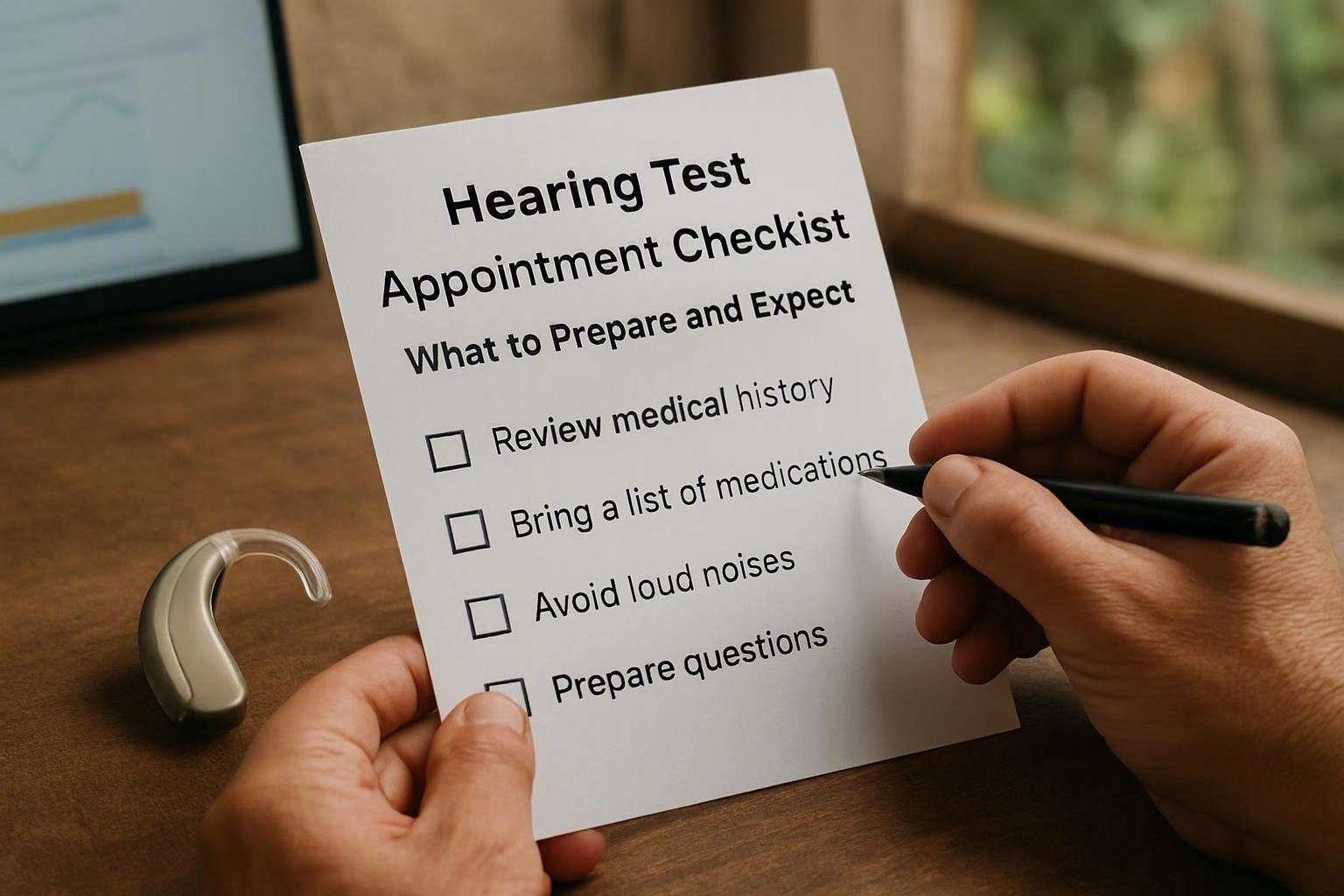
You may call this an audiology appointment checklist or a hearing assessment preparation guide. The goal is the same. Arrive ready to explain your concerns and take part comfortably. Our team can record your communication needs and preferred language. Please also share details about any hearing devices you use.
How Should You Prepare for a Hearing Test?
Hearing test preparation includes protecting your ears and recording your symptoms. Gather your medical information before the visit. Tell the clinic about possible earwax or an ear infection. These issues may affect testing. Don’t stop prescribed medicines or use ear drops unless a clinician tells you to. Follow the clinic’s instructions and allow time for registration.
These steps can make testing easier and help the audiologist understand your results. If you’re arranging Hearing Tests in Bhubaneswar, confirm the instructions early. Ask whether an ear examination is included.
What Should You Bring to a Hearing Test Appointment?
Bring your medical history, earlier results and hearing-device details. A family member can support an older adult. They can help remember symptoms and write down advice after testing.
| Item | Why it helps |
|---|---|
| Medical history | Shows ear disease, surgery, injuries, family history and other health factors. |
| Medication list | Helps the clinician review medicines and related health conditions safely. |
| Previous audiogram | Allows easier comparison of hearing thresholds over time. |
| Hearing aids or devices | Helps the team check settings, comfort, use and performance. |
| Identification and appointment details | Supports registration and confirms the planned assessment. |
Bring symptom notes and questions about work, school or group conversations. Include concerns about telephone calls and television listening. Comfortable clothing is enough. Routine assessments rarely need special preparation.
Should You Write Down Your Hearing Symptoms Before Testing?
Hearing symptoms should be written down before testing. Clear notes help the audiologist understand your results. Record the affected ear and when symptoms began. Note whether the change was sudden or gradual. Include tinnitus, pain, discharge, dizziness or communication problems. Report sudden hearing loss promptly because it may need urgent medical assessment.
Note whether speech sounds unclear or people seem to mumble. Record if background noise makes conversation harder. Explain how symptoms affect family talks, work calls, television or safety. Include the start date and possible cause. Also note what improves or worsens the problem.
Write down tinnitus, such as ringing, buzzing or pulsing. Note ear pain, pressure or fullness too. Dizziness, spinning, imbalance or nausea may guide a hearing balance assessment. A relative can add useful observations. Still, the patient’s own experience matters most.
If hearing loss began suddenly, contact a medical service promptly. This is especially important when one ear is affected. Don’t wait quietly for a routine appointment. Clear notes support the hearing loss diagnosis process and show how the problem has changed.
What Happens During Pure Tone Audiometry?
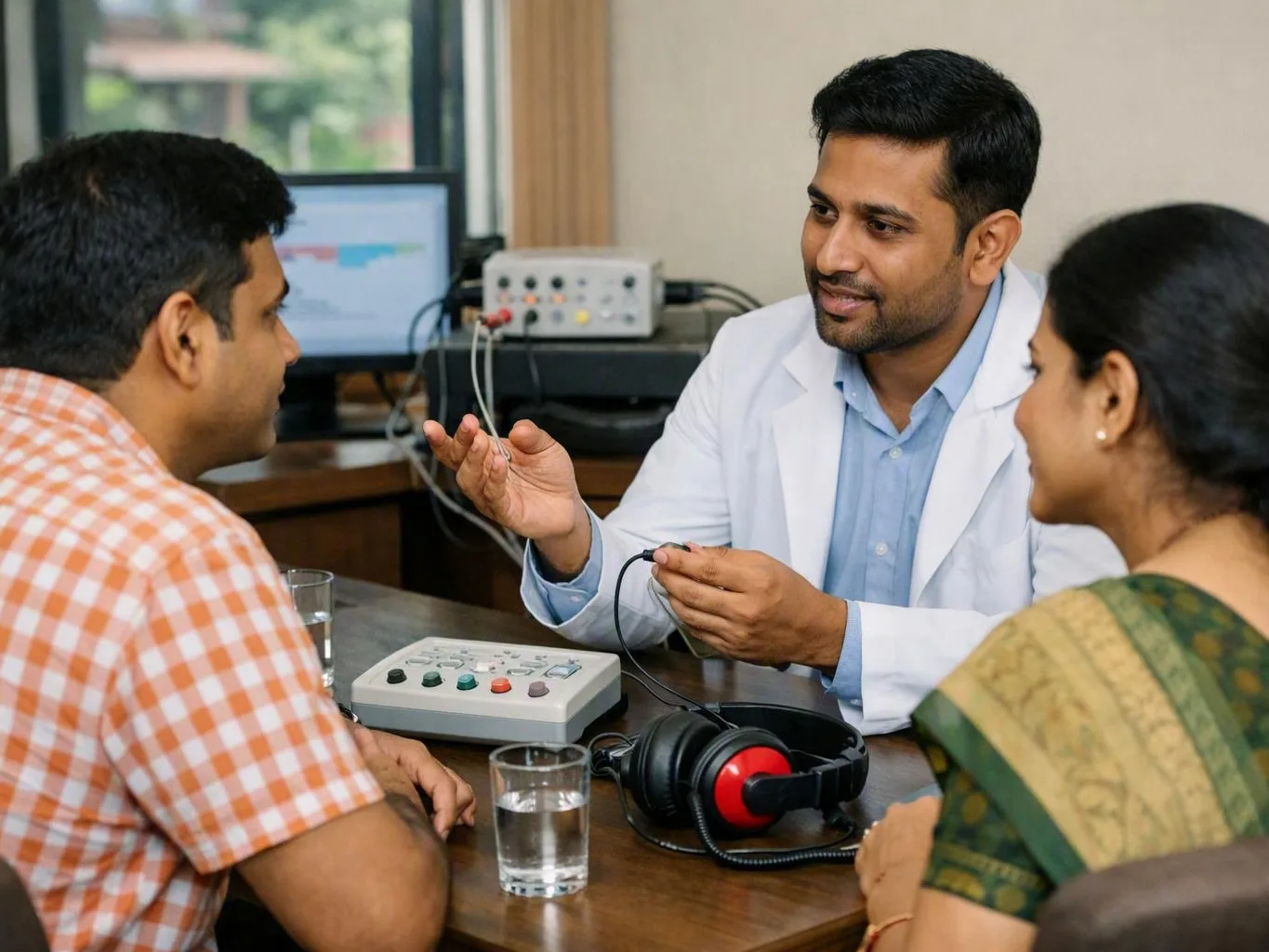
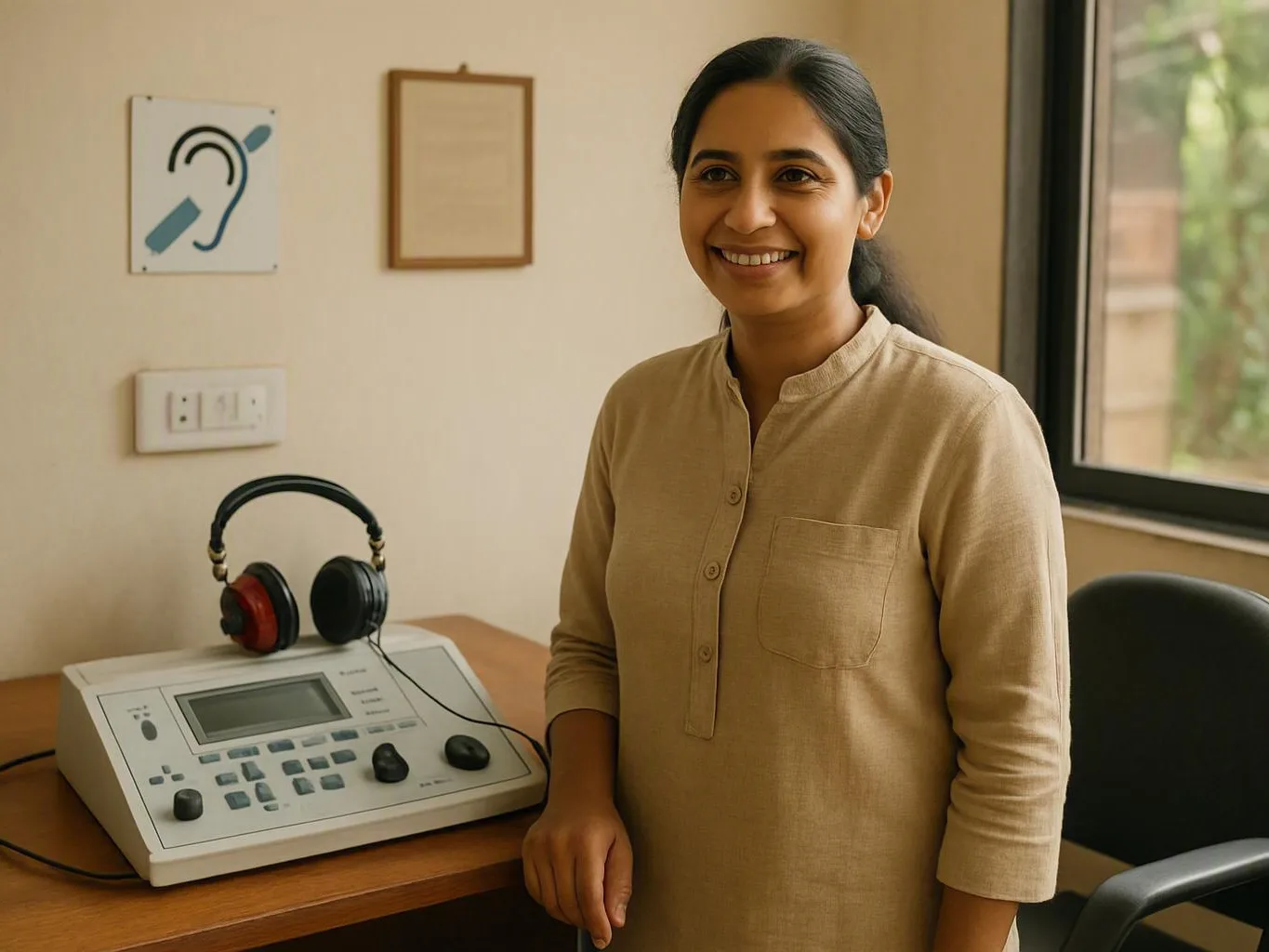
Pure tone audiometry measures the quietest sounds you can hear at different pitches. An audiologist plays tones through headphones or inserts. You respond whenever you hear a tone. Testing may also use a bone vibrator behind the ear. The results appear on an audiogram for each ear.
First, the professional explains the task and checks the fit. The audiometer plays tones at different pitches and volumes. You may press a button, raise your hand or say you heard something. Respond when a tone is faint. Don’t guess when you hear nothing.
Air conduction testing sends sound through headphones or inserts. Bone conduction uses a small vibrator behind the ear. It sends vibrations through the skull. Comparing both pathways helps identify the likely source of hearing loss. It may involve the outer, middle or inner ear.
The softest sound you hear reliably becomes your hearing threshold. These findings are marked.audiogram. Separate symbols usually represent each ear. The pattern, degree and type of loss matter more than one number. Speech testing may follow if spoken-word understanding needs checking.
Tell the audiologist if the headphones feel uncomfortable. Ask for clearer instructions if needed. Mention if tinnitus makes tones hard to hear. The test is painless and often takes part of the appointment. Children, complex symptoms or balance concerns may need extra checks.
Your During-the-Appointment Checklist
During a hearing test appointment, the audiologist reviews your history and checks your ear canal. They choose tests that match your symptoms. You may have pure tone audiometry, speech testing, tympanometry or a hearing balance assessment. Respond naturally and ask for repeated instructions. Report discomfort, dizziness or difficulty responding.
Our team supports first-time patients, older adults and people using hearing aids. Bring your devices if you want their settings checked. Mention your communication preferences before testing starts.
How Long Does a Hearing Test Take?
Hearing test duration is usually 30 to 60 minutes. This includes questions, an ear examination, audiometry and a results discussion. A brief screening may take less time. Diagnostic testing, hearing loss diagnosis or balance assessment may take longer. Ask when to arrive and whether extra tests are likely.
Most routine appointments include registration and a case history. They may also include otoscopy, air conduction and bone conduction. Speech audiometry, tympanometry or a hearing-aid discussion can add time. Children and people with complex histories may need longer appointments. Interpreter support may also require extra time.
A screening is a quick check for a possible concern. It shows whether further assessment may help. A diagnostic hearing assessment is more detailed. It identifies the type and degree of hearing change. Allow time for questions and a follow-up plan.
Most routine assessments take 30 to 60 minutes. Complex appointments may take longer. The clinic can confirm the expected schedule when you book.
What to Do After Your Hearing Test?
After a hearing test, review the audiogram and diagnosis with the hearing healthcare professional. Ask what the results mean for each ear. Find out whether the loss is temporary or permanent. Discuss treatment, monitoring or referral needs. Follow the agreed plan and keep your results for future visits.
Results are only one part of care. Daily listening needs, tinnitus, health history and personal preferences also matter. We’ll discuss hearing-device options without assuming everyone needs the same solution.
Red Flags to Report Before or During Testing
Red flags include sudden or fast-worsening hearing loss, severe dizziness and new one-sided symptoms. Ear discharge and intense ear pain also need attention. Tell the clinic about these symptoms before routine testing. A hearing test can support assessment, but urgent medical review may come first.
Don’t delay urgent advice while waiting for routine audiometry. If symptoms are severe or worsening quickly, use the right emergency or medical service nearby.
Questions About Hearing Aid Clinic
Can I Eat Before a Hearing Test?
You can usually eat and drink normally before a standard assessment. A specialised balance test may need different preparation. Ask the clinic about food, drink or medicines before that test.
Do I Need to Avoid Loud Noise Before a Hearing Test?
Avoid unusually loud noise before testing when possible. Temporary hearing changes can affect your responses. Protect your ears around machinery and loud music. Tell the audiologist about recent loud-noise exposure.
Can Earwax Affect Hearing Test Results?
Yes. Earwax can block the ear canal and reduce hearing. It can also affect some measurements. The professional may suggest safe removal or medical review. Don’t put cotton buds or objects into your ear.
What Is the Difference Between a Hearing Screening and a Diagnostic Hearing Test?
A screening is a brief check that shows whether further testing may help. A diagnostic test uses more clinical measurements. It assesses the type, degree and possible causes of hearing change. This supports diagnosis and follow-up care.
Will I Get My Hearing Test Results Immediately?
Many routine results can be discussed during the same appointment. This may include the audiogram and next steps. Medical review, specialist advice or further testing may delay the final diagnosis or referral.
Prepared questions can help you use your appointment well. If you need help arranging an assessment or discussing communication needs, contact our team through our contact page.
Author: Dr. Sakti Prasad Mohanty
Related Resources
Hearing Aid Clinic for Seniors
Who It's ForHearing Aid Clinic for People with Tinnitus
hearing aid clinic for tinnitus
Who It's ForHearing Aid Clinic for Cochlear Implant Candidates
hearing aid clinic for cochlear implant evaluation
Everything About ItBERA vs ASSR Test: Differences, Accuracy, Preparation, Cost Factors and Who Needs Each
BERA vs ASSR test