Hearing Aid Problems After Fitting: What to Check Before Giving Up
Hearing aid fitting and programming problems can make sound weak. They can also cause whistling, discomfort or little benefit. First, check the ear mould or dome seal, wax blockage, battery, microphone, receiver, volume and listening programme. Don’t keep raising the volume or ignore pain, feedback or sudden hearing changes. A hearing care professional can inspect the device and ear, check the hearing test, adjust programming, refit the mould and arrange hearing aid repair. Ongoing problems usually need a fitting review, not abandonment. At Audium Hearing Aid Clinic, we check the device, ear and listening needs before suggesting the next step.
Start with a Structured Hearing Aid Check
Hearing aid fitting and programming problems need a careful check. Look at the device, ear, physical fit and settings. Confirm the battery, wax filters, microphone, receiver, dome or ear mould, programme and volume. If the aid still feels uncomfortable or sounds weak, seek a professional review instead of raising the volume.
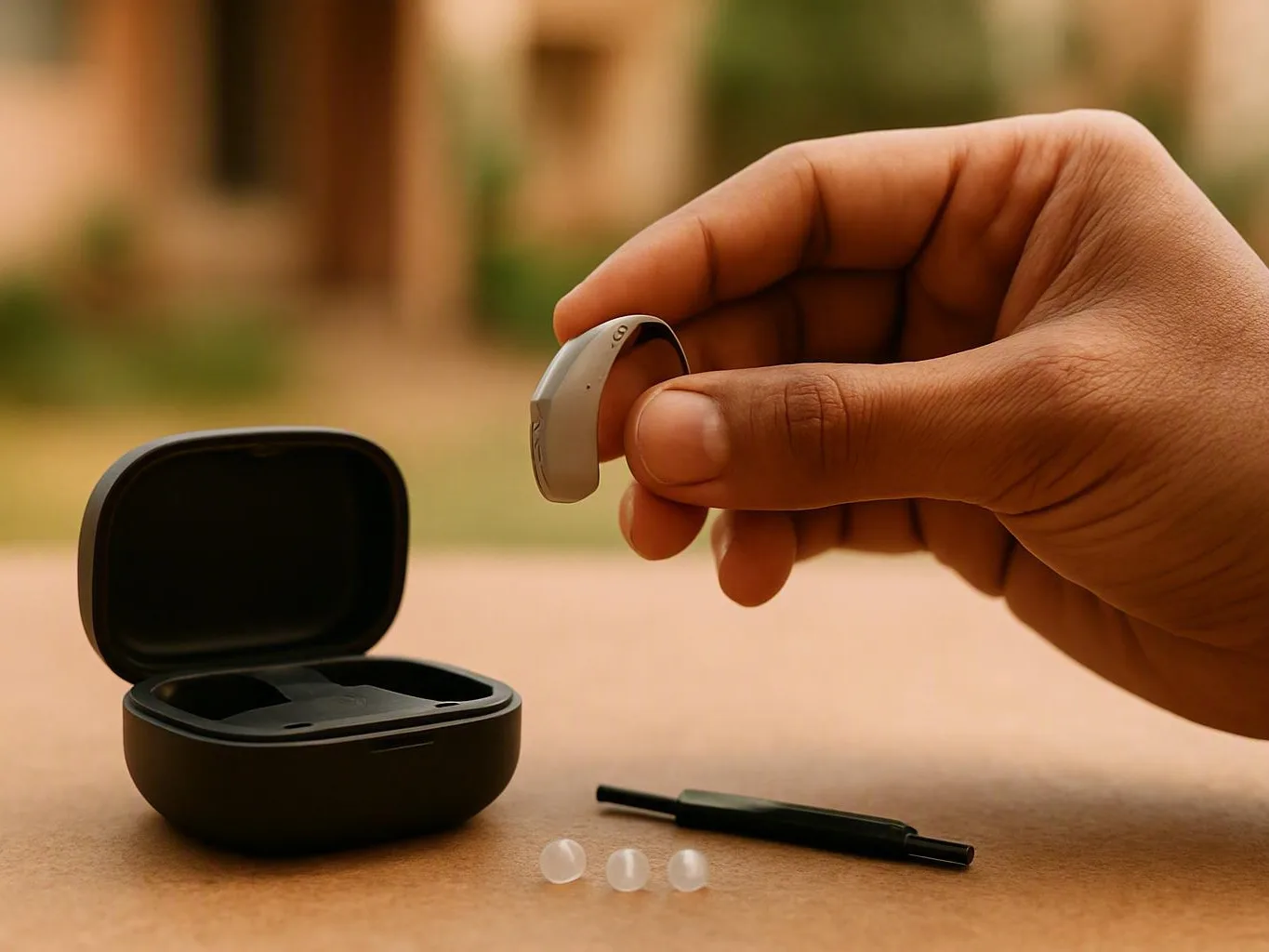
Begin with simple checks. Make sure the battery is fresh, or fully charge the rechargeable aid. Look for moisture, blocked sound outlets and dirty microphone ports. Check for a loose dome, cracked tubing or a poorly seated receiver. A blocked wax filter can reduce output, even when the aid seems to work.
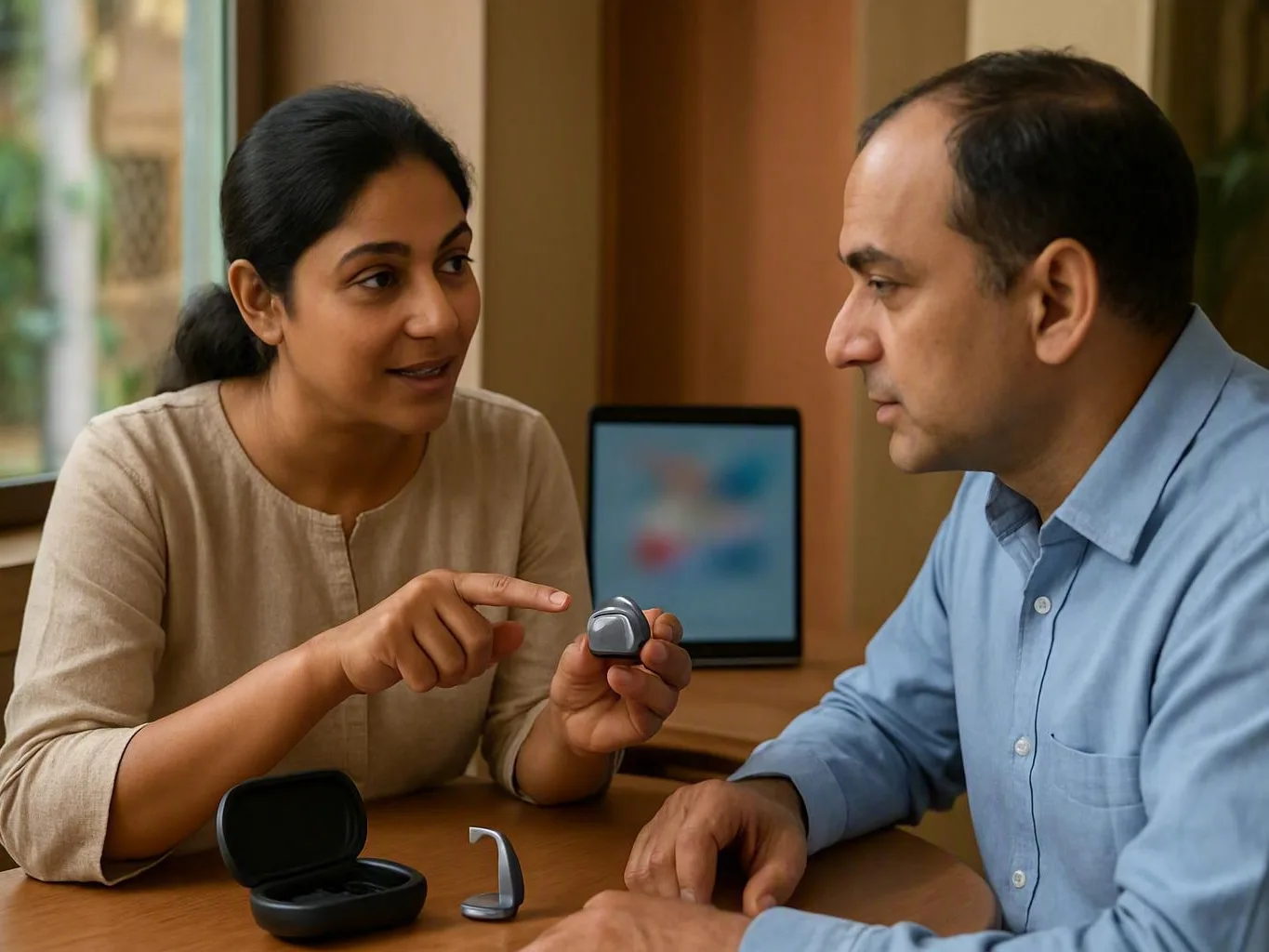
An in-person review offers more than remote troubleshooting. During a hearing aid consultationour team can check the ear canal for wax, redness, swelling, discharge or irritation. We can also compare the device with the latest.hearing assessment. Ear shape, hand movement, communication habits and background noise all affect the right choice.
For readers seeking Hearing Aid Fitting in Bhubaneswar, an appointment can cover the ear, device and listening needs. It’s more than a quick volume change. Most routine fitting reviews take 30 to 60 minutes. A complex fault or new hearing test may take longer.
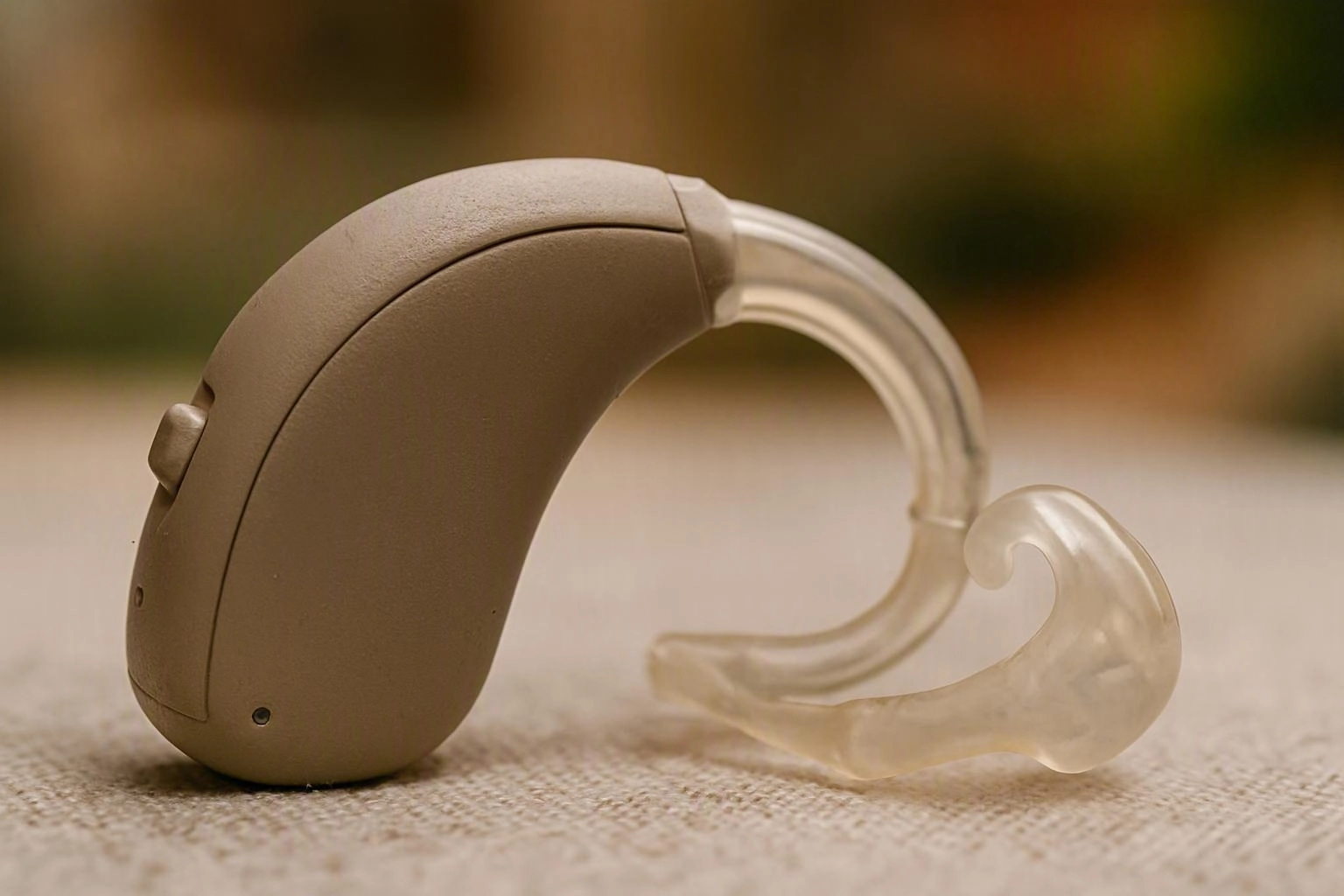
The goal is clear speech and comfortable listening. We may compare settings and check.ear mould fitting. We can also separate an ear problem from an electronic fault. This saves you from spending weeks adapting to a problem that needs fixing.
Mistake 1: Expecting Immediate Perfect Hearing
Hearing aid acclimatisation often takes time. New users need to adjust to louder speech and everyday sounds. Expecting perfect hearing at once can cause frustration. It may also lead to early abandonment.
Amplification can make clocks, fans, paper, traffic and nearby voices easier to notice. Your brain needs time to sort speech from other sounds. Still, unclear speech, pain or constant whistling shouldn’t be accepted.
Start with short, quiet listening periods. Increase wearing time as comfort improves. Practise one-to-one speech before busy group settings. Tell the clinician whether speech, background noise or loudness is the main problem. The programme may need adjustment.
People with recent hearing changes, poor speech understanding or one-sided symptoms need more than acclimatisation. A repeat hearing test and clinical review may be safer.
Mistake 2: Ignoring a Poor Ear Mould or Dome Fit
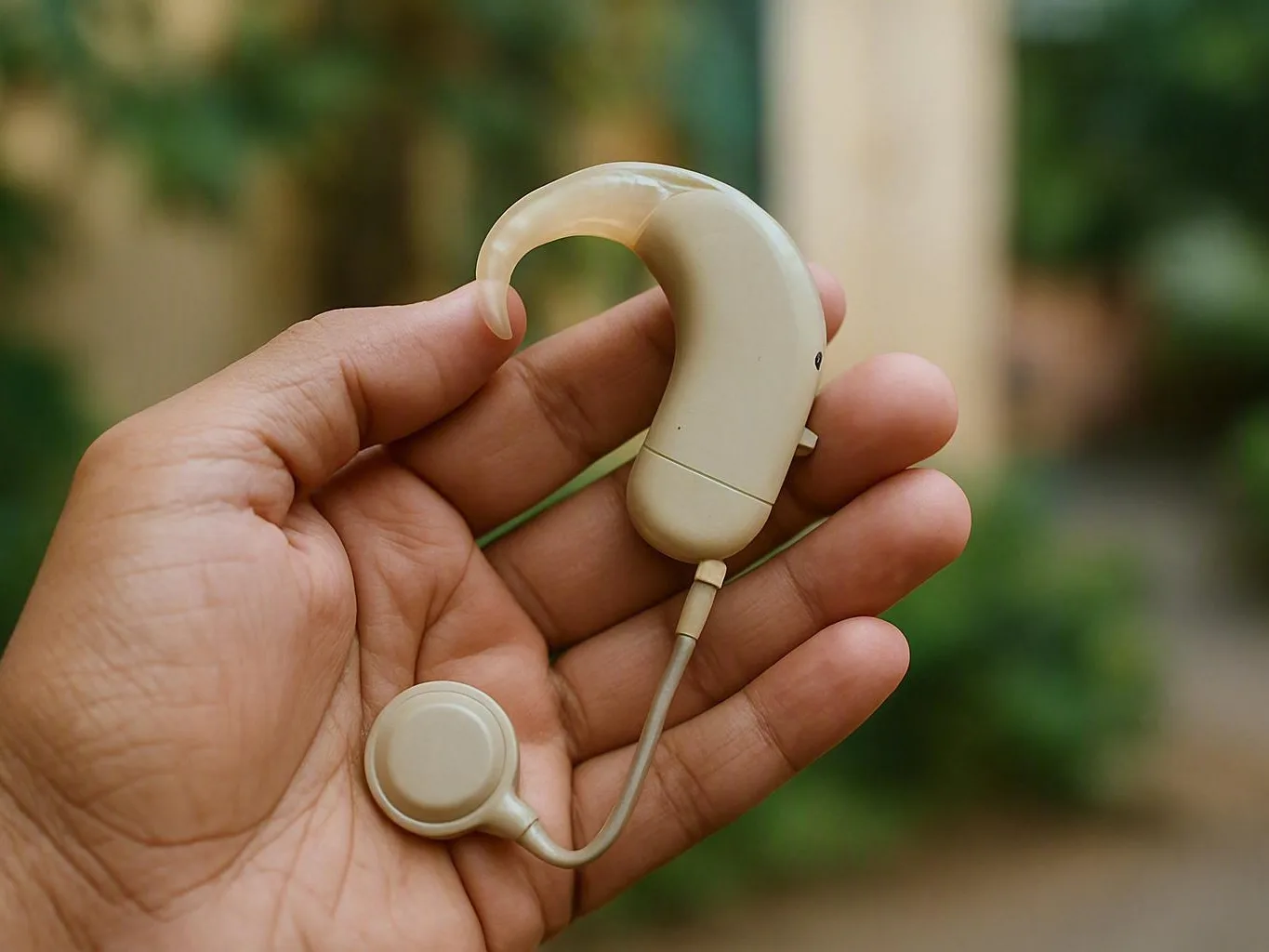
A loose or tight dome or mould can cause sound leakage and pressure. It may also slip out or feel painful. The device can then seem ineffective, even when its electronics work properly.
| Sign | Possible fitting issue | Practical fix |
|---|---|---|
| Aid moves during chewing | Poor hearing aid retention or incorrect size | Try a professionally selected dome or remould |
| Full, blocked voice | Occlusion from a closed fit | Review venting, shell design and programming |
| Tender spot in the canal | Excess ear pressure or an edge rubbing the skin | Stop wearing it if painful and arrange a refit |
| Sound changes when the jaw moves | Canal movement or unstable placement | Check the ear canal and receiver position |
Ear mould fitting is one part of the full clinical process. It covers the mould, dome, tubing, receiver and ear canal. The wider fitting also considers hearing levels, communication goals and lifestyle.
Occlusion can make your voice sound boomy or trapped. A clinician may suggest an open fitting, change the vent or reduce low-frequency amplification. Don’t cut a mould or push a dome deeper without advice. It could injure the canal or worsen the fit.
Mistake 3: Treating Whistling as Normal Feedback
Acoustic feedback shouldn’t be ignored when it is frequent or loud. It happens when amplified sound leaks from the ear and returns to the microphone. This creates hearing aid whistling or squealing.
Feedback can occur when the dome is loose or the mould is cracked. Hardened tubing or poor insertion can also cause it. Earwax may change the sound path and create earwax blockage. A hand, hat, hug or chewing may briefly trigger feedback. Repeated whistling needs a check.
Clean the device as instructed. Check that the dome is intact and reseat it gently. Don’t cover the microphone with fingers or household tape. Feedback control can help, but it can’t fix every physical leak.
The solution may include a new mould or different dome. It may also require wax removal or new feedback settings. Ongoing whistling can reduce speech clarity and confidence. Arrange a fitting review instead of turning the aid down again and again.
Mistake 4: Increasing Volume When the Sound Is Weak
Weak hearing aid sound can have several causes. A blocked pathway, low power, faulty microphone, damaged receiver or unsuitable gain may be responsible. Raising the volume may make loud sounds uncomfortable without improving speech.
Use this order of checks:
Battery performance can fall with age or cold weather. Poor charging contact and heavy streaming can also reduce power. A damaged receiver may sound muffled or cut in and out. A covered microphone can affect every setting.
Our team can test the output and inspect each part. We can also check whether the gain matches the hearing test. If we find a fault, hearing aid repair may be better than a programming change. Don’t put sharp objects into the microphone or receiver.
Mistake 5: Assuming Programming Cannot Be Changed
Hearing aid programming can be adjusted. Gain, frequency response, compression and listening programmes can change. These settings may need updating when hearing levels or daily needs change.
Programming problems may cause weak speech or harsh high notes. They can also create a boomy voice, poor clarity or uncomfortable loudness. An old prescription, incomplete hearing assessment or changed hearing loss may be involved. Settings copied from another situation may also work poorly.
Ask whether the device matches the prescription target. Real-ear measurement uses a small probe near the eardrum. It checks the sound delivered inside the ear. This shows whether the settings are close to the planned target.
Good adjustment also considers hand movement, lifestyle and background noise. Someone who travels in groups may need different settings from someone at home. Compression can improve comfort. Frequency response can balance speech and sound quality.
Does a hearing aid need programming or refitting? It may need one, the other or both. Programming changes electronic output. Ear mould fitting changes delivery and security. A careful review helps identify the right option.
Mistake 6: Putting Up with Pain or Discomfort
Hearing aid discomfort is a reason to seek advice. It isn’t a test of willpower. Pressure, a sharp mould edge, irritation, infection or a large dome can cause pain.
Remove the device if it causes ongoing pain, bleeding, swelling or a pressure sore. Keep the ear dry. Don’t put creams or oils inside the canal unless a medical clinician advises it.
A comfortable fit may need a remake, smaller dome or smoother edges. Another retention method may help too. Don’t tolerate pain because the sound seems useful. An injured canal can make future use harder.
Mistake 7: Delaying Repair or a Professional Fitting Review
A device that stays weak, distorted or unresponsive may need hearing aid repair. It may also need a professional fitting review. Delaying help can prolong communication problems. It may hide a hearing change or ear-health issue.
During an inspection, a professional can test the battery or charging system. They can also check the microphone, receiver, controls, tubing, seals and electronics. Cleaning may clear a blockage. A faulty part may need repair or replacement.
Arrange a new hearing assessment if speech becomes harder to understand. You should also seek one if your ears seem different or settings no longer suit daily life. A change in hearing can make a working device seem ineffective.
Sudden hearing loss, a sudden one-sided change or severe dizziness needs prompt medical care. Facial weakness or sudden ear symptoms also need urgent assessment. Don’t wait for a routine adjustment after an abrupt change.
We can help identify a handling, fitting, programming or device problem. We can also arrange an appropriate professional referral when medical care is needed.
Contact us for a structured review if the problem continues. This is especially important when feedback, discomfort or poor benefit remains after cleaning and charging.
When to Call a Hearing Care Professional?
Call a hearing care professional when basic checks don’t restore useful, comfortable sound. Seek help sooner when symptoms may involve the ear. The device and ear may need to be checked together.
An in-person hearing aid consultation can check the ear, wax, irritation and physical comfort. It can also compare the device with the current hearing test. Speech needs, hand movement, lifestyle and background noise should be considered too.
Bring the hearing aid, charger, spare batteries, moulds or domes. Bring notes about when the problem occurs. Clear examples help the clinician reproduce the issue. They also help decide between adjustment, refitting, repair or medical referral.
Questions About Hearing Aid Clinic
Why Is My Hearing Aid Not Helping?
A blocked wax filter, weak battery, covered microphone, faulty receiver, poor dome seal or unsuitable settings may be responsible. Changed hearing levels or earwax can also reduce benefit. Check the device safely, then arrange an in-person review if speech remains unclear or the aid feels uncomfortable.
Why Does My Hearing Aid Whistle?
Whistling is usually acoustic feedback. It occurs when amplified sound leaks back to the microphone. A loose dome, damaged mould, earwax, poor insertion or a blocked sound path may cause it. Repeated feedback needs correction and shouldn’t be accepted as normal.
Why Does My Hearing Aid Sound Weak?
Low battery power, a blocked filter, dirty microphone, damaged receiver, moisture or low gain may cause weak sound. Check the power and visible sound outlets first.
Why Is My Hearing Aid Uncomfortable?
An oversized dome, tight mould, pressure, rubbing, skin sensitivity, wax or infection may cause discomfort. Remove the aid if it causes pain or injury and seek assessment. You may need a refit, different material or medical treatment.
Does a Hearing Aid Need Programming or Refitting?
It may need programming, refitting or both. Programming changes gain, frequency response, compression and listening programmes. Refitting changes the dome, mould, tubing, receiver position or seal. A hearing care professional can compare the device with the hearing test and examine the ear first.
Written and medically reviewed by Dr. Sakti Prasad Mohanty. If your device remains uncomfortable, ineffective or unreliable, our team can help organise the right assessment, adjustment or referral.
Related Resources
Hearing Aid Clinic for Seniors
Who It's ForHearing Aid Clinic for People with Tinnitus
hearing aid clinic for tinnitus
Everything About ItDigital vs Rechargeable Hearing Aids: Complete Guide to Features, Benefits and Fit
digital vs rechargeable hearing aids
Everything About ItHearing Aid Fitting and Programming Explained: What to Expect Before, During and After a Trial
what happens during a hearing aid fitting