Blocked Ears and Muffled Hearing: When to Get Them Checked
Blocked ears and muffled hearing need assessment when they last, return, affect one ear, or occur with other symptoms. These symptoms include pain, discharge, dizziness, tinnitus, fever, or sudden hearing loss. Earwax, congestion, Eustachian tube dysfunction, infection, fluid behind the eardrum, and inner-ear conditions can cause them. A hearing assessment may include an ear examination, audiometry, and tympanometry. These tests help show whether sound conduction or the inner ear is affected. Seek urgent medical care for sudden hearing loss, severe dizziness, facial weakness, or neurological symptoms.
Blocked ears and muffled hearing need clinical assessment based on their duration, severity, and related symptoms. At Audium Hearing Aid Clinic, we help adults, older people, children, and people with communication difficulties understand suitable checks.
Written by Dr. Sakti Prasad Mohanty
What Do Blocked Ears and Muffled Hearing Feel Like?
Blocked ears can make sounds seem distant, unclear, or quieter than usual. You may notice pressure, a plugged feeling, poor speech understanding, popping, or ringing. Symptoms may affect one ear or both ears. Their pattern helps clinicians judge the likely cause and urgency.
People may describe these symptoms in different ways. A child may seem not to listen. An older person may miss parts of conversations. Someone with communication difficulties may report poor hearing clarity instead of “muffled” sound.
Tinnitus does not always mean serious disease. However, new or one-sided symptoms should not be ignored. Timing, severity, and communication problems all matter during a hearing assessment.
What Causes a Blocked Ear and Muffled Hearing?
Common causes include earwax impaction, Eustachian tube dysfunction, middle-ear infection, fluid behind the eardrum, and congestion. Less common causes include a perforated eardrum, noise injury, medicine effects, or inner-ear disease. An ear examination is needed because similar symptoms may need different treatments.
Some causes affect sound movement through the ear canal or middle ear. Others affect the cochlea or hearing nerve and may cause sensorineural hearing loss. Hearing changes after sinus congestion may improve. A sudden change in one ear needs urgent clinical attention.
These conditions can feel alike, so self-diagnosis is unreliable. A clinician may need to inspect the ear and measure hearing before suggesting treatment.
Can Earwax Cause Muffled Hearing?
Yes. Cerumen can cause muffled hearing when it partly or fully blocks the ear canal. The blockage may also cause fullness, poor speech clarity, or tinnitus. This is especially common when only one ear is affected.
A healthcare professional should guide earwax removal when wax is hard, painful, or deep inside the ear. Professional help is also needed with discharge, dizziness, or a known eardrum problem. Do not use cotton buds, hairpins, or other objects inside the ear. They can push wax deeper, irritate the canal, or damage the eardrum.
Hearing should improve after safe earwax removal. If it does not, another cause may be present. An ear examination and hearing test can separate wax-related blockage from a hearing disorder.
How Long Can Blocked Ears Last Before I Seek Help?
Blocked ears lasting more than a few days, returning often, or getting worse should be checked by a healthcare professional. Seek advice sooner for pain, discharge, fever, dizziness, or hearing changes in one ear. Sudden hearing loss needs urgent medical attention. Early treatment may improve the chance of recovery.
Pressure after a flight or cold may settle as congestion improves. Persistent hearing changes should not be dismissed, though. Repeated blockage may result from allergies, Eustachian tube problems, earwax, infection, or another condition.
A primary care clinician can examine your ear and decide what happens next. You may need a hearing assessment, treatment, or referral. As a general guide, seek advice when symptoms last around three to seven days without clear improvement. Warning signs need earlier care.
Adults may describe sounds as dull. Children may show changes in attention, speech, schoolwork, or behaviour. Older people may watch faces or turn up the television. These signs make timely assessment useful when communication becomes difficult.
When Are Blocked Ears with Pain or Dizziness Concerning?
Blocked ears with severe pain, dizziness, discharge, fever, sudden hearing loss, facial weakness, or new neurological symptoms need prompt medical assessment. These signs may point to infection, eardrum injury, inner-ear disease, or another condition. Do not put objects in the ear or delay care while trying home remedies.
Urgent referral is different from a routine assessment. A routine appointment may suit mild, stable symptoms. Sudden sensorineural hearing loss, severe dizziness, infection signs, or neurological symptoms need time-sensitive care.
Should I Get a Hearing Test for Muffled Hearing?
A hearing test is suitable when muffled hearing lasts, affects communication, mainly affects one ear, or has no clear cause. Audiometry measures hearing sensitivity. Tympanometry checks eardrum movement and middle-ear pressure. Otoscopy and your symptom history help show whether the change is conductive, sensorineural, temporary, or medically important.
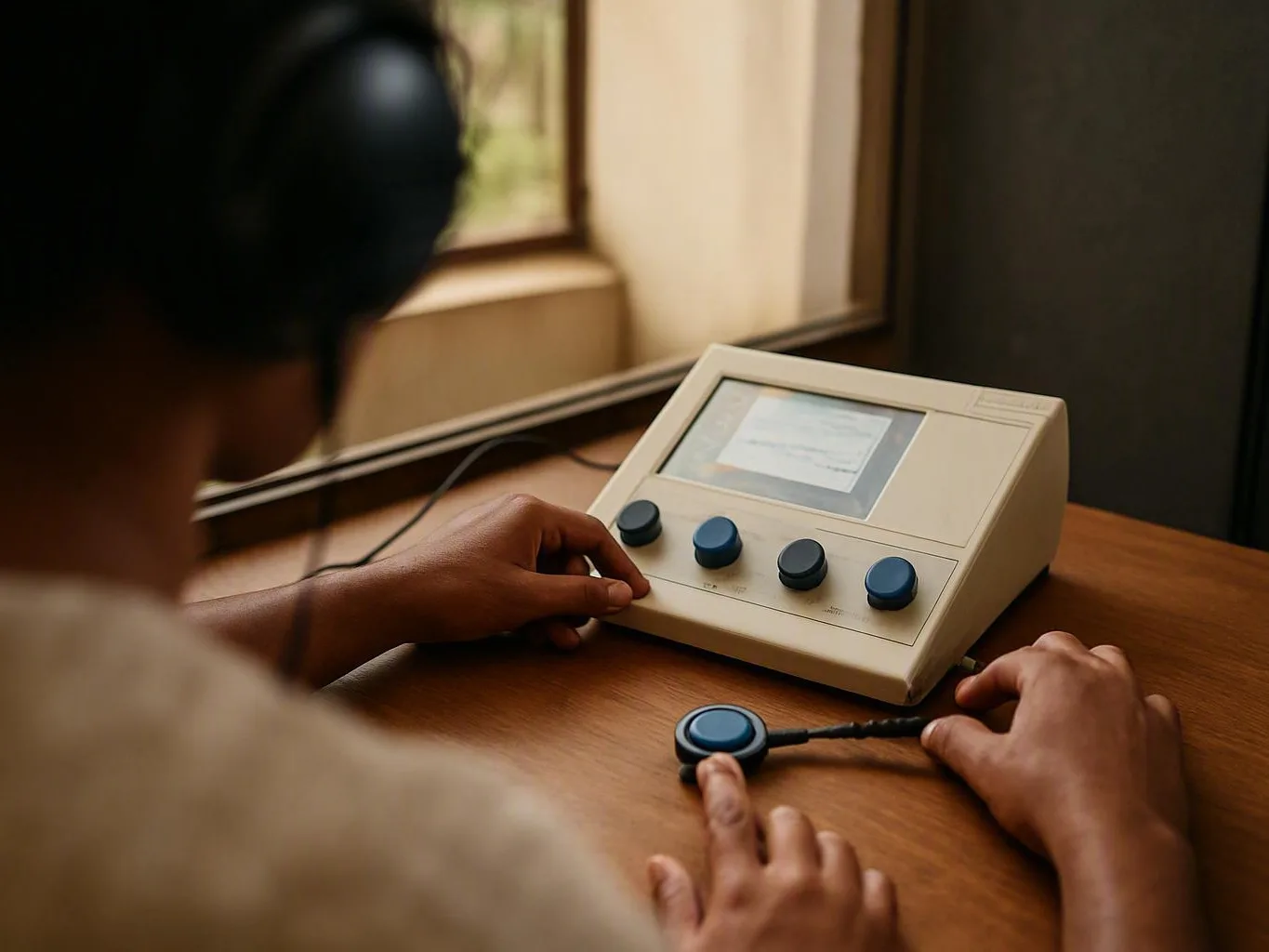
During pure-tone audiometry, you respond to tones at different pitches and volume levels. Speech audiometry checks how well you hear or understand spoken words. These tests show the degree and pattern of hearing loss. They cannot identify every medical cause by themselves.
Tympanometry gently changes air pressure in the ear canal. It checks eardrum movement and middle-ear function. The test may help find fluid, pressure problems, or reduced movement. Earwax, a perforation, or an active infection may affect the result.
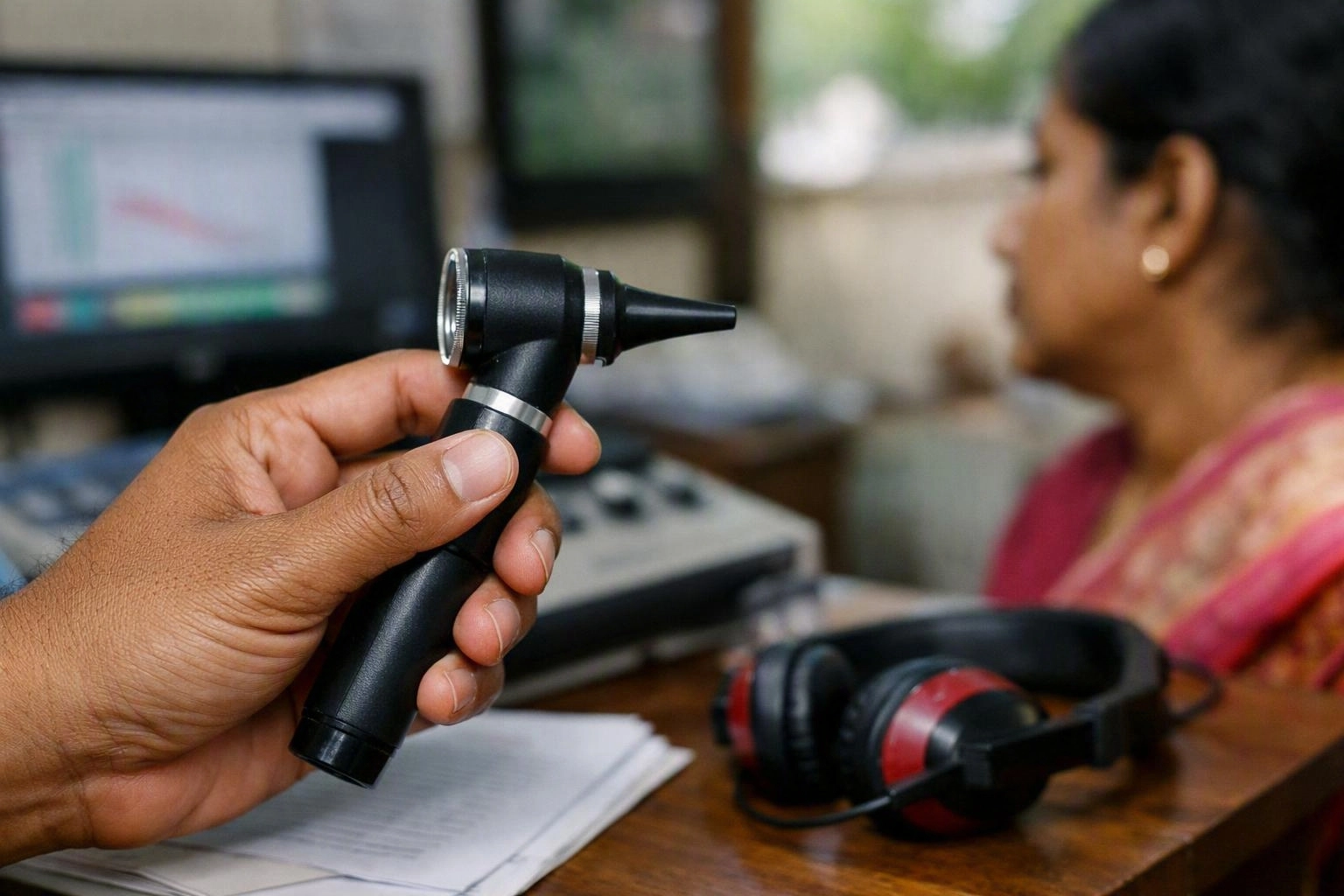
Otoscopy lets the clinician inspect the ear canal and eardrum. It can show wax, swelling, injury, or signs of fluid. The case history, examination, and hearing measurements support Hearing Loss Diagnosis. We may recommend Hearing Tests in Bhubaneswar when local assessment is suitable. Urgent symptoms may need direct medical referral.
Hearing assessment can help adults, older people, children, and people who cannot describe their symptoms easily. A Hearing Aid Clinic can explain communication needs. However, a hearing test cannot replace medical diagnosis when pain, discharge, sudden hearing loss, or neurological symptoms are present.
How Can I Prevent Recurrent Ear Blockage?
Safe ear care, loud-noise protection, and proper allergy care may reduce repeated blockage. Avoid putting objects inside the ear. People who feel pressure during flights or diving should ask a clinician about safe pressure-equalisation methods. Repeated symptoms still need assessment because prevention depends on the cause.
Helpful habits include the following:
Do not use ear drops routinely unless they are suitable for you. A clinician can check for an eardrum hole, infection, or another problem that makes self-treatment unsafe.
What Happens During a Blocked Ear Hearing Assessment?
A blocked ear hearing assessment usually starts with a symptom history and ear examination. Audiometry and tympanometry may follow when needed. The results show whether sound is blocked in the ear canal or middle ear. They can also show whether the inner ear may be involved.
A clinician can then suggest monitoring, treatment, or referral.
Tests provide useful evidence, but they do not give a complete diagnosis alone. Results must be considered with symptoms, examination findings, age, communication needs, and medical history. Most basic assessments take about 30 to 60 minutes. The time may vary with age, testing needs, and referral requirements.
Questions About Hearing Aid Clinic
Can Earwax Cause Muffled Hearing?
Yes. Earwax can block the ear canal and make sound seem dull, distant, or quieter. Safe removal may restore hearing. Persistent symptoms need an ear examination because infection, middle-ear fluid, and inner-ear disease can feel similar.
How Long Can Blocked Ears Last Before I Seek Help?
Seek advice if blockage lasts more than a few days, keeps returning, or worsens. Seek help sooner for pain, discharge, fever, dizziness, or one-sided hearing change. Sudden hearing loss needs urgent medical attention.
Can Blocked Ears Cause Tinnitus?
Yes. Earwax, pressure changes, infection, or reduced hearing can be linked with tinnitus. New, lasting, one-sided, or severe tinnitus should be assessed. This is especially important with sudden hearing loss or dizziness.
Should I Get a Hearing Test for Muffled Hearing?
Consider a hearing test when muffled hearing lasts, affects communication, mainly affects one ear, or has no clear cause. Audiometry, tympanometry, and otoscopy can clarify the pattern. Medical symptoms still need clinical diagnosis.
When Are Blocked Ears with Pain or Dizziness Concerning?
They are concerning when severe pain occurs with fever, discharge, sudden hearing loss, marked vertigo, facial weakness, or neurological symptoms. These signs need prompt or emergency medical evaluation, not delayed home treatment.
Arrange an assessment if symptoms persist, return, affect one ear, or make communication difficult. For general appointment enquiries, use our contact page.