
Implant History and Map Review
The audiologist checks earlier maps, implant details and reported changes. This establishes a safe starting point for comparison.
Cochlear Implant Programming can refine how an implant responds to speech and everyday sound. Humid monsoon months make careful device checks especially useful.
Maps listening comfort against the user’s reported sound quality.
Uses speech perception checks to guide programming decisions.
Helps parents describe school listening problems in practical terms.
Supports device-care planning during Bhubaneswar’s humid monsoon months.
Keeps earlier maps and new observations together for follow-up.
Gives adults a structured way to compare sound changes.

Cochlear Implant Programmingis an audiology service that adjusts implant sound settings for comfortable listening. Cochlear Implant Programming differs.hearing aid fitting because it changes an implant map and checks electrode responses. In Bhubaneswar, children and adults may need Cochlear Implant Programming after sound changes, growth or device concerns.
The audiologist checks earlier maps, implant details and reported changes. This establishes a safe starting point for comparison.
Electrode responses and comfort levels are checked where the system supports these measures. The result helps identify settings that need closer attention.
Responses across channels are compared to detect uneven loudness or discomfort. The listener gains a more controlled basis for map changes.
Speech tasks connect programming choices with word access in suitable listening conditions. The findings guide practical goals for home, school or work.
The selected map, concerns and care notes are recorded for later reference. Follow-up planning helps track changes without relying on memory alone.
Audium Hearing Aid Clinic holds every Cochlear Implant Programming engagement to the same standard—from first enquiry through completed work. Here is what guides our process.
Every Cochlear Implant Programming case is reviewed against our own checks before sign-off, so you receive exactly what was agreed.
Clear documentation at every stage—what we reviewed, what we found, and what happens next.
Dedicated communication throughout the process—from your first enquiry to completed Cochlear Implant Programming.
Bring records and describe recent listening changes before the programming session.
Cochlear implant programming changes an implant map, while hearing aid fitting adjusts acoustic amplification.
Previous maps, processor details and recent listening notes help the audiologist programme with better context.
An ENT referral may be useful when new medical symptoms appear.
Cochlear implant programming typically follows map review, device checks, comfort measures and functional listening checks.
Results vary, and the implant system determines which measures are available.
Cochlear Implant Programming adjusts implant settings for speech access, comfort and daily listening needs.


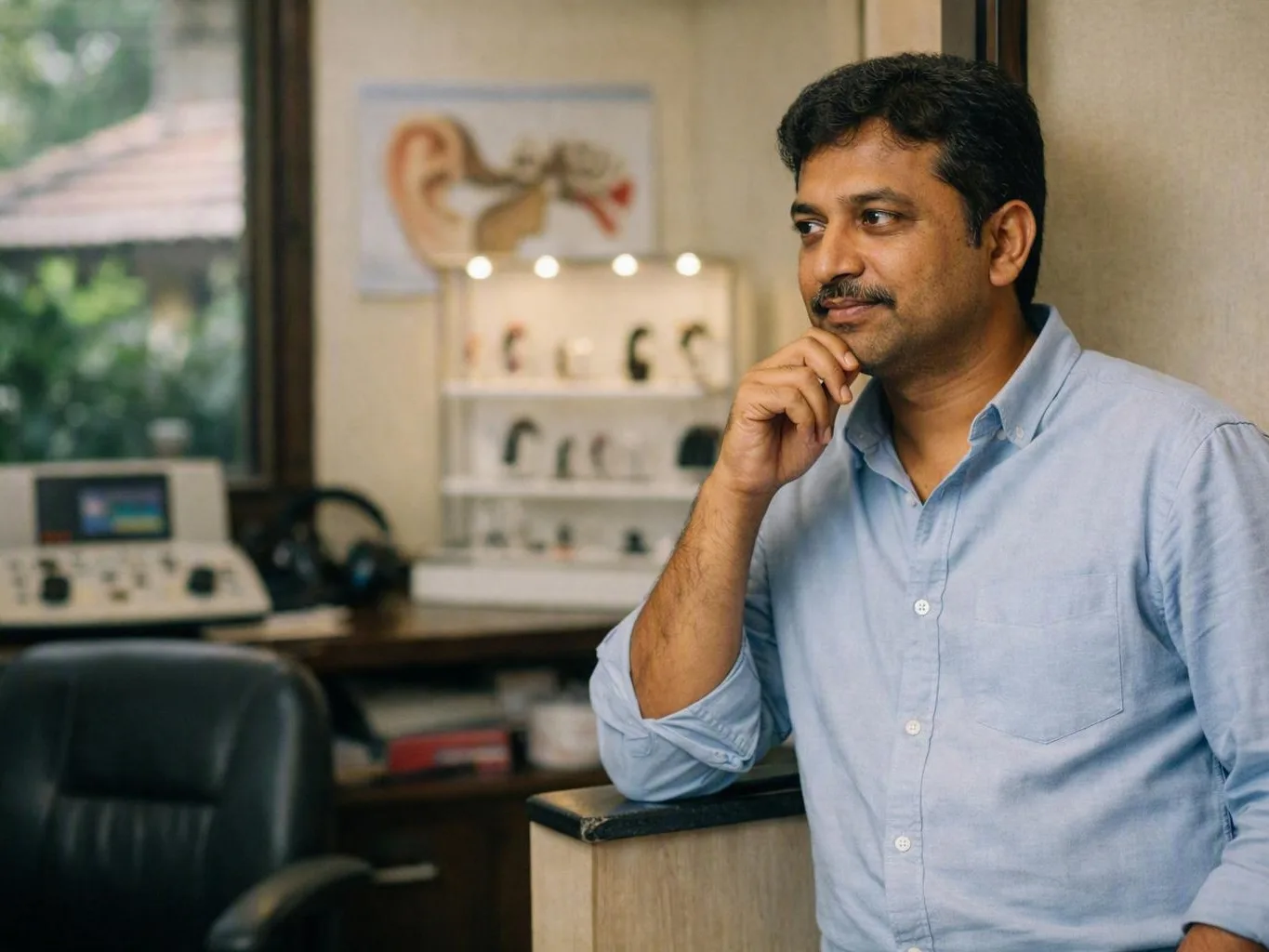
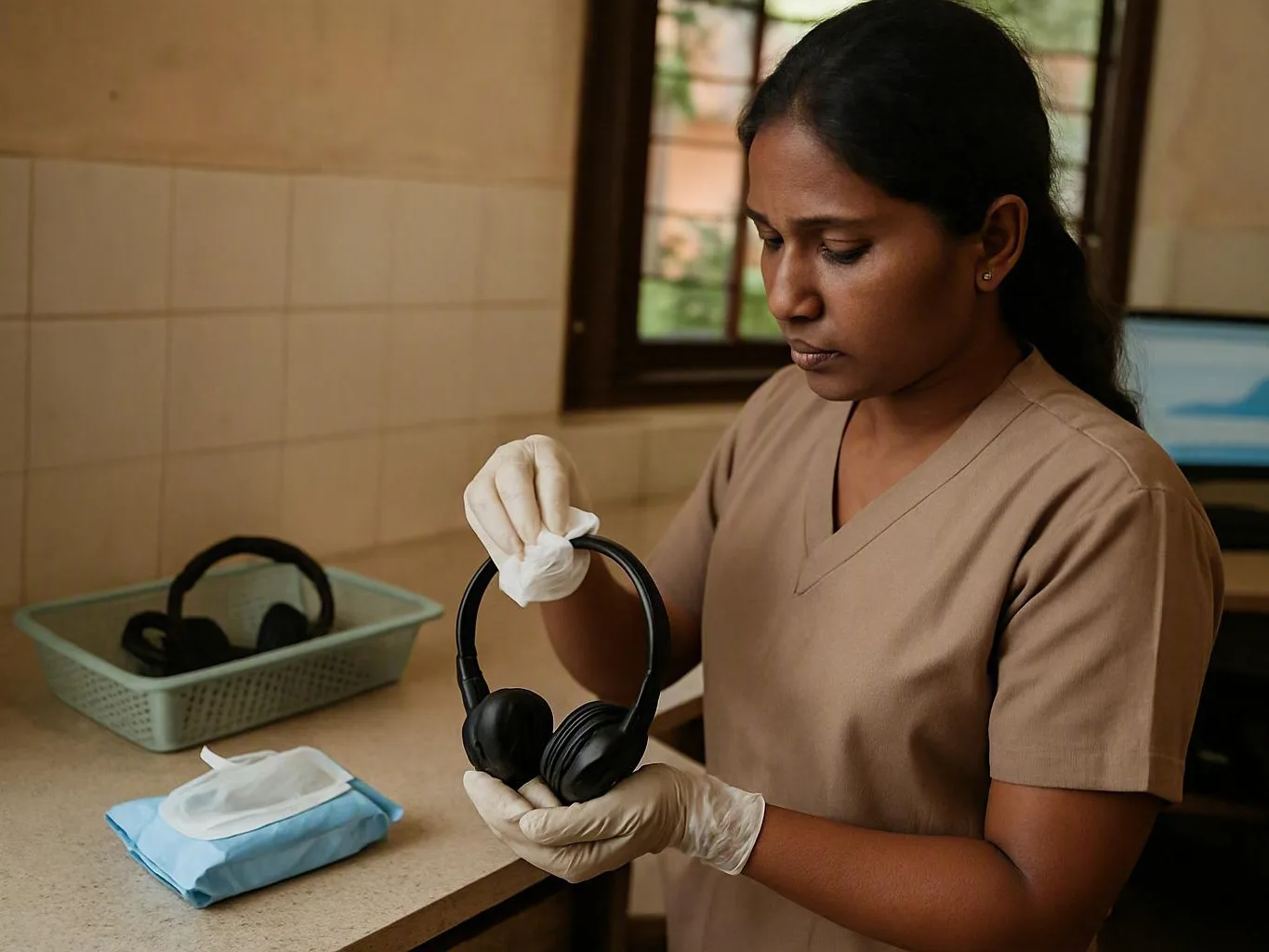
Families in Bhubaneswar can receive map review, speech listening checks and monsoon device-care guidance for more suitable implant settings.
Call Audium Hearing Aid Clinic on 7008550109 to schedule a hearing assessment or discuss hearing aid support.
Bhubaneswar, Odisha
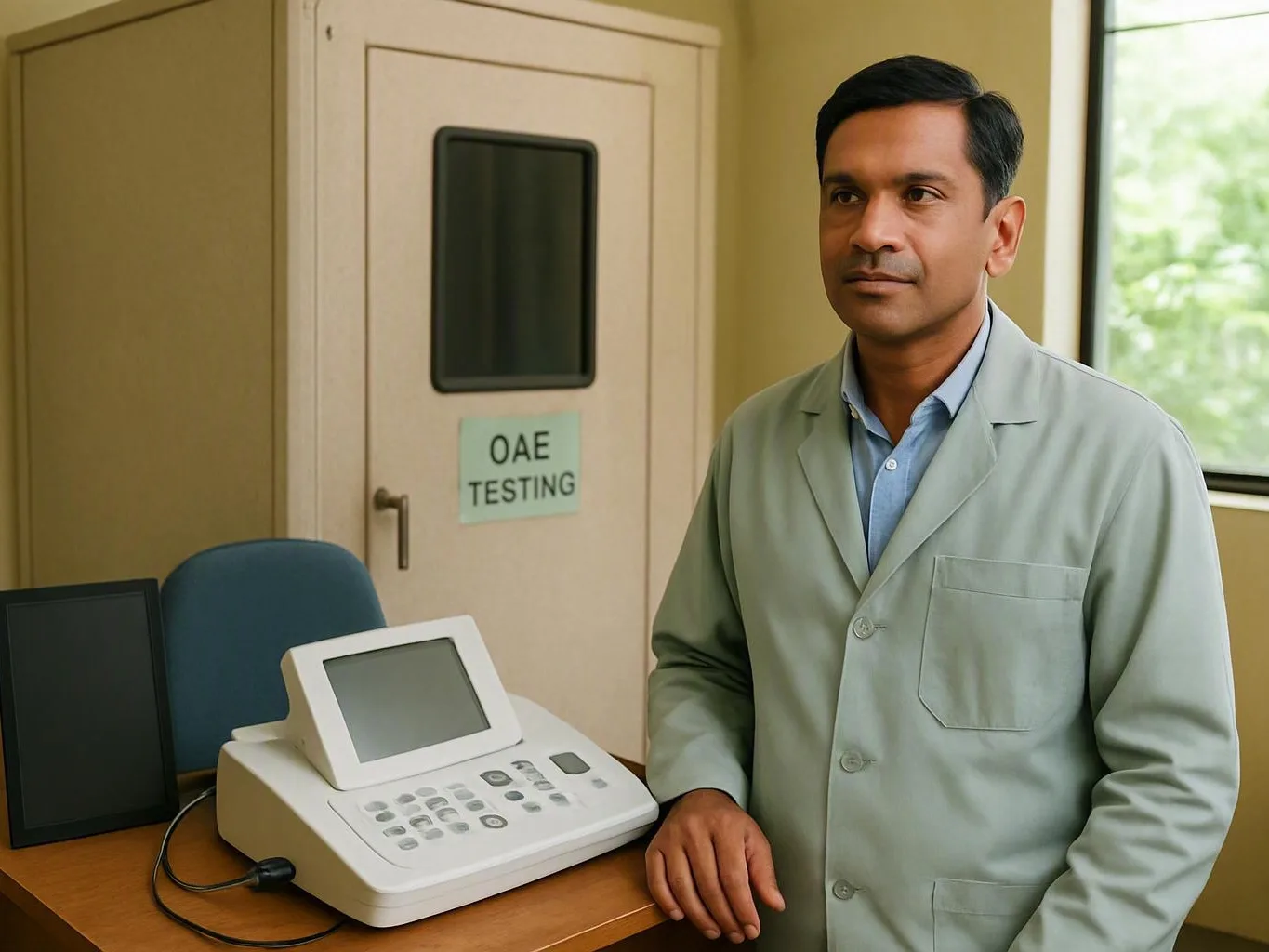
Timing is tight when a child in Bhubaneswar, Odisha starts removing the processor before school. A sound that became harsh after a recent map change needs a suitability check, not a random adjustment. We would review the earlier map, note the child’s listening pattern and set a practical follow-up plan before school disruption grows.
A parent in Bhubaneswar, Odisha may ask about the full cost before committing to a treatment course for a child who hears sound but misses words. The consultation first clarifies what programming includes, which records are needed and whether speech perception testing fits the concern. That discussion separates a mapping need from a processor fault or wider hearing issue, so the family can make an informed decision.
Trust can be difficult when an adult in Bhubaneswar, Odisha compares a hospital visit with an audiology clinic. The first appointment should explain the map review, comfort checks and aftercare plan before settings change. We also discuss dry storage during monsoon humidity and what signs should prompt follow-up.