
What is Acoustic Feedback?
Acoustic Feedback is a high-pitched whistling or squealing sound that occurs when amplified sound from a hearing aid leaks out of the ear and re-enters its microphone. The hearing aid then amplifies that sound repeatedly, creating a feedback loop. Poor fit, earwax, damaged parts, or excessive volume can trigger this problem.
Quick Facts About Acoustic Feedback
Category
Hearing aid signal problem
Used for
Identifying whistling during hearing aid use
Common confusion
Not the same as tinnitus
Also called
Hearing aid whistling, Hearing aid squeal
Often discussed with
Hearing Aid Fitting, Hearing Aid Programming
Key Takeaways About Acoustic Feedback
- Feedback occurs when amplified sound leaks from the ear and returns to the hearing aid microphone.
- A poor fit, earwax, high volume, or damaged tubing can increase whistling.
- Modern hearing aids reduce feedback. But they cannot correct every physical fit problem.
- Persistent feedback may reduce speech clarity, comfort, and willingness to wear the device.
- A hearing aid fitting and physical inspection can identify the cause.
Understanding Acoustic Feedback

Acoustic Feedbackis the repeated amplification of sound that escapes from a hearing aid. It then returns to its microphone. The result is usually a whistle, squeal, or high-pitched tone. This sound is created by a loop.hearing aid microphone, amplifier, and receiver. It isn't caused by a new sound source outside the device.
Related glossary terms: Hearing Aid Domes, Hearing Aid Receiver, Ear Canal.
A small amount of sound leakage can occur when a hearing aid is inserted, removed, or adjusted. Persistent feedback usually points to a fit, setting, or device issue. Common causes include an open fitting that doesn't provide enough acoustic seal, a loose earmould, blocked or cracked tubing, earwax, and volume settings. These settings may exceed the available feedback margin. Feedback may become more noticeable when you hug someone, wear a hat, chew, or place a telephone near the hearing aid.
How Acoustic Feedback Works, Is Measured, or Is Used?
Sound enters the hearing aid through the microphone. It receives electronic processing and leaves through the receiver into the ear. If some amplified sound travels back to the microphone, the device amplifies the returning signal again. The loop becomes audible when the combined gain at a particular frequency reaches or exceeds the system's feedback threshold. This explains why feedback often sounds strongest at high frequencies.
A clinician can assess feedback through listening checks, visual inspection, real-ear measurement, and the hearing aid's built-in feedback manager. The fitting software may play a test signal. It can then estimate the maximum stable gain before whistling begins. A useful fitting measure is the feedback margin. This is the difference between the current gain and the gain at which feedback starts. A larger margin generally gives greater protection against whistling. However, reducing gain too much can limit access to speech sounds.
Why Acoustic Feedback Matters?
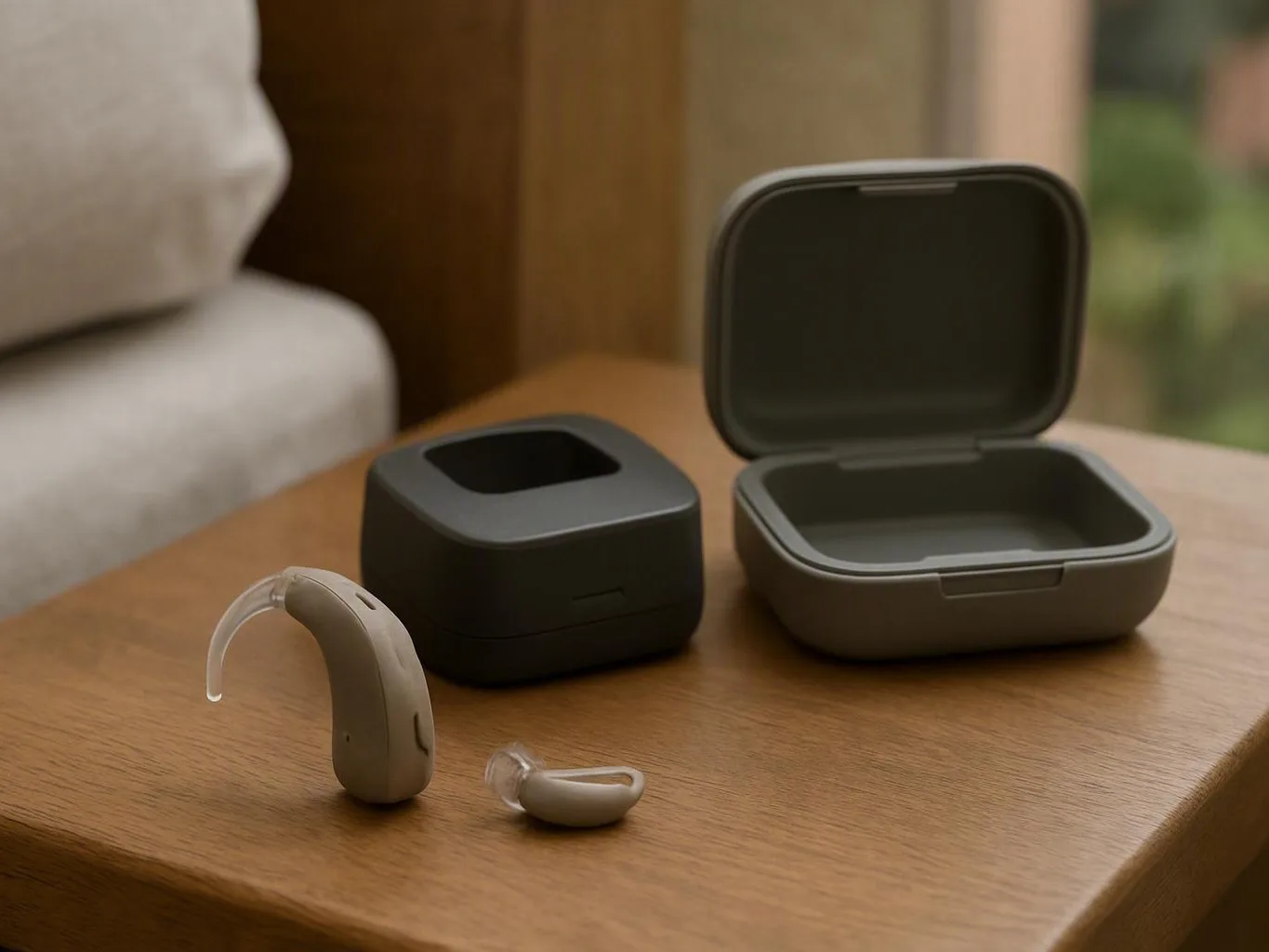
Acoustic Feedback affects more than comfort. A whistle can interrupt conversation, draw unwanted attention, and make speech harder to follow. Some users respond by lowering the volume or removing the hearing aid. This can reduce the benefit of amplification and limit daily use. Feedback may also indicate that sound isn't reaching the ear in the intended way.
Feedback control must balance stable amplification with audibility. Digital feedback cancellation can detect the pattern of a whistle and produce an opposing signal. However, this function has limits. Excessive cancellation or aggressive gain reduction may affect sound quality. This is especially true when the device encounters music, wind, or sudden changes in the acoustic environment. A physical fit check remains necessary when feedback continues.
When Acoustic Feedback Matters Most?
Acoustic Feedback becomes especially important during a first fitting, after a hearing aid has been repaired, or when a person reports new whistling. Children and people with changing ear anatomy may need more frequent checks. Movement and growth can alter the fit. Weight loss, skin changes, or a change from an earmould to an open dome can also affect the acoustic seal.
Check the hearing aid if feedback occurs during ordinary conversation, at a normal volume, or in more than one setting. Look for a displaced dome, damaged tubing, moisture, blocked sound outlets, and visible earwax. Don't insert objects into the ear canal. If feedback continues after simple repositioning and cleaning, the device may need programming, a new dome, an adjusted earmould, or repair. In Bhubaneswar, Odisha, local climate, perspiration, and dust can also make routine hearing aid cleaning and maintenance relevant to reliable performance.
How to Evaluate Acoustic Feedback?
- Does whistling stop when the hearing aid is repositioned correctly in the ear.
- Does feedback occur at ordinary volume during speech, or only at the highest setting.
- Are the dome, earmould, tubing, microphone ports, and sound outlet clean and undamaged.
- Has the clinician checked real-ear performance and the device's feedback margin.
- Did feedback begin after a repair, new fitting, earwax build-up, or change in earmould fit.
Related Concepts Compared
Acoustic Feedback vs. Tinnitus
Tinnitus is a perceived sound, such as ringing or buzzing, that does not come from an external source. Acoustic Feedback is generated by an interaction between a hearing aid's output and microphone.
Acoustic Feedback vs. Occlusion Effect
The occlusion effect is the louder or boomy sound of a person's own voice caused by a blocked ear canal. Acoustic Feedback is a whistle caused by amplified sound leaking back into the microphone.
Acoustic Feedback vs. Digital Feedback Cancellation
Digital feedback cancellation is a hearing aid feature that detects and reduces feedback. Acoustic Feedback is the unwanted sound or loop that the feature attempts to control.
Expert Note
Feedback is not always solved by lowering volume. A reduced setting may hide the whistle while also removing important speech information. The correct solution depends on whether the cause is physical, acoustic, electronic, or related to the hearing aid fitting.
Common Mistakes or Myths About Acoustic Feedback
- Assuming every whistle is tinnitus.
- Turning the volume down permanently instead of checking the fit and device.
- Cleaning earwax with cotton buds or other objects inside the ear canal.
- Ignoring feedback that begins after a dome, earmould, or tubing change.
- Continuing to use cracked tubing or a damaged earmould.
Acoustic Feedback in Practice: A Real-World Example
A person hears a whistle whenever a hand is placed near the right ear. Inspection shows that the dome is partly displaced and the volume is higher than the fitting allows. Repositioning the dome, checking the ear canal, and adjusting the fitting remove the feedback without unnecessarily reducing speech gain.
Sources & Further Reading on Acoustic Feedback
Related Services
Related Terms
Hearing Aid Domes
Hearing Aid Domes are soft, replaceable sleeves fitted over the receiver or sound outlet of many…
Hearing Aid Receiver
Hearing Aid Receiver is the small speaker that converts processed electrical signals into sound inside or…
Ear Canal
Ear Canal is the narrow passage that carries sound from the outer ear to the eardrum…
Earwax
Earwax is a natural substance produced by glands in the ear canal. It contains oils, shed…
Audium Hearing Aid Clinic
Have Questions About Acoustic Feedback?
Contact Audium Hearing Aid Clinic for practical guidance on Acoustic Feedback and related hearing aid clinic work in Bhubaneswar.