What is Hearing Aid Receiver?
Hearing Aid Receiver is the small speaker that converts processed electrical signals into sound inside or near the ear. It's a key part of many hearing aids, especially receiver-in-canal and receiver-in-the-ear models. The receiver sends amplified sound through an ear dome, earmould, or custom shell, according to the programmed hearing needs.
Quick Facts About Hearing Aid Receiver
Category
Hearing aid component
Used for
Delivering amplified sound to the ear
Common confusion
Often mistaken for the whole hearing aid
Also called
Hearing aid speaker, Receiver-in-canal speaker
Often discussed with
Hearing Aid Fitting, Hearing Aid Repair
Key Takeaways About Hearing Aid Receiver
- The receiver changes processed electrical signals into audible sound.
- Receiver power must match the degree and type of hearing loss.
- Wax, moisture, or physical damage can reduce receiver output.
- A receiver is different from the hearing aid microphone and amplifier.
- Correct fitting helps prevent weak sound, discomfort, and acoustic feedback.
Understanding Hearing Aid Receiver

Hearing Aid Receiveris the speaker component that produces sound after a hearing aid processes an incoming signal. A hearing aid microphone first collects sound. The digital processor adjusts that signal according to the device settings. The receiver then changes the processed electrical signal into sound. This sound reaches the ear through.ear dome, earmould, or custom shell.
Receivers occur in several hearing aid designs. In a receiver-in-canal device, the receiver sits in the ear canal or at the canal opening. The main electronics remain behind the ear. An in-the-ear device places the receiver inside a custom shell. Receiver size, power rating, and physical shape vary. A receiver from one model may not fit another model safely or correctly.
How Hearing Aid Receiver Works, Is Measured, or Is Used?
The receiver receives an electrical output from the hearing aid processor. It moves a small diaphragm or armature to create sound waves.hearing aid programming determines how much gain and frequency shaping the receiver delivers. The receiver doesn't decide which sounds to amplify by itself. That task belongs mainly to the microphone, processor, and programmed algorithms.
Clinicians assess receiver performance through listening checks and electroacoustic measurements. Important measures include maximum output, frequency response, distortion, and gain at selected input levels. The exact target depends on the hearing test, prescribed amplification, hearing aid model, and coupling system. A receiver may appear to work but still produce weak high-frequency sound or unwanted distortion.
During fitting, the clinician selects a receiver strength that suits the hearing thresholds. They check comfort, sound quality, and feedback. The receiver is connected to a thin wire or placed within the device shell, depending on the design. A dome or earmould controls how sound enters the ear. Changing that coupling part can alter loudness, bass response, and feedback risk.
Why Hearing Aid Receiver Matters?
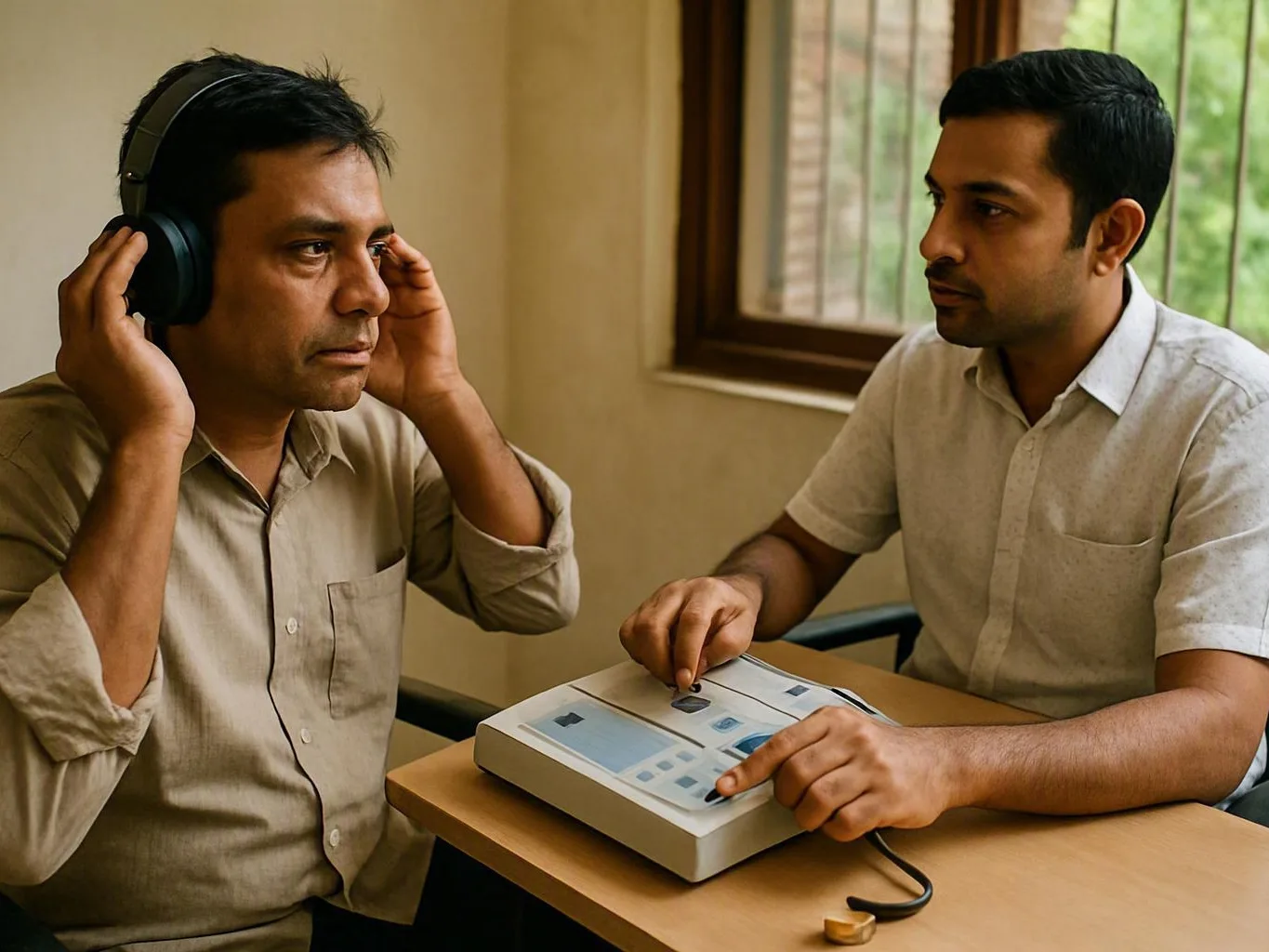
The receiver has a direct effect on speech audibility and listening comfort. A receiver with insufficient output may leave speech unclear, especially in group conversations or noisy places. A receiver with excessive output can make sound uncomfortable. It may also increase the chance of acoustic feedback if the fit doesn't contain amplified sound properly.
Receiver condition also affects reliability. Earwax, moisture, blocked wax guards, cracked wires, and impact damage can reduce sound or cause intermittent output. Regular inspection helps separate a receiver problem from a flat battery, blocked sound outlet, poor device settings, or a change in hearing. This distinction prevents unnecessary replacement of the whole hearing aid.
When Hearing Aid Receiver Matters Most?
Receiver choice becomes especially important when hearing loss is severe in the high frequencies. It also matters when speech remains unclear despite amplification or feedback occurs during ordinary conversation. The clinician may compare receiver power levels and coupling options. They also check whether the device meets the prescribed amplification targets. A receiver upgrade may require fresh programming rather than a simple physical replacement.
Seek assessment when sound becomes suddenly weak, distorted, intermittent, or absent from one device. Don't push a receiver wire, wax guard, or dome deeply into the ear canal. At a clinic such as Audium Hearing Aid Clinic in Bhubaneswar, Odisha, receiver checks can support hearing aid fitting, maintenance, and repair decisions. These checks follow an examination of the ear and device.
How to Evaluate Hearing Aid Receiver?
- Check whether speech is clear at soft, moderate, and loud listening levels.
- Compare the receiver output with the hearing aid fitting targets from the audiogram.
- Inspect the receiver, wire, wax guard, dome, or earmould for blockage and damage.
- Ask whether feedback occurs during speech, chewing, or movement.
- Confirm that the replacement receiver matches the hearing aid model and power requirement.
Related Concepts Compared
Hearing Aid Receiver vs. Hearing Aid Microphone
The microphone collects sound from the environment. The receiver produces the processed sound that reaches the ear.
Hearing Aid Receiver vs. Hearing Aid Amplifier
The amplifier or digital processor changes the strength and characteristics of the signal. The receiver converts that output into sound.
Hearing Aid Receiver vs. Receiver-in-canal Hearing Aid
A receiver-in-canal hearing aid is a complete hearing aid style. Its receiver sits in or near the ear canal, while Hearing Aid Receiver refers specifically to the speaker component.
Hearing Aid Receiver vs. Hearing Aid Dome
A dome is the soft coupling piece that sits in the ear canal. It does not generate sound, but it shapes how receiver output enters the ear.
Expert Note
A receiver that sounds weak is not always faulty. A blocked wax guard, damaged dome, moisture, low battery, altered hearing, or incorrect programming can create similar symptoms. Testing the complete hearing aid and checking the ear helps identify the real cause.
Common Mistakes or Myths About Hearing Aid Receiver
- Treating the receiver as the complete hearing aid.
- Replacing a receiver without checking the wax guard, dome, wire, and programming.
- Assuming every receiver fits every hearing aid model.
- Ignoring sudden distortion, intermittent sound, or feedback.
- Cleaning the receiver with water or inserting sharp objects into its sound outlet.
Hearing Aid Receiver in Practice: A Real-World Example
A person with high-frequency hearing loss hears speech clearly with a receiver-in-canal hearing aid after the receiver is matched to the prescribed output. Two months later, speech sounds faint because the wax guard is blocked. Replacing the guard and checking the receiver restores normal output without replacing the whole device.
Sources & Further Reading on Hearing Aid Receiver
- U.S. Food and Drug Administration, Hearing Aids
- American Speech-Language-Hearing Association, Hearing Aids
- National Institute on Deafness and Other Communication Disorders, Hearing Aids
Related Services
Audium Hearing Aid Clinic
Have Questions About Hearing Aid Receiver?
Contact Audium Hearing Aid Clinic for practical guidance on Hearing Aid Receiver and related hearing aid clinic work in Bhubaneswar.