
What is Vestibular System?
Vestibular System is the sensory system in the inner ear and brain that detects head movement, position and gravity. It helps maintain balance, stabilise vision during movement and coordinate posture. Signals from the semicircular canals, otolith organs, eyes, muscles and brain work together to support safe walking and spatial awareness.
Quick Facts About Vestibular System
Category
Inner-ear sensory system
Used for
Balance, posture and gaze stability
Measured by
Vestibular and balance assessments
Common confusion
It is not the same as hearing
Also called
Balance system
Often discussed with
Hearing Balance Assessment, VEMP Test
Key Takeaways About Vestibular System
- The inner ear detects head rotation, acceleration and changes in position.
- The brain combines vestibular signals with information from the eyes and muscles.
- Vestibular problems may cause dizziness, imbalance, blurred vision or motion sensitivity.
- Balance assessment can examine eye movements, posture and responses to head movement.
Understanding Vestibular System
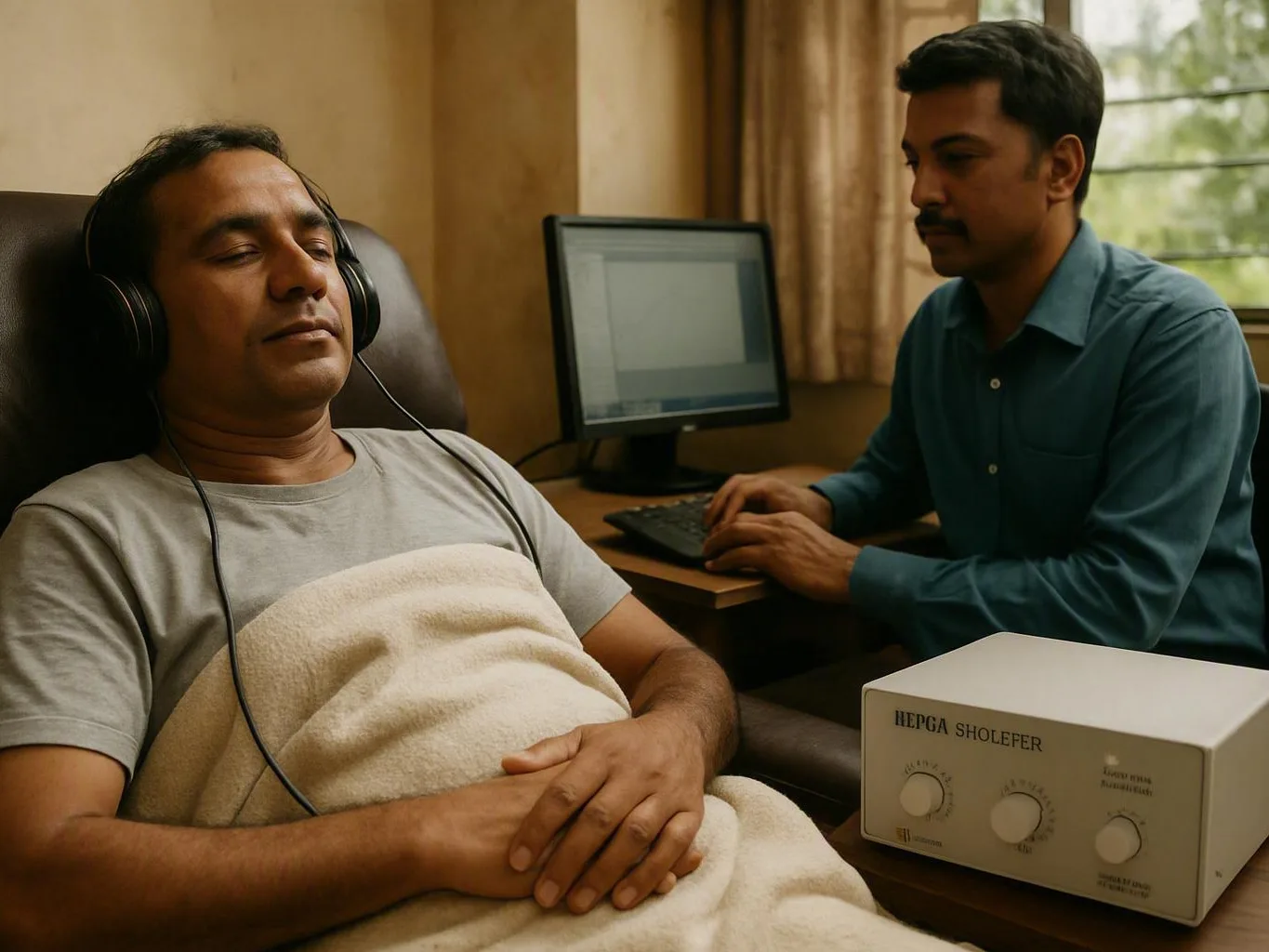
Vestibular System is a network of organs and nerve pathways that helps you sense movement, head position and gravity. Its main sensors sit in the inner ear, beside the cochlea, which supports hearing. The system sends information to the brain so your body can keep its balance and your eyes can remain focused while your head moves.
The vestibular organs include three semicircular canals and two otolith organs called the utricle and saccule. The canals detect head rotation, such as turning or nodding. The utricle and saccule detect straight-line movement and tilt, such as riding in a lift or leaning forward. The brain compares these signals with information from the eyes, joints and muscles.
How Vestibular System Works, Is Measured, or Is Used?
Each semicircular canal contains fluid that moves when the head rotates. This movement bends sensory hair cells and changes nerve signals. The utricle and saccule contain small crystals that shift with gravity or acceleration. The brain uses these changing signals to adjust muscles in the legs, neck and eyes, which supports posture and clear vision during movement.
Clinicians assess vestibular function through a combination of history, observation and targeted tests. A balance assessmentmay examine walking, standing, eye movements and the effect of turning the head. Tests such as videonystagmography, caloric testing, video head impulse testing.VEMP testing examine different parts of the system. The selected test depends on symptoms, age, medical history and the suspected site of dysfunction.
A normal response requires cooperation between the vestibular organs, visual system and body-sensation pathways. If one source sends unreliable information, the brain may receive conflicting signals. This mismatch can produce dizziness, nausea or unsteadiness, especially in darkness, on uneven ground or during rapid movement.
Why Vestibular System Matters?
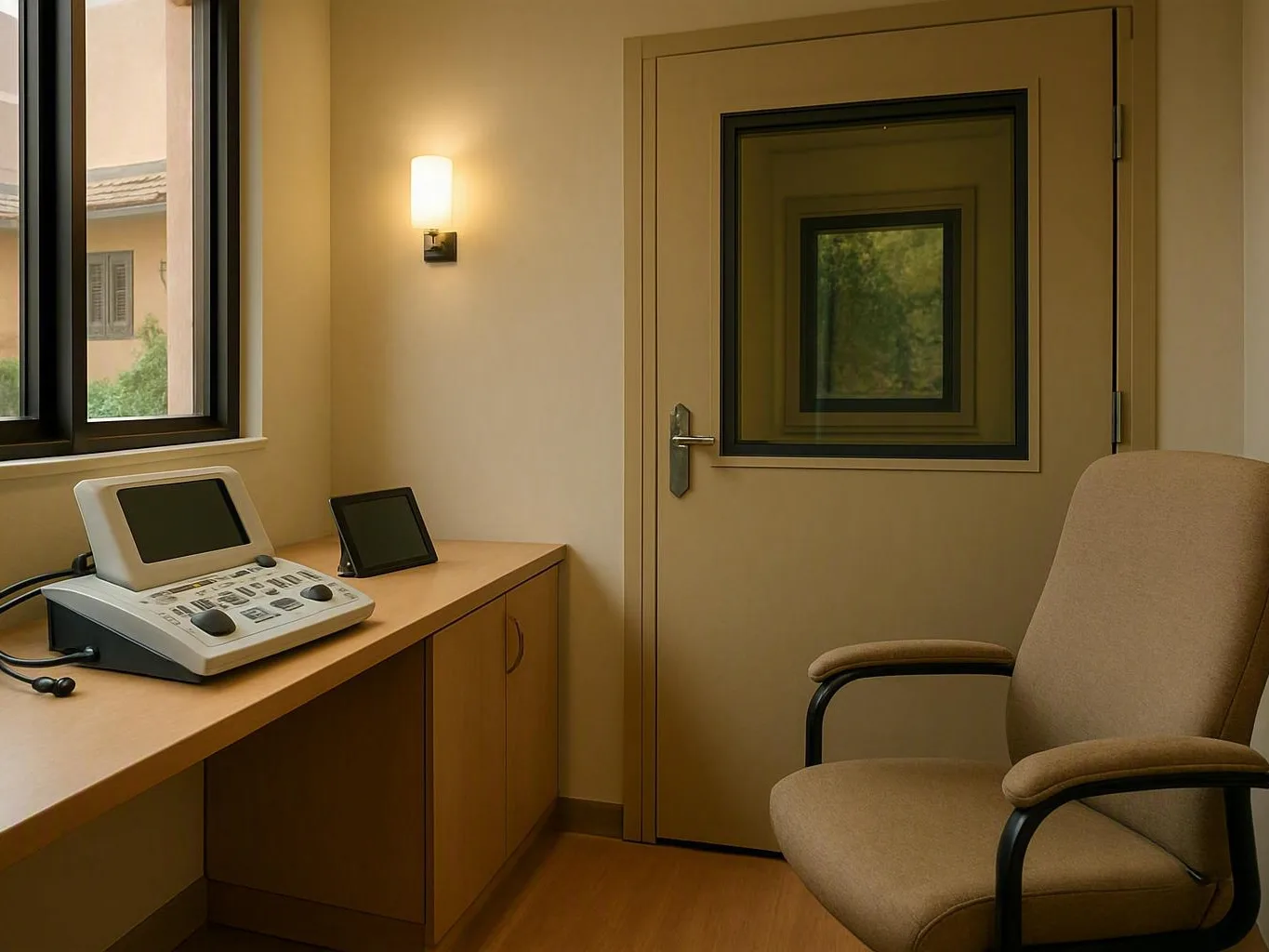
A functioning vestibular system supports safe movement and everyday independence. It helps you walk without falling, judge body position and keep your eyes fixed on a sign while travelling. Problems may lead to vertigo, imbalance, falls, blurred vision during head movement or difficulty moving through busy environments.
Vestibular symptoms don't always indicate an inner-ear disorder. Migraine, medication effects, neurological conditions, blood pressure changes and vision problems can produce similar complaints. A careful assessment helps separate these causes and guides decisions about medical review, balance rehabilitation, hearing evaluation or other care.
When Vestibular System Matters Most?
Vestibular function deserves attention when dizziness begins suddenly, repeatedly or after a head injury. It also matters when you notice falls, new hearing changes, one-sided ear symptoms, severe motion sensitivity or difficulty walking in low light. Sudden severe dizziness with weakness, facial drooping, speech trouble or a severe headache requires urgent medical assessment.
Evaluation becomes useful when symptoms interfere with work, travel, school or daily activities. A clinician may ask when symptoms occur, how long they last and whether head movement triggers them. Keep a record of associated hearing changes, tinnitus, nausea, falls and medicines, because these details can help identify patterns and select suitable tests.
How to Evaluate Vestibular System?
- Record whether dizziness feels like spinning, light-headedness, rocking or general unsteadiness.
- Note the duration, frequency and triggers, especially head movement, standing, darkness or vehicle travel.
- Check for related hearing loss, tinnitus, ear pressure, falls, headache or visual blurring.
- Ask which vestibular organs and pathways a proposed test examines.
- Seek urgent care for dizziness with weakness, speech changes, facial drooping or a severe new headache.
Related Concepts Compared
Vestibular System vs. Cochlea
The cochlea mainly converts sound vibrations into hearing signals. The vestibular system mainly detects movement, gravity and head position, although both structures sit in the inner ear.
Vestibular System vs. Inner Ear
The inner ear is the wider anatomical region containing the cochlea, vestibular organs and related nerve structures. The vestibular system is the balance-related part of that region.
Vestibular System vs. Vertigo
Vertigo is a symptom involving a false sense of spinning or movement. The vestibular system is the body system that may contribute to vertigo when its signals become abnormal.
Vestibular System vs. Balance
Balance is the practical ability to remain steady and move safely. The vestibular system is one contributor to balance, alongside vision, muscle sensation and brain control.
Expert Note
People can have vestibular dysfunction with normal hearing, and hearing loss with normal vestibular function. Symptoms may also arise from more than one cause, so test selection should follow the pattern, timing and triggers of each person’s symptoms.
Common Mistakes or Myths About Vestibular System
- Assuming every dizziness problem comes from the ear.
- Confusing vestibular symptoms with hearing loss.
- Ignoring falls or repeated imbalance because spinning is absent.
- Treating a single test result as a complete diagnosis.
- Driving or walking unaided during severe, unexplained dizziness.
Vestibular System in Practice: A Real-World Example
A person feels the room spin for less than a minute whenever they turn in bed. The pattern suggests a movement-triggered vestibular problem, but a clinical assessment is needed to identify the cause and rule out other conditions.
Sources & Further Reading on Vestibular System
Related Services
Audium Hearing Aid Clinic
Have Questions About Vestibular System?
Contact Audium Hearing Aid Clinic for practical guidance on Vestibular System and related hearing aid clinic work in Bhubaneswar.