Visual Port and Shell Check
A lighted visual inspection identifies debris around the shell, microphone ports and vents. This shows whether cleaning is suitable before tools touch the device.
Moisture, dust and earwax can affect hearing aid sound during Bhubaneswar’s hot summers and monsoon months. We provide careful cleaning and practical aftercare for children and adults.
Cleaner microphone and receiver openings can improve everyday sound.
Dry cleaning reduces the risk of liquid reaching sensitive electronics.
Wax guard checks can identify a blocked replaceable part.
Rechargeable devices receive storage advice suited to their charging routine.
Monsoon-focused moisture advice suits hearing aid users in Bhubaneswar.
Children and adults can receive care matched to device use and handling.
According to Denoc Hearing (2026), basic hearing-aid cleaning in India costs an estimated ₹300–₹700, including dust removal and tubing change, with prices labeled for 2026 and excluding GST.
Source: Denoc Hearing·Year: 2026
Data from Adro Hearing Aid Centre (2026) shows that standard hearing-aid servicing typically takes 20–30 minutes and costs ₹500 per device.
Source: Adro Hearing Aid Centre·Year: 2026
India’s hearing-aids market was valued at USD 251.8 million in 2025 and is projected to reach USD 378.9 million by 2030, representing an 8.5% CAGR, as reported by MarketsandMarkets (2025).
Source: MarketsandMarkets·Year: 2025
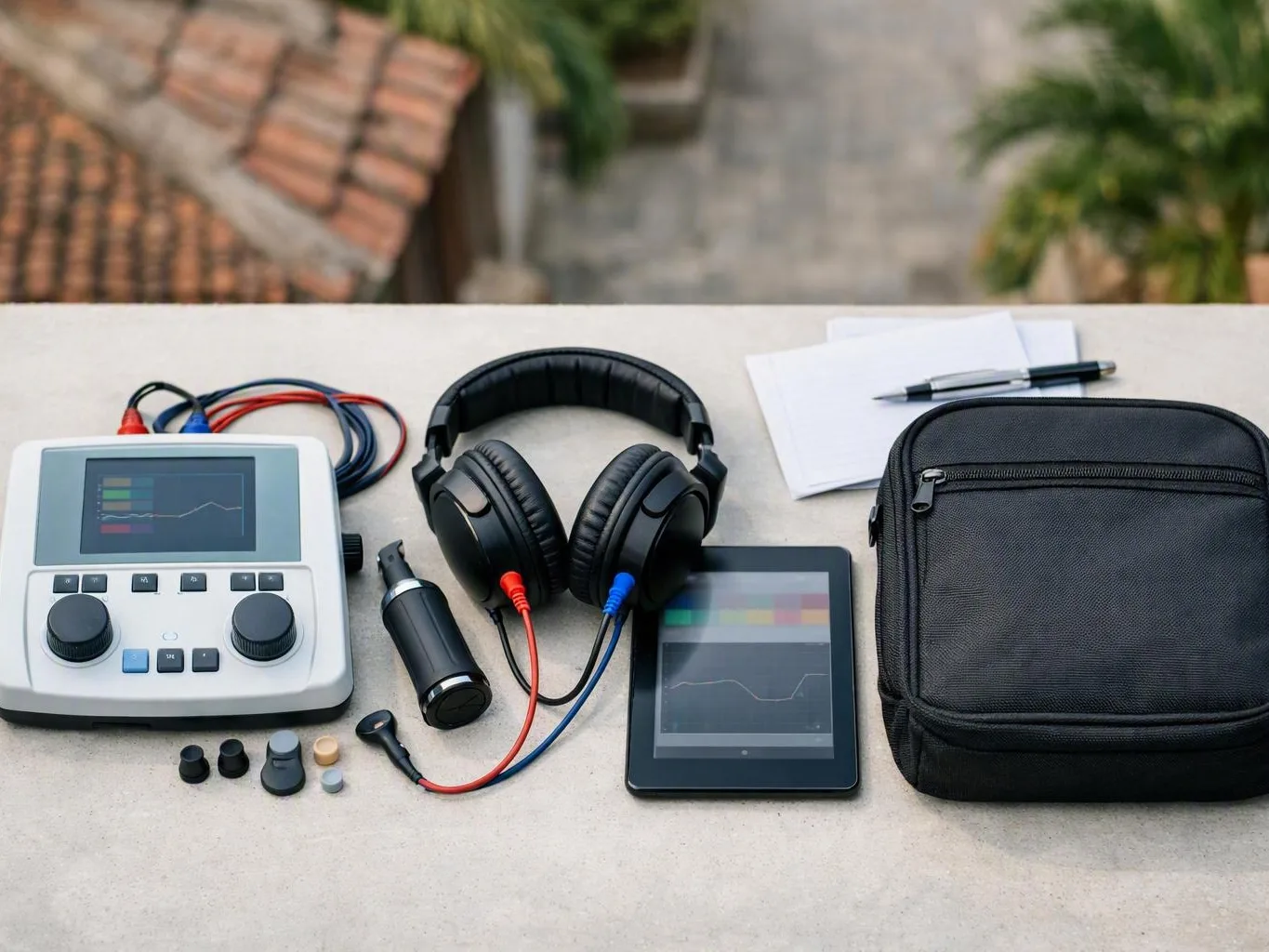
Hearing Aid Cleaning is a hearing device maintenance service that removes debris and checks parts affecting sound output. Hearing Aid Cleaning differs from hearing aid repair because cleaning removes surface blockage, while repair addresses failed components. In Bhubaneswar, hearing aid users need Hearing Aid Cleaning because humid monsoon conditions can increase moisture around devices.
A lighted visual inspection identifies debris around the shell, microphone ports and vents. This shows whether cleaning is suitable before tools touch the device.
A receiver check and wax guard inspection separate blocked output from a failed part. The client receives a clearer repair or cleaning path.
Soft dry tools remove surface debris from safe openings without introducing liquid. This protects electronic parts while restoring access to sound ports.
Battery contacts and charging points receive a moisture check because residue can interrupt power. The device can then be returned with safer storage guidance.
A basic listening check confirms whether sound has improved after cleaning. Wax guard use, dome care and storage steps are explained for continued upkeep.
Audium Hearing Aid Clinic holds every Hearing Aid Cleaning engagement to the same standard—from first enquiry through completed work. Here is what guides our process.
Every Hearing Aid Cleaning case is reviewed against our own checks before sign-off, so you receive exactly what was agreed.
Clear documentation at every stage—what we reviewed, what we found, and what happens next.
Dedicated communication throughout the process—from your first enquiry to completed Hearing Aid Cleaning.
Bring the device and its usual parts so the cleaning check reflects real daily use.
A hearing aid cleaning appointment usually covers visual inspection, dry debris removal and an output check.
Timing varies with debris, moisture and device design, so a complex blockage may need more attention than a surface clean.
Bhubaneswar humidity can affect hearing aid contacts, receivers and battery areas, especially during monsoon months.
Cleaning can remove residue, but persistent faults need a device check and repair decision.
The hearing aid, charger, batteries and usual domes give the audiologist the right items for a realistic check.
This information helps separate cleaning needs from fitting or programming concerns.
A cleaning visit should check the receiver and replaceable guard rather than only wiping the shell. If the problem returns, an audiologist may discuss ear examination, device fit or repair. Do not push pins or liquid into the microphone opening.
Professional hearing aid cleaning follows a visual inspection, dry debris removal, moisture check and output verification.
IEC 60118-7 provides technical context for electroacoustic performance measurements, while device instructions guide safe handling.
Hearing Aid Cleaning removes wax, dust and moisture from hearing devices and checks parts that affect sound.
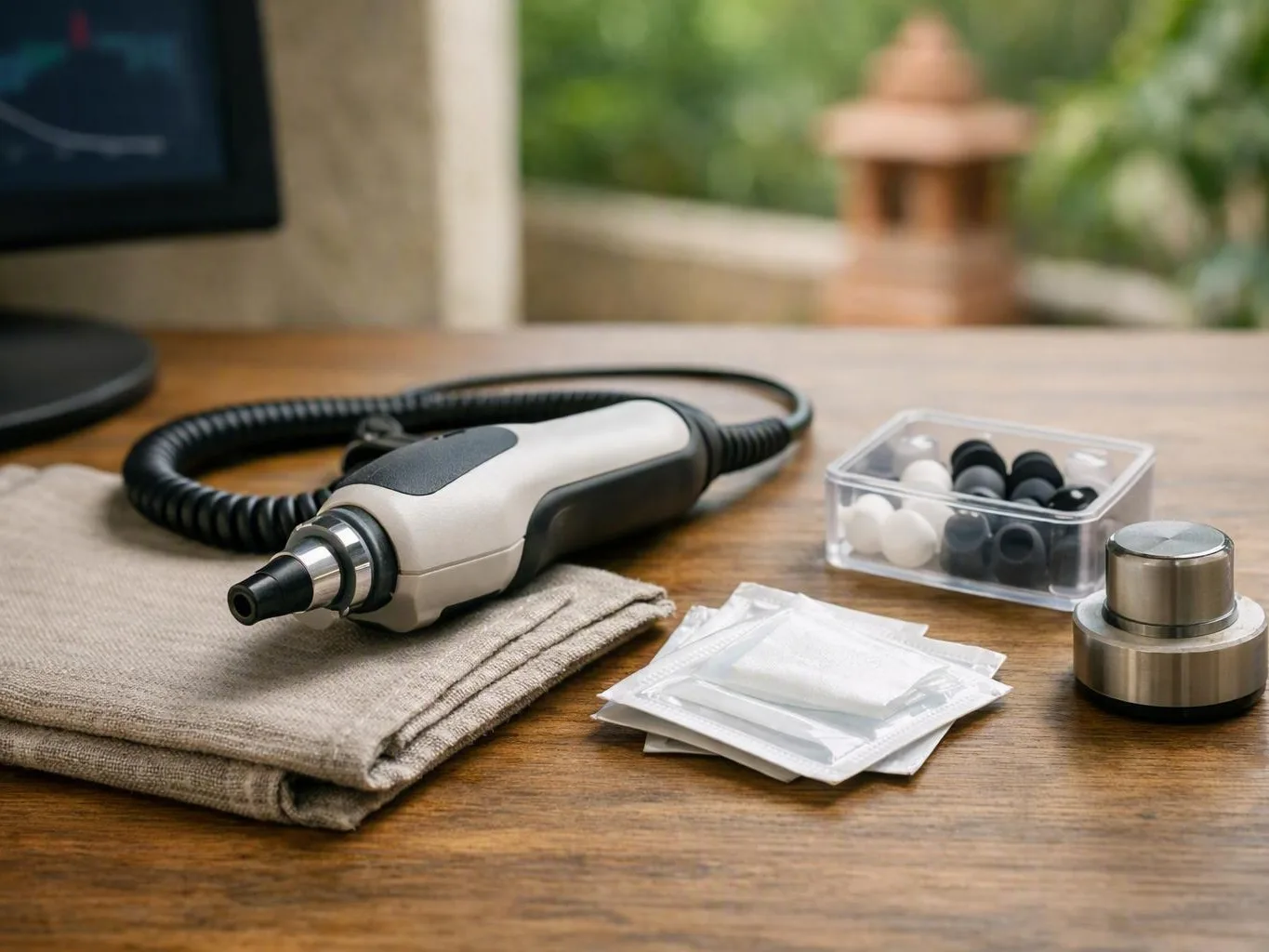
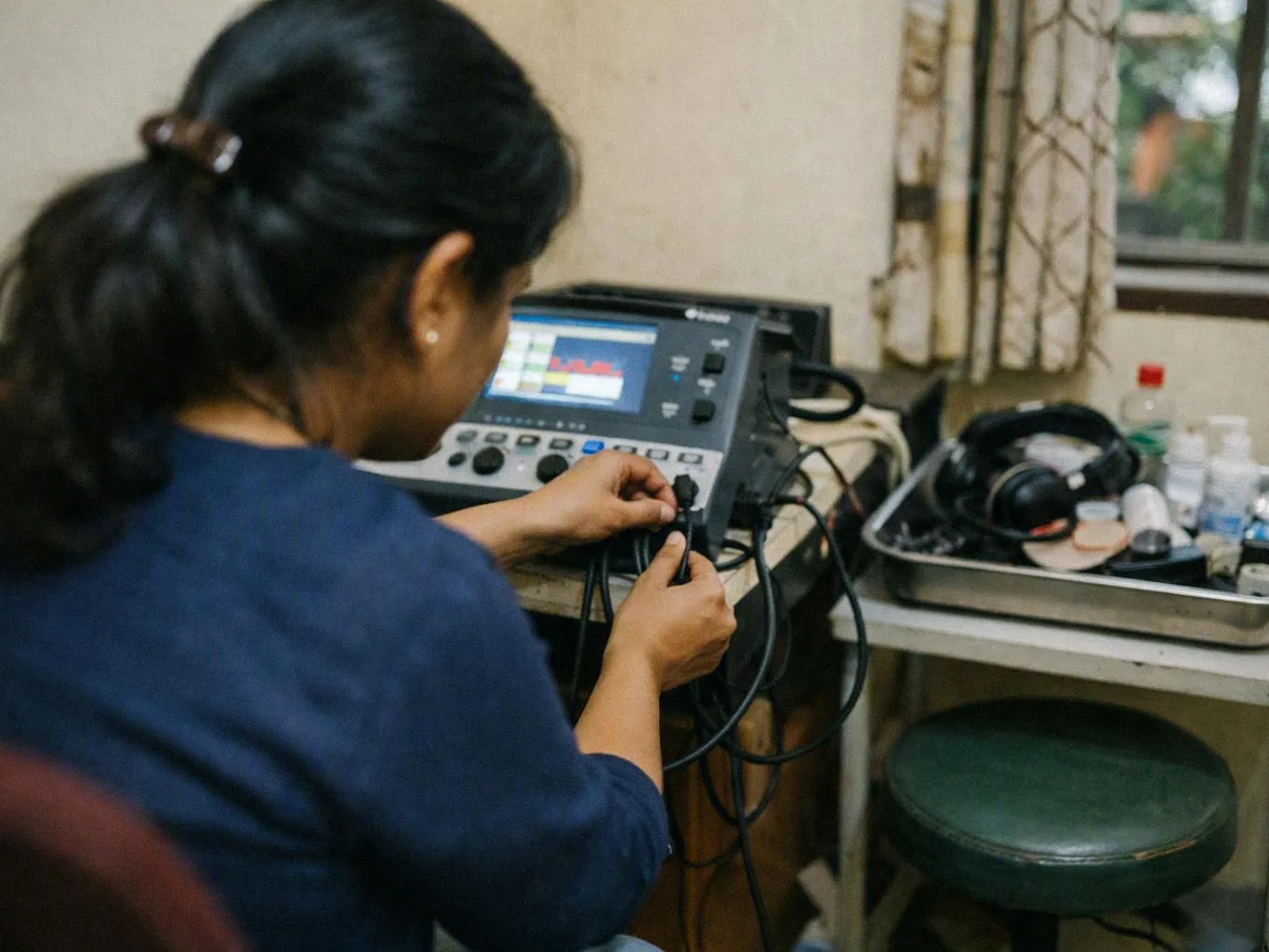
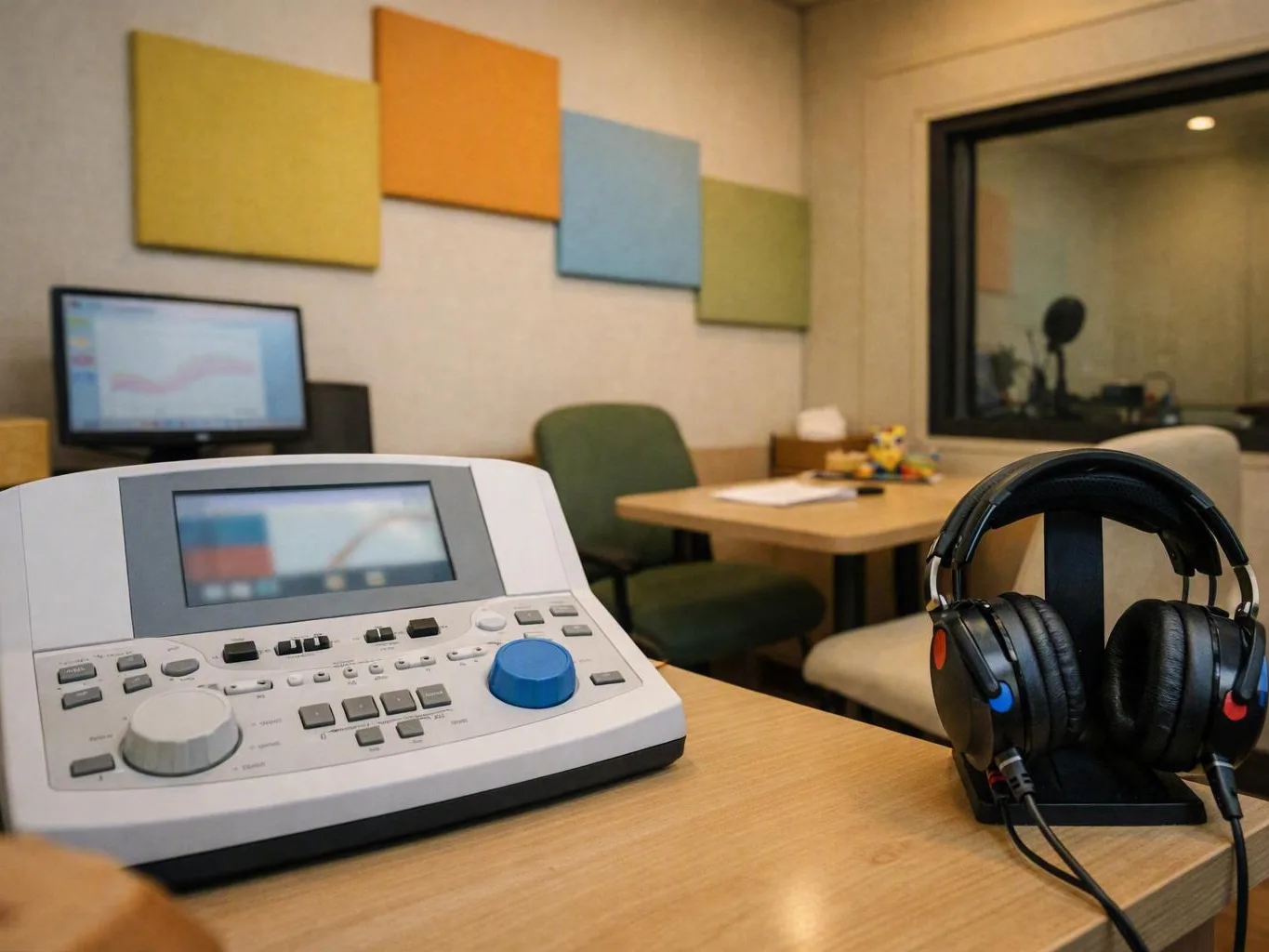
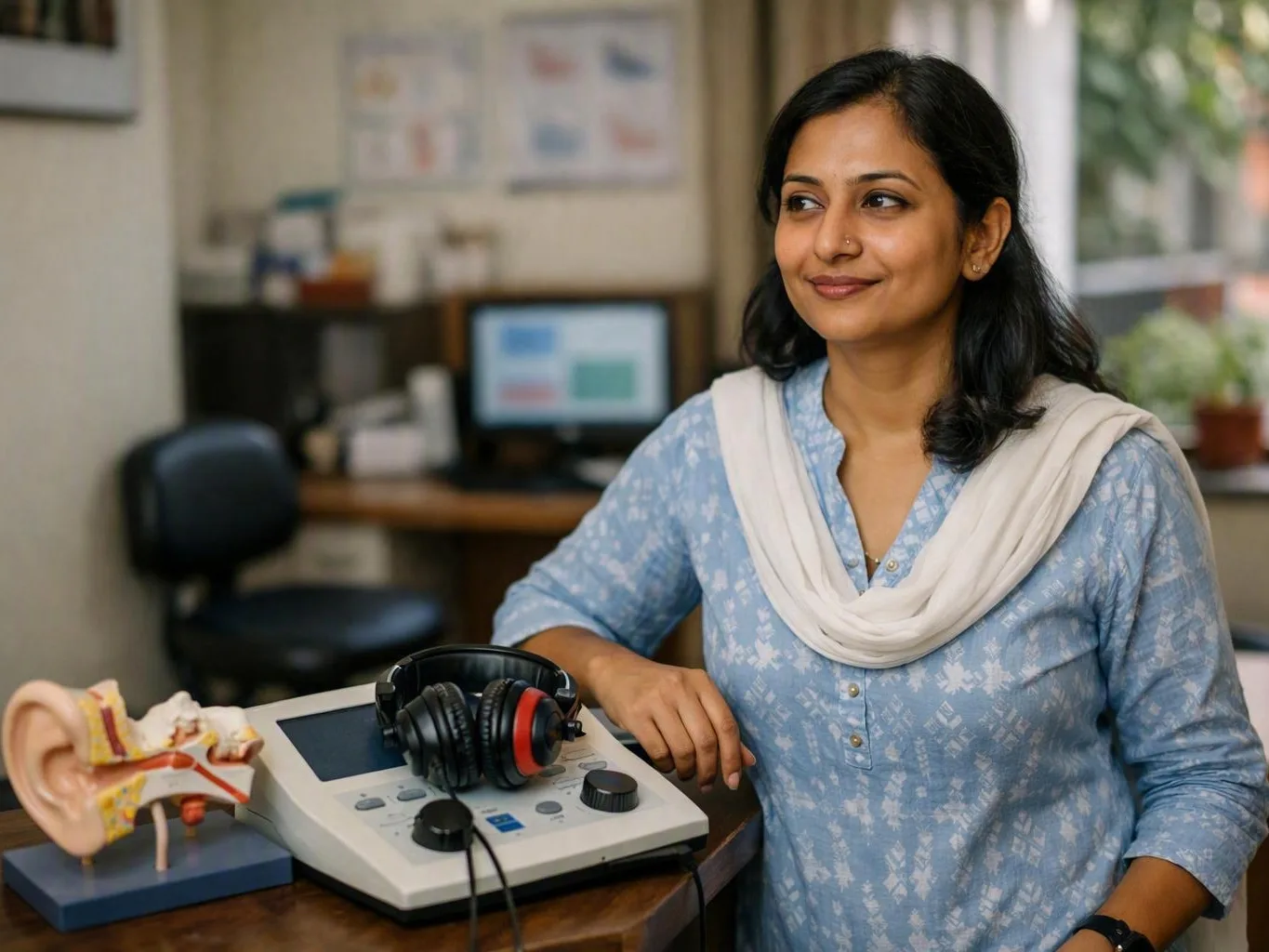

Bhubaneswar’s humid monsoon conditions can affect receivers and contacts, so Hearing Aid Cleaning checks blocked parts before unsafe home cleaning causes damage.
Call Audium Hearing Aid Clinic on 7008550109 to schedule a hearing assessment or discuss hearing aid support.
Bhubaneswar, Odisha
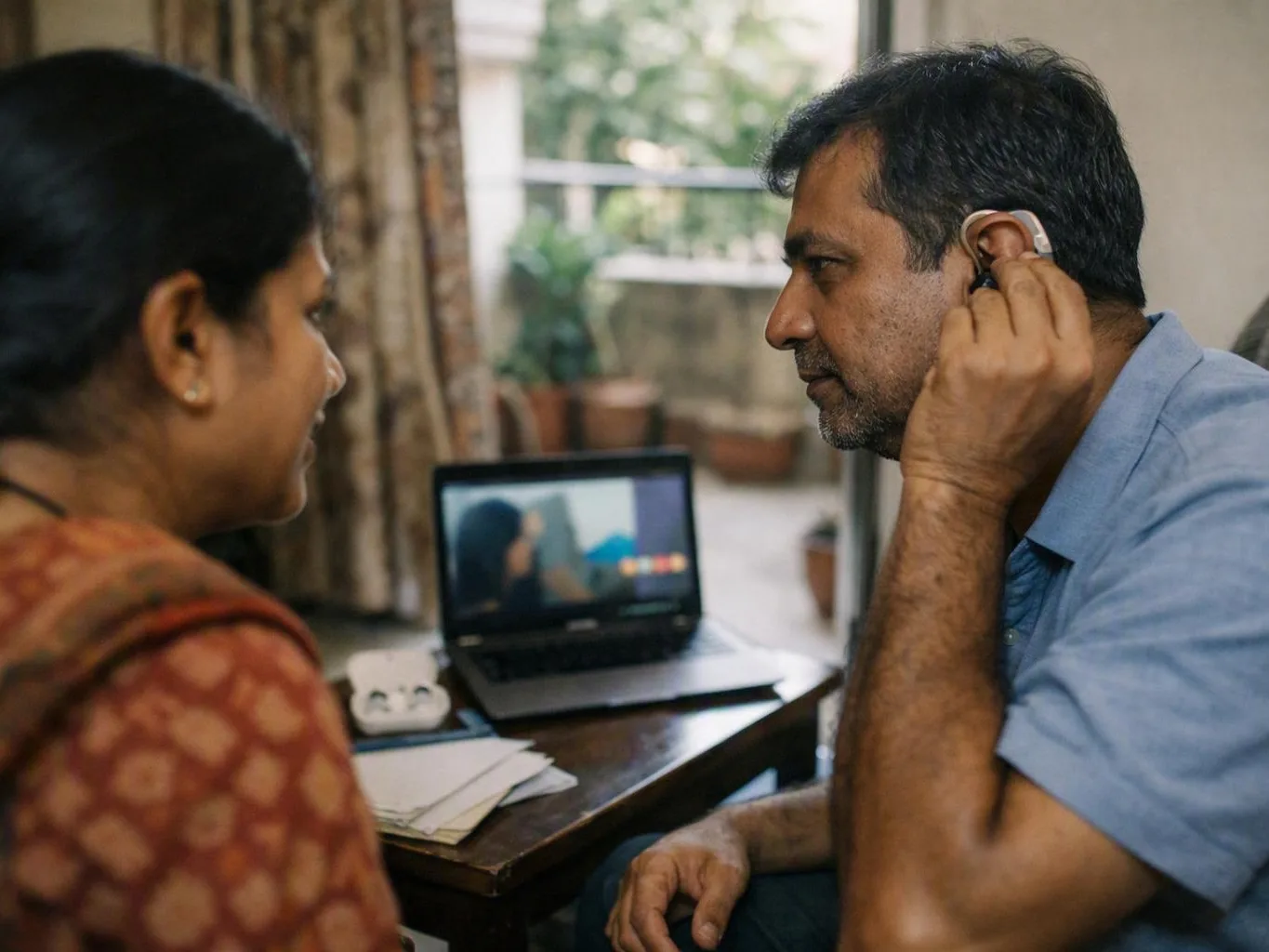
A grandfather in Bhubaneswar, Odisha notices weak sound before an important family call. Earlier wiping removed dust from the shell but missed the receiver and wax guard. We would inspect those parts, check moisture around the contacts, and explain what cleaning can and cannot correct. The safe next step is an appointment with the device, charger and usual domes, rather than using water or heat at home.
A working parent in Bhubaneswar, Odisha compares appointment times around office hours and childcare. The visit can focus on the device’s blocked ports, wax guard and storage routine, while the family receives simple maintenance guidance for home use. Bringing the charger avoids a second visit for rechargeable models.
A traveller in Bhubaneswar, Odisha wants reliable hearing before a seasonal journey. The concern is whether cleaning alone suits an older device or whether moisture has affected the receiver, contacts or battery area. We would use visual inspection, dry cleaning and an output check before giving storage advice. That assessment helps the user avoid unsafe liquid cleaning and plan follow-up care if sound remains weak.