Case History and Listening Profile
A simple case history records speech, school, work, noise and family concerns. This defines which listening situations need testing.
Listening problems can affect lessons, meetings and family talk, even when a basic hearing test seems normal. Humid monsoon months also make regular attendance harder for busy families.
Separates basic hearing loss from listening-processing concerns.
Shows whether noise affects speech understanding.
Creates a focused basis for speech therapy discussion.
Includes children, adults and family observations.
Fits appointment planning around Bhubaneswar’s hot, wet seasons.
Links findings with school, work and home listening needs.
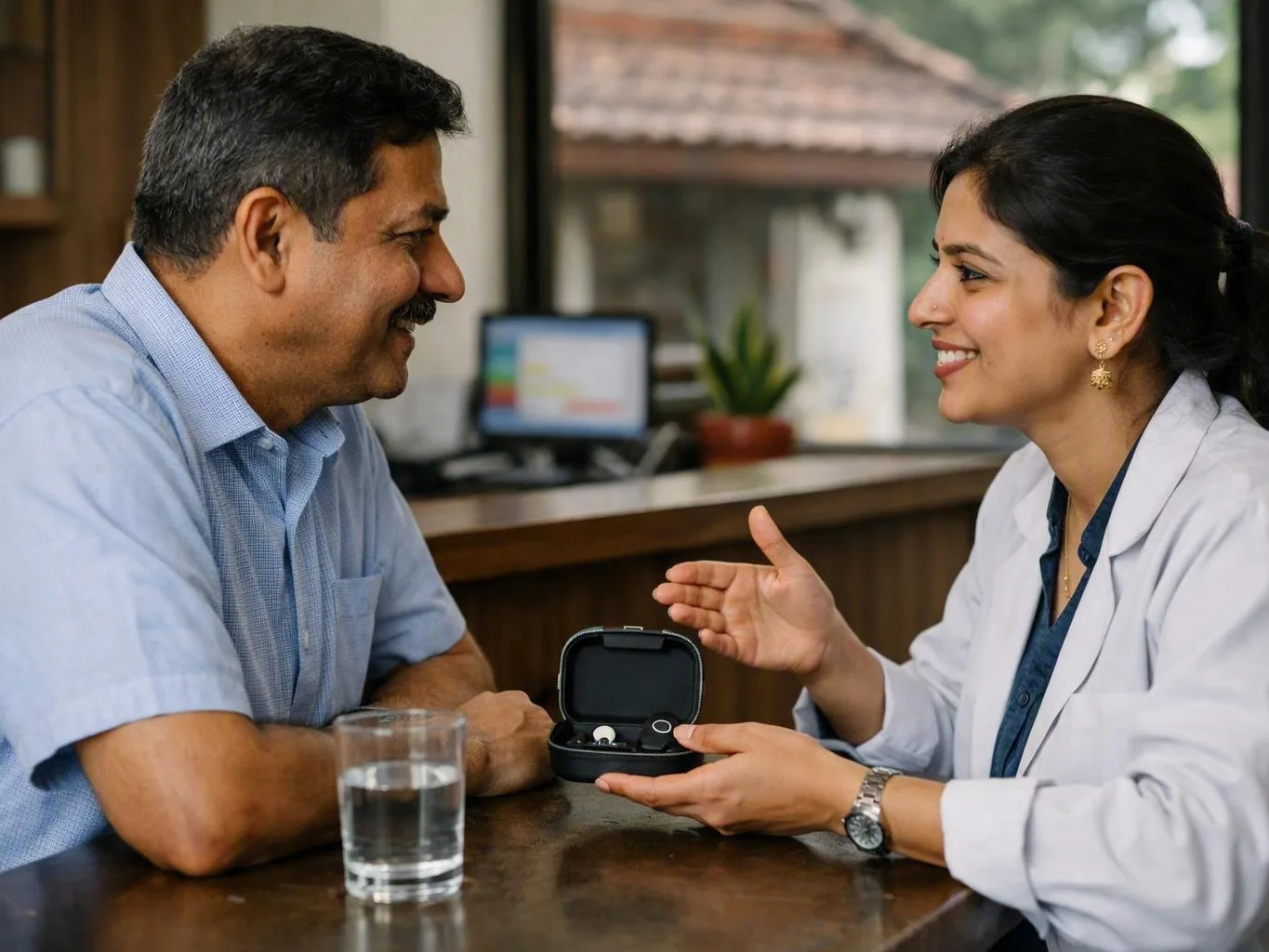
Auditory Processing Assessmentis a clinical listening assessment that measures how the brain interprets spoken sound. Auditory Processing Assessment differs from routine audiometry because it examines listening function beyond basic hearing thresholds.Bhubaneswarstudents and adults may need Auditory Processing Assessment when noise makes speech unusually hard to follow.
A simple case history records speech, school, work, noise and family concerns. This defines which listening situations need testing.
Otoscopy and tympanometry check the ear canal and middle-ear function. The findings reduce the risk of blaming processing when an ear issue is present.
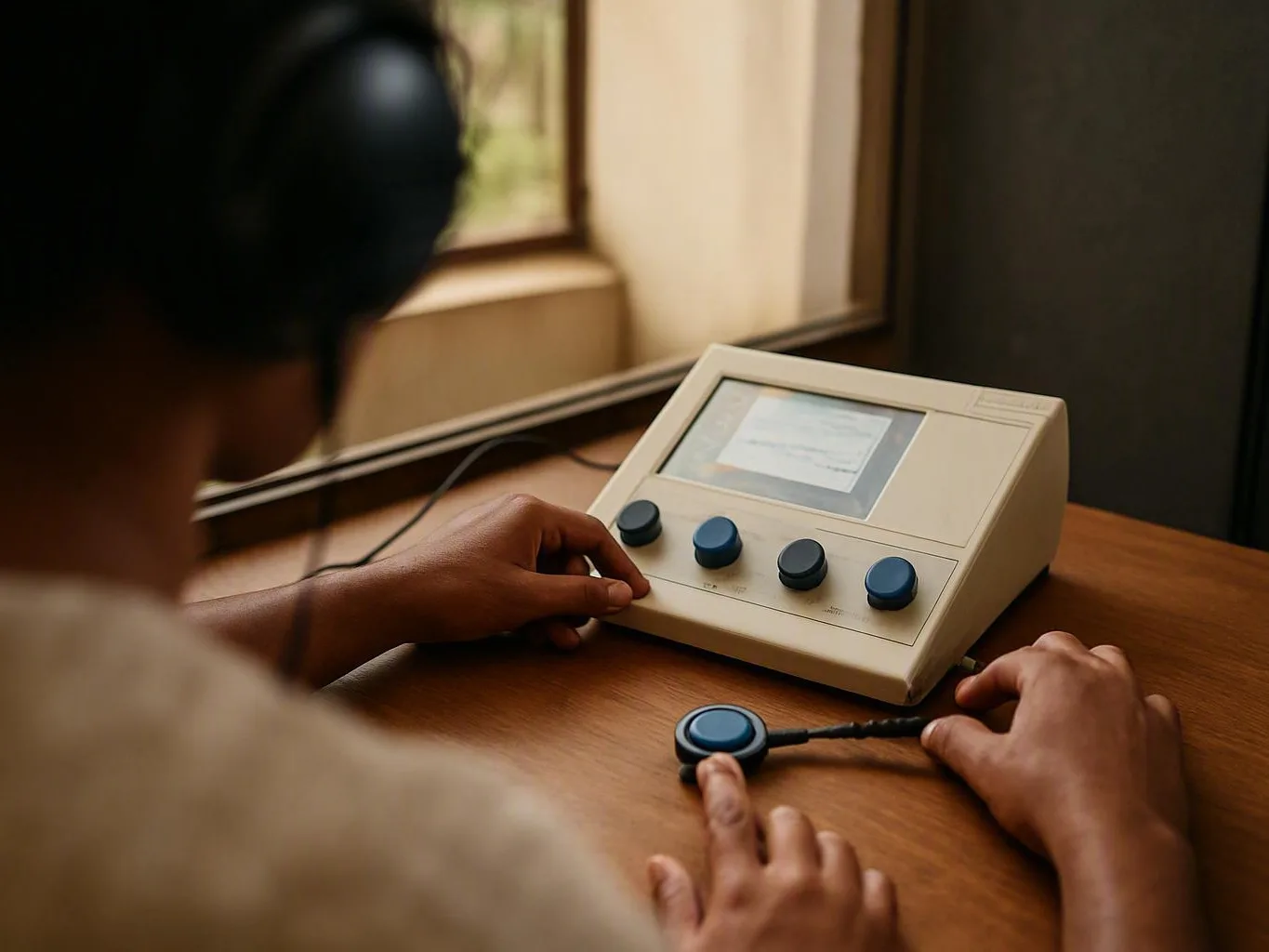
Pure tone audiometry and speech measures establish the hearing baseline. The baseline shows whether later listening findings need medical or audiological context.
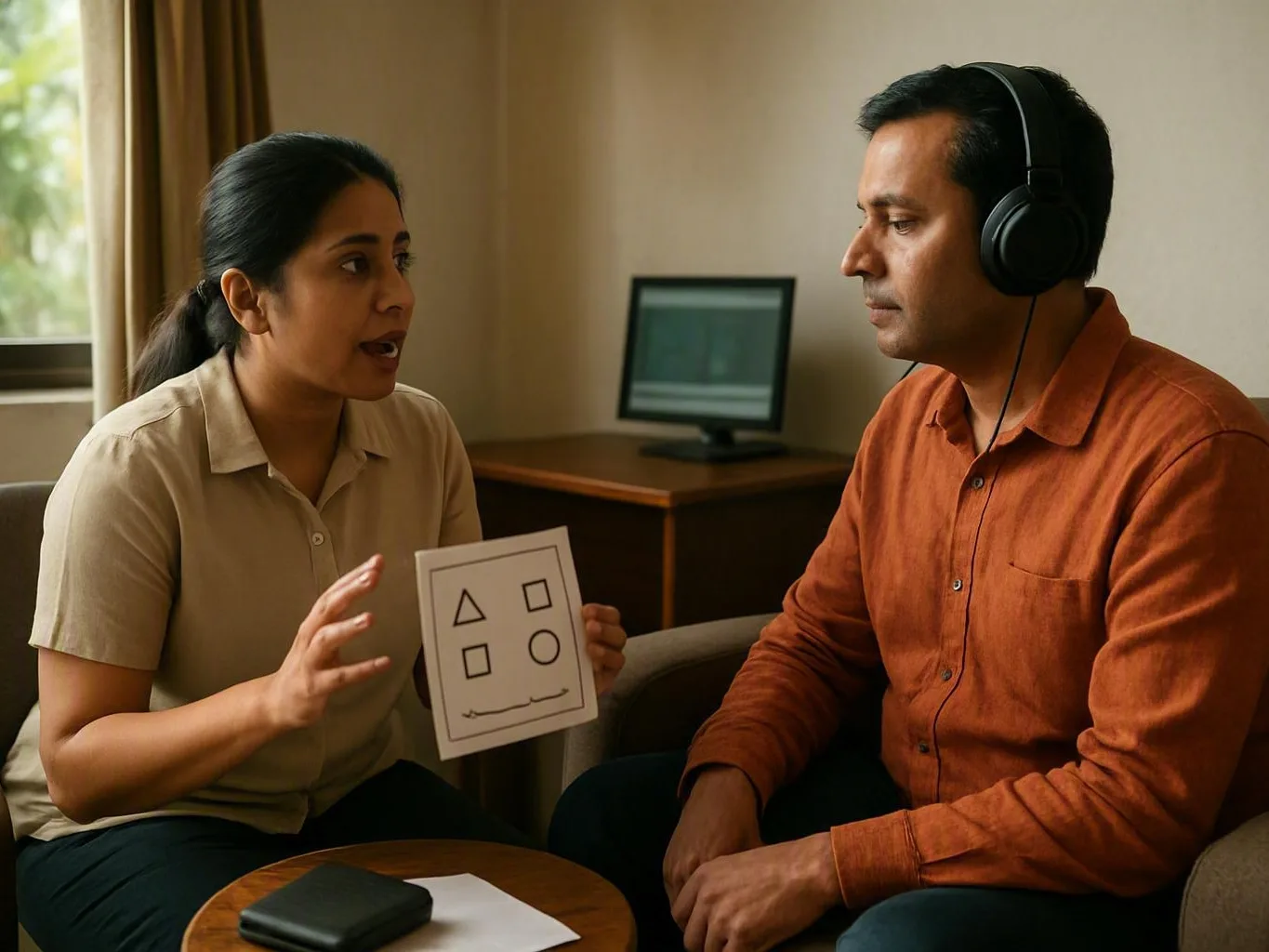
The audiologist selects suitable listening tasks for the person’s age and concern. This avoids using a child’s task set for an adult or forcing an unsuitable test.
The clinician explains the pattern and records practical next steps. Follow-up may include speech therapy discussion. School advice or referral where needed.
The cost of Auditory Processing Assessment depends on factors like scope, materials needed, and complexity. Here are typical ranges for Bhubaneswar,
New listening concerns
Case history and suitable first checks.
Persistent listening difficulty
Additional tasks may follow the initial findings.
Tailored estimate
Scope for Auditory Processing Assessment in Bhubaneswar confirmed on assessment. With the price agreed before work starts.
Prices are estimates. Call for an exact quote—we always provide upfront pricing before starting work.
Bring information that helps the audiologist compare listening demands across daily settings.
Auditory Processing Assessment adds listening tasks to the hearing baseline, so it can explore speech understanding, competing sound and related listening patterns.
The clinician then explains whether further testing, speech therapy or another referral fits.
Auditory Processing Assessment examines how the brain understands sound after basic hearing concerns receive suitable checks.
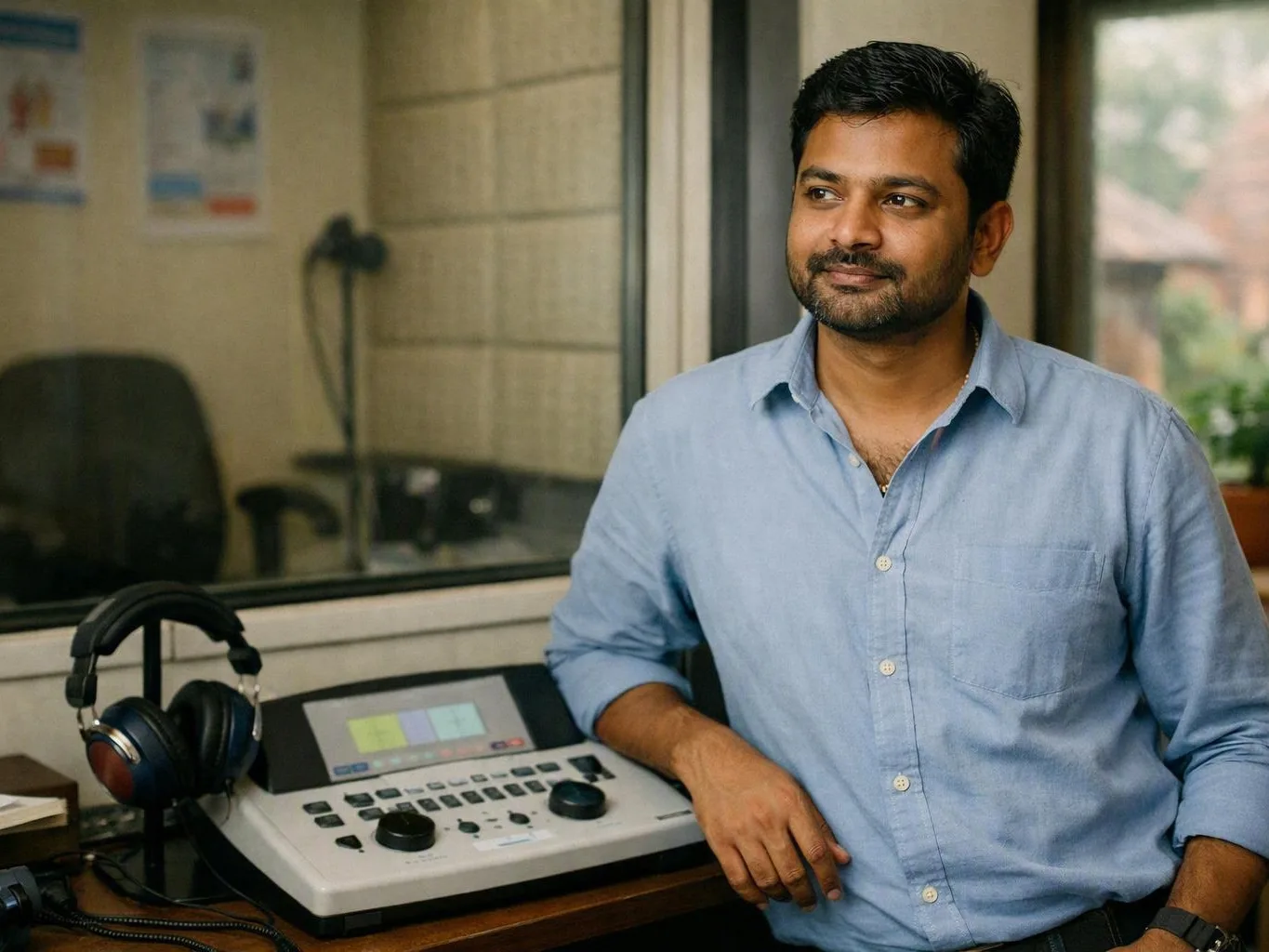
Still unsure whether speech difficulty comes from hearing or listening processing? Book a Free Consultation to discuss a suitable assessment path around your family’s schedule.
Call Audium Hearing Aid Clinic on 7008550109 to schedule a hearing assessment or discuss hearing aid support.
Bhubaneswar, Odisha

A workday schedule or childcare duty can make repeated visits difficult in Bhubaneswar, Odisha. Families who have tried a basic hearing check may still need a different explanation for missed speech. The consultation records past results, maps noisy listening situations and sets a safe assessment path without rushing into hearing-aid advice.
A teacher reports that a child follows one-to-one talk but misses instructions during group work in Bhubaneswar, Odisha. The family wants to know what testing can show and what upkeep may follow. The audiologist checks hearing history, middle-ear findings and listening demands, then explains suitable assessment tasks, speech therapy links and follow-up options. The plan stays tied to observed difficulty rather than a fixed promise.
A family in Bhubaneswar, Odisha compares hearing tests, speech therapy and auditory processing review. They’re unsure which service fits because the person hears quiet conversation but struggles with competing voices. The clinician uses case history, audiometry, tympanometry and speech findings to check suitability before recommending the next step.