
What are Hyperacusis?
Hyperacusis is a hearing condition in which ordinary sounds seem unusually loud, painful, or distressing. A person may react strongly to speech, traffic, kitchen noise, or music that others tolerate comfortably. The condition can affect one or both ears and may occur with tinnitus, hearing loss, migraine, head injury, or noise exposure.
Quick Facts About Hyperacusis
Category
Sound sensitivity disorder
Measured by
History, ear examination, audiometry, and loudness discomfort levels
Common confusion
Hyperacusis is not the same as tinnitus or ordinary hearing loss
Also called
Decreased sound tolerance, Sound sensitivity
Often discussed with
Hearing Loss Diagnosis, Tinnitus Assessment
Key Takeaways About Hyperacusis
- Hyperacusis changes sound tolerance, rather than simply making hearing sharper.
- Everyday sounds such as speech, traffic, or cutlery may feel painful or threatening.
- Tinnitus, migraine, head injury, and loud-noise exposure can occur alongside hyperacusis.
- Assessment usually includes a medical history, ear examination, and hearing tests.
- Constant ear protection may increase sound sensitivity. So use it selectively and safely.
Understanding Hyperacusis

Hyperacusis is reduced tolerance for sounds that are normally safe for most people. A sound may seem louder than it should, physically painful, or emotionally overwhelming. Speech, vehicle horns, utensils, appliances, and children’s voices can all trigger symptoms, although patterns differ between people. Symptoms may affect one ear or both ears.
The condition concerns sound tolerance, not simply the ability to hear quiet sounds. A person with hyperacusis may have normal hearing thresholds, hearing loss, or another ear-related condition. Tinnitus, migrainehead injury, facial nerve problems, and repeated loud-noise exposure are recognised associations. Symptoms may begin suddenly or develop gradually, and their severity may change over time.
How Hyperacusis Works, Is Measured, or Is Used?
Hyperacusisis assessed by examining its effect on daily life and checking for possible medical causes.audiologist usually asks which sounds trigger symptoms and whether pain occurs. They'll also ask whether symptoms began after noise exposure, illness, medication, or injury. An ear examination can identify wax, infection, or inflammation requiring separate treatment.
Audiometry measures hearing thresholds across different pitches, but it doesn't by itself confirm hyperacusis. The clinician may also record uncomfortable loudness levels, sometimes called loudness discomfort levels. This testing is done when it is safe and appropriate. Results must be interpreted carefully because loud sounds can worsen distress. The assessment may include speech testing, tympanometry, and a review of tinnitus, balance, migraine, and sound avoidance.
Why Hyperacusis Matters?
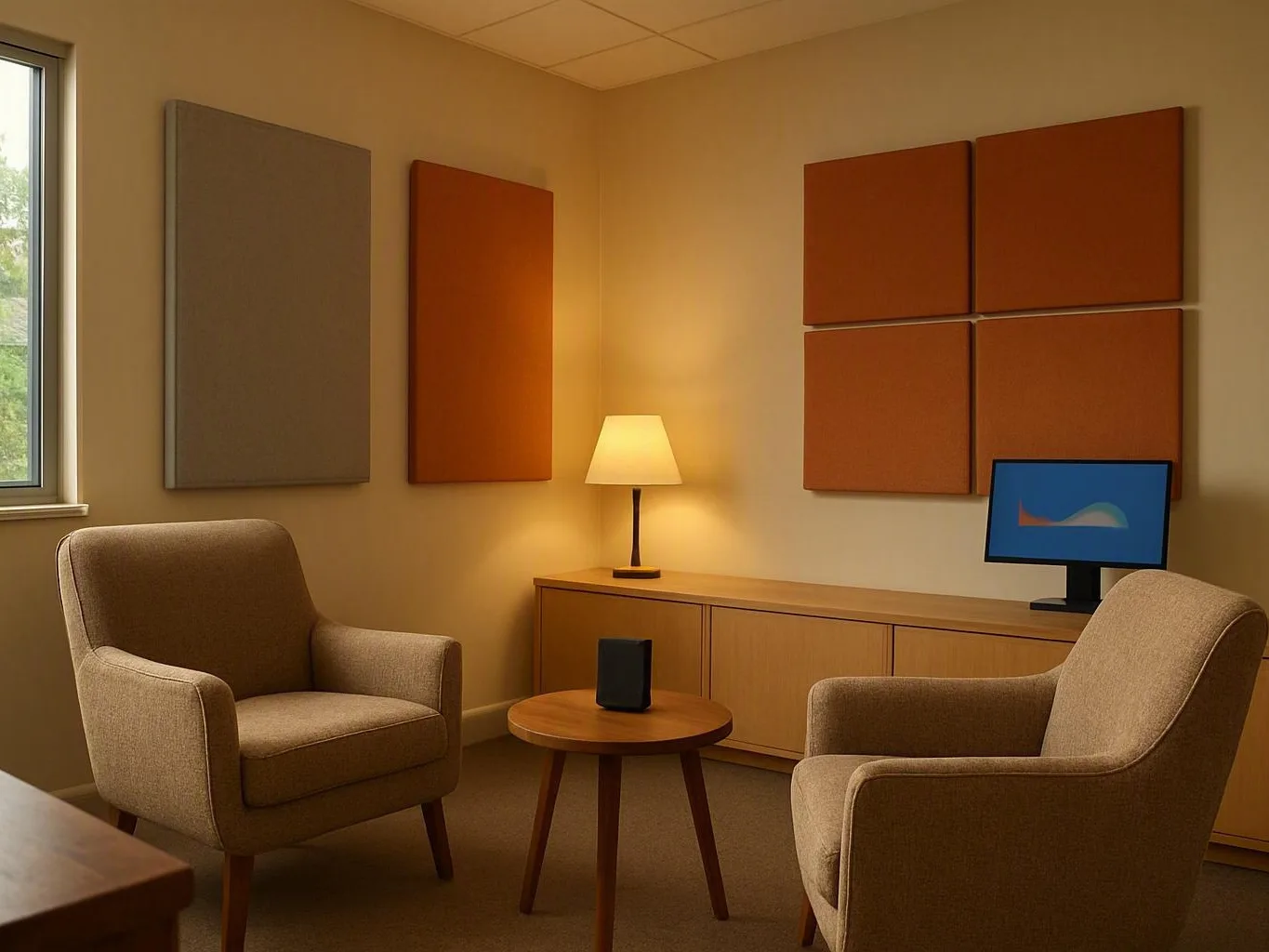
Hyperacusis can interfere with concentration, sleep, communication, travel, education, and work. Some people avoid public places, social events, or household tasks because they expect sound-related pain. This avoidance can reduce activity and increase fear of everyday noise, particularly without a clear explanation.
Management depends on the cause, symptom pattern, and hearing results. Sound therapy may introduce low-level, comfortable sound gradually, while counselling can reduce fear and improve coping. Treating related conditions such as migraine or tinnitus may also help. Ear protection is useful in genuinely loud settings, but wearing it continuously in ordinary environments may lower sound tolerance.
When Hyperacusis Matters Most?
Hyperacusis needs careful attention when sound causes severe pain, sudden hearing change, discharge, dizziness, facial weakness, or new neurological symptoms. Sudden hearing loss requires urgent medical assessment because early treatment may affect recovery. A sudden onset after a head injury, blast, or intense noise also warrants prompt evaluation.
Daily planning becomes important when ordinary activities trigger symptoms. You may need to identify predictable sounds, lower avoidable background noise, take quiet breaks, and carry suitable protection for genuinely loud environments. In Bhubaneswar, traffic, construction, festivals, and amplified public events can create difficult listening conditions. An individual sound plan should reflect the person’s routine and local environment.
How to Evaluate Hyperacusis?
- Record which sounds trigger symptoms, the sound level, the duration, and the resulting pain or distress.
- Check whether symptoms affect one ear or both ears and whether tinnitus or dizziness occurs.
- Ask whether hearing thresholds, speech perception, and middle-ear function have been tested.
- Review recent noise exposure, head injury, migraine, medicines, infections, and neurological symptoms.
- Seek urgent medical care for sudden hearing loss, severe dizziness, facial weakness, or ear discharge.
Related Concepts Compared
Hyperacusis vs. Tinnitus
Tinnitus is the perception of sound without an external source, such as ringing or buzzing. Hyperacusis is reduced tolerance of external sounds. Although both conditions can occur together.
Hyperacusis vs. Misophonia
Misophonia involves strong emotional reactions to specific sounds. Often linked to the meaning or pattern of the sound. Hyperacusis usually involves excessive loudness or physical discomfort across a wider range of sounds.
Hyperacusis vs. Recruitment
Recruitment is a rapid increase in perceived loudness that can occur with sensorineural hearing loss. Hyperacusis refers to reduced sound tolerance and can occur with or without hearing loss.
Hyperacusis vs. Phonophobia
Phonophobia is fear or aversion to sound. Often associated with migraine or anxiety. Hyperacusis mainly describes abnormal loudness or pain from ordinary external sounds.
Expert Note
Loudness discomfort testing is not a stand-alone diagnosis. The result can vary with anxiety, migraine, fatigue, and the testing method. A careful history and safe, gradual assessment often provide more useful clinical information than a single numerical level.
Common Mistakes or Myths About Hyperacusis
- Assuming that hyperacusis always means the person has exceptionally sharp hearing.
- Treating tinnitus and hyperacusis as identical conditions.
- Wearing strong ear protection all day in ordinary environments without clinical guidance.
- Testing discomfort by suddenly exposing the person to loud sounds.
- Ignoring sudden hearing loss, severe dizziness, or neurological symptoms.
Hyperacusis in Practice: A Real-World Example
A schoolteacher develops ear pain when students scrape chairs or raise their voices after a period of loud event exposure. Hearing thresholds remain within the expected range, but the teacher avoids the classroom and reports tinnitus. Assessment considers hyperacusis alongside tinnitus, migraine, and sound-related stress.
Sources & Further Reading on Hyperacusis
- NHS, Hyperacusis
- American Speech-Language-Hearing Association, Hearing Loss in Adults
Related Services
Audium Hearing Aid Clinic
Have Questions About Hyperacusis?
Contact Audium Hearing Aid Clinic for practical guidance on Hyperacusis and related hearing aid clinic work in Bhubaneswar.